Yellow Dot on Skin: What You Need to Know

Key Takeaways
- A yellow dot on skin is a description, not a diagnosis, so several different conditions can look similar.
- Some yellow spots are harmless, while others may be linked to cholesterol deposits, cysts, or skin inflammation.
- Changes in size, color, shape, pain, itching, bleeding, or spread should be checked by a clinician.
- Diagnosis often relies on a skin examination, and sometimes dermoscopy, blood tests, or a biopsy.
- Treatment depends on the cause and may range from simple observation to medical or procedural care.
A yellow dot on skin can be a harmless skin change, but it can also point to an underlying condition that deserves medical attention. Its meaning depends on the size, texture, location, and whether it is new, changing, or accompanied by other symptoms.
Overview
A yellow dot on skin is usually a visual clue rather than a diagnosis. It may describe a small raised spot, a flat patch, or a tiny papule that appears pale yellow, waxy, or yellow-white. The exact cause depends on where it appears, how long it has been present, and whether it changes over time.
Some yellow spots are completely harmless and do not need treatment. Others can reflect cholesterol deposits, blocked oil glands, cysts, inflammatory skin conditions, or, less commonly, a medical problem that affects the body more broadly. For that reason, the safest approach is to look at the whole picture instead of the color alone.
For people deciding whether to seek care, especially those traveling from another country, it helps to collect a simple history before the appointment: when the spot first appeared, whether it itches or hurts, and whether there are similar spots elsewhere. That information can make the first dermatology visit more efficient and reassuring.
Symptoms and common appearances
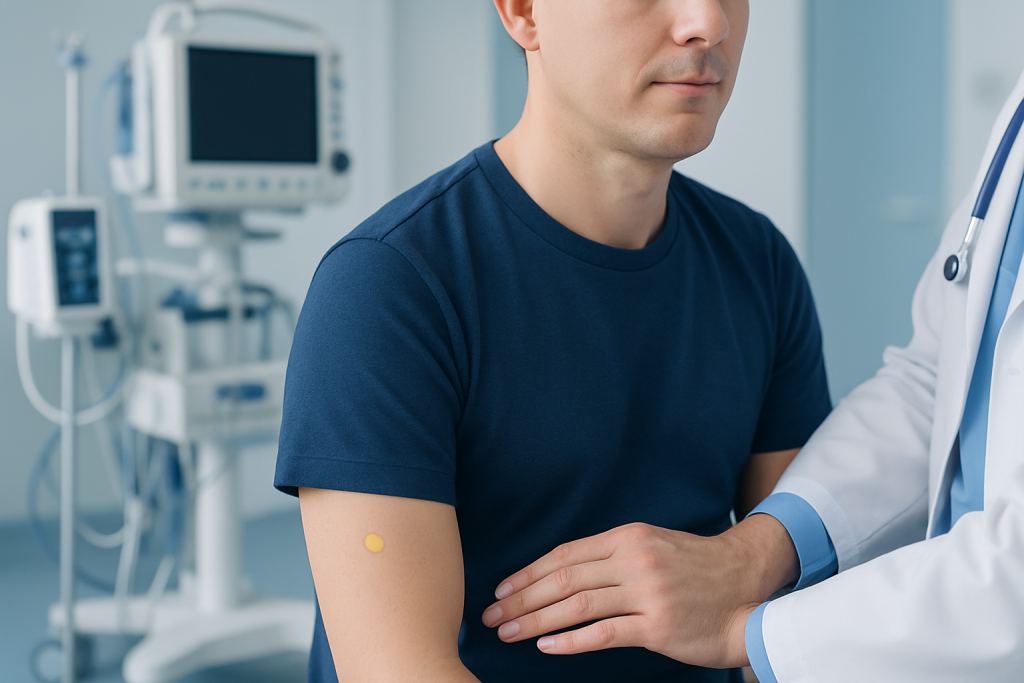
Yellow skin spots can look different from one person to another. Some are flat and faint, while others are raised, firm, or soft to the touch. They may be smooth, waxy, dome-shaped, or slightly scaly. A single yellow dot may stay unchanged for years, or it may slowly enlarge.
Symptoms that can help narrow the cause include itchiness, tenderness, redness around the spot, discharge, or a central pore. If the yellow area is part of a broader skin pattern, there may be clusters of similar lesions on the face, eyelids, trunk, arms, or legs. In some conditions, the skin elsewhere may also look dry, inflamed, or irritated.
- Stable and painless: often more likely to be benign.
- Growing, red, or painful: deserves medical review.
- Multiple similar spots: may suggest a systemic or patterned skin condition.
- Associated with jaundice or eye yellowing: needs prompt evaluation.
It is also important to distinguish a true yellow lesion from ordinary skin discoloration caused by makeup, sunscreen, bruising as it heals, or staining from external substances. A clinician can usually tell the difference during an examination.
Causes and risk factors

There are many possible reasons for a yellow dot on skin. One common explanation is a benign buildup within the skin, such as a cyst or a small lesion made up of oil-related material. In some people, yellowish plaques on the eyelids or other areas may be related to cholesterol deposits. Other yellow spots may come from conditions that affect the hair follicles, sweat glands, or the outer skin layer.
Risk factors depend on the diagnosis. Family history, high blood lipids, chronic skin inflammation, sun exposure, diabetes, and certain inherited conditions can all play a role in some cases. Age can also matter, because some benign lesions become more common over time, while others are more typical in childhood or early adulthood.
Occasionally, yellowing of the skin is not a spot at all but part of generalized jaundice, which reflects a problem with bilirubin processing in the liver, gallbladder, or blood. That situation usually affects more than one area and is often accompanied by yellowing of the eyes, dark urine, pale stools, or fatigue.
Diagnosis
Diagnosis begins with a close skin examination and a discussion of symptoms. A clinician will usually ask when the spot first appeared, whether it has changed, whether there has been trauma or irritation, and whether the person has similar lesions elsewhere. A review of medications and medical history may also be important.
In many cases, a dermatologist can identify the cause by appearance alone or with a dermatoscope, which gives a magnified view of the skin surface. If the lesion seems atypical, a biopsy may be recommended to confirm the diagnosis and rule out more serious conditions. Blood tests may be ordered when there is concern about cholesterol levels, liver function, or another systemic cause.
For international patients, bringing previous lab results, medication lists, and photos of how the spot has evolved over time can help reduce delays in care. When records are organized, the evaluation often becomes more straightforward, especially if follow-up will happen after returning home.
Treatment options
Treatment depends entirely on the cause. Some yellow dots do not require active treatment and can simply be monitored. If the lesion is a cyst, blocked gland, or another benign growth, a dermatologist may recommend observation unless it becomes bothersome, inflamed, or cosmetically concerning.
When a yellow spot is linked to cholesterol deposits, medical care may focus on the underlying metabolic issue as well as the skin finding itself. If the spot is caused by an inflammatory or infectious process, treatment may involve topical medication, oral medication, or procedural care. If the lesion is suspicious or changing, removal and laboratory analysis may be advised.
Procedures are selected with both safety and appearance in mind. Depending on the diagnosis, options may include minor surgical excision, drainage, laser treatment, or other dermatologic procedures. The best choice is individualized, and patients should ask how long healing may take, whether a scar is likely, and what follow-up will be needed once they are back in their own country.
Prevention and self-care
Not every yellow spot can be prevented, but good skin habits can help reduce irritation and make changes easier to notice early. Gentle cleansing, sun protection, and avoiding squeezing or scratching lesions are practical starting points. If the skin is prone to oiliness, acne, or recurrent cysts, regular skincare and clinician guidance may help.
Self-checks are useful when done calmly and consistently. Looking for changes in size, border, texture, and color once every few weeks is usually enough for most people. Taking a clear photo in the same lighting can help track whether a spot is stable or evolving.
- Use broad-spectrum sunscreen on exposed skin.
- Do not pick, puncture, or try to drain the spot at home.
- Seek medical advice if similar lesions appear in clusters.
- Keep a record of any related symptoms such as itching, pain, or eye yellowing.
For patients planning treatment abroad, self-care also includes preparation: arranging transport after a procedure if needed, planning rest time, and understanding how to reach the care team for questions during recovery.
When to see a doctor
A doctor should evaluate a yellow dot on skin if it is new and unexplained, if it is growing, or if it is accompanied by pain, bleeding, crusting, or surrounding redness. A spot near the eyelid or on the face may also merit assessment if it is persistent or cosmetically distressing.
Prompt care is especially important when yellowing is not limited to one spot and instead affects the eyes or larger areas of skin. That pattern can indicate jaundice or another medical issue that needs timely attention. A medical review is also sensible if the lesion appears after starting a new medication or if there is a history of high cholesterol, liver disease, or diabetes.
If the person is considering travel for evaluation or treatment, it is reasonable to ask about the expected number of visits, whether a biopsy might be needed, and what follow-up can happen remotely. At Acibadem Health Point, multidisciplinary specialists and JCI-accredited hospitals diagnose and treat skin conditions for international patients with coordinated care that supports the entire journey.
Living with an unexplained skin spot
When a yellow dot on skin is found and the cause is not yet clear, the main goal is steady observation and timely evaluation rather than worry. Many spots turn out to be benign, and even those that need treatment are often manageable once properly identified. Accurate diagnosis is the key step that turns uncertainty into a clear plan.
Patients who are traveling for care often benefit from a practical mindset: bring photos, keep questions written down, and confirm how results will be shared after the visit. This is especially helpful when the care plan may include a procedure or when recovery continues at home in another country.
A calm, evidence-based assessment is the best way to understand whether the spot needs nothing more than monitoring or whether it reflects a broader health issue. Either way, a qualified clinician can place the finding in context and guide the next step safely.
Frequently asked questions
01What is a yellow dot on skin usually caused by?
A yellow dot on skin can have several causes, including a benign cyst, a clogged oil gland, a cholesterol deposit, or an inflammatory skin condition. The appearance alone is not enough to identify the cause, so a clinician may need to examine it closely.
02Can a yellow spot on skin be serious?
Sometimes it can be, especially if it is changing, painful, bleeding, or appearing along with yellowing of the eyes or widespread skin yellowing. Many yellow spots are harmless, but persistent or unusual lesions should be checked.
03Should a yellow dot on skin be popped or squeezed?
No, it is best not to squeeze or puncture it at home. Doing so can irritate the skin, cause infection, or make it harder for a doctor to identify the lesion correctly.
04How do doctors diagnose a yellow skin lesion?
Doctors usually start with a visual exam and a medical history. If needed, they may use dermoscopy, blood tests, or a biopsy to confirm the cause.
05Can cholesterol cause yellow spots on the skin?
Yes, cholesterol deposits can sometimes appear as yellowish skin lesions, especially around the eyelids or in clusters elsewhere. If this is suspected, a doctor may also check lipid levels and overall cardiovascular risk.
06When should someone seek urgent medical care?
Urgent care is sensible if yellowing affects the eyes or larger areas of skin, or if the person also has dark urine, pale stools, severe fatigue, or abdominal symptoms. Those signs may suggest jaundice or another condition that needs prompt evaluation.
This article is for general information only and is not a substitute for professional medical advice. Please consult a qualified doctor about your individual situation.
Explore treatments in Turkey — costs, top hospitals & a free quote
JCI-accredited · board-certified surgeons · reply within 24h
Add us as a Preferred Source to see more of our trusted health content across Google Search, AI Overviews and Discover.