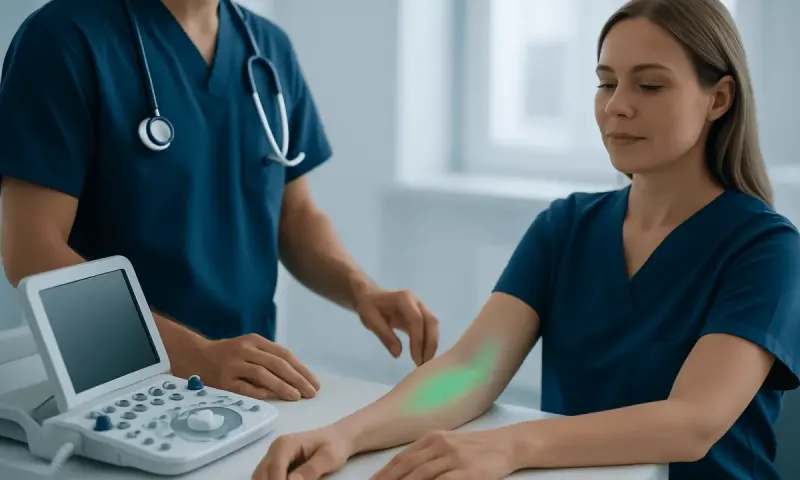
Why Is My Thumb Twitching? Common Causes to Consider
Thumb twitching is usually caused by a brief, harmless muscle spasm, often related to fatigue, stress, caffeine, repetitive hand use, or temporary nerve irritation. It is worth arranging medical assessment if twitching persists, spreads, or occurs with weakness, numbness, pain, loss of hand function, or muscle wasting.
Why is my thumb twitching?
Most of the time, thumb twitching is a harmless, short-lived muscle spasm called a fasciculation. A small group of muscle fibers contracts involuntarily, creating a fluttering, tapping, or jumping sensation beneath the skin. It may be visible or felt only by the person experiencing it.
Common triggers include tiredness, emotional stress, poor sleep, recent exercise, caffeine or other stimulants, dehydration, and repeated use of the hand. For example, long periods of typing, gaming, gripping tools, scrolling on a phone, or using the thumb for texting may temporarily fatigue the muscles around the thumb.
Although an isolated twitch is rarely a sign of a serious neurological illness, the surrounding symptoms matter. Thumb twitching should be medically reviewed when it does not improve, becomes frequent or widespread, or comes with weakness, numbness, pain, reduced dexterity, or visible loss of muscle bulk.
What a thumb twitch can feel like
People describe thumb twitching in different ways: a pulse-like movement, brief jerking, trembling, fluttering, or a sensation that the thumb is moving on its own. The twitch may affect the fleshy muscle at the base of the thumb, the thumb itself, or nearby muscles in the palm and forearm.
A fasciculation is different from a cramp. A cramp is usually a painful, sustained tightening of a muscle, whereas a twitch is typically brief and painless. Tremor is also different: it tends to be a more rhythmic shaking movement that occurs during posture, movement, or sometimes at rest.
Noticing when the twitch occurs can be useful. A twitch that appears after heavy hand use or a poor night of sleep may have an obvious temporary trigger. Symptoms that occur with certain wrist positions, neck movements, or repetitive tasks can sometimes point to irritation or compression of a nerve.
Common causes of thumb twitching

Benign fasciculations are common and can occur in otherwise healthy people. They may become more noticeable during periods of anxiety, stress, illness, intense physical activity, or sleep deprivation. Caffeine, nicotine, energy drinks, and some other stimulants can increase muscle excitability in some people.
Overuse is another frequent explanation. The thumb and hand perform many precise movements, and repetitive loading can fatigue local muscles and tendons. Taking regular breaks from gripping, typing, phone use, or other repetitive activities may help if symptoms are related to strain.
Medication effects may occasionally contribute. Some medicines, including certain asthma treatments, stimulants, antidepressants, or diuretics, can be associated with tremor, twitching, or changes in fluid and mineral balance. A person should not stop prescribed medication independently, but should discuss a possible connection with the clinician who prescribed it.
Less commonly, low or disturbed levels of minerals such as magnesium, calcium, or potassium can contribute to muscle irritability. This is more likely in the setting of significant vomiting, diarrhea, poor nutrition, heavy sweating, kidney disease, or medicines that affect fluid balance. Blood testing may be appropriate when a clinician suspects this possibility.
Could a nerve problem be involved?
The muscles of the thumb receive signals from nerves that travel from the neck through the arm and wrist. Pressure, irritation, or injury affecting these nerves can sometimes cause twitching, but it more often causes other symptoms as well, such as tingling, numbness, burning pain, clumsiness, or weakness.
Carpal tunnel syndrome affects the median nerve at the wrist and may cause numbness or tingling in the thumb, index finger, middle finger, and part of the ring finger. Symptoms often worsen at night or with repeated wrist use. In more advanced cases, weakness of thumb movements or reduced muscle bulk at the base of the thumb can develop.
A pinched nerve in the neck, sometimes called cervical radiculopathy, may cause symptoms that travel from the neck or shoulder into the arm and hand. Neck pain is not always present. Nerve irritation farther along the arm, previous injury, or certain repetitive positions can also affect hand function.
Rarely, persistent twitching with progressive weakness and muscle wasting may be associated with a neuromuscular disorder. Twitching alone, especially when intermittent and without loss of strength or function, does not diagnose these conditions. A careful clinical examination is the appropriate way to distinguish benign twitching from symptoms that need further investigation.
How doctors assess persistent twitching
A clinician will usually begin by asking when the twitching started, how often it occurs, whether it is spreading, and what seems to trigger or relieve it. They may ask about sleep, stress, exercise, alcohol, caffeine, supplements, recent illness, work activities, medical history, and medications.
The physical examination may include checking thumb and hand strength, reflexes, coordination, muscle size, sensation, and range of motion in the wrist, arm, shoulder, and neck. The clinician may also look for signs of inflammation, tendon problems, or nerve compression.
Many people with occasional isolated thumb twitching do not need tests. If symptoms are persistent, unexplained, or accompanied by neurological signs, a doctor may request blood tests to assess factors such as thyroid function, glucose, kidney function, and mineral levels. Depending on the findings, nerve conduction studies and electromyography may be used to evaluate nerve and muscle activity.
Imaging is not routinely needed for simple twitching. It may be considered when symptoms and examination findings suggest a problem in the neck, wrist, brain, or another part of the nervous system. The choice of tests should be guided by the individual clinical picture rather than by twitching alone.
What may help at home
For a mild, occasional thumb twitch, practical self-care measures may be enough. Prioritizing regular sleep, drinking fluids throughout the day, eating a balanced diet, and allowing recovery after strenuous exercise can reduce common triggers. It may also help to reduce caffeine, nicotine, and energy drinks for a few days to see whether symptoms improve.
People whose symptoms follow repetitive hand use can try short, frequent breaks and gentle changes in activity. Adjusting a keyboard, mouse, phone grip, gaming controller, or work tool may reduce strain on the thumb and wrist. Gentle range-of-motion movements can be comfortable, but painful stretching or forceful exercises should be avoided.
Keeping a short symptom record can help identify patterns. Useful details include the timing of twitches, duration, associated numbness or pain, recent activity, sleep quality, stimulant intake, and any impact on daily tasks. This information can also make a medical appointment more productive if symptoms continue.
Supplements are not routinely necessary for thumb twitching. Taking high-dose vitamins or minerals without medical advice may be unhelpful or unsafe, especially for people with kidney disease or those taking regular medication. A clinician can advise whether testing or targeted treatment is needed.
When to seek medical care
It is sensible to make a non-urgent medical appointment if thumb twitching lasts for several weeks, keeps returning without a clear trigger, spreads to other body areas, or interferes with work, sleep, or everyday hand use. Assessment is also appropriate if there is persistent hand pain, neck pain, numbness, tingling, or symptoms that wake a person at night.
Prompt medical review is important if twitching occurs with new weakness, dropping objects, difficulty turning keys or opening jars, loss of fine finger movements, changes in walking or balance, trouble speaking or swallowing, or visible shrinking of hand muscles. These symptoms do not necessarily indicate a serious condition, but they should not be ignored.
Emergency care is needed for sudden weakness of the face, arm, or leg, especially on one side, or for symptoms accompanied by difficulty speaking, confusion, severe headache, vision changes, or loss of balance. These may be signs of a stroke and require immediate emergency assessment.
Acıbadem Health Point’s multidisciplinary specialists and JCI-accredited hospitals can assess persistent hand and neurological symptoms for international patients. The most appropriate clinician may be a primary care doctor, neurologist, physical medicine specialist, or hand and orthopedic specialist, depending on the symptoms and examination findings.
Frequently asked questions
01Is thumb twitching usually serious?
No. An occasional isolated thumb twitch is commonly harmless and often relates to fatigue, stress, caffeine, exercise, or repeated hand use. It should be checked if it persists, worsens, spreads, or occurs with weakness, numbness, pain, or reduced hand function.
02Can anxiety cause thumb twitching?
Yes. Anxiety and stress can make muscle fasciculations more noticeable and may also disrupt sleep, increase stimulant use, and heighten awareness of normal body sensations. Managing stress and getting adequate rest may reduce symptoms, although persistent twitching should still be discussed with a clinician.
03Can carpal tunnel syndrome make the thumb twitch?
Carpal tunnel syndrome can affect thumb muscles because it involves the median nerve at the wrist. More typical symptoms are tingling, numbness, nighttime discomfort, and weakness in the thumb or hand. A clinician can assess whether symptoms fit carpal tunnel syndrome or another cause.
04How long should a harmless thumb twitch last?
A benign twitch may last seconds to minutes and can recur intermittently over days or weeks, particularly while a trigger is present. There is no exact time limit that confirms a cause. If it continues for several weeks or causes concern, a medical review is reasonable.
05Should I take magnesium for a twitching thumb?
Magnesium is not a universal treatment for muscle twitching. It may be relevant when a true deficiency is present, but self-treating with supplements may not address the cause and can be unsafe for some people. A clinician can advise whether blood tests or dietary changes are appropriate.
06Does thumb twitching mean ALS?
Thumb twitching by itself is not a reliable sign of ALS or another motor neuron disease. In these rare conditions, twitching is generally accompanied by progressive weakness, loss of function, muscle wasting, or other neurological findings. Anyone with these accompanying symptoms should seek timely medical assessment.
This article is for general information only and is not a substitute for professional medical advice. Please consult a qualified doctor about your individual situation.
Joint and spine care in Turkey — expert assessment & treatment
JCI-accredited · board-certified surgeons · reply within 24h
Add us as a Preferred Source to see more of our trusted health content across Google Search, AI Overviews and Discover.