Why Do Males Have Nipple?

Key Takeaways
- Male nipples form early in fetal development before the body fully differentiates into male or female anatomy.
- In most males, nipples are normal and usually do not cause health problems.
- Changes such as pain, discharge, a lump, or skin changes should be evaluated by a clinician.
- Some hormonal conditions, medications, and other health issues can affect male breast tissue.
- Good self-awareness helps distinguish normal anatomy from symptoms that need medical attention.
Males have nipples because nipple and breast tissue begin developing before sex differentiation is complete in the embryo. In most people, these structures remain even though they do not usually have a reproductive role later in life.
Overview
The short answer to why do males have nipple is that nipples appear before male and female embryos finish developing along different pathways. Early in pregnancy, everyone starts with the basic blueprint for nipples and breast tissue; later hormonal signals shape the rest of the anatomy. Because nipples form so early, they are typically retained in males even though they usually do not serve the same biological role they do in females.
This is a normal feature of human development, not a mistake or a sign of illness. For most males, nipples are simply part of ordinary body structure. They may vary in size, color, and sensitivity from one person to another, just as ears, noses, and skin do.
Understanding that male nipples are common can be reassuring, especially for patients who notice them while comparing bodies during puberty, fitness training, or recovery from weight changes. The more important question is not why they exist, but whether they are changing in a way that suggests an underlying problem.
How Nipples Develop Before Birth
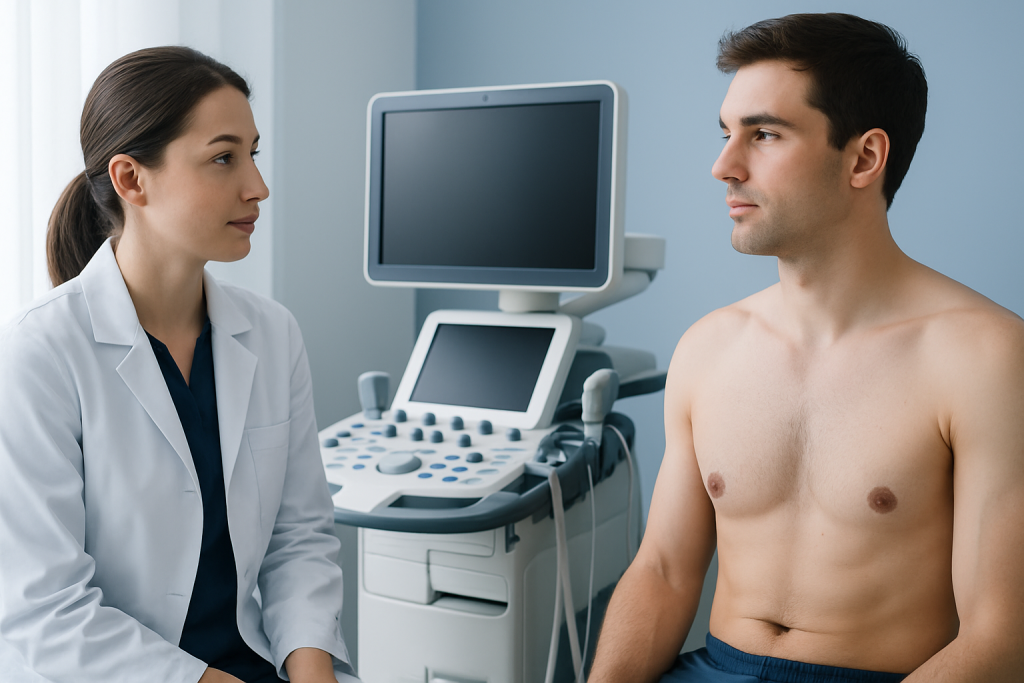
In early embryonic development, the body first builds shared structures before sex-specific features are fully established. Nipples and early breast tissue begin forming during this stage, before hormones such as testosterone and estrogen have completed their influence on external anatomy. As development continues, the presence or absence of certain hormonal signals shapes the chest, reproductive organs, and other characteristics.
Because nipples are already in place by the time the body differentiates further, they generally remain regardless of whether the fetus develops male or female sex characteristics. This is why males, like females, are born with nipples. The difference is not in whether nipples exist, but in how the surrounding breast tissue develops afterward.
It may help to think of it as an early shared design that later branches into different patterns. Human development is efficient in this way, and it explains many normal features that appear in both sexes.
What Male Nipples Do
For most males, nipples do not have a major physiological function in daily life. They contain nerves and skin structures, so they can feel touch, temperature, and irritation, but they are not usually involved in milk production or breastfeeding. In that sense, they are mostly a retained anatomical feature rather than an active organ with a large role in male health.
Even so, nipples are not meaningless. They can reflect changes in the skin and underlying breast tissue, which is why new pain, swelling, redness, or discharge should not be ignored. The chest is still a part of the body that can develop benign conditions, hormone-related changes, infections, and, more rarely, cancer.
Some males also notice that nipples are sensitive during exercise, friction from clothing, or hormonal shifts during puberty. Those sensations are often harmless, but persistent or one-sided changes are worth discussing with a doctor.
Common Questions and Normal Variations
People often wonder whether male nipples are “supposed” to look a certain way. In reality, there is wide normal variation. Nipples may be flat, protruding, small, large, darker, lighter, more sensitive, or less sensitive, and these differences usually reflect genetics and body composition rather than disease.
Another common question is why some males seem to have more prominent breast tissue. A small amount of breast tissue exists in all males, and it can become more noticeable during puberty, with weight gain, certain medications, or hormonal imbalance. This is often called gynecomastia, and it is separate from the simple presence of nipples.
Changes caused by exercise, body fat, aging, or weight loss can also alter how the chest looks. For many patients, the appearance of the nipples becomes more noticeable only because the surrounding tissue changes, not because the nipples themselves are abnormal.
- Variation in shape and color is common.
- Temporary tenderness can happen during puberty.
- Visible chest fullness may reflect fat or glandular tissue.
- Unusual changes deserve medical review, especially if they are new or one-sided.
Causes and Risk Factors for Concerning Male Breast Changes
Although nipples themselves are normal, certain conditions can affect the tissue around them. Hormonal changes are a frequent reason, especially shifts in the balance between testosterone and estrogen. Puberty, aging, obesity, liver disease, thyroid disorders, and some testicular conditions can all influence hormone levels.
Medications and substances may also play a role. Some prescription drugs, anabolic steroids, alcohol misuse, and recreational substances can contribute to breast tissue enlargement or nipple sensitivity. In these cases, the symptom is not the nipple alone but a broader change in the chest or endocrine system.
Less commonly, an infection, skin condition, or tumor may cause nipple changes. A doctor will look at whether the change is centered in one side, whether there is pain, whether the skin has changed, and whether there is a lump beneath the nipple. The pattern matters more than the appearance of the nipple by itself.
How Doctors Evaluate Nipple or Chest Concerns
Evaluation usually begins with a careful history and physical examination. A clinician may ask when the change began, whether it is painful, whether both sides are affected, and whether any medications, supplements, or hormone-related treatments are involved. This helps determine whether the issue is likely to be benign or whether more testing is needed.
If a lump, unusual discharge, or persistent swelling is present, the doctor may recommend imaging such as ultrasound or other tests depending on the age and findings. Blood tests may be used when a hormonal cause is suspected. In some situations, the provider may also examine the testes, liver function, thyroid function, or other systems linked to hormone balance.
The goal of diagnosis is not to alarm the patient but to identify the most likely explanation efficiently. Many chest and nipple concerns in males are benign, and a targeted workup can clarify what is happening without unnecessary procedures.
Treatment Options, Prevention, and Self-care
There is no treatment needed for normal male nipples. When the concern is discomfort from friction, supportive clothing, protective dressings, and skin-care adjustments may help. If the issue is related to puberty-related tenderness or mild gynecomastia, doctors often recommend observation first because some cases improve on their own.
When an underlying cause is found, treatment focuses on that cause. This may include reviewing medications, addressing hormone imbalance, treating an infection or skin condition, or managing a broader medical problem such as thyroid or liver disease. In selected cases, especially when breast tissue enlargement is persistent or distressing, surgery may be discussed after medical evaluation.
Self-care is mostly about awareness and gentle protection. Avoid repeated irritation, watch for new changes, and seek medical advice if symptoms do not settle. For international patients planning evaluation abroad, it can be helpful to gather a medication list, prior test results, and a brief symptom timeline before travel so care begins smoothly and follow-up can continue effectively after returning home.
Acibadem Health Point’s multidisciplinary specialists and JCI-accredited hospitals diagnose and treat male breast and nipple concerns for international patients, with coordinated support across evaluation, treatment, and follow-up.
When to See a Doctor
Medical attention is recommended if a male nipple or chest change is new, persistent, or clearly different from the other side. Red-flag features include a hard lump, bloody or spontaneous nipple discharge, nipple inversion that is new, skin dimpling, redness that does not improve, or swelling with pain and fever. These symptoms do not automatically mean something serious, but they should be assessed.
It is also sensible to seek advice if breast tissue enlarges after starting a new medication, using supplements or anabolic steroids, or noticing other hormone-related symptoms such as reduced libido, testicular changes, or unexplained fatigue. A doctor can help determine whether the finding is temporary, medication-related, or linked to another condition.
For many patients, reassurance is the main outcome of the visit. Even so, getting the right explanation matters, because it prevents unnecessary worry and makes sure any treatable problem is identified early.
Why the Question Matters Beyond Curiosity
Asking why males have nipples often starts as a simple anatomy question, but it can also open the door to broader conversations about body development and men’s health. A clear explanation helps reduce embarrassment, especially for adolescents and adults who notice chest changes during puberty, fitness training, or aging.
It also helps patients understand that not every chest symptom is dangerous, yet not every change should be dismissed. The distinction between a normal anatomical feature and a new medical symptom is important. Knowing that male nipples are normal anatomy can make it easier to focus on the warning signs that truly deserve attention.
In everyday care, the best approach is calm observation. Most male nipples are simply part of the human body’s shared early design, while changes in tissue, pain, or discharge are what guide medical evaluation.
Frequently asked questions
01Why do males have nipples if they do not breastfeed?
Males have nipples because they develop early in the embryo before sex-specific anatomy is fully established. By the time male development progresses further, the nipples are already formed and usually remain. Their presence is normal and does not mean they need to have a reproductive function.
02Are male nipples different from female nipples?
The basic structure is similar, but the surrounding breast tissue usually develops differently. Females typically develop more glandular tissue under hormonal influence, while males usually retain only a small amount. Size, color, and sensitivity can vary widely in both sexes.
03Is it normal for male nipples to be sensitive?
Mild sensitivity can be normal, especially during puberty, with friction from exercise, or after skin irritation. Persistent pain, one-sided tenderness, or sensitivity with a lump should be checked by a doctor. The pattern of symptoms helps determine whether the cause is harmless or needs treatment.
04When should a male worry about nipple discharge?
Any spontaneous nipple discharge in a male should be evaluated, especially if it is bloody, clear, or occurs on one side only. While some causes are benign, discharge is not considered a routine normal finding in males. A clinician can decide whether examination or imaging is needed.
05Can weight gain make male nipples look larger?
Yes, weight gain can make the chest and nipples appear more prominent because of added fatty tissue and changes in chest contour. This is common and not necessarily a sign of disease. If the enlargement is new, uneven, or associated with pain or a lump, medical review is sensible.
06Does gynecomastia mean something is wrong with the nipples themselves?
Not usually. Gynecomastia refers to enlargement of breast gland tissue in males, which can make the area around the nipple look fuller or more noticeable. It is a chest tissue issue rather than a problem with the nipple alone.
This article is for general information only and is not a substitute for professional medical advice. Please consult a qualified doctor about your individual situation.
Explore treatments in Turkey — costs, top hospitals & a free quote
JCI-accredited · board-certified surgeons · reply within 24h
Add us as a Preferred Source to see more of our trusted health content across Google Search, AI Overviews and Discover.