Can Males Have Endometriosis?

Key Takeaways
- Endometriosis is a condition of tissue similar to the uterine lining growing outside the uterus, so it is not a typical male diagnosis.
- Very rare reports of endometriosis-like tissue in men exist, usually in unusual clinical settings rather than as common disease.
- Symptoms such as pelvic pain, a groin mass, urinary problems, or unexplained abdominal discomfort should be evaluated rather than assumed to be harmless.
- Doctors may use imaging, examination, and sometimes surgery or biopsy to identify the cause of symptoms.
- Early assessment helps distinguish endometriosis-like conditions from more common issues such as hernia, infection, or tumors.
Endometriosis is typically a condition found in people with a uterus, so males do not usually develop it in the classic sense. However, very rare endometriosis-like cases or related tissue growths have been reported in men, and persistent pelvic or urinary symptoms always deserve medical evaluation.
Overview
Can males have endometriosis? In the usual medical sense, the answer is no. Endometriosis is a condition in which tissue similar to the lining inside the uterus grows outside the uterus, so it is classically linked to female reproductive anatomy. Because males do not have a uterus, they do not typically develop endometriosis as it is defined in gynecology.
That said, medicine is full of exceptions that make headlines precisely because they are so unusual. A very small number of endometriosis-like cases have been described in men, often discovered during surgery or tissue testing for another problem. These reports are rare enough that they do not change the overall picture: endometriosis is not a standard male condition, but unexplained pelvic symptoms in men still deserve a careful workup.
For international patients seeking answers from abroad, this distinction matters. A symptom can have several possible explanations, and a clinician’s job is to sort out whether the issue is a hernia, infection, hormone-related change, cyst, inflammatory disease, or something less common. A clear diagnosis prevents unnecessary worry and helps guide the right treatment plan.
Symptoms
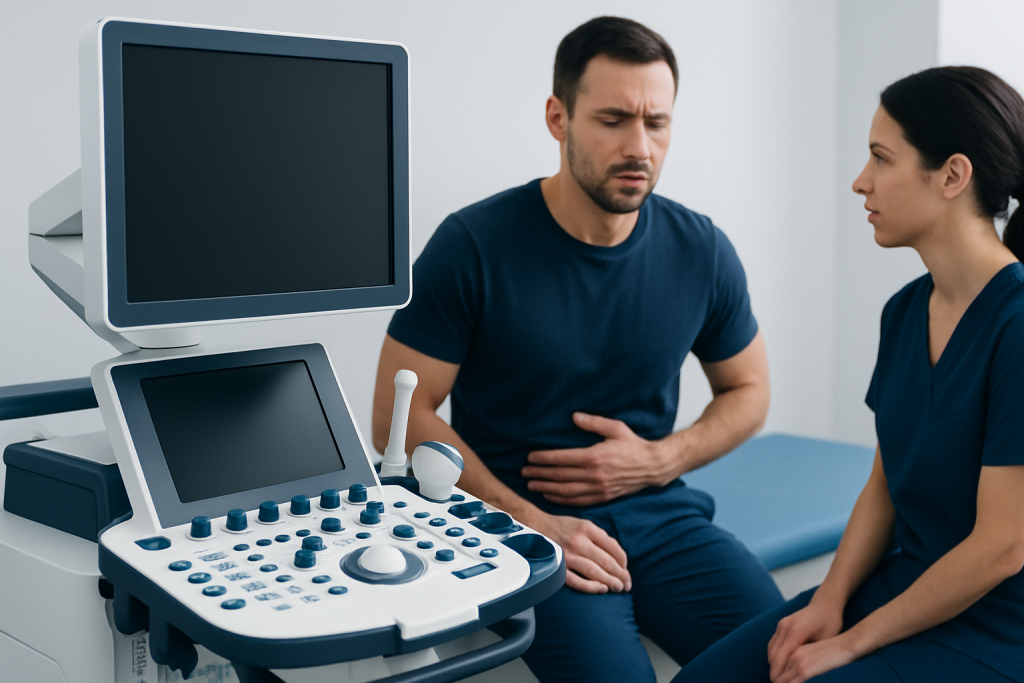
Because true male endometriosis is exceptionally uncommon, there is no routine symptom pattern the way there is in women. In the rare reported cases, symptoms have depended on where the tissue was found and what nearby structures it affected. Pain, a palpable lump, or signs related to the urinary or digestive tract have been the most likely clues.
More common symptoms that should be discussed with a doctor include:
- Persistent pelvic, groin, or lower abdominal pain
- A tender or enlarging lump in the groin, abdomen, or scar area
- Pain with urination or bowel movements
- Blood in the urine or stool
- Unexplained swelling or discomfort that does not improve
These symptoms do not point to endometriosis by themselves. They are broad signals that something is irritating or compressing tissue in the pelvis or abdomen, and many conditions can look similar at first.
Causes & Risk Factors

Classic endometriosis develops when endometrial-like tissue responds to hormones and grows outside the uterus. Since males do not have a uterus, the usual hormonal and anatomical pathway does not apply. That is why endometriosis is not considered a common male disease.
In the rare cases reported in men, doctors have considered several possible explanations. Some cases appeared in men receiving hormone therapy, especially treatment that changes estrogen-androgen balance. Others were linked to previous surgery, where tissue changes or implants may develop in scar tissue. Very occasionally, unusual cell behavior or developmental tissue remnants may be discussed as possible contributors.
Because these reports are so uncommon, there is no well-established male risk profile. Instead, doctors focus on the broader context: hormone exposure, prior operations, the exact location of the tissue, and whether the symptoms fit a more common diagnosis such as hernia, cyst, infection, or cancer.
Diagnosis
When a man has ongoing pelvic or abdominal symptoms, diagnosis begins with a careful medical history and physical examination. The doctor may ask about pain timing, prior surgery, hormone use, bowel or bladder changes, and whether a lump changes with movement or coughing. These details help separate a surgical problem from a urinary, gastrointestinal, or soft-tissue issue.
Imaging tests such as ultrasound, CT, or MRI may be used to look at the affected area in more detail. These tests can reveal masses, inflammation, or structural abnormalities, though they cannot always identify the exact tissue type. If the diagnosis remains uncertain, a biopsy or surgical removal may be needed to examine the tissue under a microscope.
For patients traveling for care, it is helpful to bring previous scans, operation notes, medication lists, and any hormone treatment history. A well-organized file can make the evaluation faster and more accurate, especially when care is being coordinated across countries.
Treatment Options
Treatment depends entirely on the cause of the symptoms and what the testing shows. If a rare endometriosis-like lesion is confirmed, doctors may recommend surgical removal, especially when the tissue is causing pain, pressure, or diagnostic uncertainty. In many situations, surgery also provides the tissue sample needed to confirm the diagnosis.
If hormone exposure is believed to be part of the picture, the care team may review whether any hormone treatment needs adjustment. However, hormone decisions should never be made casually; they require specialist guidance because they can affect many body systems. Pain control, monitoring, and follow-up imaging may also be part of the plan.
When the true cause is something else, treatment follows that diagnosis instead. A hernia may need repair, an infection may need antibiotics, and a suspicious mass may require an oncologic evaluation. The goal is not to label every pelvic symptom as endometriosis, but to identify the real source and treat it appropriately.
Prevention & Self-care
There is no known way for men to prevent endometriosis, mainly because the condition is not expected to occur in the first place. What can be prevented, or at least reduced, is delay in diagnosis. Paying attention to persistent symptoms and seeking evaluation early can keep a minor issue from becoming a prolonged one.
Practical self-care steps include:
- Noticing whether pain is linked to movement, meals, urination, or bowel habits
- Keeping a simple symptom record with dates and triggers
- Avoiding self-diagnosis when a lump or ongoing pain appears
- Bringing prior scans, surgery reports, and medication lists to appointments
For men recovering after surgery or coordinating assessment from abroad, recovery plans should be followed carefully. Rest, wound care, and any activity restrictions given by the surgeon should be respected even when symptoms begin to improve.
When to See a Doctor
A doctor should be consulted when pelvic, groin, urinary, or abdominal symptoms persist, recur, or interfere with daily life. A new lump, unexplained bleeding, fever, vomiting, or pain that worsens over time should never be brushed aside. These signs do not automatically mean something serious, but they do mean the body is asking for attention.
Men should also seek medical assessment if they have a history of hormone therapy and develop new unexplained pain or swelling. If there has been previous surgery, scar-related changes or hernias may be more likely, and imaging can help sort this out. Early evaluation is especially useful when traveling for care, because doctors can plan the most efficient tests and avoid unnecessary delays.
Acibadem Health Point’s multidisciplinary specialists and JCI-accredited hospitals diagnose and treat conditions like this for international patients, with coordinated assessment and follow-up when needed.
Living With Unexplained Pelvic Symptoms
Living with symptoms that do not fit an obvious pattern can be frustrating, particularly when the answer is not immediately clear. The reassuring point is that many causes of pelvic or abdominal discomfort are treatable once identified. The first step is not naming the condition too early, but making sure the correct one is not missed.
Patients often feel more in control when they understand the sequence of care: evaluation, imaging, tissue testing if needed, and a treatment plan based on the actual finding. That process is just as important for someone receiving care close to home as it is for someone crossing borders for specialized assessment.
With the right workup, most people can move from uncertainty to a clear diagnosis and a practical plan. That is the real goal behind asking, can males have endometriosis: not only to answer the question, but to guide the next best step when symptoms need attention.
Frequently asked questions
01Can males have endometriosis in the same way women do?
No. Classic endometriosis is a condition of tissue similar to the uterine lining growing outside the uterus, so it is not a typical male diagnosis. Very rare endometriosis-like cases have been reported in men, but they are exceptional and not the norm.
02What symptoms might suggest a rare endometriosis-like problem in a man?
Symptoms depend on the tissue’s location, but pelvic pain, a groin or abdominal lump, urinary discomfort, or bowel-related pain can prompt evaluation. These symptoms are not specific to endometriosis and are more often caused by other conditions.
03Is hormone therapy linked to endometriosis in men?
In some rare reported cases, hormone therapy has been considered a possible factor. However, this does not mean hormone therapy causes endometriosis in general, and any hormone-related symptoms should be reviewed by a qualified doctor.
04How do doctors confirm the diagnosis?
Doctors usually start with an exam and imaging studies such as ultrasound, CT, or MRI. If the cause remains unclear, tissue sampling or surgical removal may be needed to identify the exact problem.
05Could a groin lump be mistaken for endometriosis?
Yes, but much more commonly a groin lump is due to a hernia, cyst, swollen lymph node, or another soft-tissue problem. That is why a new lump should be medically assessed instead of assumed to be endometriosis.
06Should a man see a doctor for ongoing pelvic pain even if endometriosis is unlikely?
Yes. Persistent pain, swelling, blood in urine or stool, or urinary changes should be evaluated regardless of the suspected cause. Early assessment helps identify treatable conditions and rule out more serious problems.
This article is for general information only and is not a substitute for professional medical advice. Please consult a qualified doctor about your individual situation.
Persistent digestive symptoms? Get evaluated in Turkey
JCI-accredited · board-certified surgeons · reply within 24h
Add us as a Preferred Source to see more of our trusted health content across Google Search, AI Overviews and Discover.