Why Do I Get Diarrhea on My Period?

Key Takeaways
- Hormonal shifts around menstruation can speed up the intestines and cause loose stools.
- Prostaglandins may also contribute to cramps, nausea, and back pain during a period.
- Mild period-related diarrhea is often self-limited and can be eased with hydration and diet adjustments.
- Severe pain, blood in stool, fever, dehydration, or symptoms outside the period window should be checked by a doctor.
- Conditions such as endometriosis, IBS, or infection can mimic simple period-related diarrhea.
Diarrhea during a period is common and usually happens because hormone-like substances called prostaglandins affect the bowel as the uterus contracts. In many people, the pattern is short-lived and manageable, but persistent, severe, or unusual symptoms deserve medical review.
Overview
If someone asks, “why do i get diarrhea on my period,” the short answer is that the menstrual cycle can change how the bowel works. The same chemical messengers that help the uterus contract during menstruation can also make the intestines move faster, which may lead to loose stools, urgency, or more frequent bowel movements.
This is a common menstrual symptom and, by itself, does not usually mean something is seriously wrong. Still, the timing, severity, and associated symptoms matter. When bowel changes are predictable and mild, they often fit with normal cycle-related changes; when they are intense, prolonged, or happen at other times in the month, a clinician may look for another cause.
For people traveling for care or considering a specialist visit abroad, it helps to arrive with a simple symptom record: when the diarrhea starts, how long it lasts, whether it follows cramps, and whether there are symptoms such as fever, weight loss, or blood in the stool. That information can make a consultation more efficient and precise.
Symptoms
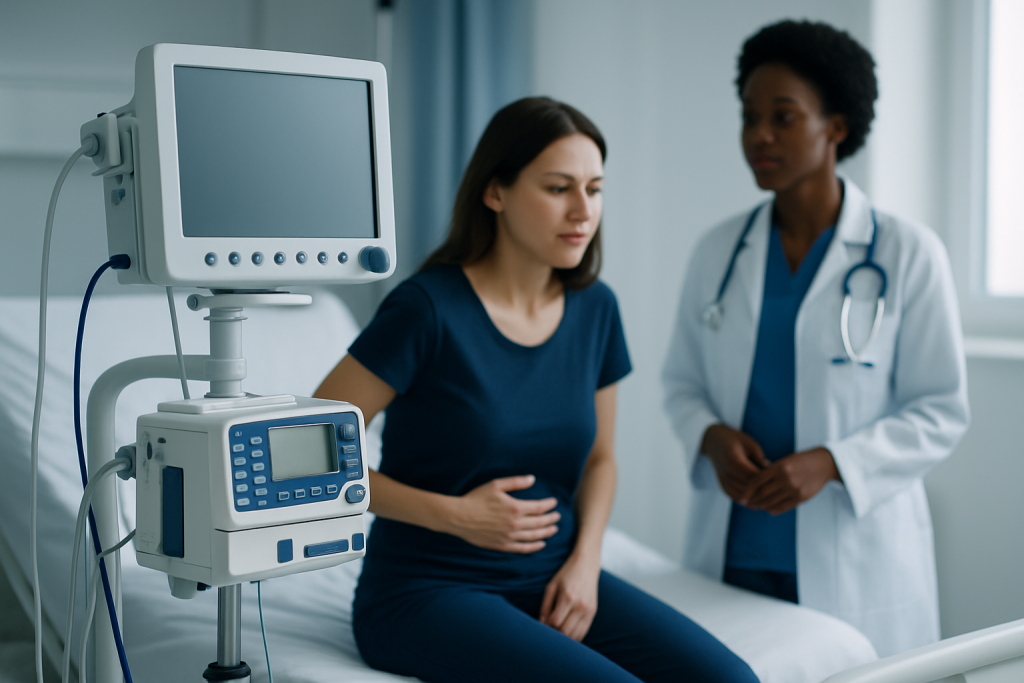
Period-related diarrhea often appears in the day or two before bleeding starts and may continue into the first days of the period. Some people notice one loose stool a day, while others have repeated urgency, cramping, or a sense that the bowel is “more active” than usual.
It may happen alongside familiar menstrual symptoms such as lower abdominal cramps, bloating, nausea, breast tenderness, headache, or fatigue. In some cases, the bowel symptoms feel more noticeable than the pelvic pain, which can make the period seem different from month to month.
Symptoms that suggest a more careful evaluation include:
- Blood in the stool
- Fever or vomiting
- Severe abdominal pain that is not typical for the person
- Diarrhea that lasts beyond the menstrual period
- Unintentional weight loss or nighttime bowel symptoms
Causes & Risk Factors
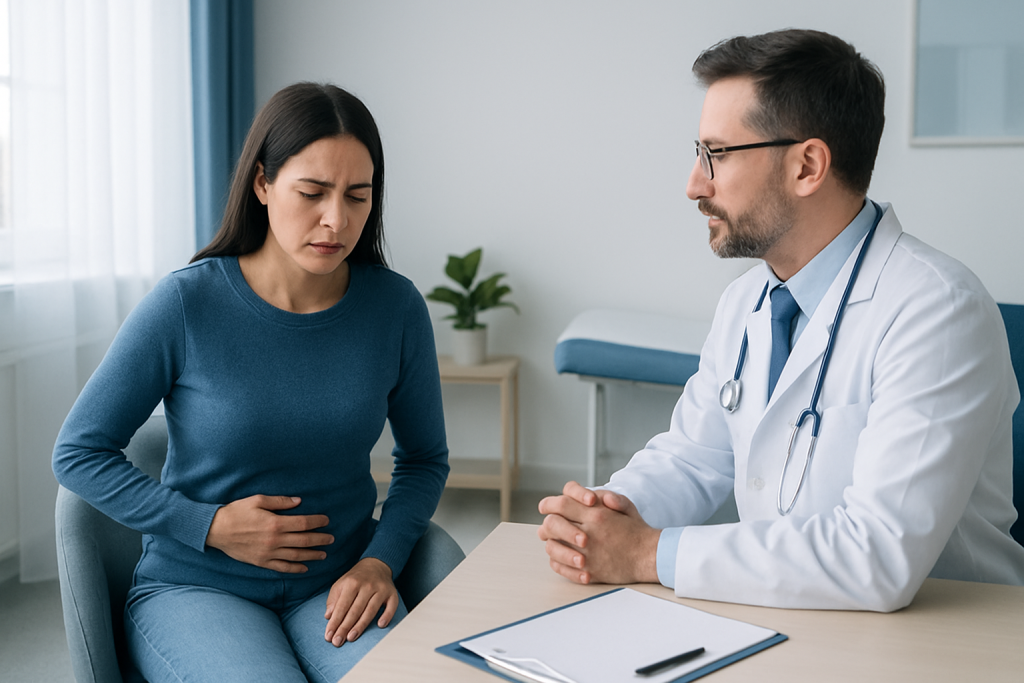
The main reason period-related diarrhea happens is the rise and fall of hormones during the menstrual cycle, especially the effect of prostaglandins. These natural chemicals help the uterus contract and shed its lining, but they can also stimulate the bowel, making stools looser and more frequent.
Hormonal shifts can also influence the balance between fluid movement and muscle contraction in the digestive tract. For some people, that means temporary diarrhea; for others, it can cause alternating bowel patterns, bloating, or cramping.
Several factors can make the symptom more noticeable:
- Having a sensitive bowel or irritable bowel syndrome
- Stronger menstrual cramps or heavier periods
- Endometriosis or other pelvic conditions
- Diet changes, stress, or poor sleep around the period
- Use of certain medicines or supplements that affect digestion
In an international-patient setting, clinicians may also ask about recent travel, new foods, or possible infections, because not every episode that happens during menstruation is caused by the period itself.
Diagnosis
There is no single test for “period diarrhea.” Diagnosis usually begins with a medical history, focusing on the timing of symptoms in relation to the menstrual cycle. A doctor will often ask whether the bowel changes happen only during menstruation or also at other times, and whether there are associated symptoms such as pain, nausea, or bleeding.
A physical examination may be enough when the pattern is mild and clearly menstrual. If the picture is less straightforward, the clinician may consider stool tests, blood tests, pelvic evaluation, or imaging, depending on the symptoms and the person’s medical history.
Persistent bowel symptoms that strongly track with periods can sometimes point to another condition, such as endometriosis or irritable bowel syndrome. Care is especially important when symptoms are new, progressively worse, or different from a person’s usual cycle.
Treatment Options
For many people, period-related diarrhea improves on its own once the period ends. Treatment is usually aimed at comfort, hydration, and reducing triggers rather than stopping the bowel from working completely.
General approaches may include drinking enough fluids, choosing easy-to-digest foods, and resting when possible. Some people find that smaller meals, less caffeine, and avoiding greasy or very spicy foods during the first days of the period help reduce urgency and cramping.
If cramps and bowel symptoms are closely linked, a doctor may discuss medicines that help menstrual pain or evaluate whether hormonal treatment could make cycles more manageable. When diarrhea is severe or another condition is suspected, the treatment plan is tailored to the underlying cause rather than the period alone.
Medical advice is particularly important before using over-the-counter anti-diarrheal medicines repeatedly, especially if there is fever, blood in the stool, or significant abdominal pain.
Prevention & Self-care
Not every episode can be prevented, but a few habits may make the days around menstruation easier on the digestive system. Tracking symptoms for several cycles can reveal patterns that help with planning food, work, travel, and rest.
Helpful self-care steps often include:
- Drinking water or oral rehydration fluids if stools are frequent
- Eating bland, familiar foods when the bowel is sensitive
- Limiting caffeine and alcohol during the first days of the period
- Managing stress with sleep, movement, or relaxation techniques
- Keeping a symptom diary that notes timing, stool changes, and menstrual pain
If the person is preparing for surgery, a fertility evaluation, or an overseas consultation, bringing a cycle diary and a list of medicines can improve the visit. That kind of preparation is especially useful when symptoms may overlap with digestive, gynecologic, or pelvic conditions.
When to See a Doctor
A doctor should evaluate period-related diarrhea if it is severe, recurrent, or interfering with daily life. It is also worth discussing if the symptom began recently, is getting worse over time, or does not follow the menstrual cycle in a predictable way.
Medical assessment is important when diarrhea comes with dehydration, fainting, fever, persistent vomiting, blood or black stools, or strong pain that feels unusual. The same applies if there are signs of anemia, very heavy periods, pain with sex, pain during bowel movements, or difficulty becoming pregnant, since these can sometimes point to endometriosis or another condition.
Acibadem Health Point’s multidisciplinary specialists and JCI-accredited hospitals diagnose and treat digestive and menstrual health concerns for international patients, with care plans that can be coordinated across specialties when needed. For many people, a timely review brings reassurance, clearer answers, and a more practical plan for future cycles.
Living With Cycle-Related Bowel Changes
Many people feel relieved to learn that loose stools during menstruation are common and often manageable. Understanding the pattern can reduce worry and make it easier to prepare for the first days of the period instead of being caught off guard.
What matters most is noticing whether the symptom behaves like a short-lived menstrual change or like a broader digestive problem. Keeping an eye on the full picture helps separate expected cycle effects from issues that deserve treatment.
When in doubt, a medical review can clarify what is normal for that person’s body and what is not. Clear guidance is especially helpful for those balancing work, travel, or fertility planning across different countries and time zones.
Frequently asked questions
01Is diarrhea during a period normal?
Yes, it is a common menstrual symptom for many people. Hormonal changes and prostaglandins can affect the bowel and make stools looser for a short time.
02Why does my period cause diarrhea and cramps at the same time?
The same prostaglandins that help the uterus contract can also stimulate the intestines. That is why bowel urgency and menstrual cramping often appear together.
03Can period diarrhea mean endometriosis?
It can, but not always. If bowel symptoms are severe, happen outside the period, or come with pain during sex, painful bowel movements, or fertility concerns, a doctor should evaluate for endometriosis or another condition.
04What foods help with diarrhea on my period?
Many people do better with simple, familiar foods and adequate fluids during the first days of bleeding. It often helps to reduce caffeine, alcohol, greasy foods, and very spicy meals until symptoms settle.
05Should I take medicine for period diarrhea?
Some people use over-the-counter medicines, but they are not appropriate in every situation. It is best to ask a doctor or pharmacist if there is fever, blood in the stool, strong pain, or repeated episodes.
06When should I worry about diarrhea during my period?
A medical review is sensible if the diarrhea is severe, lasts beyond the period, or comes with dehydration, fever, blood, or unusual pain. New or worsening symptoms should not be assumed to be only hormonal.
This article is for general information only and is not a substitute for professional medical advice. Please consult a qualified doctor about your individual situation.
Medical weight-loss options in Turkey — costs & eligibility
JCI-accredited · board-certified surgeons · reply within 24h
Add us as a Preferred Source to see more of our trusted health content across Google Search, AI Overviews and Discover.