Who Is a Good Candidate for Bariatric Contouring After Major Weight Loss?

Bariatric contouring can help remove excess skin and reshape the body after major weight loss. The best candidates usually have a stable weight, realistic expectations, and overall health that supports safe surgery and recovery.
Overview: What Bariatric Contouring Means
Bariatric contouring refers to plastic surgery procedures used to reshape the body after major weight loss. Many people who lose a large amount of weight, whether through lifestyle changes or Body Contouring After Bariatric Surgery: When Is the Right Time?" class="ahp-ilk">bariatric surgery, are left with stretched skin and soft tissue that do not fully tighten on their own. This can affect the abdomen, arms, chest, thighs, buttocks, and other areas.
The main goal of bariatric contouring is to remove excess skin and improve body shape, comfort, and function. For some people, the benefits are not only cosmetic. Loose folds of skin may trap moisture, cause rubbing, make exercise harder, or lead to recurrent irritation and difficulty with clothing fit and hygiene.
Procedures are tailored to the individual and may include bariatric contouring, body contouring procedures, an arm lift, or a buttock lift, among others. The right approach depends on weight history, skin quality, medical condition, and the areas that cause the most concern.
Who Is Usually a Good Candidate?
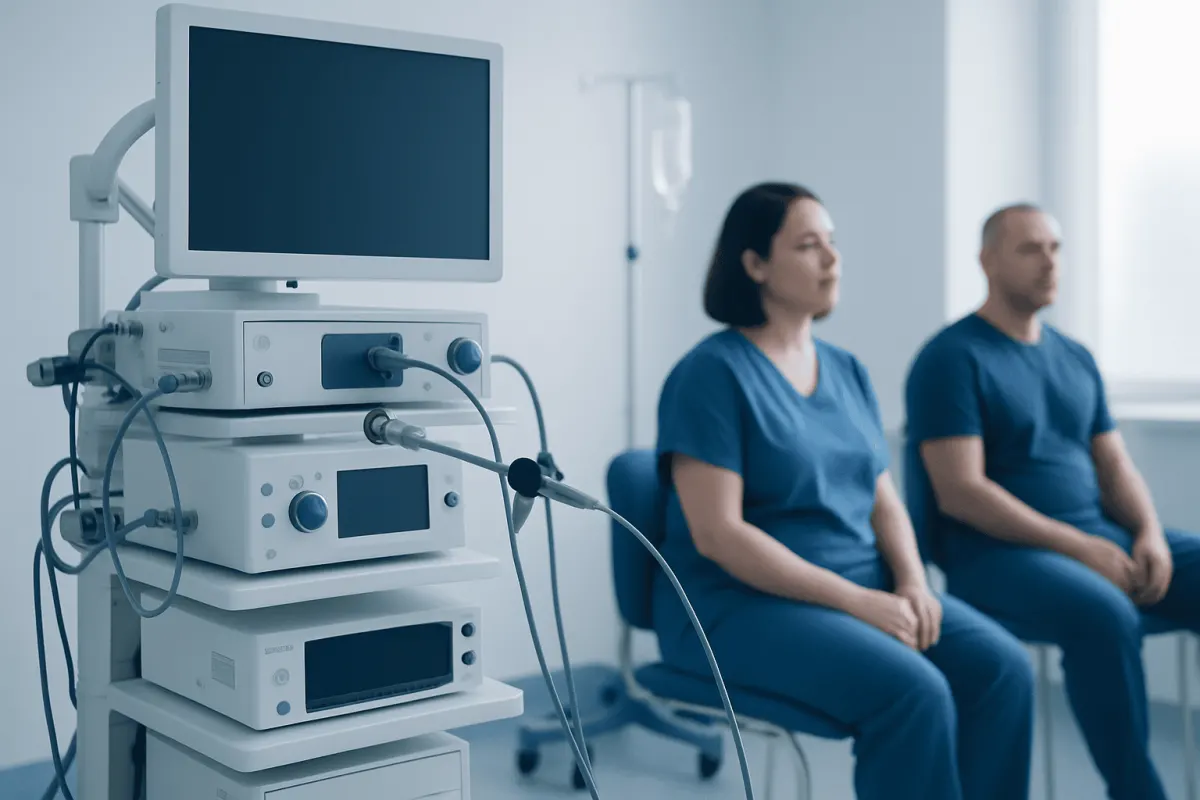
A good candidate for bariatric contouring is typically an adult who has completed the main phase of weight loss and is close to a healthy, maintainable weight. Surgeons usually look for weight stability over time, because ongoing weight loss or regain can change the results and may increase the chance of complications.
Most suitable candidates have excess loose skin that causes physical or emotional concerns. These concerns may include skin chafing, rashes, hygiene problems, limits in exercise, or dissatisfaction with body shape despite substantial weight loss. Bariatric contouring can be especially meaningful when these issues affect daily life and self-confidence.
Good overall health is another key factor. Candidates should ideally have controlled medical conditions, adequate nutrition, and no active infections or untreated wounds. Emotional readiness matters as well. The best candidates generally understand what surgery can and cannot achieve and are prepared for scars, recovery time, and the possibility that treatment may be done in stages.
Signs Someone May Not Be Ready Yet
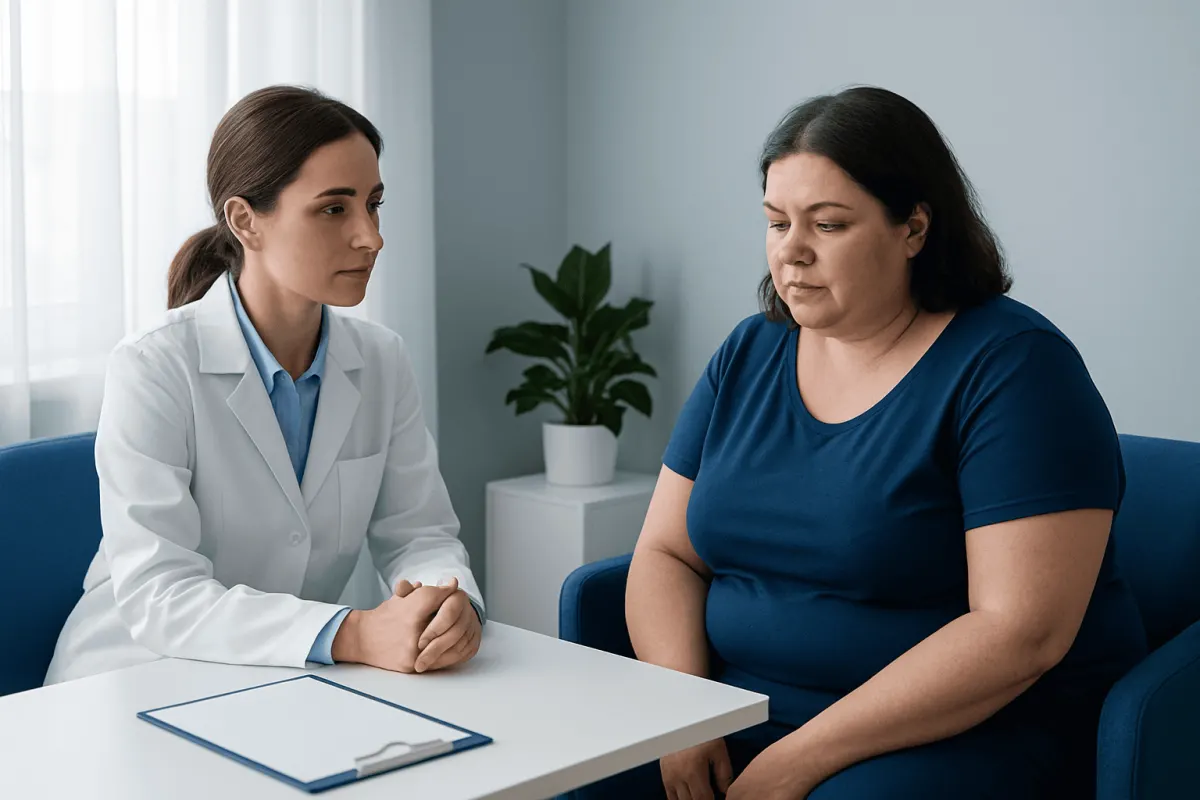
Not everyone is ready for bariatric contouring at the same time. A person may be advised to wait if weight is still changing, if there are untreated medical issues, or if nutritional deficiencies are present. After major weight loss, low levels of protein, iron, vitamins, or other nutrients can affect healing and should be corrected before surgery when possible.
Smoking and nicotine use are also major concerns. Nicotine reduces blood flow to healing tissues and increases the risk of wound problems, skin loss, and infection. Surgeons commonly ask patients to stop smoking and avoid nicotine products well before and after the operation.
Other reasons to delay surgery can include uncontrolled diabetes, severe heart or lung disease, pregnancy plans in the near future, or expectations that are not realistic. For example, bariatric contouring can improve shape and remove excess tissue, but it does not create perfection and does not replace healthy eating, exercise, or long-term weight management.
Common Areas of Concern After Major Weight Loss
After major weight loss, excess skin often affects several body regions at once. The abdomen is one of the most common problem areas, but the upper arms, thighs, breasts or chest, buttocks, face, and neck may also be affected. Skin can appear deflated, droopy, or uneven because the deeper supportive tissues were stretched over time.
These changes are not always only about appearance. Large skin folds can make movement uncomfortable, contribute to poor posture, or cause repeated friction and rashes. In some cases, trapped moisture may worsen inflammation or contribute to skin breakdown. If there are persistent sores or friction-related problems, a doctor may also consider whether conditions such as pressure ulcers or other skin problems need treatment first.
Men who have lost significant weight may also notice sagging in the chest area or persistent fullness that can overlap with concerns seen in gynecomastia. In some patients, scar tendencies are part of the discussion too, especially if there is a history of raised or thick scars such as keloid scars. These details help surgeons plan safely and set appropriate expectations.
How Doctors Assess Candidacy
An evaluation for bariatric contouring usually begins with a detailed consultation. The surgeon asks about weight history, how the weight loss was achieved, current health conditions, previous operations, medications, allergies, and whether the weight has remained stable. They also review areas of loose skin, skin quality, and whether symptoms such as chafing, rashes, or hygiene difficulties are present.
A physical examination helps determine which procedures may be helpful and whether they should be combined or staged. Staging means doing surgery in more than one operation to improve safety and recovery. The surgeon may also check for hernias, scar patterns from earlier abdominal or bariatric surgery, and signs of poor healing risk.
Laboratory tests and medical clearance may be recommended, especially for people with a history of obesity-related health conditions. Nutrition is an important part of the assessment. Patients may need testing for protein status, iron, vitamin B12, folate, or other deficiencies depending on their medical history and prior weight-loss procedures.
During the consultation, surgeons also discuss goals, expected scars, and recovery. Photographs may be taken for planning. Clear communication is essential so that the patient understands both the likely benefits and the limitations of surgery.
Treatment Options and What to Expect
Bariatric contouring is not a single operation. It is a group of procedures chosen according to the areas affected. Treatment may involve removing extra skin, tightening underlying tissue, and reshaping certain body regions. Depending on the person’s anatomy and goals, surgery may focus on one area first or address multiple areas in a carefully selected sequence.
Some patients need mainly skin removal, while others may benefit from additional contouring techniques. In selected cases, surgeons may combine tissue reshaping with liposuction to improve contour, although liposuction alone does not treat significant skin laxity. The exact plan depends on skin elasticity, remaining fat distribution, prior scars, and overall health.
Recovery varies by procedure and by how many areas are treated. Swelling, bruising, temporary discomfort, and activity restrictions are common during the early healing period. Scars are expected, but they usually fade over time and are positioned as discreetly as possible. Following postoperative instructions carefully is important for healing and the best possible result.
Because these surgeries are individualized, patients should ask what level of improvement is realistic, how many stages may be needed, and what support will be required during recovery. Near the end of the care journey, some international patients may choose centers such as Acıbadem Health Point, where multidisciplinary specialists in JCI-accredited hospitals evaluate and treat body contouring needs after major weight loss.
Preparing for Surgery and Supporting Recovery
Preparation can make a meaningful difference in safety and healing. Before bariatric contouring, patients are usually advised to maintain a steady weight, follow a balanced diet with enough protein, and keep chronic conditions such as diabetes or high blood pressure well controlled. Stopping smoking and nicotine use is one of the most important steps for reducing wound-healing complications.
It is also helpful to plan practical support for the recovery period. Depending on the operation, help may be needed with transportation, meals, household tasks, or childcare during the first days or weeks. Wearing recommended garments, attending follow-up visits, and moving as advised can support recovery and reduce complications.
Emotional preparation matters too. People often feel encouraged by the improvement in body shape, but recovery can take time, and final results are not immediate. Swelling gradually settles, scars mature over months, and the body continues to adapt. A clear understanding of the timeline can make the process feel more manageable and reassuring.
When to Speak With a Plastic Surgeon
It may be time to speak with a plastic surgeon when loose skin remains a significant problem after weight loss and has not improved with time. A consultation is also reasonable when excess skin leads to repeated rashes, discomfort with movement, clothing difficulties, or distress about body shape despite successful weight reduction.
People who are unsure whether they are ready do not need to decide on surgery immediately. A consultation can simply provide guidance on timing, health preparation, likely options, and whether waiting would be safer or more beneficial. This can be especially helpful for those who have had bariatric surgery and want to understand how nutrition and weight stability affect planning.
Urgent medical review is important if there are signs of infection, non-healing sores, severe skin irritation, or sudden changes in general health. In all cases, decisions about body contouring should be made with a qualified plastic surgeon who can give personalized advice based on the individual’s history, goals, and examination findings.
Frequently asked questions
01How long should weight be stable before bariatric contouring?
Many surgeons prefer weight to be stable for several months before surgery. The exact timing varies, but stable weight helps make results more predictable and may reduce the need for revision if the body continues to change.
02Is bariatric contouring the same as weight-loss surgery?
No. Bariatric contouring is a plastic surgery approach used after major weight loss to remove excess skin and improve body shape. It is not designed to cause major weight loss and does not replace healthy lifestyle habits.
03Can someone have more than one area treated at the same time?
Sometimes, yes. Whether procedures can be combined depends on the person’s health, the complexity of surgery, expected operating time, and safety considerations. In many cases, surgeons recommend a staged plan to balance results with recovery and risk.
04Will there be visible scars after bariatric contouring?
Yes, scars are expected because excess skin must be removed through incisions. Surgeons usually place scars as strategically as possible, and they often fade over time, but they do not disappear completely.
05What health issues can affect candidacy for bariatric contouring?
Uncontrolled medical conditions, poor nutrition, active infection, and smoking can all increase surgical risk. A history of wound-healing problems, blood clots, or significant heart and lung disease may also affect whether surgery is advised and how it is planned.
06Does insurance cover bariatric contouring?
Coverage varies by country, insurer, and the reason for surgery. Procedures done mainly for appearance are often treated differently from those considered medically necessary because of severe rashes, functional problems, or recurrent skin issues.
This article is for general information only and is not a substitute for professional medical advice. Please consult a qualified doctor about your individual situation.
Medical weight-loss options in Turkey — costs & eligibility
JCI-accredited · board-certified surgeons · reply within 24h
Add us as a Preferred Source to see more of our trusted health content across Google Search, AI Overviews and Discover.