White Blood Cell in Urine During Pregnancy: Safety, Risks and Guidance

Key Takeaways
- White blood cell in urine during pregnancy often points to inflammation or infection, most commonly a urinary tract infection.
- A single abnormal urine test does not confirm a serious problem; the sample may need to be repeated or cultured.
- Pregnancy changes make prompt evaluation important because untreated urinary infection can become more complicated.
- Treatment depends on the cause and may include antibiotics that are considered safe in pregnancy, hydration, and follow-up testing.
- Many urinary issues in pregnancy are manageable when they are identified early and assessed by a qualified doctor.
White blood cell in urine during pregnancy can be a sign of infection, irritation, or sometimes a sample that was not collected cleanly. It should be reviewed by a clinician, because urinary changes in pregnancy are common and some need timely treatment.
Overview
Finding white blood cell in urine during pregnancy usually means the urine contains leukocytes, cells that the body sends when there is irritation or infection in the urinary tract. In many cases, the result is linked to a urinary tract infection, but it can also appear after a contaminated sample or from other, less common causes of inflammation.
For an expectant mother, the result is worth attention rather than panic. Pregnancy changes the urinary system in ways that can make infection more likely, and some urinary infections need treatment even when symptoms are mild. The goal is to understand what the test is suggesting, confirm it if needed, and choose the right next step with a clinician.
This is especially important for people arranging care across borders. If pregnancy follow-up is being coordinated with an international clinic, the urine result should be shared with the obstetric team together with any symptoms, prior infections, and current medications. That helps the doctor decide whether repeat testing, a urine culture, or treatment is the most appropriate route.
Symptoms and What the Result May Mean
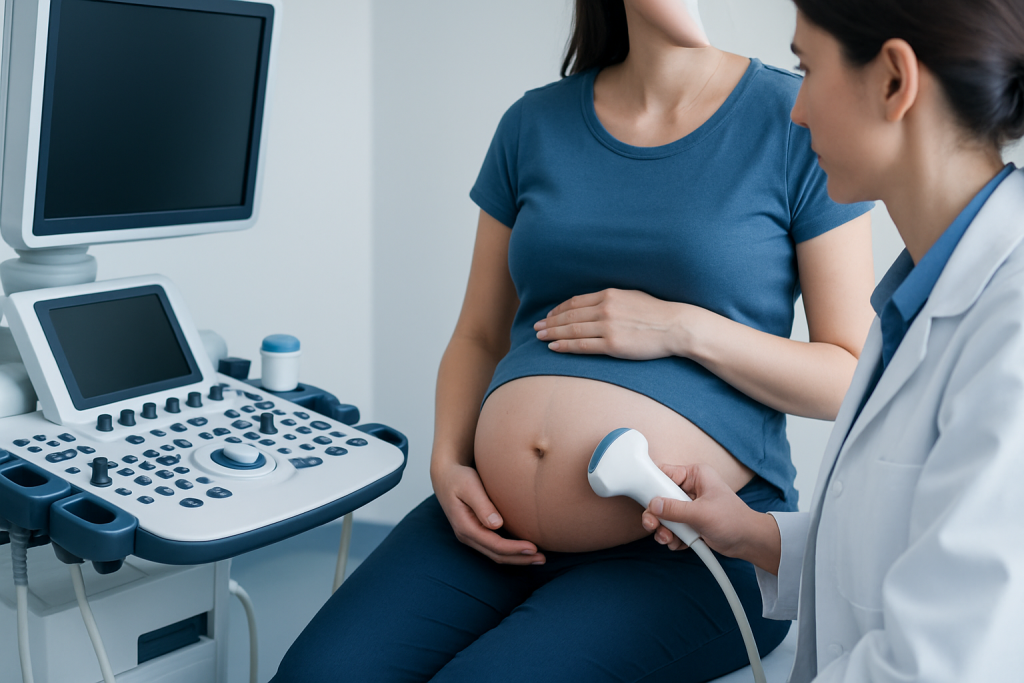
White blood cells in urine do not cause symptoms by themselves; they are a test finding. When they are present because of a urinary tract infection, a pregnant patient may notice burning during urination, frequent urination, urgency, lower abdominal discomfort, cloudy urine, or a stronger-than-usual smell.
Sometimes there are no symptoms at all. This is one reason routine urine testing matters during pregnancy. A person can have bacteria or inflammation in the urinary tract without feeling unwell, and the result may only be seen on screening.
Not every positive urine test points to infection. A sample can pick up white blood cells from vaginal secretions, skin, or an area of local irritation if collection was not clean. Less commonly, white blood cells in urine may relate to kidney stones, kidney inflammation, sexually transmitted infections, or other urinary conditions that require a doctor’s assessment.
Causes and Risk Factors

The most common explanation for white blood cell in urine during pregnancy is a urinary tract infection. Pregnancy itself increases the chance of UTI because hormonal changes can slow urine flow and the growing uterus can put pressure on the bladder and ureters. When urine moves more slowly, bacteria may have more opportunity to multiply.
Other possible causes include contamination of the urine sample, vaginal infection, dehydration, recent sexual activity, or a catheter-related irritation if one was used. In some cases, the test reflects inflammation from a kidney stone or an infection higher up in the urinary tract.
Risk is higher in people who have had UTIs before pregnancy, have diabetes, have structural urinary tract issues, or have difficulty emptying the bladder fully. A history of recurrent urinary infections or a previous pregnancy complicated by UTIs also deserves mention at the first antenatal visit.
Diagnosis
Doctors usually begin with a urine dipstick or urinalysis. This can show white blood cells, nitrites, red blood cells, protein, or bacteria-related changes. Because the test is only a starting point, it is often followed by a urine culture if infection is suspected or if the result needs clarification.
A clean-catch midstream sample is important. The patient is usually asked to clean the area first and collect urine in a sterile container without touching the inside. This reduces contamination and makes the result more reliable.
If symptoms suggest a more significant infection, the clinician may ask about fever, back pain, nausea, or chills and may check for tenderness over the kidneys. In some situations, additional tests such as blood work or imaging may be considered, especially if the symptoms are not typical or if kidney involvement is suspected.
Treatment Options
Treatment depends on the cause of the white blood cells. If a urinary tract infection is confirmed or strongly suspected, a doctor may prescribe an antibiotic that is considered appropriate in pregnancy. The exact choice is individualized, based on the type of infection, local resistance patterns, allergies, and pregnancy stage.
If the result appears to be from contamination and there are no signs of infection, the doctor may repeat the urine test before deciding on treatment. That approach helps avoid unnecessary medicine and keeps attention focused on the real source of the finding.
More complicated infections, such as kidney infection, generally need faster and closer medical care. Some patients may require hospital assessment, IV fluids, or intravenous antibiotics if they are unable to keep fluids down, have fever, or show signs that the infection is more serious. Follow-up testing is often used after treatment to make sure the urine has cleared.
Self-treatment with leftover antibiotics or non-prescribed remedies is not advised in pregnancy. A clinician should choose medication so that both mother and baby are protected as well as possible.
Prevention and Self-care
Simple habits can reduce the chance of urinary trouble during pregnancy, although they do not replace medical evaluation when a test is already abnormal. Drinking enough fluids, not delaying urination, and emptying the bladder fully can help support urinary health.
Good hygiene also matters. Wiping from front to back, wearing breathable underwear, and avoiding harsh perfumed products around the genital area may reduce irritation and contamination. Some people also find that urinating after intercourse helps lower the risk of infection.
For those who are prone to recurrent UTIs, prevention may include more frequent urine checks during pregnancy and a personalized plan from the obstetric team. If care is being arranged from another country, it is helpful to keep copies of urine results and treatment notes so follow-up is consistent after travel.
- Drink fluids regularly unless a doctor has advised otherwise.
- Do not ignore burning, urgency, fever, or back pain.
- Take any prescribed antibiotic exactly as directed by the treating clinician.
- Attend follow-up urine tests if they are recommended.
When to See a Doctor
Any white blood cell in urine during pregnancy should be discussed with a healthcare professional, especially if it is paired with symptoms or repeated test abnormalities. Even when the person feels well, the result may need confirmation because untreated infection can become more complicated during pregnancy.
Medical review is particularly important if there is fever, chills, back or side pain, vomiting, blood in the urine, contractions, reduced fetal movement, or trouble passing urine. These symptoms do not always mean an emergency, but they deserve prompt assessment the same day.
If the patient is traveling for maternity care, the safest plan is to contact the obstetric provider before starting any medication on their own. Acibadem Health Point’s multidisciplinary specialists and JCI-accredited hospitals diagnose and treat urinary and pregnancy-related concerns for Myomectomy Recovery: Healing Time, Activity Limits, and Fertility Planning" class="ahp-ilk">Myomectomy Recovery for International Patients: The Usual Travel Timeline" class="ahp-ilk">international patients, with care that can be coordinated before and after travel.
In the end, the most useful approach is practical: confirm the finding, identify the cause, treat only when needed, and keep the pregnancy team informed. That keeps decision-making steady and helps protect both maternal health and the pregnancy journey.
Outlook and Follow-up
Most causes of white blood cell in urine during pregnancy are manageable, especially when recognized early. A straightforward infection often improves with the right treatment, and a contaminated sample may simply require repeat testing rather than medication.
Follow-up matters because pregnancy is a time when urinary infections are taken seriously, even if symptoms are mild at first. Doctors may recheck urine after treatment or monitor more closely if there is a history of recurrent infection.
With timely review and the right guidance, the finding can usually be handled calmly and effectively. The key is not to self-interpret the result in isolation, but to place it in the context of the whole pregnancy picture.
Frequently asked questions
01Is white blood cell in urine during pregnancy always a sign of infection?
No. It often suggests a urinary tract infection, but it can also appear because of a contaminated sample or other irritation. A clinician may repeat the test or order a urine culture to confirm the cause.
02Can white blood cells in urine harm the baby?
The white blood cells themselves do not harm the baby. The concern is the condition behind the result, especially if it is an untreated urinary infection that could become more complicated during pregnancy.
03What should a pregnant patient do after an abnormal urine test?
The safest step is to contact the obstetric team or the clinician who ordered the test. They may ask about symptoms, repeat the urine sample, or send it for culture before deciding on treatment.
04Do all pregnant people with white blood cells in urine need antibiotics?
Not necessarily. Antibiotics are used when infection is confirmed or strongly suspected, but a contaminated sample or mild, noninfectious irritation may not need them. The decision should come from a qualified doctor.
05How can a urine sample be collected more accurately during pregnancy?
A clean-catch midstream sample is usually preferred. Cleaning the area first and collecting urine midstream in a sterile container helps reduce contamination from skin or vaginal secretions.
06When is white blood cell in urine during pregnancy urgent?
It needs prompt medical attention if there is fever, back or side pain, vomiting, blood in the urine, contractions, or difficulty passing urine. These symptoms can suggest a more significant infection and should be assessed quickly.
This article is for general information only and is not a substitute for professional medical advice. Please consult a qualified doctor about your individual situation.
Explore treatments in Turkey — costs, top hospitals & a free quote
JCI-accredited · board-certified surgeons · reply within 24h
Add us as a Preferred Source to see more of our trusted health content across Google Search, AI Overviews and Discover.