Which Face Skin Tightening Procedure Fits You?
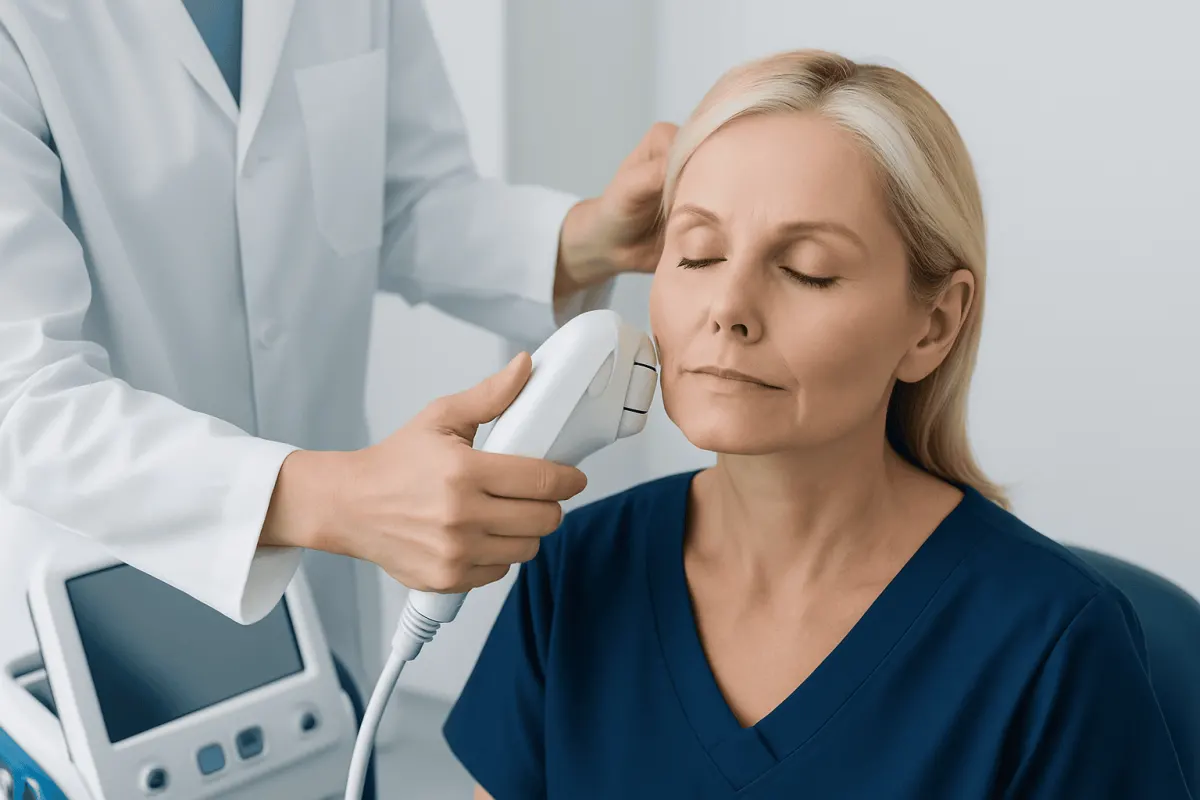
The best skin tightening procedure for face is the one matched to the degree of skin laxity, facial anatomy, expectations and tolerance for recovery. Non-surgical treatments can provide gradual, modest tightening, while facelift surgery remains the most effective option for substantial loose skin and deeper tissue descent.
Overview: Choosing Facial Skin Tightening Safely
The best skin tightening procedure for face depends primarily on whether the concern is mild crepey skin, early jowling, loss of facial volume, deeper sagging, or a combination of these changes. For mild laxity, non-surgical options such as radiofrequency, focused ultrasound, or fractional laser treatment may encourage gradual collagen remodeling. For significant loose skin and descended facial tissues, a surgical facelift generally produces the greatest visible lifting effect.
A safe choice begins with an in-person assessment rather than a trend, device name, or before-and-after photograph. A clinician should examine skin thickness, elasticity, pigmentation risk, scars, facial proportions, volume loss and health conditions that could affect healing. They should also explain what each option can realistically improve, how long recovery may take, and the possible side effects.
Skin tightening is not the same as volume restoration or wrinkle treatment. Fillers may restore selected areas of volume, neuromodulator injections can soften expression lines, and resurfacing can improve texture, but these approaches do not remove substantial excess skin. Many people benefit from a carefully planned combination rather than a single procedure.
What Is the Safest Skin Tightening Procedure?
The safest skin tightening procedure is not one specific treatment for everyone. Safety depends on appropriate patient selection, the clinician’s training, the device or surgical technique used, skin type, medical history, and proper aftercare. In general, non-invasive treatments have less downtime and fewer serious risks than surgery, but their results are usually more subtle and variable.
Radiofrequency and focused ultrasound treatments are commonly used for mild to moderate laxity. They heat tissue at controlled depths to stimulate collagen remodeling over time. Temporary redness, tenderness, swelling, numbness or uneven results can occur. Rare complications may include burns, changes in pigmentation, fat loss or nerve irritation, particularly when treatment is poorly performed or unsuitable for the individual.
A facelift is a surgical procedure and therefore involves more substantial risks, including bleeding, infection, scarring, delayed healing, nerve injury and anesthesia-related complications. However, when performed by an appropriately qualified plastic surgeon in a suitable surgical setting, it can be an appropriate and effective option for people with marked laxity. A consultation should include discussion of medications, smoking or nicotine use, prior procedures, bleeding risk and realistic goals.
People should avoid unregulated devices, non-medical settings and providers who promise dramatic results without examining the face. A reputable clinician will discuss alternatives, limitations, expected recovery and warning signs to report after treatment.
What Procedure Takes 10 Years Off Your Face?

No procedure can reliably or ethically promise to make every person look 10 years younger. Perceived facial age is influenced by skin laxity, sun damage, facial volume, bone structure, wrinkles, pigmentation, hair changes and overall health. Results are also subjective: the change that feels dramatic to one person may appear subtle to another.
For people with substantial lower-face and neck laxity, facelift surgery can create the most significant overall rejuvenation because it repositions deeper tissues and removes or redistributes excess skin. Depending on individual needs, a surgeon may discuss procedures involving the face, neck, eyelids, brow or skin resurfacing. These treatments should only be combined when medically appropriate and when the expected benefits outweigh added recovery and risk.
For mild early changes, non-surgical treatments can improve skin quality and create modest tightening, but they generally do not produce the same degree of lifting as surgery. Injectable treatments may complement tightening by addressing expression lines or localized volume loss, but excessive use can look unnatural. A natural-looking result should preserve individual facial character rather than aim for a fixed age-related outcome.
What Are the Most Effective Skin Tightening Treatments Available in 2026?
In 2026, the most effective treatment still depends on the concern being treated. A surgical facelift remains the most effective established option for major skin laxity of the cheeks, jawline and neck. It addresses structural descent that non-surgical energy devices cannot fully correct. Results can be long-lasting, although normal aging continues and outcomes vary between individuals.
For mild to moderate laxity, commonly used non-surgical approaches include radiofrequency-based treatments, microfocused ultrasound, radiofrequency microneedling and some fractional laser treatments. These options may stimulate collagen production and improve texture, fine lines and firmness gradually over several months. The degree of tightening is usually limited compared with surgery, and some people need more than one session or maintenance treatment.
Fractional laser resurfacing can be particularly helpful when rough texture, fine wrinkles and sun-related changes accompany mild laxity. However, it may not be suitable for every skin type or medical history because healing and pigment changes need consideration. Professional laser skin resurfacing should be selected only after an assessment of skin tone, active skin conditions and recovery needs.
Thread lifts and injectable biostimulatory products may be offered in some settings, but their suitability and evidence base differ by product and technique. A clinician should explain the expected scale and duration of improvement, as well as risks such as asymmetry, infection, visible material, nodules or vascular complications. Treatments described as new or minimally invasive should not be assumed to be risk-free.
What Do Dermatologists Recommend for Tightening Skin?
Dermatologists commonly recommend first identifying the main cause of the appearance of looseness. Skin may look less firm because of collagen loss, sun damage, weight changes, reduced facial volume, dynamic wrinkles or true excess skin. A treatment plan is more useful when it addresses the relevant cause rather than relying on a single approach for every concern.
Daily broad-spectrum sunscreen, protective clothing, avoiding tanning and not smoking are central recommendations because ultraviolet exposure and tobacco accelerate collagen breakdown and impair healing. A simple skincare routine with gentle cleansing, moisturizing and clinician-guided use of topical retinoids or other active ingredients may improve skin texture over time. Topical products cannot lift marked sagging, but they can support skin health and complement procedures.
For procedural care, dermatologists may recommend an energy-based treatment for appropriate mild laxity, resurfacing for texture concerns, or referral to a facial plastic or plastic surgeon when substantial lifting is desired. The best recommendation is individualized and should account for darker or easily pigmented skin, a history of keloid scarring, acne, eczema, rosacea, herpes simplex outbreaks, autoimmune conditions, pregnancy, implanted devices and medicines that affect healing.
Photographs taken in consistent lighting can help establish a realistic baseline and monitor change. A responsible clinician will also advise against having repeated treatments too close together or pursuing correction of very minor asymmetries that may be normal features of the face.
Preparing for Treatment and Supporting Results
Before any facial tightening procedure, patients should provide a complete medical history and list of medicines, supplements and allergies. It is important to disclose prior facial surgery, fillers, implants, cosmetic devices, tendency to abnormal scars, bleeding conditions and any history of cold sores. The treating clinician may recommend specific preparation based on the planned procedure; people should not stop prescribed medication unless advised by the clinician managing their care.
Smoking and nicotine products can reduce blood flow and delay healing, especially after surgery. Clinicians commonly advise stopping these products well in advance of an elective procedure and avoiding them during recovery. Limiting sun exposure before and after treatment is also important, as tanned or inflamed skin may increase the risk of pigment changes with some procedures.
Aftercare varies widely. Non-surgical treatments may involve temporary swelling, redness or sensitivity, while surgery requires a longer recovery period with wound care, activity restrictions and scheduled follow-up. Patients should use recommended skincare only, protect the skin from sunlight, and contact their clinical team if they are unsure whether a symptom is expected.
Acıbadem Health Point’s multidisciplinary specialists and JCI-accredited hospitals assess and treat facial aesthetic concerns for international patients, with plans based on individual anatomy, health status and goals.
When to Seek Medical Care
People should seek prompt medical advice after a cosmetic procedure if they develop worsening pain, rapidly increasing swelling, spreading redness, fever, drainage from a wound, skin blistering, a change in skin color, new weakness of facial movement, vision changes or shortness of breath. These symptoms do not always indicate a serious problem, but they require timely assessment.
Medical evaluation is also important before elective treatment when facial changes are sudden, one-sided, painful or associated with numbness, weakness, unexplained weight loss or a new lump. These symptoms should not be assumed to be normal aging or treated only with cosmetic procedures.
A dermatologist or plastic surgeon can help determine whether the concern is cosmetic, skin-related or requires evaluation for another medical condition. People with active infection, uncontrolled chronic illness or significant concerns about appearance affecting daily wellbeing may benefit from discussing the safest timing and type of care with a qualified healthcare professional.
Frequently asked questions
01Which non-surgical treatment tightens facial skin best?
There is no universal best non-surgical treatment. Radiofrequency, focused ultrasound, radiofrequency microneedling and fractional laser treatments may help mild laxity, but each targets tissue differently. A clinician can recommend an option based on skin type, location of laxity, texture concerns and desired downtime.
02Can creams tighten loose facial skin?
Moisturizers can temporarily improve the appearance of fine lines by hydrating the outer skin layer. Retinoids and certain other topical ingredients may support collagen and improve texture over time when used appropriately. However, creams cannot remove excess skin or create the lifting effect of surgery.
03How long do non-surgical skin tightening results last?
Results vary by treatment, the degree of laxity, natural aging and lifestyle factors such as sun exposure and smoking. Collagen remodeling often develops gradually over weeks to months, and some treatments require maintenance. The treating clinician can provide a more individualized estimate after assessment.
04Is a facelift better than radiofrequency or ultrasound?
A facelift is generally more effective for substantial loose skin and deeper tissue descent because it surgically repositions tissues. Radiofrequency and ultrasound may be appropriate for people with mild laxity who prefer less downtime and accept more modest improvement. These options are not direct equivalents; they address different levels of change.
05At what age should someone consider facial skin tightening?
There is no correct age to begin treatment. Skin changes occur at different rates depending on genetics, sun exposure, weight changes, skin type and health. The decision should be based on the individual's concerns, physical assessment and informed understanding of possible benefits and risks.
06Can facial skin tightening procedures be combined with fillers or Botox?
They can sometimes be combined, but timing and suitability should be decided by a qualified clinician. Fillers address selected areas of volume loss, while neuromodulators can reduce movement-related lines; neither replaces treatment for significant loose skin. Combining procedures may improve balance in some patients but can also add cost, recovery needs and potential side effects.
This article is for general information only and is not a substitute for professional medical advice. Please consult a qualified doctor about your individual situation.
Explore treatments in Turkey — costs, top hospitals & a free quote
JCI-accredited · board-certified surgeons · reply within 24h
Add us as a Preferred Source to see more of our trusted health content across Google Search, AI Overviews and Discover.