Which Doctor Should You See for Back Pain?
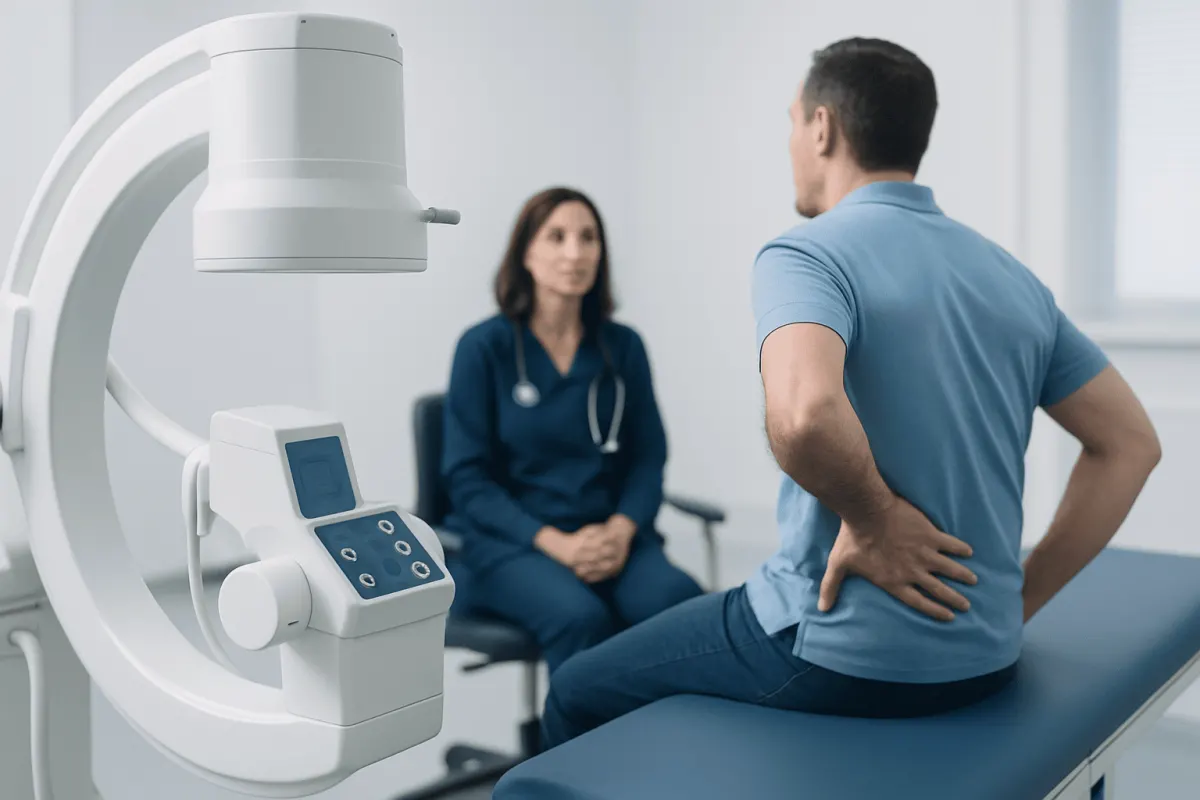
The best doctor for back pain depends on the severity, duration and pattern of symptoms. A primary care doctor can assess most new back pain and coordinate care, while urgent evaluation or specialist care may be needed for severe pain, nerve symptoms, injury or persistent problems.
Overview: Choosing the Best Doctor for Back Pain
The best doctor for back pain is the clinician whose expertise matches the person’s symptoms, medical history and examination findings. For most new episodes, a primary care doctor, family physician or general practitioner is the best doctor to go to for back pain because they can check for warning signs, begin conservative treatment and arrange referral when appropriate.
Back pain is a symptom rather than a single diagnosis. It may arise from muscles, joints, discs, nerves, inflammatory conditions, bone changes or, less commonly, another medical condition. Care should therefore focus on identifying the likely source of pain and its effect on mobility, sleep, work and daily life—not simply on obtaining a scan or pursuing one procedure.
People seeking the best doctor for chronic back pain may benefit from a coordinated approach. This can include primary care, physical therapy, rehabilitation medicine, pain medicine and, when indicated, spine surgery or other specialty care. The aim is to improve function, reduce symptoms safely and address contributing factors over time.
Which Specialist Is Right for Back Problems?
A primary care doctor is often the appropriate starting point for back pain lasting days to a few weeks, particularly when there has been no major injury and there are no warning signs. They can review medical conditions and medicines, perform a neurologic and musculoskeletal examination, recommend safe activity and decide whether blood tests, imaging or referral are needed.
A physical medicine and rehabilitation physician, also called a physiatrist, may be especially helpful for ongoing pain, reduced movement or difficulty returning to daily activities. These specialists focus on non-surgical care, rehabilitation and function. A physical therapist can also provide an individualized program for movement, strengthening, posture and confidence with activity.
An orthopedic spine specialist or neurosurgeon may be consulted when there is a structural spine problem, such as a disc herniation with persistent nerve compression, spinal narrowing, instability or fracture, and when symptoms do not improve with appropriate non-surgical care. A surgical consultation does not mean surgery will be recommended; it helps clarify whether an operation could be useful.
Other referrals depend on the pattern of symptoms. A neurologist may assess unclear nerve-related symptoms, while a rheumatologist may evaluate inflammatory back pain, such as persistent stiffness that improves with movement and begins at a younger age. Pain medicine specialists can help with complex, long-lasting pain using a multimodal plan rather than relying on one treatment alone.
What Kind of Doctor Should I See for Extreme Back Pain?

For extreme back pain, the first decision is whether urgent or emergency assessment is needed. Emergency care is appropriate when severe pain occurs with new or worsening leg weakness, loss of sensation around the buttocks or genitals, new difficulty controlling urine or stool, fever or serious illness, or pain after a significant accident or fall. These symptoms can occasionally signal conditions that need prompt treatment.
If pain is severe but none of these warning signs is present, an urgent appointment with a primary care doctor, urgent care clinician or spine-focused clinician may be appropriate. The clinician can assess strength, reflexes, sensation, walking and other signs that help distinguish muscle-related pain from nerve compression or another cause.
The best doctor for severe back pain is not always a surgeon. Many severe episodes improve with carefully selected non-surgical measures, including advice on activity, short-term symptom relief options when suitable, rehabilitation and follow-up. Referral to a spine specialist is generally guided by examination findings, symptom duration and response to initial care.
When to Seek Medical Care
Medical assessment is sensible when back pain is severe, lasts longer than a few weeks, repeatedly returns, spreads below the knee, causes tingling or numbness, or interferes substantially with sleep, work or self-care. A clinician should also review pain that is unexplained, steadily worsening or associated with unintended weight loss, a history of cancer, immune suppression, osteoporosis or long-term steroid use.
Seek urgent medical care for new bowel or bladder changes, numbness in the saddle area, increasing weakness in one or both legs, high fever with back pain, or back pain after major trauma. Children, older adults and people who are pregnant or have significant medical conditions may need individualized advice sooner.
It is helpful to tell the clinician when symptoms began, what makes them better or worse, whether pain travels into a leg, any recent injury, and any past treatments. Bringing a current medication list and prior imaging reports, if available, can support a safer, more efficient evaluation.
What Are the Big 3 for Lower Back Pain?
The phrase “big 3” for lower back pain commonly refers to three core trunk-stability exercises popularized in some rehabilitation programs: the modified curl-up, side plank and bird-dog. These exercises are intended to build trunk endurance while limiting repeated spinal bending or twisting. They are not a universal prescription, and they may not suit every diagnosis or stage of recovery.
Technique, exercise selection and progression matter more than completing a named routine. For some people, movements that are comfortable and gradual may be useful; for others, a different approach is needed because of nerve irritation, osteoporosis, recent surgery, inflammatory disease or another condition. Pain that clearly worsens, spreads down the leg or produces weakness should be assessed rather than pushed through.
A physical therapist or rehabilitation clinician can tailor exercises to the individual’s movement tolerance, strength, work demands and goals. A broader plan may also include walking or other low-impact activity, hip and trunk strengthening, pacing, sleep support and practical changes to reduce repeated strain.
What's the Worst Thing You Can Do for Back Pain?
One of the least helpful approaches for most uncomplicated back pain is prolonged bed rest or avoiding all movement out of fear. Extended inactivity can reduce strength and confidence, increase stiffness and make returning to normal activity more difficult. Brief rest may be needed during an intense flare, but gentle movement within comfortable limits is usually encouraged unless a clinician advises otherwise.
Other unhelpful choices include ignoring progressive neurologic symptoms, repeatedly lifting or twisting through severe pain, using another person’s prescription medicines, or starting aggressive exercise without considering the cause of pain. Imaging results should also be interpreted carefully: age-related disc and joint changes are common and do not always explain pain or require invasive treatment.
Good self-care is usually gradual rather than extreme. Remaining as active as symptoms allow, changing positions regularly, using safe lifting techniques and following a clinician-guided rehabilitation plan can support recovery. For persistent pain, addressing stress, sleep disturbance and low mood can also be part of comprehensive care because these factors can influence pain experience and function.
What Not to Say to a Pain Specialist?
There is no “wrong” way to describe pain to a specialist. Honest, specific information helps the clinician build the safest plan. Rather than feeling pressure to use medical terms or minimize symptoms, patients can describe where pain is felt, how it behaves, how it affects activities and sleep, what has been tried, and what outcomes matter most to them.
It is important not to withhold information about medicines, alcohol or substance use, mental health concerns, previous procedures or treatments received elsewhere. This information is not about judgment; it helps prevent medication interactions, duplicate testing and unsafe combinations of treatments.
A useful conversation includes realistic goals. It can be helpful to say, “I would like to walk farther, sleep better or return to work more comfortably,” rather than focusing only on eliminating every sensation immediately. Pain specialists can explain the benefits, limits and risks of options such as rehabilitation, behavioral pain-management strategies, medicines or selected procedures.
Diagnosis, Treatment and Ongoing Support
Diagnosis begins with a detailed history and physical examination. Clinicians may check posture, range of motion, strength, reflexes, sensation and gait. Imaging such as X-ray, MRI or CT is usually reserved for suspected fracture, infection, cancer, significant nerve compression or symptoms that persist despite appropriate care, because early scans often do not change treatment for uncomplicated pain.
Non-surgical treatment is commonly the first step. Depending on the cause and the individual, it may include education, graded activity, physical therapy, short-term medicine options, heat or other comfort measures, and support for sleep and daily function. Some people with persistent nerve-related pain or specific spine conditions may be considered for image-guided procedures or surgical evaluation after a careful assessment.
Acıbadem Health Point’s multidisciplinary specialists and JCI-accredited hospitals assess and treat back pain for international patients, coordinating rehabilitation, pain management and spine expertise when needed. The best doctor to visit for back pain is ultimately one who listens carefully, explains the likely causes clearly and helps develop a plan that is appropriate for the individual’s needs and safety.
Frequently asked questions
01Should I see an orthopedic doctor or neurologist for back pain?
An orthopedic spine doctor is often consulted for suspected bone, joint, disc or spinal alignment problems, especially if surgery may need consideration. A neurologist may be useful for unclear numbness, weakness or nerve symptoms. Many people should begin with primary care, which can direct referral based on the examination.
02What doctor is best for chronic back pain?
The best doctor for chronic back pain is often a primary care clinician working with rehabilitation, physical therapy or pain medicine specialists. The right combination depends on whether symptoms are mainly mechanical, nerve-related, inflammatory or linked to another health condition. Surgery is considered only for selected structural problems or persistent neurologic symptoms.
03Do I need an MRI for back pain?
Not usually. For most new, uncomplicated low back pain, an MRI does not improve early treatment and may show common age-related changes that are not the source of symptoms. A clinician may recommend imaging when warning signs, significant neurologic findings, trauma or persistent symptoms suggest it could change care.
04Can severe back pain get better without surgery?
Yes. Many episodes of severe back pain improve with time, guided activity, rehabilitation and appropriate symptom management. The need for surgery depends on the underlying cause, neurologic findings, impact on function and response to non-surgical treatment.
05How can I prepare for a back pain appointment?
Patients can note when pain started, its location, whether it travels into a leg, what triggers or relieves it, and how it affects sleep and activities. They should bring medication lists, previous test results and information about injuries, medical conditions and prior treatments. Reporting new weakness, numbness or bladder or bowel changes is especially important.
06Is it safe to exercise with lower back pain?
Gentle activity is often safe and helpful for uncomplicated lower back pain, but the right exercises depend on the symptoms and diagnosis. Activities should be modified if they sharply increase pain, cause pain to spread into a leg or are associated with weakness or numbness. A physical therapist can provide individualized guidance.
This article is for general information only and is not a substitute for professional medical advice. Please consult a qualified doctor about your individual situation.
Joint and spine care in Turkey — expert assessment & treatment
JCI-accredited · board-certified surgeons · reply within 24h
Add us as a Preferred Source to see more of our trusted health content across Google Search, AI Overviews and Discover.