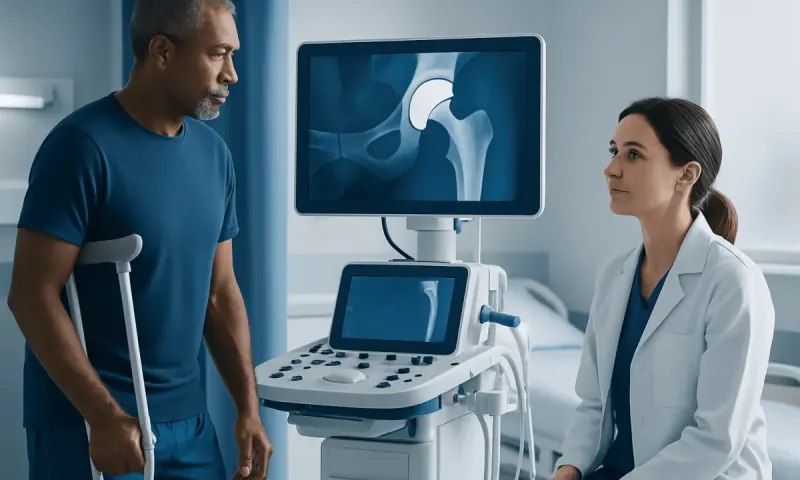
Which Country Is Best for Knee Replacement Surgery?
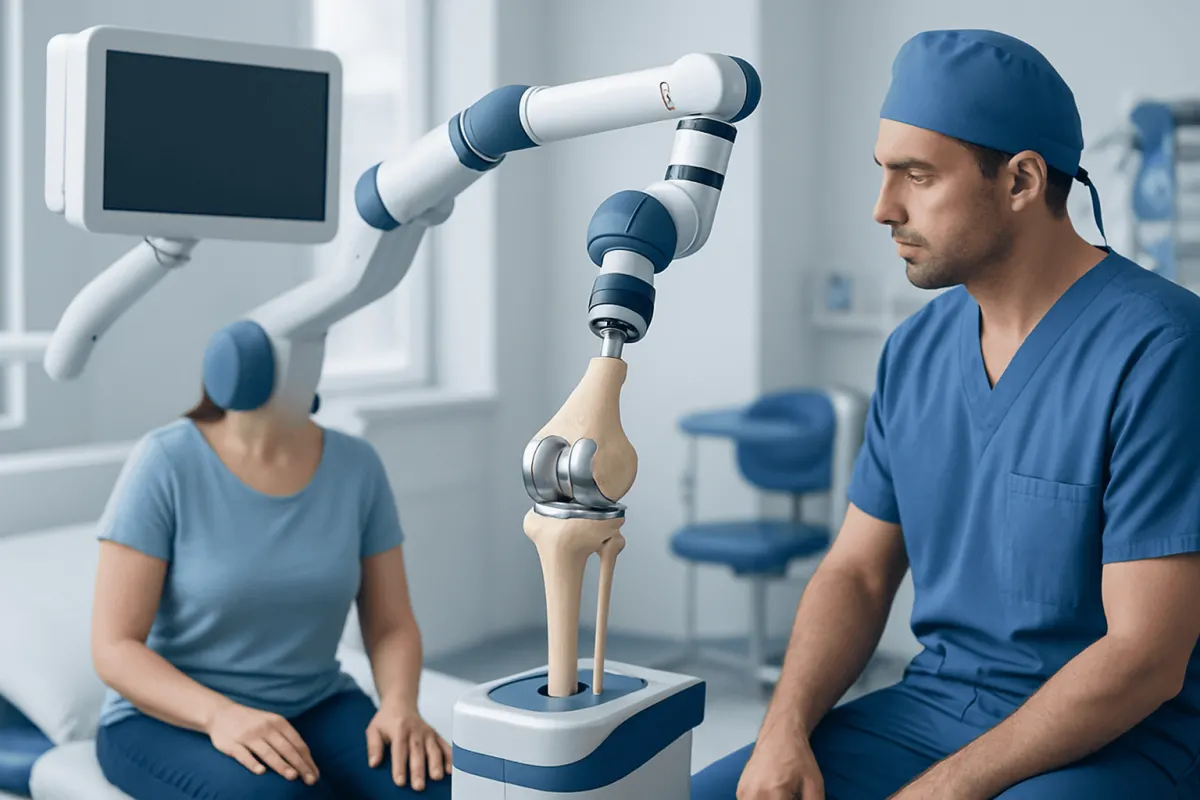
The best country for Replacement Surgery: Candidates, Implant Types, and Recovery" class="ahp-ilk">knee replacement surgery is not the same for every person. A safe choice depends on hospital accreditation, the orthopedic team's experience, access to rehabilitation, transparent communication, and a realistic plan for care before and after travel.
Overview: choosing the best country for knee replacement surgery
The best country for knee replacement surgery is the country and hospital that can provide safe, coordinated care for an individual patient’s needs. Rather than relying on rankings or broad claims, patients should compare accredited hospitals, orthopedic surgeon experience, anesthesia and infection-control standards, rehabilitation services, language support, and arrangements for follow-up after returning home.
Knee replacement, also called knee arthroplasty, replaces damaged joint surfaces with artificial components. It is most often used for advanced osteoarthritis, but it may also help selected people with inflammatory arthritis or damage after injury. The goal is to reduce persistent pain and improve movement when appropriate nonsurgical options no longer provide enough relief.
People considering treatment abroad should approach the decision as a complete care journey, not simply a surgical trip. This includes confirming the diagnosis, discussing alternatives, preparing medically, completing rehabilitation, and having a clear plan if questions or complications arise after travel.
When knee replacement may be considered
Knee replacement may be considered when knee pain and stiffness substantially affect walking, sleep, work, self-care, or valued activities. A clinician will usually first discuss nonsurgical measures, such as targeted exercise, weight management where appropriate, activity modification, walking aids, pain-relief strategies, and injections in selected cases. These approaches can help many people, although they do not reverse advanced joint damage.
Candidacy is based on symptoms and their effect on daily life, examination findings, imaging, overall health, and personal goals. Age alone does not determine whether surgery is appropriate. The orthopedic team also considers conditions such as diabetes, heart or lung disease, osteoporosis, obesity, smoking, infection risk, blood-clot risk, and the ability to participate in rehabilitation.
Patients with arthritis affecting only one part of the knee may be candidates for partial knee replacement rather than total replacement. A detailed orthopedic assessment can explain whether a knee replacement procedure is suitable and which type may best match the pattern of joint damage.
How to evaluate a destination and hospital safely
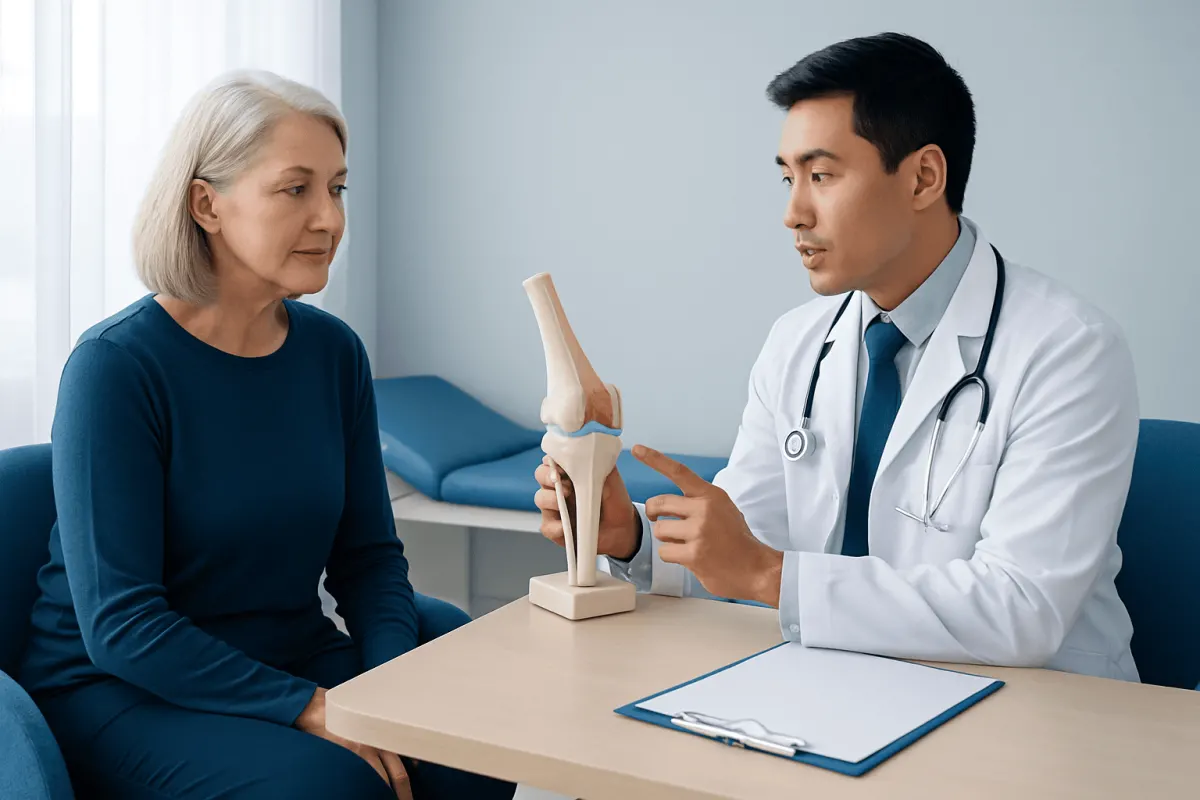
Where is the best place in the world to get a knee replacement? The best place is an accredited hospital with an experienced orthopedic team that can deliver safe surgery and structured aftercare for that patient’s clinical and travel circumstances. International patients should look for recognized quality accreditation, clear surgeon credentials, reliable diagnostic services, modern operating-room standards, and access to intensive care or other specialist support if needed.
It is useful to ask practical questions before committing: Who will perform the operation? How is the implant choice made? What infection-prevention and blood-clot-prevention measures are used? How soon does rehabilitation start? What is included in the discharge plan? How long should the patient remain locally before flying? A reputable provider should answer these questions clearly and provide written information in a language the patient understands.
What country does the best knee replacements? No country can be named as universally best because outcomes vary between hospitals, teams, procedures, and patients. Countries with established orthopedic services may offer high-quality care, but a hospital’s governance, clinician experience, rehabilitation pathway, and continuity of care are more meaningful indicators than nationality alone. Patients should also verify local regulations, visa requirements, travel insurance coverage, and access to follow-up care at home.
- Check independent hospital accreditation and regulatory oversight.
- Confirm the orthopedic surgeon’s training and experience with the proposed procedure.
- Ask for an individualized medical review rather than a treatment decision based only on scans sent remotely.
- Make sure rehabilitation, medication, wound care, and urgent-contact plans are documented.
- Discuss fitness for travel and the safest timing of the return journey.
How knee replacement surgery works: the procedure step by step
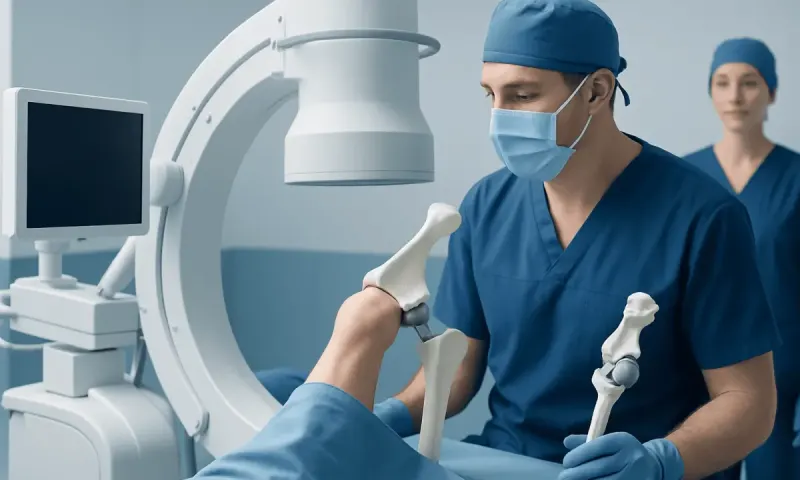
During total knee replacement, the surgeon removes a small amount of damaged bone and cartilage from the end of the thighbone and top of the shinbone. The joint surfaces are then covered with carefully sized metal components, often with a durable plastic spacer between them to allow smooth movement. In some cases, the undersurface of the kneecap is also resurfaced. The components may be fixed with bone cement or, in selected cases, a design intended to allow bone to grow onto the implant.
Before surgery, the team reviews medical history, medications, allergies, imaging, blood tests, anesthesia needs, and infection risks. On the day of surgery, anesthesia may be general, spinal, or a combination of techniques, depending on the person’s health and the anesthesiologist’s assessment. The surgical team cleans the skin carefully, gives preventive antibiotics when indicated, and takes measures to reduce blood loss and clot risk.
After the damaged surfaces are prepared, the surgeon tests knee alignment, stability, and range of motion before closing the incision. Patients wake in a recovery area where pain, circulation, breathing, and blood pressure are monitored. Early movement is usually encouraged under professional guidance, often beginning on the day of surgery or the following day.
The operation is one part of treatment. Recovery depends on pain management, wound care, gradual strengthening, walking practice, and regular physiotherapy. A clear rehabilitation plan is particularly important for patients who will continue their recovery in another country.
Benefits, risks and recovery timeline
The main potential benefits of knee replacement are less pain, improved walking ability, better sleep, and greater independence in daily activities. Results vary, and the new knee may not feel exactly like a natural joint. Patients generally gain the most benefit when they understand the rehabilitation process, follow their care plan, and have realistic goals for recovery.
All major surgery has risks. These include infection, blood clots in the leg or lungs, bleeding, wound problems, stiffness, persistent pain, nerve or blood-vessel injury, implant loosening or wear over time, and the possible need for further surgery. The team reduces risk through preoperative assessment, sterile surgical practice, preventive medication when appropriate, early mobility, and close postoperative monitoring. Individual risks should be discussed directly with the surgeon and anesthesiologist.
Recovery begins immediately but takes time. Many patients stand and walk short distances with a walker or crutches soon after surgery. The early weeks focus on wound healing, controlling swelling, restoring knee movement, and safely increasing activity. Over the following months, strength, endurance, and confidence continue to improve. The exact timeline differs according to the procedure, baseline fitness, other health conditions, and commitment to rehabilitation.
What’s the hardest knee surgery to recover from? Recovery is often more demanding after revision knee replacement, which replaces or repairs a previous implant, than after a first-time uncomplicated knee replacement. Surgery after severe trauma, infection, major stiffness, or significant bone loss can also be complex. However, recovery difficulty is individual, and the orthopedic team can explain what to expect for a specific operation.
Life after surgery and practical self-care
Physiotherapy is central to recovery. Exercises prescribed by the rehabilitation team help restore range of motion, build leg strength, improve balance, and support a normal walking pattern. Patients should progress gradually, use mobility aids as advised, and contact their clinician rather than pushing through severe or worsening pain.
What can you never do again after knee surgery? Most people are not permanently forbidden from normal daily activities, and many return to walking, swimming, cycling, golf, and other low-impact exercise. However, repetitive high-impact activities, such as running or jumping sports, may increase stress on the implant and are often discouraged, particularly without the surgeon’s approval. Deep kneeling, twisting, or high-risk contact activities may also remain uncomfortable or unsuitable for some people.
Good long-term self-care includes keeping follow-up appointments, maintaining a healthy body weight where possible, staying physically active within medical guidance, and protecting the knee from falls. Patients should tell healthcare professionals about their joint replacement before future procedures. They should not start, stop, or change medicines, including blood-thinning medicines, without advice from their treating team.
For international patients, the discharge plan should include a copy of operative and implant records, medication instructions, physiotherapy recommendations, and contact details for postoperative questions. Acıbadem Health Point’s multidisciplinary specialists and JCI-accredited hospitals diagnose and treat knee conditions for international patients, with care planning that can include surgery and rehabilitation coordination.
When to seek medical care
People should arrange a medical assessment for persistent knee pain, swelling, stiffness, reduced movement, or difficulty walking that does not improve with reasonable self-care. Assessment is also important if knee symptoms are limiting sleep, work, or independence. Prompt review can identify whether symptoms may be related to osteoarthritis, an injury, inflammatory disease, or another condition requiring different treatment.
After knee surgery, urgent medical advice is needed for fever, increasing redness or drainage from the incision, rapidly worsening pain or swelling, calf pain or swelling, chest pain, shortness of breath, or sudden inability to move the foot or toes normally. These symptoms do not always mean there is a serious complication, but they should be assessed promptly.
Patients planning surgery abroad should also seek advice from their surgeon before booking return travel. The treating team can assess wound healing, mobility, clot risk, and whether travel arrangements remain appropriate. Continuing care with a qualified clinician at home is an important part of safe recovery.
Frequently asked questions
01Where is the best place in the world to get a knee replacement?
The best place is a hospital that matches the patient's medical needs and provides safe, continuous care. Important factors include recognized accreditation, an experienced orthopedic team, strong infection prevention, rehabilitation services, clear communication, and a plan for follow-up after travel.
02What country does the best knee replacements?
There is no single country that provides the best knee replacements for everyone. Quality depends more on the individual hospital, surgeon, clinical standards, implant selection process, and recovery support than on the country alone.
03How long does recovery from total knee replacement take?
Most people begin walking with assistance soon after surgery, but recovery continues over several months. Early rehabilitation focuses on movement and safe walking, while strength and endurance usually improve gradually with consistent physiotherapy.
04What can you never do again after knee surgery?
There is no universal list of activities that every person must avoid forever. However, surgeons often advise limiting repetitive high-impact activities and avoiding movements that cause pain, instability, or excessive stress on the implant. Individual recommendations depend on recovery, implant type, fitness, and personal goals.
05What's the hardest knee surgery to recover from?
Revision knee replacement is often more complex to recover from than a first-time knee replacement because it may involve scar tissue, bone loss, or removal of an existing implant. Recovery can also be more difficult when surgery is needed after infection, severe injury, or marked joint stiffness.
06How long should someone stay in the treatment country after knee replacement?
The appropriate length of stay varies based on the operation, mobility, wound healing, medical history, and travel distance. The surgical team should assess the patient before travel and provide individualized guidance about flying, blood-clot prevention, and follow-up arrangements.
This article is for general information only and is not a substitute for professional medical advice. Please consult a qualified doctor about your individual situation.
Joint and spine care in Turkey — expert assessment & treatment
JCI-accredited · board-certified surgeons · reply within 24h
Add us as a Preferred Source to see more of our trusted health content across Google Search, AI Overviews and Discover.