Laser Cataract Surgery: How Vision Clears Afterward
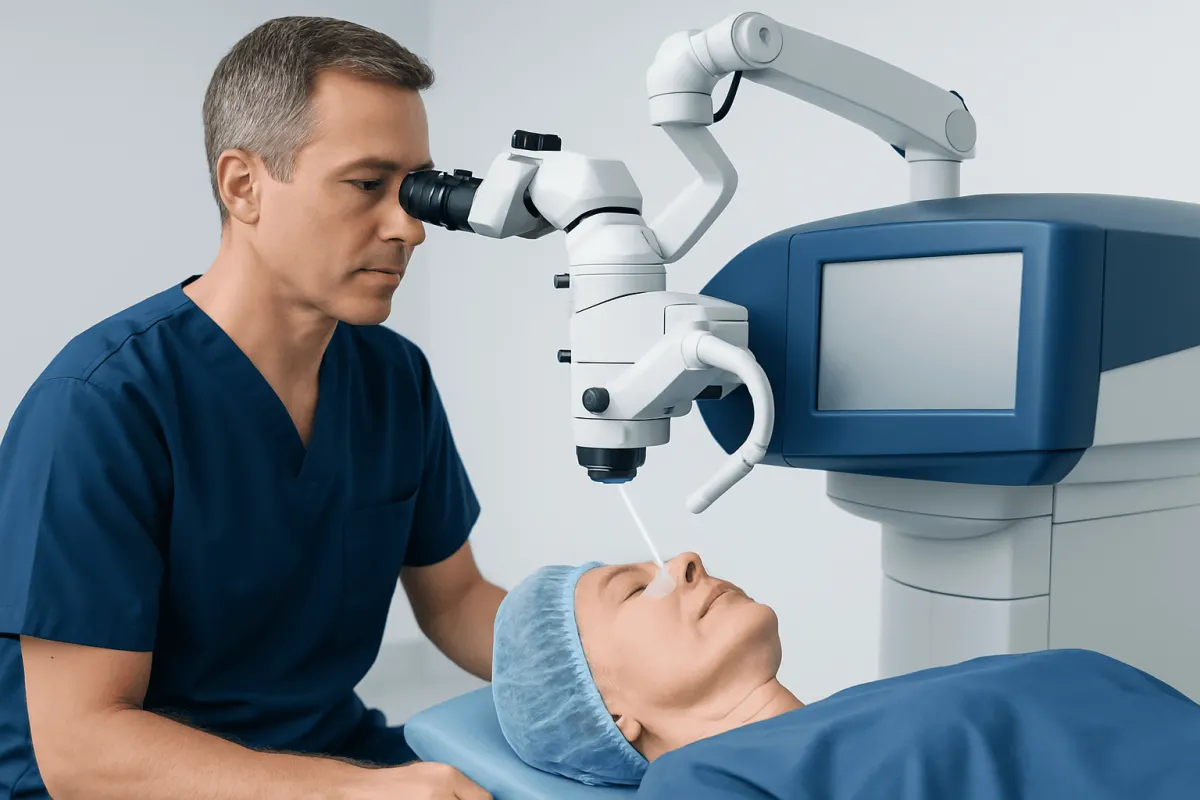
Laser cataract surgery is a form of cataract surgery in which a femtosecond laser performs selected steps before the cloudy natural lens is removed and replaced with an artificial intraocular lens. It is generally painless with local anaesthetic, and most people resume light activities within a few days while vision continues to settle over several weeks.
Overview: What Is Laser Cataract Surgery?
Laser cataract surgery, also called femtosecond laser-assisted cataract surgery, is an option for treating a cataract: clouding of the eye’s natural lens that can make vision hazy, faded, dim or more sensitive to glare. During the procedure, a highly precise laser helps create small incisions, open the front part of the lens capsule and soften the cataract. The ophthalmic surgeon then removes the cloudy lens and inserts a clear artificial lens, called an intraocular lens (IOL).
The laser supports specific steps of surgery rather than replacing the surgeon. Standard cataract surgery uses handheld instruments and ultrasound energy to perform the same overall process. Both approaches are widely used, and the most suitable option depends on the person’s eye health, the cataract, the selected lens and the surgeon’s clinical assessment.
A cataract is usually related to ageing, although it may also occur after eye injury, long-term steroid use, some medical conditions or previous eye surgery. Cataracts cannot be cleared with drops or glasses once they significantly affect daily life. Cataract surgery is considered when vision problems interfere with reading, driving, work or other valued activities.
How Laser-Assisted Cataract Surgery Works and Who May Benefit
Before laser cataract surgery, detailed imaging maps the front of the eye. The femtosecond laser can then be programmed to make planned corneal incisions, create a circular opening in the lens capsule and fragment the cloudy lens. The surgeon uses ultrasound to remove the lens pieces and places the selected IOL through the small incision.
Laser assistance may be particularly helpful in selected eyes, including some with astigmatism, because laser-created corneal incisions can be planned to help reduce it. It may also be considered for certain complex cataracts or when a surgeon believes the precision of laser capsulotomy could be useful. However, not every person needs laser assistance, and it is not automatically the best choice for every cataract.
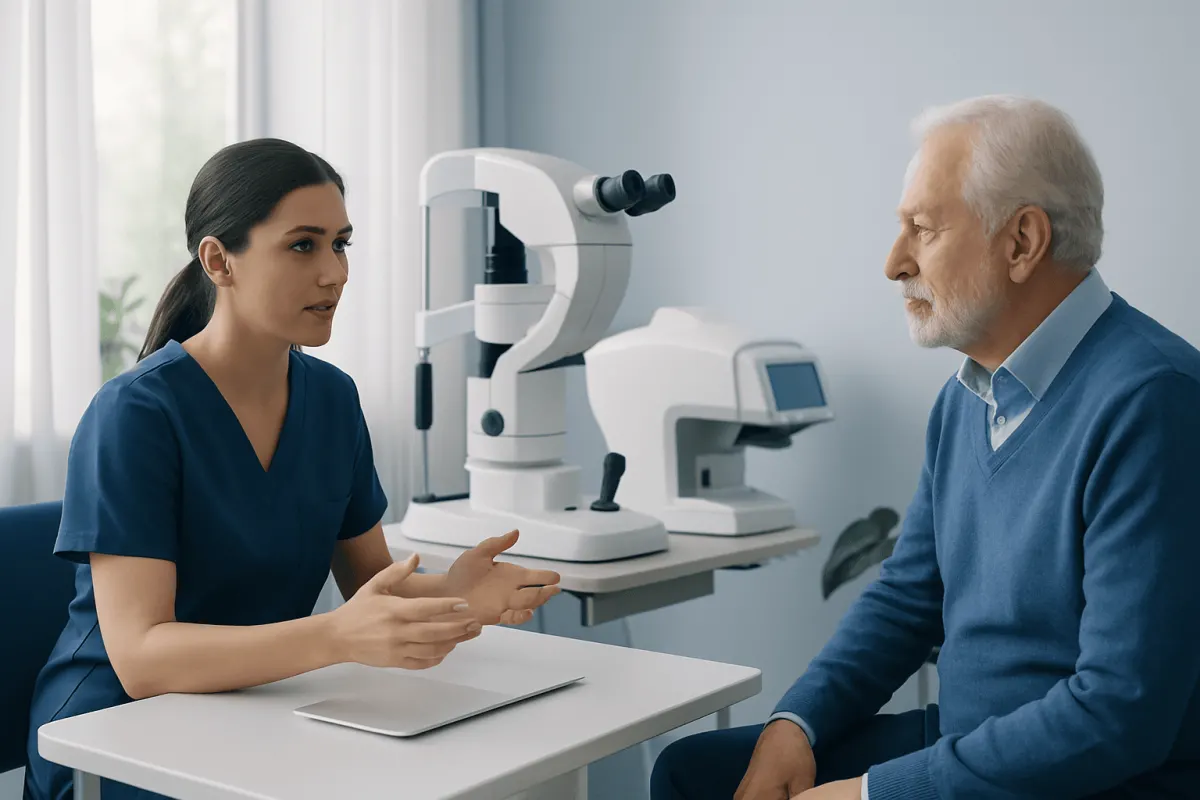
Candidacy is determined through a complete eye examination. The ophthalmologist checks the cornea, retina, optic nerve, eye pressure and measurements needed to select an IOL. Conditions such as severe dry eye, corneal scarring, poorly dilating pupils, advanced glaucoma, retinal disease or certain lens-support problems can affect planning. Other eye conditions may need treatment or specialist input before cataract surgery.
The final visual result also depends on the health of the retina and optic nerve. For example, cataract removal may improve clarity, but it cannot reverse vision loss caused by diseases affecting the back of the eye. A consultation allows the care team to discuss realistic expectations and the available lens options.
What Happens During the Procedure?
Laser cataract surgery is usually an outpatient procedure. The eye is numbed with anaesthetic drops, and medication may be offered to help the person feel relaxed. General anaesthesia is uncommon for routine adult cataract surgery. The person remains awake but should not feel pain; they may notice bright lights, gentle pressure or movement.
After the eye is prepared, imaging guides the laser treatment. The laser creates the planned incisions and assists with opening and breaking up the cloudy lens. The surgeon then removes the lens material using phacoemulsification, a technique that uses ultrasound vibrations, and inserts the IOL. The tiny incisions commonly seal without stitches.
Different IOL designs are available. A monofocal lens is generally designed to provide clear vision at one main distance, often distance vision, while glasses may still be needed for reading. Toric lenses can correct some astigmatism, and selected multifocal or extended-depth-of-focus lenses may reduce dependence on glasses for more than one range of vision. Each lens type has potential benefits and trade-offs, including possible glare or halos in some people.
After a short observation period, most people go home the same day with protective instructions and prescribed eye drops. They should arrange for someone else to take them home, as vision may be temporarily blurred and driving is not appropriate immediately after surgery.
Laser Cataract Surgery Recovery: Timeline and Aftercare
Laser cataract surgery recovery usually begins quickly, but healing is individual. It is common for vision to be blurry, watery, light-sensitive or mildly scratchy during the first day. Many people notice improvement within a few days, while the laser cataract removal recovery time for stable vision may be several weeks. If both eyes need surgery, they are generally treated on separate days.
During the first week, prescribed antibiotic and anti-inflammatory drops help protect the eye and control inflammation. Vision may fluctuate as the eye heals, and colours can appear brighter once the cloudy lens has been removed. Follow-up visits are important so the ophthalmologist can check eye pressure, healing and visual progress.
In general, gentle walking and normal light activities can resume the next day if the person feels well. Avoid rubbing or pressing on the eye, getting non-sterile water in it, swimming, hot tubs, dusty environments and strenuous exercise until the surgeon confirms these are safe. A protective shield may be recommended while sleeping for the first several nights.
People should use all drops exactly as instructed and attend scheduled appointments even if vision seems to be improving. The ophthalmologist may adjust the plan according to healing, other eye conditions and the type of work or activities the person does.
- First 24 hours: Rest, use drops as directed and avoid driving or bending heavily.
- First few days: Light activities are often possible; mild blur and irritation should gradually improve.
- First 1-2 weeks: Many people return to usual routines, with surgeon-specific limits on exercise and water exposure.
- Several weeks: Vision and glasses prescription typically settle; timing varies by eye and lens type.
How Many Days Rest Is Needed After Laser Cataract Surgery?
Most people need one to several days of relative rest after laser cataract surgery rather than prolonged bed rest. The day of surgery should be kept quiet, and many people can do light household activities, read briefly or take gentle walks the next day if they are comfortable. The exact laser cataract recovery time depends on the eye, the complexity of surgery and whether other eye conditions are present.
Jobs that involve desk work may be resumed within a few days if vision is adequate and the ophthalmologist agrees. Work involving heavy lifting, dust, physical exertion, water exposure or a risk of eye injury may require more time away. Driving should only restart when vision meets legal requirements and the treating clinician confirms it is safe.
Rest does not mean avoiding all movement. Light activity can be appropriate, but the eye needs protection from rubbing, pressure and contamination. Every patient should follow the post-operative schedule provided by their own surgeon, as recommendations can differ based on individual healing.
Is It Better to Have Laser Cataract Surgery or Regular Cataract Surgery?
Neither laser-assisted nor regular cataract surgery is universally better. Both are effective, established methods for removing cataracts and implanting an artificial lens. In standard surgery, the surgeon creates incisions and opens the lens capsule manually; in laser-assisted surgery, a femtosecond laser performs or assists with these steps before the surgeon completes the operation.
Laser technology can offer highly reproducible planning for particular parts of the procedure and may help manage selected cases of astigmatism. However, the visual outcome is influenced by many factors, including pre-operative measurements, IOL selection, surgical skill, healing and the health of the cornea, retina and optic nerve. A laser does not eliminate the usual surgical risks or guarantee freedom from glasses.
The most appropriate technique should be decided after an eye examination and discussion of the person’s visual goals. An ophthalmologist can explain whether laser assistance offers a meaningful potential advantage in that individual eye, or whether conventional cataract surgery is equally suitable.
How Painful Is Laser Cataract Surgery?
Laser cataract surgery is usually not painful because numbing eye drops are used before treatment. People may feel the eyelid holder, light pressure or a brief sensation of suction during the laser portion, but sharp pain is not expected. Some people also receive mild sedating medicine, although they remain able to follow simple instructions.
After surgery, mild grittiness, tearing, itching or sensitivity to light can occur for a short time. These symptoms should steadily improve with the prescribed drops and eye protection. Over-the-counter pain medicines may be suitable for some people, but it is best to ask the surgical team which options are appropriate, particularly for anyone taking regular medicines or with other health conditions.
Moderate or severe pain is not typical after uncomplicated cataract surgery. It should not be ignored, especially if it occurs with worsening redness, nausea, headache or a reduction in vision. Prompt assessment can identify and treat complications early.
What Not to Do After Laser Cataract Surgery and When to Seek Medical Care
After laser cataract surgery, people should not rub, press or bump the operated eye. They should avoid swimming, hot tubs and putting tap water directly into the eye until cleared by their ophthalmologist. Eye makeup, dusty or smoky environments, contact sports, heavy lifting and vigorous exercise may need to be paused for a period advised by the surgical team.
Do not stop prescribed eye drops early, use unapproved drops or share drops with another person. It is also important not to drive before vision is safe and the clinician has agreed. Sunglasses can improve comfort outdoors if light sensitivity is present, and a protective shield can reduce accidental rubbing during sleep.
Medical care should be sought urgently for severe or increasing pain, rapidly worsening vision, new or increasing redness, significant discharge, persistent nausea or vomiting, flashes of light, a sudden shower of floaters or a dark curtain in the field of vision. These symptoms are uncommon, but they may signal a complication that needs urgent eye care.
For international patients, Acıbadem Health Point’s multidisciplinary ophthalmology specialists and JCI-accredited hospitals assess and treat cataracts with individualized surgical planning. A qualified ophthalmologist can advise whether laser-assisted cataract surgery is appropriate and provide tailored recovery guidance.
Frequently asked questions
01How long does laser cataract surgery take?
The laser portion and the full operation are usually completed within a relatively short outpatient visit, although preparation and recovery monitoring take additional time. The exact surgical time varies with the cataract, eye anatomy and whether additional procedures are needed. The treating ophthalmologist can provide a more individual estimate.
02How soon will vision improve after laser cataract surgery?
Some people notice clearer vision within a day or a few days, but blur and fluctuations are common early in recovery. Vision often continues to improve over several weeks as inflammation settles and the eye adapts to the new lens. Other eye conditions, such as dry eye or retinal disease, can slow or limit improvement.
03Can someone have laser cataract surgery on both eyes at once?
In most cases, cataract surgery is performed on one eye at a time. The second eye is scheduled after the first eye has begun to heal and the surgeon has reviewed the result. This approach allows the care team to monitor recovery and plan safely for the other eye.
04Will glasses still be needed after laser cataract surgery?
Glasses may still be needed, depending on the intraocular lens selected and the person’s visual needs. Monofocal lenses commonly provide their best vision at one distance, while some premium lens designs can reduce reliance on glasses for certain activities. No lens option guarantees that glasses will never be needed.
05What happens if a cataract is not treated?
Cataracts usually progress gradually, although the pace varies. Vision may become increasingly blurred and glare may make driving or reading more difficult. Surgery is generally considered when the cataract affects daily activities or prevents proper assessment or treatment of another eye condition.
06Is laser cataract surgery safe?
Cataract surgery is one of the most commonly performed operations, and laser assistance is an established technique for selected patients. As with any eye surgery, risks can include infection, inflammation, pressure changes, retinal problems or a need for further treatment. A pre-operative assessment and prompt reporting of concerning symptoms support safe care.
This article is for general information only and is not a substitute for professional medical advice. Please consult a qualified doctor about your individual situation.
Explore treatments in Turkey — costs, top hospitals & a free quote
JCI-accredited · board-certified surgeons · reply within 24h
Add us as a Preferred Source to see more of our trusted health content across Google Search, AI Overviews and Discover.