Where Is Your Liver?

Key Takeaways
- The liver is located mainly in the upper right side of the abdomen, under the ribs, and extends slightly toward the left.
- It helps process nutrients, filter substances from the blood, store energy, and make important proteins and bile.
- Liver problems may cause subtle symptoms at first, so location alone does not tell the whole story.
- Pain or discomfort in the upper abdomen, yellowing of the skin or eyes, dark urine, or unexplained fatigue should be discussed with a doctor.
- Healthy habits such as moderation with alcohol, vaccination, and weight management support long-term liver health.
The liver sits high in the upper right abdomen, tucked beneath the rib cage, and it performs many of the body’s essential daily tasks. Understanding where it is and what it does can help people recognize when symptoms may need medical attention.
Overview
When people ask, “Where is your liver?” the short answer is that it sits in the upper part of the abdomen, mostly on the right side, just beneath the rib cage. A smaller portion reaches across the middle of the body toward the left upper abdomen. Because it is protected by the ribs, the liver is not usually felt in everyday life.
The liver is one of the body’s busiest organs. It helps handle nutrients from food, produces bile for digestion, stores energy, and processes many substances that enter the bloodstream. Since it works quietly in the background, many liver conditions develop without obvious early signs. That is one reason why knowing its location is helpful, but not enough on its own to judge whether it is healthy.
For people considering care from another country, especially if they are reading health information while planning travel, it can be reassuring to know that liver concerns are often evaluated with straightforward tests. A doctor can usually start with a history, examination, and blood tests before deciding whether imaging or specialist review is needed.
Symptoms
Because the liver itself has few nerve endings, liver disease does not always cause sharp pain. When symptoms do appear, they may be vague at first and easy to overlook. Some people notice a feeling of fullness or discomfort in the upper right abdomen, while others experience fatigue, nausea, loss of appetite, or a general sense that something is not quite right.
More specific signs can include yellowing of the skin or the whites of the eyes, dark urine, pale stools, itching, swelling in the legs or abdomen, or easy bruising. These symptoms do not always mean the liver is the cause, but they deserve medical assessment because they can signal problems with liver function or bile flow.
- Upper right abdominal discomfort or pressure
- Unexplained tiredness or weakness
- Jaundice, or yellowing of the skin and eyes
- Dark urine or pale stools
- Nausea, reduced appetite, or bloating
Symptoms can also vary depending on the specific condition, such as fatty liver, hepatitis, cirrhosis, or bile duct blockage. This is why doctors focus not only on where the liver is located, but also on the pattern, duration, and combination of symptoms.
Causes & Risk Factors

Liver problems can develop for several different reasons. Common causes include viral infections such as hepatitis, long-term alcohol use, buildup of fat in the liver, autoimmune conditions, inherited disorders, and blockage of the bile ducts. In some cases, medications, supplements, or toxic exposures can also affect liver cells.
Risk factors depend on the cause. For example, excess body weight, diabetes, high cholesterol, and limited physical activity are linked with fatty liver disease. A history of hepatitis exposure, unprotected blood contact, or certain travel or health-care exposures can increase the chance of viral liver disease. Regular heavy alcohol intake is another major risk factor for liver injury.
Some people have no clear risk factor and still develop liver disease, which is one reason routine medical follow-up matters. International patients preparing for treatment abroad sometimes arrive with incomplete records, and careful review of prior tests, medications, and symptom history can help doctors identify likely causes more efficiently.
Diagnosis
Doctors usually begin by asking about symptoms, medical history, alcohol use, medications, supplements, and possible exposure to infections. A physical examination may look for tenderness, enlargement of the liver, fluid buildup, or signs such as jaundice and swelling.
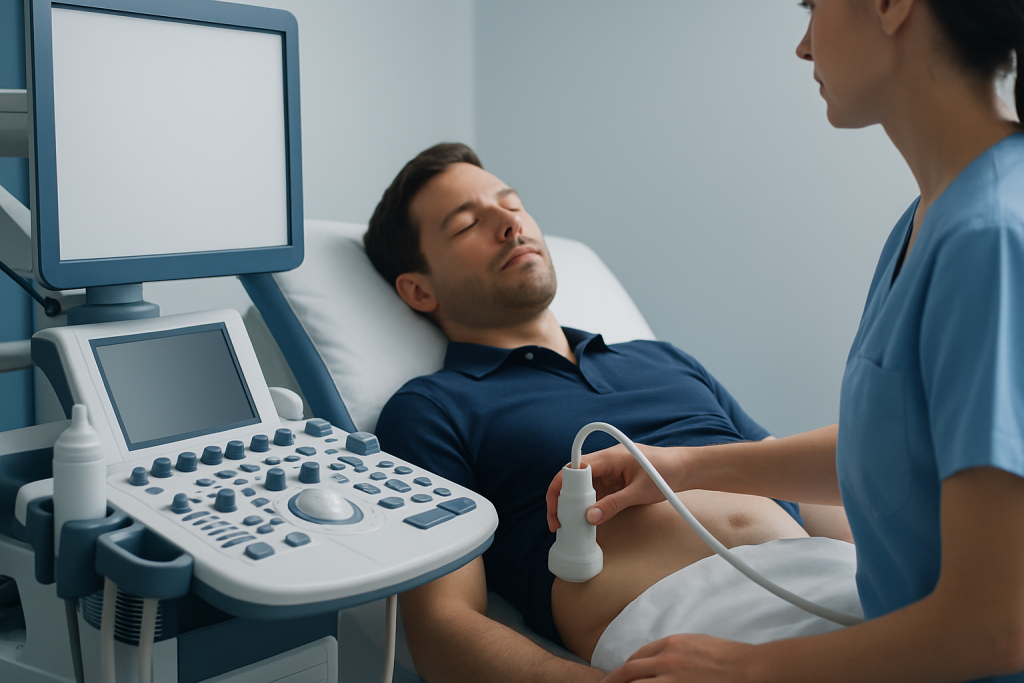
Blood tests are often the first step. These may assess liver enzymes, bilirubin, proteins made by the liver, and markers of inflammation or infection. Depending on the findings, a doctor may recommend ultrasound, CT, MRI, or other imaging to look at the liver’s size, texture, blood flow, and nearby structures.
In some cases, additional tests are needed to clarify the diagnosis, such as hepatitis testing, autoimmune studies, iron studies, or elastography to assess liver stiffness. A liver biopsy may be considered when more detail is needed, although it is not required for every patient. The right test depends on the suspected condition, not simply on the liver’s location.
Treatment Options
Treatment depends on the underlying cause rather than on the liver’s position in the body. Viral hepatitis may require antiviral medicines, while fatty liver disease often improves with changes in weight, activity, and metabolic control. Alcohol-related liver injury usually calls for stopping alcohol completely and receiving medical support when needed.
Some liver conditions are managed with medicines that reduce inflammation, control the immune system, or improve bile flow. If a bile duct is blocked, a procedure or surgery may be needed to restore drainage. Advanced liver disease may require closer monitoring for complications such as fluid buildup, bleeding risk, or changes in brain function.
For some patients, especially those with severe or end-stage liver disease, transplant evaluation becomes part of the conversation. In that setting, care is typically coordinated across specialists, with attention to lab results, imaging, general health, and practical issues such as travel, follow-up plans, and support after returning home.
Prevention & Self-care
Many liver problems can be reduced or delayed with steady everyday habits. Vaccination against hepatitis A and B, when appropriate, is a valuable protective step. Limiting alcohol, maintaining a healthy weight, managing diabetes, and staying active also support liver health over time.
It is wise to use medicines, herbal products, and supplements carefully, because some can stress the liver or interact with other treatments. People should check with a doctor or pharmacist before starting new products, especially if they already have liver disease or take multiple medications. Safe use matters as much as the product itself.
Simple self-care can also make a difference during recovery: keeping follow-up appointments, carrying copies of test results when traveling, and reporting new symptoms promptly. For international patients, clear communication between the home doctor and treating team helps keep care consistent after returning home.
- Stay up to date on recommended vaccinations
- Limit alcohol or avoid it if advised
- Maintain a balanced diet and regular activity
- Review medicines and supplements with a clinician
- Follow long-term monitoring plans if liver disease is diagnosed
When to See a Doctor
Medical advice is important if someone has persistent upper abdominal discomfort, unexplained fatigue, yellowing of the skin or eyes, dark urine, pale stools, swelling, or itching that does not go away. These symptoms may have different causes, but they should not be ignored.
Urgent assessment is especially important if symptoms appear suddenly or are accompanied by confusion, vomiting blood, severe abdominal swelling, fainting, or marked drowsiness. While these are not everyday symptoms, they can indicate a serious problem that needs prompt care.
People who know they have hepatitis, fatty liver disease, cirrhosis, or a history of heavy alcohol use should keep regular medical follow-up even when they feel well. In liver care, waiting for symptoms to become dramatic is often the wrong strategy; earlier assessment usually gives more options and a clearer plan.
Acibadem Health Point’s multidisciplinary specialists and JCI-accredited hospitals diagnose and treat liver conditions for international patients, with care planned around both treatment and follow-up needs.
Living With a Liver Condition
Learning that the liver is located high in the abdomen often surprises people because symptoms are not always felt exactly where the organ sits. That can make liver disease seem confusing at first. A practical approach helps: understand the diagnosis, keep track of symptoms, and stay connected to the care team.
Many patients do well when they combine medical treatment with realistic lifestyle changes and regular monitoring. This may include blood tests, imaging, medication adjustments, and periodic review of nutrition, alcohol use, and other health conditions. If travel is involved, it is helpful to arrange a written follow-up plan before leaving the treating country.
Questions are part of good care. Asking where the liver is, what the tests show, and what changes matter most can make the next steps easier to follow. A clear plan often reduces anxiety and helps patients take an active role in protecting long-term liver health.
Frequently asked questions
01Where exactly is the liver located?
The liver is mainly in the upper right area of the abdomen, beneath the ribs. A smaller part extends toward the upper left side. Because of the ribs, it is usually protected and not easy to feel.
02Can you feel liver pain where the liver is?
Some people notice discomfort or pressure in the upper right abdomen, but liver problems do not always cause pain. The liver has few pain fibers, so symptoms may be vague or felt elsewhere in the body. That is why testing is often needed to find the cause.
03What are the early signs of liver disease?
Early signs can be subtle and may include tiredness, reduced appetite, nausea, or mild abdominal discomfort. In some cases there are no clear symptoms at first. Yellowing of the skin or eyes, dark urine, and swelling are more concerning signs that need evaluation.
04Can liver problems be found with a blood test?
Yes, blood tests are often used to check liver enzymes, bilirubin, and proteins made by the liver. These results help doctors decide whether more tests, such as imaging or hepatitis screening, are needed. Blood tests are useful, but they do not explain every liver condition by themselves.
05What helps protect the liver?
Avoiding excess alcohol, maintaining a healthy weight, staying active, and getting recommended hepatitis vaccines can all support liver health. It is also important to use medicines and supplements carefully. Regular checkups matter, especially for people with diabetes, obesity, or known liver disease.
06When should someone seek urgent help for a liver problem?
Urgent care is needed if there is confusion, vomiting blood, severe abdominal swelling, fainting, or a sudden major change in alertness. Yellowing of the eyes or skin, dark urine, and severe weakness also deserve prompt medical attention. These symptoms should not wait for a routine appointment.
This article is for general information only and is not a substitute for professional medical advice. Please consult a qualified doctor about your individual situation.
Persistent digestive symptoms? Get evaluated in Turkey
JCI-accredited · board-certified surgeons · reply within 24h
Add us as a Preferred Source to see more of our trusted health content across Google Search, AI Overviews and Discover.