Where Is the Best Place to Get Affordable Dentures?
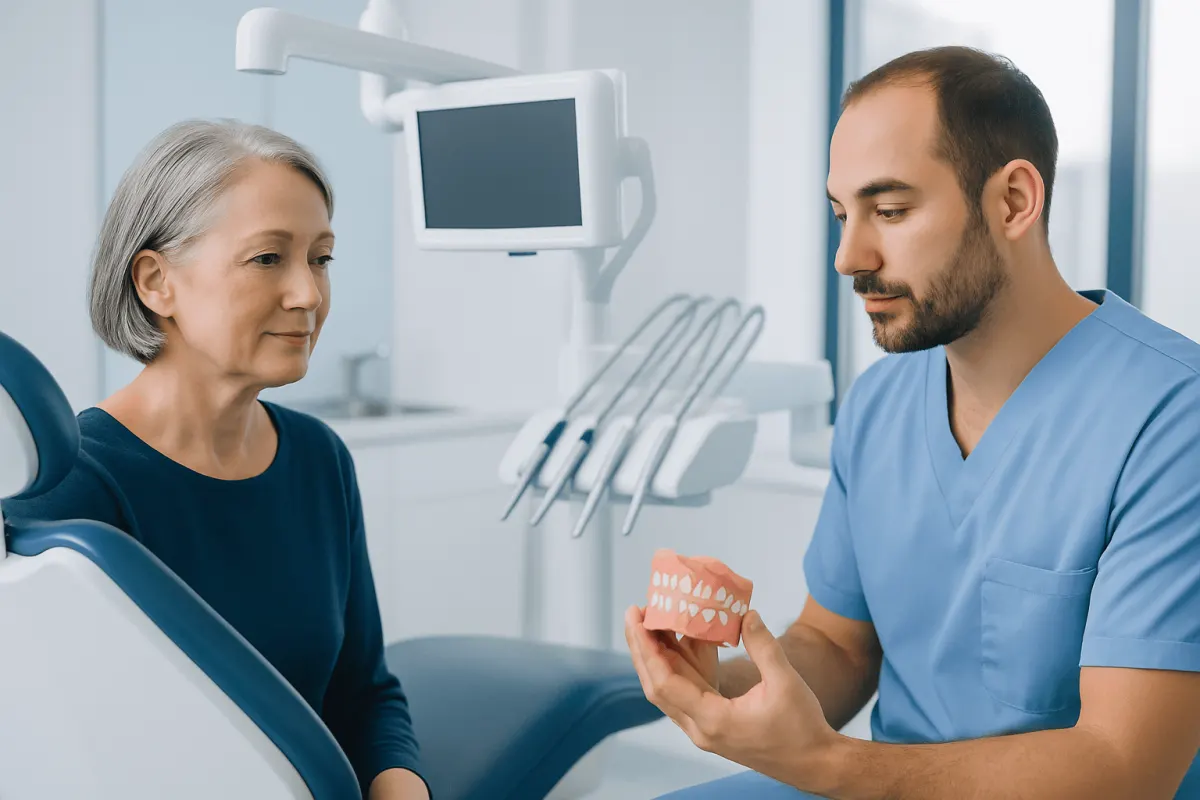
The best place to get affordable dentures is a licensed dental clinic that offers a full oral examination, explains all suitable options, provides professionally made dentures and includes adjustments after fitting. The lowest initial price is not always the best value, since comfort, function, oral health and follow-up care are important parts of denture treatment.
Where is the best place to get affordable dentures?
The best place to get affordable dentures is a licensed dental practice, dental school clinic or public/community dental service that can assess the mouth carefully and provide continuing care. A safe, good-value option does more than supply a denture: it checks the gums and remaining teeth, discusses alternatives, takes accurate impressions, fits the appliance and arranges adjustments as healing and mouth shape change.
Affordability is best considered as overall value rather than the lowest advertised starting price. Before choosing a provider, a person can ask for a written plan that separates the costs of examinations, X-rays if needed, tooth removal, temporary dentures, the final denture, relines, repairs and review appointments. It is also reasonable to ask who will make the denture, what materials are proposed and how problems with fit will be handled.
Dentures are removable appliances that replace missing teeth. They can restore appearance, help with speech and support chewing, although they do not feel exactly like natural teeth. People considering replacement teeth can discuss dental implants as another option, as implants may support a denture in selected patients but require surgery and are not appropriate for everyone.
Understanding denture choices and candidacy
A complete denture replaces all teeth in the upper jaw, lower jaw or both. A partial denture replaces some missing teeth and is designed to fit around the natural teeth that remain. Immediate dentures may be placed soon after teeth are removed, while conventional dentures are usually made after the gums have healed more fully. The right choice depends on the number and condition of remaining teeth, gum and bone health, bite, medical history, expectations and budget.
Most people who have lost multiple teeth can be considered for dentures, but an individual assessment remains essential. Active gum disease, untreated decay, unstable teeth, oral infections or poorly controlled medical conditions may need attention first. A dentist also checks for dry mouth, jaw-joint concerns and changes in the tissues that support a denture, because these can affect comfort and retention.
Implant-retained dentures use implants placed in the jaw to improve stability. They may be especially helpful for people whose lower denture moves excessively, but they involve surgical planning, adequate bone or possible bone preparation, a healing period and ongoing cleaning. A dentist can explain whether a removable conventional denture, a partial denture or an implant-supported solution is clinically suitable.
- Complete dentures: replace all teeth in an arch.
- Partial dentures: fill gaps while preserving suitable natural teeth.
- Immediate dentures: provide teeth during healing after extractions, but often need later adjustment or replacement.
- Implant-retained dentures: offer additional stability for appropriate candidates.
How denture treatment works: step by step
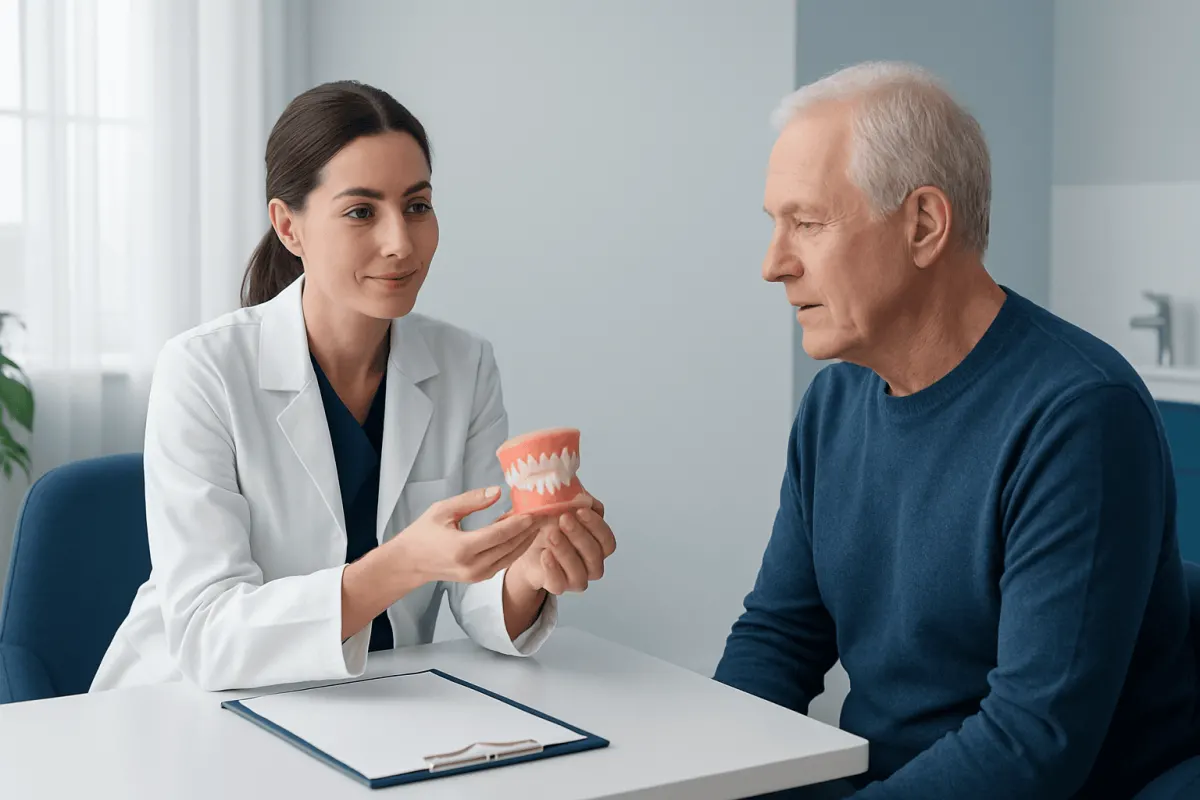
Denture treatment begins with a consultation. The dentist reviews symptoms, medical conditions and medicines, examines the teeth and mouth, and may take X-rays to assess teeth, bone and infection. If teeth must be removed, the clinician discusses the timing, healing process and whether an immediate denture is appropriate.
Next, the dental team takes impressions or digital scans of the mouth and records the relationship between the upper and lower jaws. At later appointments, a wax trial or digital design may be used to assess tooth position, appearance, bite and speech. This stage gives the patient an opportunity to discuss concerns before the final denture is processed.
At the fitting appointment, the dentist checks the denture’s borders, bite and appearance and makes minor adjustments as needed. Follow-up appointments are important, particularly after extractions, because the gums and jawbone naturally change during healing. A reline, which reshapes the inner surface of a denture, may later be recommended to improve fit.
Patients should not attempt to reshape a denture at home or rely on adhesive to cover persistent pain or looseness. Professional adjustment protects the gums and helps prevent avoidable damage to the appliance.
Benefits, limits and possible risks of dentures
Well-made dentures can improve the ability to smile, speak and eat a wider range of foods. Replacing missing teeth may also support the cheeks and lips. For many people, dentures are a practical removable option when fixed tooth replacement is not possible, preferred or within their treatment plan.
There is an adjustment period. New dentures can initially feel bulky, increase saliva or create mild sore spots. Speech and chewing usually improve with practice, starting with softer foods and small bites. Even a well-fitting denture may move somewhat, especially a lower complete denture, because it rests on soft tissues rather than being attached like natural teeth.
Possible problems include pressure sores, gum irritation, fungal infection beneath a denture, cracking or fracture of the appliance, difficulty chewing certain foods and changes in fit as the jawbone remodels. Wearing a loose or damaged denture without review can worsen irritation. Regular dental visits remain important even when a person has no natural teeth, because the dentist screens the mouth, gums and oral tissues.
Good denture care includes brushing the denture daily with an appropriate soft brush and cleanser, rinsing after meals, cleaning the mouth and tongue, and storing the appliance safely when it is out of the mouth. Unless a dentist advises otherwise, removing dentures overnight gives the oral tissues time to rest.
How to compare affordable denture providers
When comparing places for dentures, patients can focus on clinical standards and transparency. A provider should be able to explain the diagnosis, the type of denture proposed, the expected appointments, the anticipated need for adjustments and the realistic limits of the appliance. The person should feel able to ask questions and should not feel pressured to decide immediately.
A useful written estimate identifies what is and is not included. A low advertised price may refer only to a basic appliance and may not include examination, imaging, extractions, temporary dentures, treatment for gum disease, relines or repairs. Asking about these details helps a patient compare options fairly without assuming that a higher or lower fee alone reflects quality.
Dental schools may provide treatment under supervision and can be a reasonable route for some people, although appointments may take longer. Community clinics, public dental programs, charitable services and dental benefit plans may also help eligible patients access care. Availability and eligibility differ by location, so a local dentist, health department or social-care organization may be able to direct patients to appropriate resources.
Acıbadem Health Point’s multidisciplinary dental specialists at JCI-accredited hospitals assess missing teeth and provide individualized denture and tooth-replacement treatment for international patients. A consultation can clarify suitable options, including prosthetic dentistry, based on oral health and treatment goals.
What is the cheapest set of dentures you can get?
The cheapest denture option is often a basic removable complete or partial denture, but the exact least-cost option depends on which teeth are missing, whether extractions are needed and the type of material and follow-up included. An immediate denture may also be needed after tooth removal, which can change the overall treatment plan.
A basic denture may meet an important need, but it should still be prescribed and fitted by a dental professional. A person should be cautious about mail-order or do-it-yourself appliances that are not based on a clinical examination, as inaccurate fit can injure gums, interfere with the bite and delay diagnosis of oral disease.
The most economical long-term approach is not necessarily the one with the lowest upfront amount. A clear discussion about durability, likely adjustments, relines and repair options can help patients choose a plan that is safe and manageable for them.
Is Affordable Dentures reputable?
“Affordable Dentures” may refer to a specific business name or may simply describe lower-cost denture services. Reputation cannot be determined from the name alone. Patients should evaluate the individual clinic, the credentials and licensing of its dental professionals, the clarity of its treatment recommendations and the availability of follow-up care.
Helpful questions include whether a dentist performs the examination, whether the clinic provides a written plan, who to contact for sore spots or breakage, and how adjustments are managed. Reviews can offer personal experiences, but they do not replace checking professional credentials and having an individual assessment.
If a person is considering a clinic in another region or country, they should also ask how aftercare will be arranged once they return home. Dentures commonly need adaptation after fitting, so access to timely review is an important part of reputable care.
What are the most comfortable dentures to get?
The most comfortable dentures are usually those designed around the individual’s mouth, bite and oral tissues, then adjusted after fitting. Comfort depends on fit, bite balance, denture design, saliva flow, gum health and the amount of jawbone support. No single material or style is most comfortable for every person.
For some patients, a well-designed conventional denture is comfortable and effective. For others, especially people with a very loose lower denture, implant-retained dentures may improve stability and confidence while eating and speaking. This option requires a separate surgical assessment and ongoing hygiene around the implants.
Comfort also improves with realistic adaptation. Patients can begin with soft foods, chew on both sides where possible, read aloud to practice speech and attend all recommended adjustment visits. Persistent pain, rubbing, looseness or difficulty eating should be assessed rather than tolerated.
What to do if you need dentures but can't afford them?
A person who needs dentures but is worried about affordability can begin by arranging a dental examination and asking for a staged, written treatment plan. The dentist may be able to prioritize urgent problems, such as infection or painful teeth, and explain whether treatment can be completed in phases. This makes it easier to understand which parts of care are medically urgent and which options can be considered over time.
Potential sources of support may include public dental services, community health centers, university dental schools, charitable dental programs, employer or private dental benefits, and locally available payment arrangements. Eligibility, services and waiting times vary, so patients should contact programs directly and avoid delaying care for painful or infected conditions.
Maintaining any remaining natural teeth is also important. Daily brushing with fluoride toothpaste, cleaning between teeth when possible, limiting frequent sugary foods and drinks, and attending dental reviews can reduce the risk of further tooth loss. A dentist can provide individual advice for dry mouth, gum disease or other factors affecting oral health.
When to seek medical care
A person should arrange prompt dental care for severe tooth or gum pain, facial swelling, fever, pus, uncontrolled bleeding, a broken tooth causing injury, or a denture that creates significant sores. Swelling that affects breathing or swallowing, or rapidly spreading facial or neck swelling, needs urgent emergency assessment.
People with dentures should also seek a dental review for ongoing mouth ulcers lasting more than two weeks, white or red patches, unexplained bleeding, persistent bad taste, difficulty swallowing, a major change in bite, or a denture that suddenly no longer fits. These symptoms are often treatable, but they should not be managed with repeated home adjustments.
Routine reviews help identify changes before they become uncomfortable. A dentist can assess whether the denture needs adjustment, repair, relining or replacement and can examine the oral tissues for conditions that may not cause obvious symptoms.
Frequently asked questions
01How long does it take to get dentures?
The timeframe depends on whether teeth need to be removed, how much healing is required and the type of denture being made. Some people receive immediate dentures around the time of extraction, while final dentures may be made after the gums have stabilized. Several fitting and adjustment appointments are usually needed.
02Can dentures be made if some natural teeth remain?
Yes. A partial denture can replace missing teeth while fitting around suitable remaining teeth. The dentist will first assess whether those teeth and the gums are healthy enough to retain.
03Do dentures hurt?
New dentures can cause temporary pressure, rubbing or sore spots while the mouth adapts. They should not cause persistent or severe pain. A dentist can adjust the appliance to improve comfort and should assess sores that do not resolve.
04Can a person eat normally with dentures?
Many people can eat a varied diet with dentures, although chewing efficiency is usually different from that of natural teeth. Starting with soft foods, taking small bites and chewing slowly can help during the adjustment period. Very hard, sticky or tough foods may remain challenging for some people.
05How often should dentures be replaced or relined?
There is no single schedule because wear, breakage, gum changes and jawbone remodeling vary between individuals. Dentures may need periodic relining or replacement when they become loose, worn or uncomfortable. Regular dental examinations help determine the right timing.
06Can denture adhesive fix loose dentures?
Adhesive may provide limited additional stability for some well-fitting dentures, but it does not correct a poorly fitting appliance. New looseness, pain or repeated need for adhesive should prompt a dental review. The denture may need adjustment, relining or replacement.
This article is for general information only and is not a substitute for professional medical advice. Please consult a qualified doctor about your individual situation.
Explore treatments in Turkey — costs, top hospitals & a free quote
JCI-accredited · board-certified surgeons · reply within 24h
Add us as a Preferred Source to see more of our trusted health content across Google Search, AI Overviews and Discover.