Best Hospital for Prolapse Surgery: Key Features
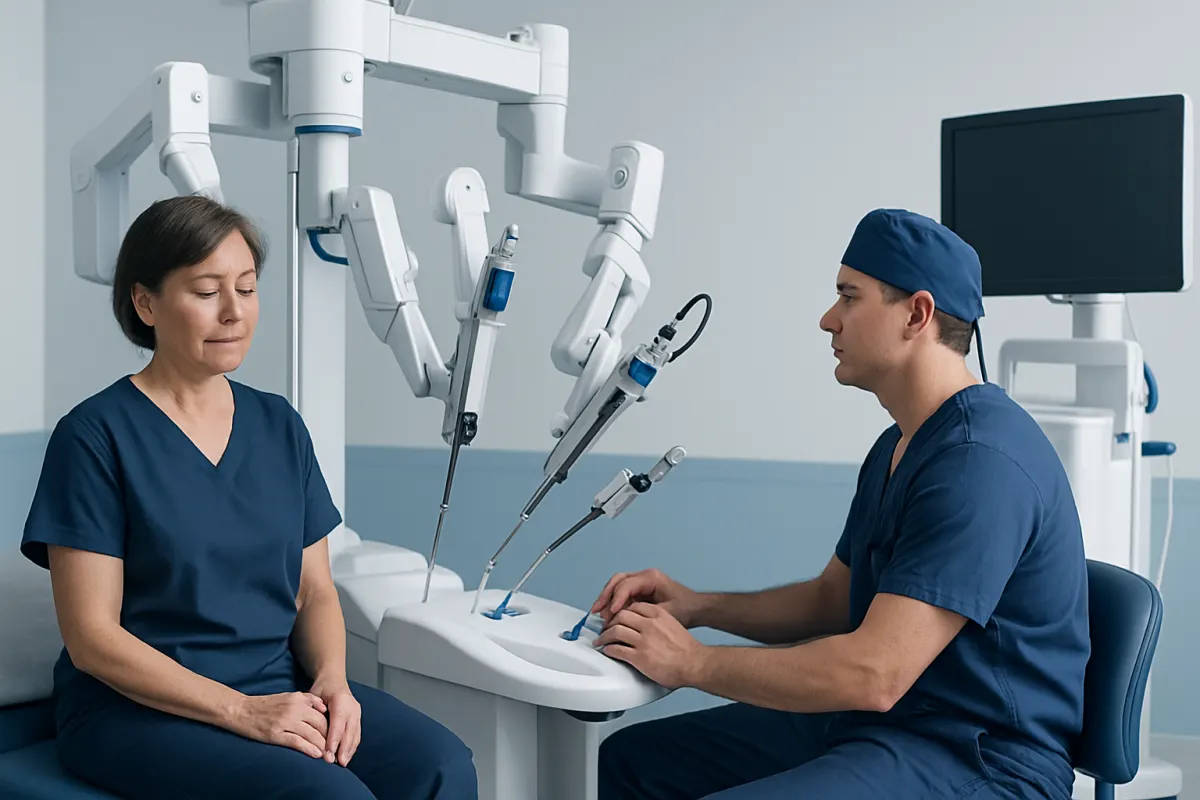
The best hospital for prolapse surgery is one with experienced pelvic floor specialists who can confirm the type of prolapse, discuss nonsurgical and surgical choices, and tailor care to a person’s health, goals, and plans for sexual activity. There is no single best operation for everyone; the safest and most effective approach depends on which organs are affected, symptom severity, prior treatment, and overall fitness for surgery.
How to Choose the Best Hospital for Prolapse Surgery
The best hospital for prolapse surgery is not necessarily the one that recommends the newest technique or the same procedure for every patient. A suitable center has clinicians with dedicated expertise in female pelvic medicine, urogynecology, gynecology, urology, colorectal care when needed, anesthesia, and pelvic floor rehabilitation. This team-based approach matters because pelvic organ prolapse can affect the bladder, uterus, vagina, rectum, or more than one area at the same time.
When comparing a best hospital for pelvic floor surgery, patients can ask who will perform the operation, how often the team manages similar prolapse patterns, and whether both nonsurgical and surgical options are offered. It is also reasonable to ask how the surgeon decides between vaginal and abdominal approaches, whether the uterus can be preserved when appropriate, what materials may be used, and how complications or recurrent prolapse are managed.
Good decision-making begins with a careful assessment rather than a quick commitment to surgery. A hospital should explain expected benefits in everyday terms, including possible changes in pressure symptoms, bladder emptying, bowel function, and sexual comfort. It should also provide practical information about recovery, activity restrictions, follow-up, and when to contact the clinical team after discharge.
- Look for access to urogynecology or a dedicated pelvic floor service.
- Choose a team that offers individualized vaginal, minimally invasive, and reconstructive options.
- Ask about preoperative health assessment, anesthesia planning, and postoperative support.
- Ensure the hospital discusses alternatives, risks, and future treatment options openly.
Understanding Pelvic Organ Prolapse and Surgical Goals
Pelvic organ prolapse occurs when the muscles, ligaments, and connective tissues supporting the pelvic organs become weakened or stretched. One or more organs may move downward and create a vaginal bulge or a sensation of pressure. The condition may involve the front vaginal wall and bladder (cystocele), the uterus or top of the vagina, the back vaginal wall and rectum (rectocele), or several compartments together.
Some people have little or no discomfort and do not need an operation. Others experience a bulge that interferes with walking, exercise, sitting, hygiene, sexual activity, urination, or bowel movements. A clinical examination identifies the areas involved and helps the specialist discuss whether observation, pelvic floor therapy, a vaginal pessary, or surgery is most suitable. For background on symptoms and evaluation, patients may review pelvic organ prolapse.
The goal of prolapse surgery is to restore support and reduce symptoms, not simply to produce a particular examination result. A surgeon may repair the patient’s own tissues, suspend the top of the vagina or cervix to supportive ligaments, remove the uterus in selected cases, or preserve the uterus through a hysteropexy. The best surgery for prolapsed uterus therefore depends on the person’s anatomy, medical history, preferences, and treatment goals.
Candidacy and Preoperative Evaluation

Prolapse surgery may be considered when symptoms remain troublesome despite conservative care, when a pessary is not comfortable or practical, or when prolapse affects bladder or bowel function. Candidates commonly have a detailed pelvic examination, review of medical history, medication assessment, and discussion of previous pelvic surgery. Testing may be recommended when there are urinary symptoms, bleeding, uncertainty about the diagnosis, or concern about other pelvic conditions.
Before recommending an operation, the care team considers factors such as heart and lung health, diabetes control, blood-thinning medicines, mobility, frailty, smoking, constipation, body weight, and the ability to follow recovery guidance. Patients should describe urinary leakage, difficulty emptying the bladder, frequent urinary infections, constipation, and pain, because these symptoms may influence the surgical plan. Surgery can improve prolapse but may not resolve every pelvic floor symptom.
People who may become pregnant in the future are usually counseled carefully, as pregnancy and childbirth can affect a repair. Those who do not wish to have penetrative vaginal intercourse may also be candidates for an obliterative procedure called colpocleisis. This can be highly effective for selected patients, but it closes or substantially narrows the vaginal canal and is not appropriate for everyone.
How Prolapse Surgery Works: Options and Procedure Steps
The best prolapse surgery is selected after identifying which support structures need repair. Vaginal procedures may include anterior or posterior colporrhaphy to repair the front or back vaginal wall, vaginal hysterectomy in selected cases, and suspension procedures such as uterosacral ligament suspension or sacrospinous fixation. These operations are performed through the vagina and may offer a shorter recovery than open abdominal surgery for some patients.
Abdominal, laparoscopic, or robotic approaches may be used for sacrocolpopexy, a reconstructive operation that supports the top of the vagina with a graft material attached to a strong pelvic ligament. When the uterus is retained, a related procedure may be called sacrohysteropexy. These approaches can be useful for certain patterns of apical prolapse, especially when durable upper-vaginal support is a priority. A specialist can explain whether pelvic organ prolapse surgery is appropriate for the individual situation.
Although details differ, the procedure usually follows a similar pathway. On the day of surgery, the patient meets the anesthesia and surgical teams, receives anesthesia, and has the planned repair through vaginal or abdominal incisions. The surgeon restores support, addresses associated defects when needed, checks surgical repair and bladder function, and closes the incisions. Some patients go home the same day or after a short stay, depending on the procedure, general health, and early recovery.
Use of mesh requires a specific discussion. Mesh placed through the abdomen for sacrocolpopexy differs from transvaginal mesh products, which have had significant safety concerns and regulatory restrictions in many settings. Patients should ask exactly what material is planned, why it is recommended, what alternatives exist, and what follow-up is needed.
What Is the Most Successful Bladder Prolapse Surgery?
There is no single operation that is most successful for every person with bladder prolapse. A bladder prolapse usually involves weakness in the front vaginal wall, and an anterior vaginal wall repair may be appropriate when that is the main defect. However, bladder prolapse often occurs alongside loss of support at the top of the vagina or uterus, and treating only the front wall may not provide the best long-term support in every case.
For this reason, the best surgery for prolapsed bladder is based on a complete pelvic support assessment. If apical prolapse is present, adding a suspension procedure may improve the overall repair strategy. The surgeon also considers whether urinary leakage is present, whether the bladder empties normally, prior repairs, tissue quality, and whether the person prefers a vaginal or abdominal approach.
Success should be discussed beyond the name of the operation. Important outcomes include relief of bulge symptoms, ability to urinate and have bowel movements comfortably, return to preferred activities, sexual wellbeing where relevant, and the chance of needing future treatment. No prolapse operation can eliminate all risk of recurrence, but careful procedure selection and follow-up can support good results.
What Is the New Procedure for Prolapse?
There is not one universally accepted “new procedure” for prolapse that has replaced established surgery. Current care increasingly emphasizes personalized reconstruction, including minimally invasive laparoscopic or robotic sacrocolpopexy, uterus-preserving hysteropexy, and refined vaginal suspension techniques. Whether a technique is newer does not automatically make it safer or better for a particular person.
Minimally invasive surgery may use small abdominal incisions and a camera to help the surgeon view the pelvis. Robotic assistance is one way of performing some laparoscopic procedures; it does not change the underlying goals of restoring pelvic support. Potential advantages and limitations vary with the operation, the patient’s health, previous surgeries, and the experience of the surgical team.
Patients should be cautious about choosing a procedure based only on advertising or the promise of a quick recovery. The most appropriate approach is the one supported by sound evidence, appropriate for the patient’s anatomy and priorities, and performed by a qualified team that can provide long-term follow-up. A second opinion from a pelvic floor specialist may be helpful when surgery is complex or options are unclear.
Recovery, Benefits, Risks, and Prevention of Recurrence
Recovery depends on the type of repair and the person’s general health. In the first days after surgery, tiredness, pelvic discomfort, light vaginal bleeding or discharge, and temporary changes in bladder or bowel habits can occur. The clinical team gives individualized advice about pain control, wound care, showering, driving, lifting, exercise, constipation prevention, and return to work. Many patients gradually resume routine activity over several weeks, while full tissue healing can take longer.
Potential benefits include reduced vaginal bulge and pressure, improved comfort during everyday activities, and better bladder or bowel function when symptoms are related to prolapse. Risks can include bleeding, infection, blood clots, injury to nearby organs, urinary retention, pain, painful intercourse, anesthesia-related complications, recurrent prolapse, and need for further treatment. Mesh-related complications are also possible if mesh is used. The likelihood and relevance of each risk should be reviewed personally before consent.
Pelvic floor exercises, avoiding chronic straining, treating constipation, managing persistent cough, maintaining a healthy weight where appropriate, and not smoking may help protect pelvic floor health. These steps cannot guarantee that prolapse will not recur, but they can support overall recovery and pelvic wellbeing. Acıbadem Health Point’s multidisciplinary specialists and JCI-accredited hospitals can assess and treat pelvic floor conditions for international patients, with care plans based on individual clinical needs.
Should a 79 Year Old Have an Operation for a Prolapse?
A 79-year-old may be a suitable candidate for prolapse surgery if symptoms are significantly affecting quality of life and the person is medically fit for the planned procedure. Chronological age alone is not a reason to rule surgery in or out. The more important considerations are overall health, heart and lung function, level of independence, frailty, medications, anesthesia risk, the severity of symptoms, and the patient’s own goals.
For some older adults, a pessary or pelvic floor treatment provides adequate symptom relief without surgery. For others, surgery may offer a meaningful improvement in comfort and daily function. Less extensive procedures, including colpocleisis for people who do not want future vaginal intercourse, may be considered in selected circumstances.
A careful preoperative review helps determine the safest path. The patient, family or support person where desired, surgeon, anesthesiologist, and primary physician can discuss expected benefits, recovery support at home, and realistic risks. Shared decision-making is especially important when health conditions or mobility limitations are present.
What Is the Average Age for Prolapse Surgery? When to Seek Medical Care
Prolapse is more common after menopause and in people who have experienced pregnancy and vaginal birth, so many patients considering surgery are in midlife or older adulthood. However, there is no single average age that determines when surgery should occur. People of different ages may need treatment depending on symptoms, prolapse type, health status, future pregnancy plans, and personal preferences.
Medical review is advisable for a new vaginal bulge, pelvic heaviness, difficulty emptying the bladder, recurrent urinary infections, constipation that requires vaginal pressure to pass stool, or discomfort that limits normal activities. A prompt assessment is important for inability to urinate, severe or worsening pain, fever, heavy bleeding, or a protruding tissue area that becomes very painful or discolored.
People do not need to wait until symptoms become severe. A gynecologist or urogynecologist can explain the likely cause and discuss options at any stage. Seeking care early may allow more time to consider pelvic floor therapy, pessary fitting, lifestyle measures, and surgical planning if surgery later becomes the preferred choice.
Frequently asked questions
01How do patients find the best hospital for prolapse surgery?
Patients can look for a hospital with urogynecology or pelvic floor specialists, access to different surgical and nonsurgical treatments, and coordinated anesthesia and recovery care. It is helpful to ask how the team evaluates the type of prolapse, which procedures they recommend, and how they manage follow-up or recurrent symptoms.
02Is surgery always needed for pelvic organ prolapse?
No. Many people with mild or minimally bothersome prolapse do not need surgery. Pelvic floor exercises, lifestyle changes, and a vaginal pessary may reduce symptoms, while surgery is usually considered when symptoms remain disruptive or complications develop.
03What is the best surgery for a prolapsed uterus?
The best surgery depends on the degree of uterine and vaginal support loss, other prolapse defects, medical history, and whether the patient wishes to keep the uterus. Options may include uterus-preserving suspension procedures, hysterectomy with vaginal suspension, or abdominal/laparoscopic support procedures.
04How long does recovery from prolapse surgery take?
Early recovery commonly takes several weeks, but the timing varies by the procedure and the patient’s health. The surgical team provides specific guidance about lifting, exercise, work, sexual activity, and follow-up, as internal healing continues beyond the first few weeks.
05Can prolapse come back after surgery?
Yes. Surgery can provide substantial symptom relief, but new or recurrent prolapse can occur because pelvic floor tissues remain subject to aging, pressure, genetics, constipation, coughing, and other factors. A specialist can discuss the expected durability of each option and ways to support pelvic health after recovery.
06Can a bladder prolapse repair treat urinary leakage?
A prolapse repair may improve urinary symptoms caused by a bulge or incomplete bladder emptying, but it does not reliably treat every type of leakage. Some people need separate assessment or treatment for stress urinary incontinence or urge incontinence, either before, during, or after prolapse surgery.
This article is for general information only and is not a substitute for professional medical advice. Please consult a qualified doctor about your individual situation.
Persistent digestive symptoms? Get evaluated in Turkey
JCI-accredited · board-certified surgeons · reply within 24h
Add us as a Preferred Source to see more of our trusted health content across Google Search, AI Overviews and Discover.