Where is Constipation Pain Felt: Causes, Relief and When to Worry

Key Takeaways
- Constipation pain is most often felt in the lower belly, but pressure, cramping, and fullness can spread across the abdomen or into the rectum.
- Hard stools, infrequent bowel movements, and straining are common clues that constipation is the cause.
- Mild constipation often improves with fluids, fiber, movement, and a regular toilet routine.
- Severe pain, vomiting, blood in the stool, fever, or a swollen abdomen should be assessed by a doctor.
- Persistent constipation may need evaluation for medication effects, thyroid problems, bowel disorders, or other digestive conditions.
Constipation pain is usually felt in the lower abdomen, but it can also appear as bloating, cramping, rectal pressure, or back discomfort. The exact location depends on how stool builds up, how the bowel is moving, and whether another condition is contributing.
Overview
When people ask where is constipation pain felt, the most common answer is the lower abdomen. Many describe it as a dull ache, pressure, cramping, or a sense of being “full” rather than a sharp, pinpoint pain. Some people also notice discomfort in the left side of the belly, where stool often lingers in the colon, while others feel the discomfort more generally across the abdomen.
Constipation pain is not always limited to the stomach area. It can be felt in the rectum during or after straining, as pelvic heaviness, or as back discomfort from bloating and bowel pressure. The pattern can vary from one person to another, which is why the surrounding symptoms matter as much as the location itself.
For someone considering care from another country, the practical question is often not only “where is the pain?” but also “is this ordinary constipation or something that needs evaluation?” A careful history, a physical exam, and sometimes testing can usually sort this out without delay. Understanding the typical pain pattern helps patients decide when home care is reasonable and when a medical visit is the safer choice.
Symptoms
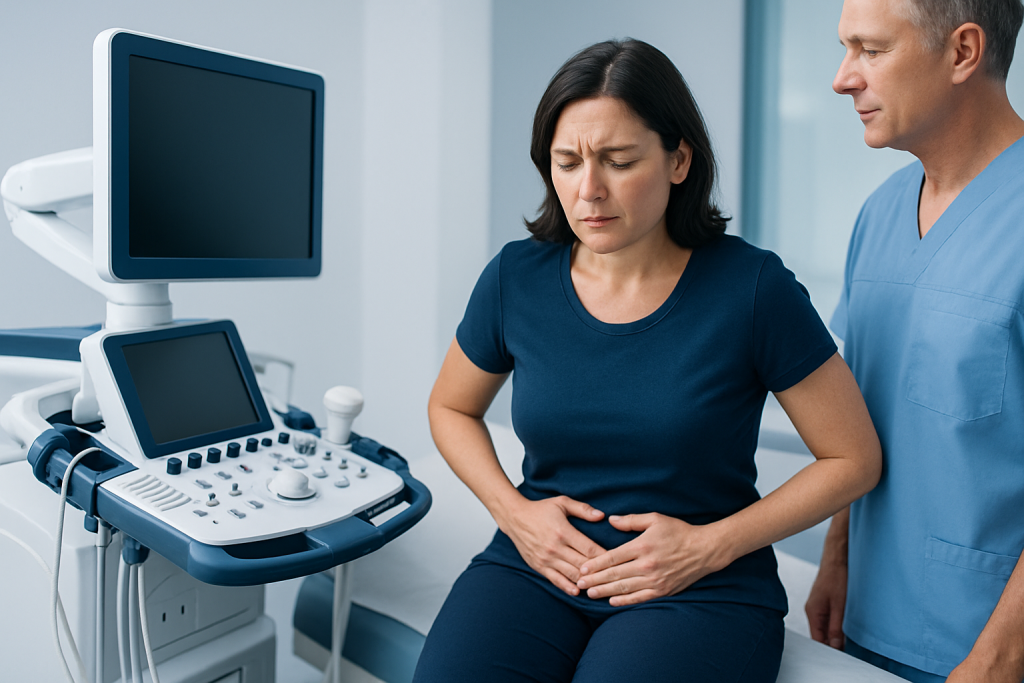
Constipation usually causes more than just infrequent bowel movements. The stool may become hard, dry, or difficult to pass, and the person may need to strain or feel as if the bowel has not emptied fully. Pain often rises and falls with bowel activity, which is one reason it is commonly described as cramping or intermittent pressure.
Typical symptoms that may travel with constipation include:
- Lower abdominal aching or cramping
- Bloating or visible abdominal distension
- Rectal pressure or pain during straining
- A feeling of incomplete emptying
- Reduced appetite or early fullness
- Nausea in some cases
The location of pain can offer clues. Left-sided lower abdominal discomfort often reflects stool buildup in the descending colon or sigmoid colon. Pain closer to the center of the lower abdomen may occur when the colon is distended more broadly. If pain is severe, constant, or unusual for the person, it deserves prompt medical review because not all abdominal pain is caused by constipation.
Causes & Risk Factors

Constipation happens when stool moves too slowly through the large intestine or when the body absorbs too much water from it. As stool becomes drier and harder, the bowel has to work harder to move it along, which can create cramping and pressure. Diet, hydration, activity level, and medications all influence this process.
Common causes and risk factors include a low-fiber diet, not drinking enough fluids, limited physical activity, ignoring the urge to have a bowel movement, stress, and changes in routine such as travel or hospital stays. Constipation can also be related to pregnancy, older age, and certain medicines, including some pain relievers, iron supplements, antidepressants, and medications that slow the bowel.
Sometimes constipation is linked to an underlying medical issue. Thyroid problems, diabetes, irritable bowel syndrome, pelvic floor dysfunction, and bowel obstruction can all interfere with normal bowel movement. In an international-patient setting, doctors often pay close attention to medication lists, past surgeries, dietary changes during travel, and any long-standing bowel pattern changes, because these details can help identify the real cause more quickly.
Diagnosis
Most constipation evaluations begin with a conversation about symptoms: where the pain is felt, how long it has been present, how often stools occur, and whether the stool is hard, painful, or associated with blood. A doctor may also ask about recent travel, changes in diet, use of pain medicines, and prior digestive conditions. These details help distinguish simple constipation from problems that require more attention.
A physical examination may include feeling the abdomen for tenderness, fullness, or distension. In some cases, a rectal examination is needed to check for impacted stool, fissures, hemorrhoids, or other causes of pain. If the symptoms suggest an underlying condition, the doctor may recommend blood tests or imaging studies, and occasionally colonoscopy or other specialized tests.
Diagnosis is not only about confirming constipation; it is also about understanding why it is happening. That matters because treatment is more effective when it targets the driver of the problem. For patients who have traveled for care, this evaluation often brings clarity after weeks or months of uncertainty, especially when constipation has been accompanied by repeated abdominal discomfort.
Treatment Options
Treatment depends on the cause and the severity of symptoms. For mild constipation, doctors often begin with lifestyle measures that help the bowel move more comfortably. These include increasing dietary fiber gradually, drinking enough fluids, and staying physically active when possible. A regular time for using the toilet, especially after meals, can also support the body’s natural rhythm.
If self-care is not enough, a doctor may suggest stool softeners, osmotic laxatives, or other bowel-regulating medicines based on the person’s situation. The choice depends on age, other medical conditions, and how long constipation has been present. It is important not to rely on repeated laxative use without guidance if constipation is frequent or new, because ongoing symptoms may point to a condition that needs evaluation.
When constipation pain comes from stool impaction or another underlying disorder, treatment may be more specific. That can include supervised bowel cleanout, medication changes, pelvic floor therapy, or treatment of thyroid disease, diabetes, or another digestive problem. If someone is receiving care abroad, a multidisciplinary team can be especially helpful because gastroenterology, radiology, and sometimes nutrition or rehabilitation services may need to work together. At Acibadem Health Point, multidisciplinary specialists in JCI-accredited hospitals diagnose and treat constipation-related conditions for international patients using this coordinated approach.
Prevention & Self-care
Simple daily habits often reduce both constipation and the pain that comes with it. Fiber from fruits, vegetables, whole grains, beans, and seeds helps stool stay softer and easier to pass, but it works best when introduced gradually. Sudden large increases in fiber can worsen bloating if fluids are not adequate.
Helpful self-care steps include:
- Drinking water regularly throughout the day
- Eating fiber-rich foods in a steady, balanced way
- Moving the body daily, even with light walking
- Responding promptly to the urge to have a bowel movement
- Using the toilet in a relaxed position without prolonged straining
- Reviewing medicines with a doctor or pharmacist if constipation begins after a new prescription
Travel can disrupt bowel habits, especially across time zones, long flights, and changes in diet. Packing familiar high-fiber snacks, staying hydrated, and keeping a regular meal pattern can help. If constipation tends to recur during travel or recovery after treatment, it may be worth planning ahead with a clinician rather than waiting until pain becomes disruptive.
When to See a Doctor
Constipation is common, but not every case should be managed at home. Medical assessment is a good idea when symptoms are new and persistent, when constipation lasts more than a short period despite self-care, or when pain is becoming more frequent or severe. Ongoing symptoms can sometimes signal medication side effects, pelvic floor problems, or another digestive condition.
Urgent evaluation is especially important if constipation is accompanied by vomiting, a swollen or hard abdomen, inability to pass gas, fever, significant rectal bleeding, black stools, unexplained weight loss, or sudden severe pain. These features can indicate a more serious problem than routine constipation.
Anyone who has repeated constipation with a change in bowel habits should also speak with a doctor, even if the pain seems mild. A thoughtful assessment can rule out conditions that are better treated early and can help patients avoid cycling between discomfort and temporary relief without a clear answer.
Living With Constipation While Getting Care
For patients arranging care from another country, constipation can feel especially disruptive because travel, stress, and unfamiliar food often make symptoms worse. It helps to keep a simple record of stool frequency, pain location, and any triggers such as certain meals, long flights, or medications. This information can make an appointment more efficient and can help the care team focus on the most likely cause.
Recovery is usually smoother when patients follow a clear bowel plan, stay hydrated, and ask questions about safe medicines before traveling home. If testing or follow-up is needed, coordinating it before departure can reduce uncertainty later. The goal is not only to relieve pain, but also to understand why it happened and how to lower the chance of it returning.
Constipation pain is usually manageable, but it should be taken seriously when it changes character, becomes persistent, or is paired with other warning signs. With the right evaluation, most people can identify the cause and build a plan that is practical, safe, and realistic for daily life.
Frequently asked questions
01Where is constipation pain usually felt?
Constipation pain is most often felt in the lower abdomen, where it may feel like cramping, pressure, or fullness. Some people also feel it on the left side, in the rectum, or as a general bloated discomfort across the belly.
02Can constipation cause back pain?
Yes, constipation can sometimes lead to back discomfort, especially when the abdomen is bloated or stool is building up in the colon. Back pain is not specific to constipation, so persistent or severe pain should be reviewed by a doctor.
03How do I know if the pain is from constipation or something else?
Constipation pain usually comes with hard stools, infrequent bowel movements, straining, or a feeling of incomplete emptying. If pain is sudden, severe, one-sided, or occurs with vomiting, fever, or bleeding, another cause should be considered.
04What helps constipation pain at home?
Fluids, gradual fiber intake, walking, and a regular toilet routine often help. Some people may also need a doctor-recommended laxative, but repeated or ongoing constipation should not be managed without medical advice.
05When should constipation be checked by a doctor?
A doctor should be seen if constipation lasts longer than expected, keeps returning, or is linked to increasing pain. Urgent care is needed for vomiting, a swollen abdomen, inability to pass gas, blood in the stool, fever, or sudden severe pain.
06Is constipation common during travel or after treatment?
Yes, travel, changes in routine, dehydration, and certain medicines can all slow the bowel. Planning ahead with fluids, fiber, and a bowel routine often helps, and a doctor can suggest a safer plan if symptoms are frequent.
This article is for general information only and is not a substitute for professional medical advice. Please consult a qualified doctor about your individual situation.
Persistent digestive symptoms? Get evaluated in Turkey
JCI-accredited · board-certified surgeons · reply within 24h
Add us as a Preferred Source to see more of our trusted health content across Google Search, AI Overviews and Discover.