What Is Menses Diarrhea? A Complete Medical Guide

Key Takeaways
- Menses diarrhea is a common menstrual symptom and is often related to prostaglandins and hormone changes.
- Symptoms usually peak around the start of bleeding and may improve as the period progresses.
- Diet, hydration, stress, and underlying digestive conditions can influence how severe it feels.
- Persistent diarrhea, blood in the stool, fever, dehydration, or significant pain should be assessed by a doctor.
- Keeping a symptom diary can help distinguish normal period-related changes from another gastrointestinal problem.
Menses diarrhea refers to loose stools or more frequent bowel movements that can happen before or during a period. It is often linked to natural hormone shifts and prostaglandins, and it usually improves with simple self-care, though persistent or severe symptoms deserve medical review.
Overview
Menses diarrhea is the term many people use for loose stools, urgent bowel movements, or a more active bowel pattern that appears just before or during menstruation. In most cases, it is a temporary, hormone-related change rather than a sign of a serious illness. It can happen on its own or together with cramps, bloating, nausea, or lower back discomfort.
The digestive system and the menstrual cycle are closely connected. As hormone levels shift, the intestines may become more sensitive and move faster than usual. For some people, this feels like a predictable monthly change; for others, it is one part of a broader pattern that also includes pelvic pain or changes in appetite.
Understanding this symptom matters because it helps people tell the difference between a common menstrual effect and a digestive problem that deserves closer attention. That distinction is especially useful for international patients who may be managing symptoms while traveling, working, or coordinating care across countries.
Symptoms
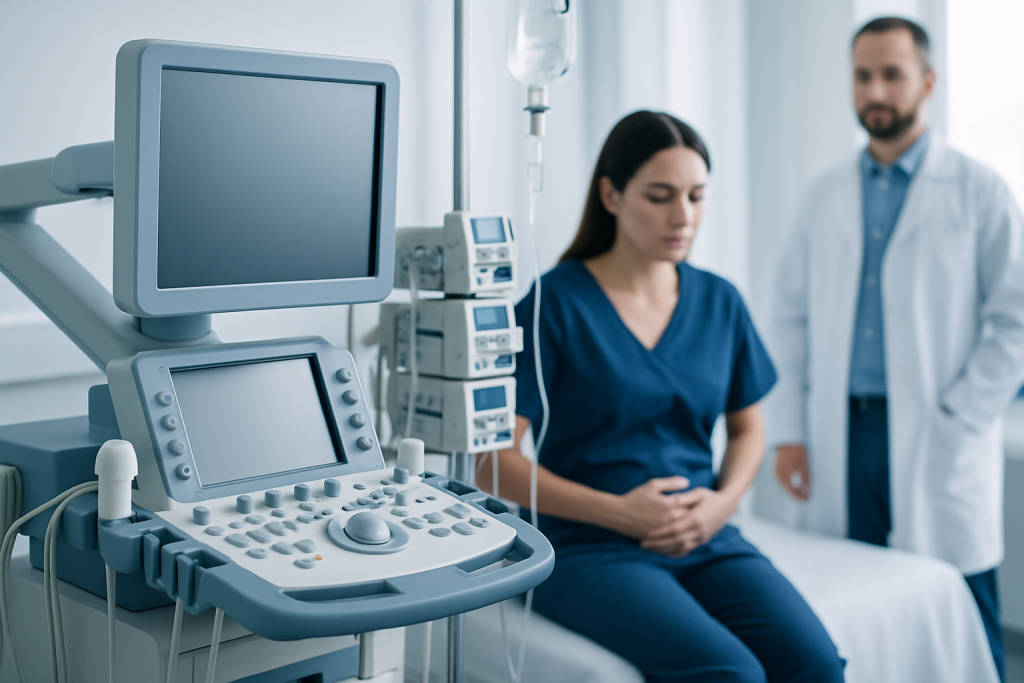
Menses diarrhea can look different from person to person. Some notice one or two loose stools on the first day of bleeding, while others experience repeated bowel movements, cramping in the lower abdomen, or a sudden need to find a restroom quickly. The stool may be softer than usual, and the bowel pattern may return to normal after menstruation ends.
It may also appear alongside other period symptoms, such as pelvic cramps, headache, fatigue, breast tenderness, bloating, or mood changes. When these symptoms occur together, it can be difficult to tell which discomfort is coming from the uterus and which is coming from the intestines, since the sensations can overlap in the lower abdomen.
Some features suggest that the bowel change may be more than a routine menstrual effect. These include diarrhea that lasts beyond the period, waking from sleep because of bowel urgency, fever, blood in the stool, vomiting, or signs of dehydration. Those symptoms should prompt medical review.
- Loose or watery stools near the start of a period
- More frequent bowel movements than usual
- Urgency or cramping before using the toilet
- Bloating or a feeling of abdominal pressure
- Period cramps that seem stronger when bowel symptoms are present
Causes & Risk Factors
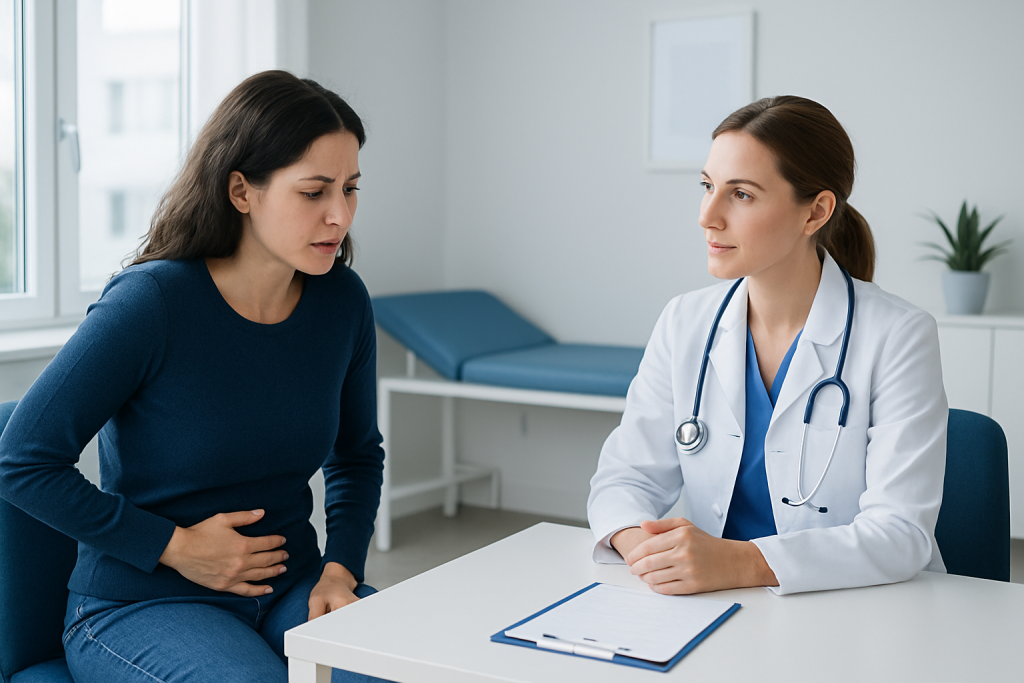
The most common explanation for menses diarrhea is the role of prostaglandins, natural substances involved in the menstrual process. These compounds help the uterus contract and shed its lining, but they can also affect the intestines and make them contract more quickly. When bowel movement speeds up, stools may become loose and more urgent.
Hormonal changes around menstruation also influence the digestive tract. Shifts in estrogen and progesterone may alter how the intestines move, how fluid is handled in the bowel, and how sensitive the gut feels to cramping or gas. Some people are simply more responsive to these changes than others.
Certain factors can make the symptom more noticeable. These include a history of painful periods, stress, a diet that is high in fatty or spicy foods, caffeine sensitivity, and pre-existing digestive disorders such as irritable bowel syndrome. In some people, endometriosis or another pelvic condition can also contribute to bowel changes around the period.
Travel, disrupted sleep, dehydration, and changes in routine may make symptoms feel worse. This is relevant for patients who are preparing to fly, recover abroad, or arrange investigations in another country, because even a familiar monthly symptom can feel more disruptive when the routine around it changes.
Diagnosis
There is no single test for menses diarrhea. A doctor usually begins by asking when the symptoms occur, how long they last, what the stool pattern looks like, and whether there are other menstrual or digestive symptoms. The timing is important: bowel changes that reliably appear with menstruation are more likely to be cycle-related.
A careful history can help separate menstrual diarrhea from other conditions such as infection, food intolerance, inflammatory bowel disease, celiac disease, or irritable bowel syndrome. The doctor may also ask about medications, diet, recent travel, and any family history of digestive disease.
If the pattern is typical and symptoms are mild, further testing may not be needed. When symptoms are severe, prolonged, or unusual, the doctor may recommend stool tests, blood tests, a pregnancy test if appropriate, or pelvic evaluation. In some cases, imaging or referral to a gastroenterologist or gynecologist may help identify an underlying cause.
Keeping a short symptom diary can be surprisingly helpful. Recording the first day of bleeding, bowel changes, pain, and foods or medicines taken around that time gives the clinical team a clearer picture, particularly when care is being planned across multiple visits or from overseas.
Treatment Options
Treatment depends on how disruptive the symptom is and whether another condition is contributing to it. For mild, predictable menses diarrhea, practical self-care may be enough. Many people do well with hydration, simple meals, and temporary adjustments to foods that seem to trigger cramping or urgency.
If period pain is also present, a doctor may discuss medicines that help reduce menstrual discomfort and the prostaglandin response. The most suitable option depends on the person’s overall health, other medications, and whether they have stomach, kidney, or bleeding concerns. A doctor should guide any medication choice rather than relying on repeated self-treatment.
When bowel symptoms are more persistent, the treatment plan may focus on the underlying issue. For example, if irritable bowel syndrome, endometriosis, or a food intolerance is suspected, the approach may include targeted evaluation, dietary guidance, or specialist care. In some situations, hormonal treatment for period symptoms may also be part of the discussion.
For international patients, the advantage of coordinated care is that gastroenterology and gynecology specialists can review the menstrual and digestive sides of the problem together. At Acibadem Health Point, multidisciplinary specialists and JCI-accredited hospitals diagnose and treat this condition for international patients within a coordinated care pathway.
Prevention & Self-care
Self-care is often the first line of support when the symptom is mild and follows a clear monthly pattern. Drinking enough fluids is important, especially if stools are loose more than once or twice in a day. Warm drinks, bland foods, and smaller meals may be easier to tolerate during the most sensitive part of the cycle.
It can also help to notice whether certain foods regularly make symptoms worse around menstruation. Some people feel better when they limit excess caffeine, alcohol, very fatty meals, or highly spicy foods for a few days. Others benefit from keeping meals regular rather than skipping food, which can sometimes make cramps and gut discomfort feel stronger.
Stress management may matter as well. The gut is responsive to nervous-system signals, so poor sleep, anxiety, and travel fatigue can make menstrual bowel changes feel more intense. Gentle walking, rest, heat for cramps, and a consistent bathroom routine may all be useful.
- Stay hydrated, especially if stools are loose
- Choose easy-to-digest foods during the first days of the period
- Track the timing of symptoms each month
- Notice whether stress, sleep loss, or certain foods worsen the pattern
- Use doctor-recommended medicines only as directed
When to See a Doctor
Medical advice is appropriate when diarrhea around menstruation becomes severe, lasts longer than the period, or starts to interfere with work, travel, sleep, or daily activities. It is also wise to seek assessment if the symptom is new and does not fit the person’s usual pattern, especially if the person has not previously had digestive issues with menstruation.
Urgent or prompt evaluation is important if there is blood in the stool, fever, black stools, persistent vomiting, significant dehydration, fainting, intense abdominal pain, or unexplained weight loss. These symptoms are not typical of simple menses diarrhea and may point to another condition that needs timely attention.
It is equally important to seek help when bowel symptoms are part of broader concerns such as very painful periods, pain during sex, difficulty conceiving, or chronic pelvic pain. These can suggest endometriosis or another gynecologic condition that may benefit from specialist evaluation.
For people arranging care from another country, it can be useful to share a month-by-month symptom record before traveling. That makes it easier for the clinician to decide whether a short consultation is enough or whether testing, follow-up, or multidisciplinary review is more appropriate.
Living With Monthly Digestive Changes
For many people, menses diarrhea is frustrating but manageable once its pattern becomes familiar. The goal is not to eliminate every bowel change around menstruation, but to understand what is normal for the body and what is not. A clear pattern makes it easier to plan around work, school, travel, and social commitments.
When symptoms are mild, reassurance and practical steps are often enough. When symptoms are frequent or intense, a clinician can help look for a treatable cause and suggest a more specific plan. That may reduce anxiety as well as physical discomfort.
A thoughtful, evidence-based evaluation is often the best path when someone is uncertain whether symptoms are hormonal, digestive, or both. With the right assessment, most people can get a clearer answer and a plan that fits their life rather than working around monthly uncertainty.
Frequently asked questions
01Is menses diarrhea normal?
It can be a normal part of menstruation for many people. The bowel often becomes more active around a period because of hormone-related changes, especially prostaglandins. If the symptom is severe, prolonged, or unusual for the person, it should be assessed.
02Why do I get diarrhea on the first day of my period?
The first day of bleeding is often when prostaglandins are most active, and those compounds can affect both the uterus and the intestines. That can lead to cramps and looser stools. The symptom often improves as the period progresses.
03Can period diarrhea be a sign of endometriosis?
Sometimes bowel symptoms around menstruation can occur with endometriosis, especially if there is also pelvic pain, pain during sex, or trouble conceiving. Endometriosis is not the most common cause of period diarrhea, but it should be considered when symptoms are significant or persistent. A doctor can help decide whether evaluation is needed.
04What foods should be avoided during menses diarrhea?
There is no single diet for everyone, but some people feel better avoiding very greasy, spicy, or heavily caffeinated foods during their period. Smaller, simpler meals may be easier on the gut. It can help to track which foods seem to worsen symptoms personally.
05Can I take medicine for menses diarrhea?
Some medicines may help, but the best choice depends on the cause of symptoms and the person’s overall health. A doctor can advise whether an over-the-counter option, a menstrual pain medicine, or another approach is appropriate. Repeated or strong symptoms should not be treated without medical guidance.
06When should diarrhea during my period worry me?
It should be checked if it lasts beyond the period, becomes severe, or comes with blood, fever, dehydration, or strong abdominal pain. New digestive symptoms or symptoms that affect daily life also deserve medical review. These features can point to something other than routine menstrual change.
This article is for general information only and is not a substitute for professional medical advice. Please consult a qualified doctor about your individual situation.
Persistent digestive symptoms? Get evaluated in Turkey
JCI-accredited · board-certified surgeons · reply within 24h
Add us as a Preferred Source to see more of our trusted health content across Google Search, AI Overviews and Discover.