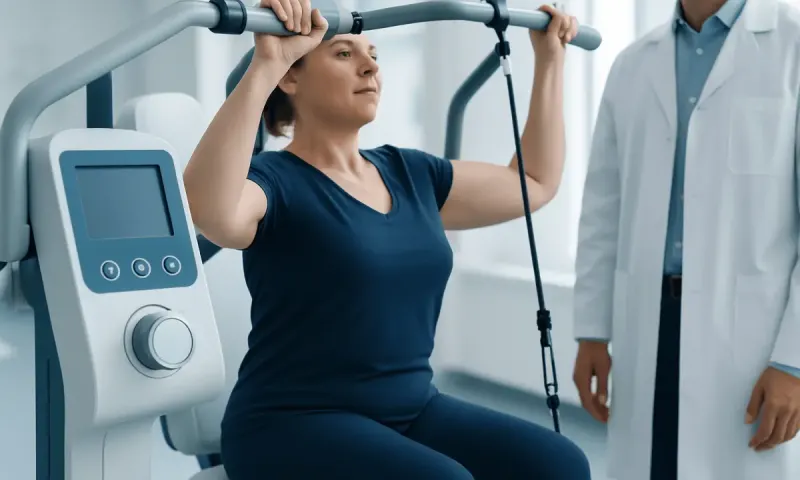
Where Do You Lose Weight First During Weight Loss?
Where do you lose weight first? There is no single predictable area: early changes depend on genetics, hormones, sex, age, starting body composition, and how the body stores fat. Although people may notice changes in the face, waist, or clothing fit first, fat loss occurs throughout the body over time rather than from one chosen body part.
Where Do You Lose Weight First?
Where do you lose weight first? The answer is individual: some people notice their face looking less full, while others first observe a looser waistband, smaller measurements, or changes in their hands, chest, hips, or legs. The body does not follow a universal sequence for fat loss, and it is not possible to choose exactly where fat will be lost first.
During a calorie deficit, the body uses stored energy from fat tissue in many areas. However, visible changes may appear sooner in places with less fat to begin with, areas that are easy to see in a mirror, or regions where a person tends to store and release fat differently. Day-to-day shifts in fluid balance can also temporarily affect the face, abdomen, and limbs.
For most people, a gradual approach that combines nourishing food choices, regular movement, adequate sleep, and realistic goals is more useful than focusing on one body area. Weight management is best viewed as a whole-body health process rather than a way to reshape a single region.
Why Weight Loss Looks Different From One Person to Another
Genes play an important role in body shape and fat distribution. They influence whether someone is more likely to carry extra fat around the abdomen, hips, thighs, buttocks, arms, or elsewhere. Family patterns can therefore offer clues, but they cannot predict an individual’s results with certainty.
Sex hormones also affect fat storage. Before menopause, many women tend to store more subcutaneous fat—the fat directly under the skin—around the hips and thighs. Men more commonly accumulate fat around the abdomen, although there is substantial variation. With aging and hormonal changes, fat distribution can shift, often toward the midsection.
Starting body weight, muscle mass, medical conditions, medications, stress, sleep, and daily activity all contribute to the way weight changes are experienced. Two people following similar habits may see different patterns, and neither pattern is inherently better or worse.
It can be helpful to avoid comparing progress with photos or experiences online. A person’s own trend over weeks and months, together with health indicators reviewed by a clinician when appropriate, provides more meaningful information.
Fat Loss, Water Weight, and Changes on the Scale

Not every early change on the scale represents body-fat loss. The body’s water balance can fluctuate because of salt intake, carbohydrate intake, menstrual-cycle changes, travel, exercise, alcohol use, constipation, illness, and some medicines. These shifts may cause weight to move up or down over a few days.
Glycogen, a stored form of carbohydrate found largely in muscles and the liver, is stored with water. When food intake or activity changes, glycogen and associated water can change as well. This is one reason early weight changes may be faster than later changes and why short-term scale readings can be misleading.
Body-fat changes usually develop more gradually. Tracking weight at consistent times, alongside waist measurements, clothing fit, activity tolerance, and strength, can give a more balanced view. People who find frequent weighing stressful may prefer less frequent monitoring or support from a healthcare professional.
Sudden swelling, marked fluid retention, or large unexplained weight changes should not be assumed to be ordinary dieting effects. These symptoms may need medical assessment, especially if they occur with shortness of breath, chest discomfort, or reduced urination.
Can You Target Fat Loss in One Area?
Exercises can strengthen and build muscle in a specific area, but they do not reliably cause fat to be used only from the muscles being exercised. For example, abdominal exercises can improve core strength and function, but they cannot by themselves selectively remove abdominal fat. This idea is commonly called spot reduction, and it is not supported by current understanding of fat metabolism.
Strength training remains valuable because it helps maintain or build muscle, supports physical function, and can improve body composition during weight loss. Aerobic activity, such as brisk walking, cycling, swimming, or dancing, can support heart health and energy expenditure. The most sustainable form of movement is usually one a person can do regularly and safely.
Abdominal fat includes subcutaneous fat under the skin and visceral fat around internal organs. Visceral fat cannot be measured by appearance alone, but reducing overall excess weight and becoming more physically active can help lower health risks associated with excess abdominal fat. A clinician may use waist circumference and other health measures as part of an individual assessment.
For people considering structured support, a medical evaluation can identify factors affecting weight and guide safe options. This may be especially useful when obesity-related health concerns are present.
Supporting Healthy, Sustainable Weight Changes
There is no single eating pattern that is right for everyone. In general, sustainable weight loss involves creating a modest energy deficit while still meeting nutritional needs. Meals built around vegetables and fruits, high-fiber foods, protein-rich foods, and minimally processed choices can support fullness and overall health.
Regular activity can be adapted to current fitness, mobility, and medical needs. A combination of aerobic activity, muscle-strengthening exercise, and less sitting during the day is often practical. Starting gradually is appropriate for people who have been inactive, have joint symptoms, or live with long-term health conditions.
Sleep and stress management are also relevant. Poor sleep and chronic stress can influence appetite, food choices, energy levels, and routines. Addressing these factors is not about perfection; it is about building habits that are manageable over time.
Commercial diets, supplements, laxatives, detox products, and extreme restriction may promise rapid results but can be ineffective or unsafe. A registered dietitian, doctor, or other qualified health professional can help create a plan that accounts for medical history, culture, preferences, and medications.
- Choose changes that can be continued beyond a few weeks.
- Include protein, fiber, and regular meals to support fullness.
- Use strength and aerobic exercise for health and function, not as punishment.
- Review progress over time rather than judging a single day’s weight.
Medical Factors That Can Affect Weight and Fat Distribution
Weight regulation is influenced by more than willpower. Conditions affecting hormones and metabolism, including hypothyroidism, polycystic ovary syndrome, and Cushing syndrome, may contribute to weight changes or altered fat distribution in some people. Many other factors, including pain, limited mobility, depression, and sleep disorders, can make weight management more difficult.
Some medicines may affect appetite, fluid balance, metabolism, or body weight. These can include certain corticosteroids, antidepressants, antipsychotic medicines, diabetes treatments, and hormonal therapies. A person should not stop or change prescribed medication because of weight concerns without speaking with the prescribing clinician.
When weight is affecting health, clinicians may assess blood pressure, waist circumference, blood sugar, cholesterol, sleep, eating patterns, physical activity, and emotional wellbeing. This helps ensure that care addresses relevant health risks rather than focusing only on appearance.
For people with obesity and related health conditions, treatment may include nutrition and activity support, behavioral care, medicines, or surgery when clinically appropriate. The most suitable option depends on the individual and should be decided with a qualified medical team.
When to Seek Medical Care
Medical advice is recommended for unexplained or unintentional weight loss, particularly when it is ongoing or accompanied by fatigue, fever, persistent pain, changes in bowel habits, loss of appetite, difficulty swallowing, or a new lump. These symptoms have many possible causes and deserve timely evaluation rather than self-treatment.
A person should also speak with a clinician if weight changes are rapid, if there is persistent swelling, or if weight concerns are accompanied by irregular periods, excess hair growth, new weakness, heat or cold intolerance, or major changes in mood or sleep. These signs do not necessarily indicate a serious problem, but they may point to an underlying condition that can be assessed and treated.
Urgent medical care is appropriate for weight change with chest pain, severe shortness of breath, fainting, confusion, severe dehydration, or thoughts of self-harm. Individuals with a history of an eating disorder, or those who are concerned about restrictive eating, binge eating, or compensatory behaviors, should seek compassionate professional support.
Acıbadem Health Point’s multidisciplinary specialists and JCI-accredited hospitals can assess weight-related health concerns and provide individualized care for international patients. A medical consultation can help distinguish expected lifestyle-related changes from symptoms that require further investigation.
Frequently asked questions
01Do you lose face fat first when losing weight?
Some people notice facial changes early because the face is highly visible and may retain less fat than other areas. Others may first notice changes in the waist, hips, thighs, or clothing fit. There is no dependable order for losing fat from different body areas.
02Why is belly fat often the last to go?
Abdominal fat can feel slow to change because fat distribution is influenced by genetics, hormones, age, and sex. A person may also have normal water-related changes that make the abdomen look or feel different from day to day. Overall fat loss, rather than targeted exercises, is the evidence-based way to reduce abdominal fat over time.
03Can doing sit-ups reduce stomach fat?
Sit-ups strengthen the abdominal muscles and may improve core endurance, but they do not selectively burn fat from the stomach. Combining regular activity, strength training, balanced nutrition, sleep, and sustainable habits is more effective for overall fat loss. A clinician can advise on safe exercise if there are health conditions or pain.
04How can someone tell if weight loss is fat rather than water?
Fat loss generally occurs gradually over several weeks or longer, while water weight can change quickly over days. Looking at longer-term trends in weight, waist measurement, clothing fit, and physical function can be more informative than one scale reading. Body-composition assessments may be useful in some clinical settings, but they also have limitations.
05Is it normal to lose weight unevenly?
Yes. It is common for one region to appear to change before another, and left-to-right differences in body shape can also be noticeable. If there is a new, marked asymmetry, a lump, swelling, pain, or weakness, a healthcare professional should assess it.
06What is a safe rate of weight loss?
A suitable pace depends on starting weight, age, health conditions, medicines, nutritional needs, and the approach being used. Gradual, sustainable change is generally preferred because it supports adequate nutrition and lasting habits. A doctor or registered dietitian can provide individualized guidance, especially for children, older adults, pregnant people, or those with medical conditions.
This article is for general information only and is not a substitute for professional medical advice. Please consult a qualified doctor about your individual situation.
Medical weight-loss options in Turkey — costs & eligibility
JCI-accredited · board-certified surgeons · reply within 24h
Add us as a Preferred Source to see more of our trusted health content across Google Search, AI Overviews and Discover.