When to See a Doctor About Rapid Aging, Frailty, or Loss of Function
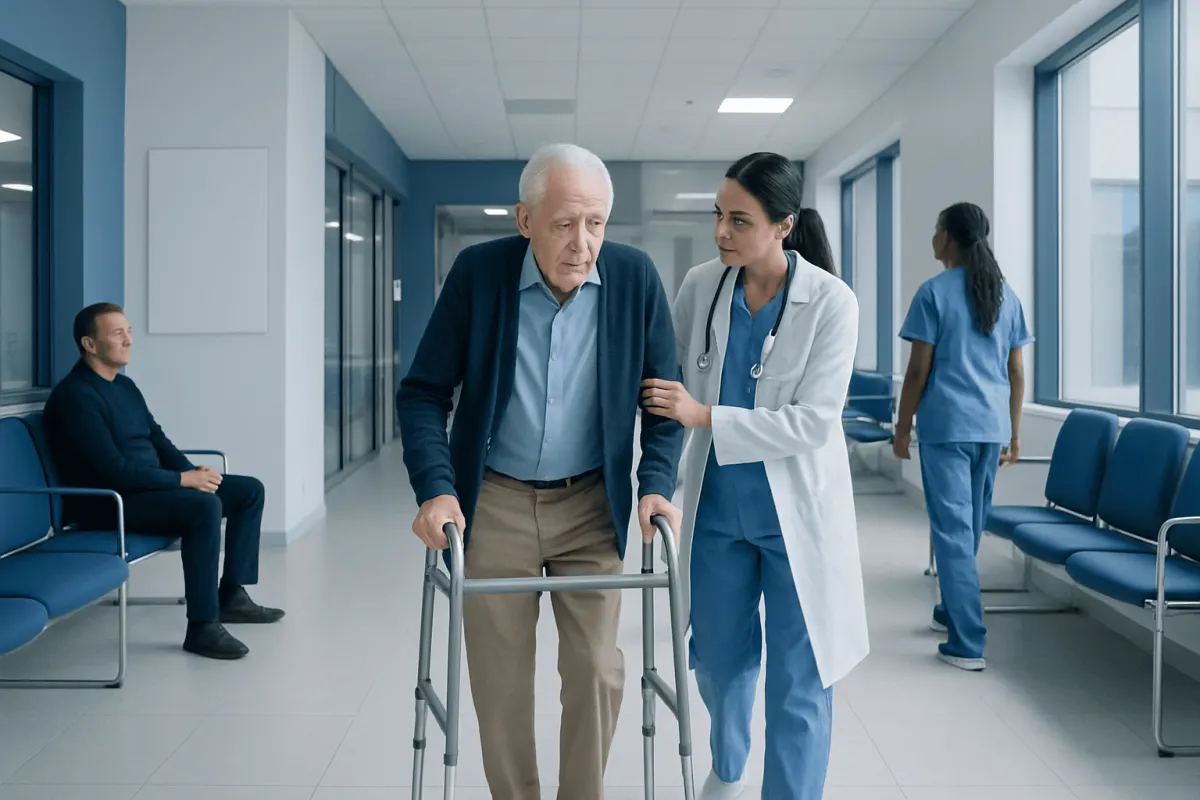
Rapid aging, increasing frailty, or a sudden loss of physical or mental function should not be dismissed as “just getting older.” These changes can be linked to treatable medical, nutritional, neurological, or emotional causes, and early evaluation can help protect independence and quality of life.
Overview: What Rapid Aging, Frailty, and Loss of Function Mean
The phrase rapid aging is often used when a person seems to lose strength, energy, mobility, memory, or independence faster than expected. While aging naturally brings gradual changes, a sudden or clearly accelerated decline is different. It may show up as becoming weaker, walking more slowly, needing help with daily tasks, or no longer recovering from minor illnesses the way one used to.
Frailty is a medical concept that describes reduced physical reserve and increased vulnerability to stress. A frail person may feel exhausted, lose muscle mass, fall more easily, or become much more affected by an infection, surgery, or medication change. Frailty can happen with age, but it is not an inevitable part of growing older, and in some cases it can be improved.
Loss of function refers to difficulty doing everyday activities such as dressing, bathing, cooking, shopping, walking outdoors, managing medicines, or handling finances. Function can also include thinking clearly, maintaining bladder control, speaking, swallowing, and participating in social life. A decline in these areas can affect safety, confidence, and quality of life.
Because rapid aging and frailty may reflect treatable problems, it is important to seek medical advice rather than assuming nothing can be done. Early evaluation can help identify causes, reduce risks, and support a more active and independent life.
Symptoms and Warning Signs That Need Attention

Some changes develop slowly over many years, while others appear over weeks or months. It is worth seeing a doctor if there is a noticeable shift in stamina, movement, memory, or ability to manage daily routines. Loved ones are often the first to observe these changes, especially when the person affected has adapted to them gradually.
Common signs include persistent weakness, unusual tiredness, slower walking, poor balance, reduced grip strength, and difficulty getting out of a chair or climbing stairs. Unintentional weight loss, reduced appetite, muscle loss, or increasing dependence on others for personal care are also important signals. Mentally, concerns may include confusion, forgetfulness, low motivation, withdrawal from social activities, or a sharp change in mood.
More urgent warning signs should be assessed promptly. These include repeated falls, fainting, new incontinence, sudden confusion, chest pain, shortness of breath, fever, new severe pain, or a rapid decline after an illness or medication change. A person who is no longer safe at home, is not eating or drinking enough, or cannot manage basic self-care also needs timely medical support.
- Unplanned weight loss
- Frequent falls or fear of falling
- New weakness or trouble walking
- Memory changes or confusion
- Difficulty with dressing, bathing, cooking, or medications
- Loss of interest, depression, or social withdrawal
Possible Causes and Risk Factors

Rapid aging and frailty can have many causes, and several may occur at the same time. Common contributors include poor nutrition, dehydration, anemia, thyroid disorders, vitamin deficiencies, uncontrolled diabetes, heart disease, lung disease, kidney problems, infections, chronic pain, and inflammatory conditions. In older adults especially, even a relatively minor illness can trigger a marked decline in strength or thinking.
Medication-related problems are another frequent cause. Side effects, drug interactions, over-sedation, dizziness, low blood pressure, or confusion can all reduce function. This is one reason doctors often review every prescription, over-the-counter medicine, and supplement during assessment. If memory, movement, or behavior are changing, neurological conditions such as Parkinson’s disease or other disorders affecting the brain and nerves may also need to be considered.
Frailty is also influenced by lifestyle and social factors. Physical inactivity, prolonged bed rest, poor sleep, loneliness, financial stress, alcohol misuse, and smoking can speed up functional decline. Recovery can be harder when a person lives alone, has limited support, or cannot access nutritious food or regular medical care.
Risk rises with age, but it is not limited to older adults. People with chronic illnesses, cancer treatment history, autoimmune disease, major surgery, or repeated hospitalizations may experience accelerated decline at younger ages as well. A careful evaluation helps separate expected aging from a potentially reversible medical problem.
How Doctors Evaluate Rapid Aging and Frailty
Medical assessment usually starts with a detailed history. The doctor may ask when symptoms began, how quickly they progressed, whether there were recent falls or illnesses, and which daily activities have become harder. Input from family members or caregivers can be helpful, especially if there are concerns about memory, judgment, or safety.
A physical exam often includes weight, blood pressure, heart and lung assessment, strength, balance, gait, reflexes, and signs of dehydration or malnutrition. The clinician may also check vision, hearing, mood, memory, and pain levels. This broad review is important because frailty often involves more than one body system.
Testing depends on the situation. Blood tests may look for anemia, infection, inflammation, kidney or liver problems, blood sugar changes, thyroid disease, vitamin deficiencies, and other metabolic issues. In some cases, doctors may recommend MRI or CT scan imaging if there are symptoms suggesting stroke, brain disease, hidden injury, or another structural cause of decline.
Many people benefit from a comprehensive geriatric assessment, which looks at medical conditions, medications, mobility, cognition, nutrition, mood, and social needs together. This kind of whole-person review can help identify practical ways to restore function, reduce risk, and plan supportive care.
Treatment Options and Supportive Care
Treatment depends on the cause of the decline. If rapid aging is linked to an infection, thyroid problem, vitamin deficiency, uncontrolled chronic illness, medication side effect, or depression, addressing that issue may improve energy, strength, and function. In many cases, care focuses on several areas at once rather than a single treatment.
Exercise is one of the most effective tools for frailty, especially programs that combine strength, balance, flexibility, and endurance training. A doctor may recommend supervised rehabilitation or physical therapy and rehabilitation to rebuild mobility safely. Nutrition support is also important, particularly when there has been weight loss, reduced appetite, or muscle wasting.
If there are concerns about memory, movement, stroke, or nerve function, referral to a specialist may be needed. For example, changes related to Alzheimer’s disease or other neurodegenerative conditions benefit from early diagnosis and planning. Treatment can also include fall-prevention strategies, home safety modifications, pain management, sleep improvement, and review of all medications to remove those that may be doing more harm than good.
When mobility is limited or diagnosis is complex, a multidisciplinary team can be especially helpful. Near the end of the care journey, some patients also seek coordinated evaluation at centers such as Acıbadem Health Point, where multidisciplinary specialists in JCI-accredited hospitals assess and treat frailty, functional decline, and related medical conditions for international patients.
Prevention and Self-Care for Healthy Aging
Although not every cause of frailty can be prevented, many everyday habits support healthier aging and help preserve function. Regular physical activity is a cornerstone. Walking, resistance exercises, balance training, and flexibility work help maintain muscle mass, bone strength, endurance, and confidence with movement. Even small increases in activity can be meaningful when started safely.
Nutrition matters as much as exercise. Eating enough protein, fruits, vegetables, whole grains, and healthy fats supports muscle and overall health. Adequate hydration is also important, especially during illness or hot weather. People who have lost weight without trying, have trouble chewing or swallowing, or lack appetite should discuss this with a doctor.
Managing chronic conditions well can reduce the risk of sudden decline. This includes attending follow-up visits, taking medicines as directed, having vision and hearing checked, and keeping recommended vaccines up to date. Good sleep, stopping smoking, limiting alcohol, and staying socially connected can also protect both physical and mental health.
Families can help by noticing changes early and encouraging evaluation before a crisis happens. A simple home review may also prevent injuries: remove trip hazards, improve lighting, install grab bars if needed, and make sure frequently used items are easy to reach. Prevention is most effective when it supports both the body and the person’s daily environment.
When to See a Doctor
A doctor should be consulted when a person seems to be aging much faster than before or is losing the ability to do normal daily activities. This is especially important if the change is new, clearly worsening, or affecting safety, nutrition, walking, memory, or medication use. Prompt medical review can uncover treatable conditions and may prevent hospitalization or long-term disability.
Make an appointment soon if there is unexplained weight loss, repeated fatigue, increasing weakness, new falls, worsening balance, or a gradual withdrawal from social life. It is also wise to seek evaluation for new confusion, forgetfulness that disrupts daily life, poor appetite, low mood, or difficulty managing personal care. These symptoms may reflect a medical condition rather than simple aging.
Urgent care is needed for sudden confusion, one-sided weakness, severe shortness of breath, chest pain, loss of consciousness, high fever, dehydration, or a fall with possible injury. A rapid decline over hours to days should never be ignored. If the person cannot safely remain alone, immediate support is needed.
When in doubt, it is reasonable to ask for a medical assessment. People often feel reassured to learn that many causes of frailty and functional decline can be addressed, and that support is available even when the cause is chronic. The goal is not just to treat disease, but to protect independence, comfort, and quality of life.
Frequently asked questions
01Is frailty the same as normal aging?
No. Normal aging may involve gradual changes, but frailty refers to reduced physical reserve and increased vulnerability to stress, illness, or injury. It is a medical concern that may improve when underlying causes are identified and treated.
02What are the first signs that rapid aging should be evaluated?
Early signs can include unusual fatigue, slower walking, weakness, reduced appetite, weight loss, falls, or difficulty with daily tasks. Memory changes, confusion, or social withdrawal also deserve attention, especially if they are new or worsening.
03Can rapid aging be reversed?
Sometimes the decline is partly reversible, depending on the cause. Problems such as dehydration, poor nutrition, medication side effects, infection, depression, or some hormone and vitamin deficiencies can often be treated, leading to better strength and function.
04Which doctor should a person see for frailty or loss of function?
A primary care doctor is a good first step and can decide whether referral is needed. Depending on symptoms, a geriatrician, neurologist, cardiologist, endocrinologist, rehabilitation specialist, or dietitian may also be involved.
05When is rapid aging an emergency?
It is urgent when there is sudden confusion, chest pain, severe shortness of breath, fainting, a serious fall, one-sided weakness, signs of stroke, or inability to eat, drink, or stay safe at home. A very rapid decline over hours or days should be assessed immediately.
06How can family members help someone who seems to be declining?
Family members can track symptoms, encourage a medical visit, and help with practical steps such as bringing a medication list to appointments. They can also improve home safety, watch for falls or poor nutrition, and offer support without assuming the changes are simply due to age.
This article is for general information only and is not a substitute for professional medical advice. Please consult a qualified doctor about your individual situation.
Explore treatments in Turkey — costs, top hospitals & a free quote
JCI-accredited · board-certified surgeons · reply within 24h
Add us as a Preferred Source to see more of our trusted health content across Google Search, AI Overviews and Discover.