Penile Implant Recovery: Healing, Activity, and Follow-Up
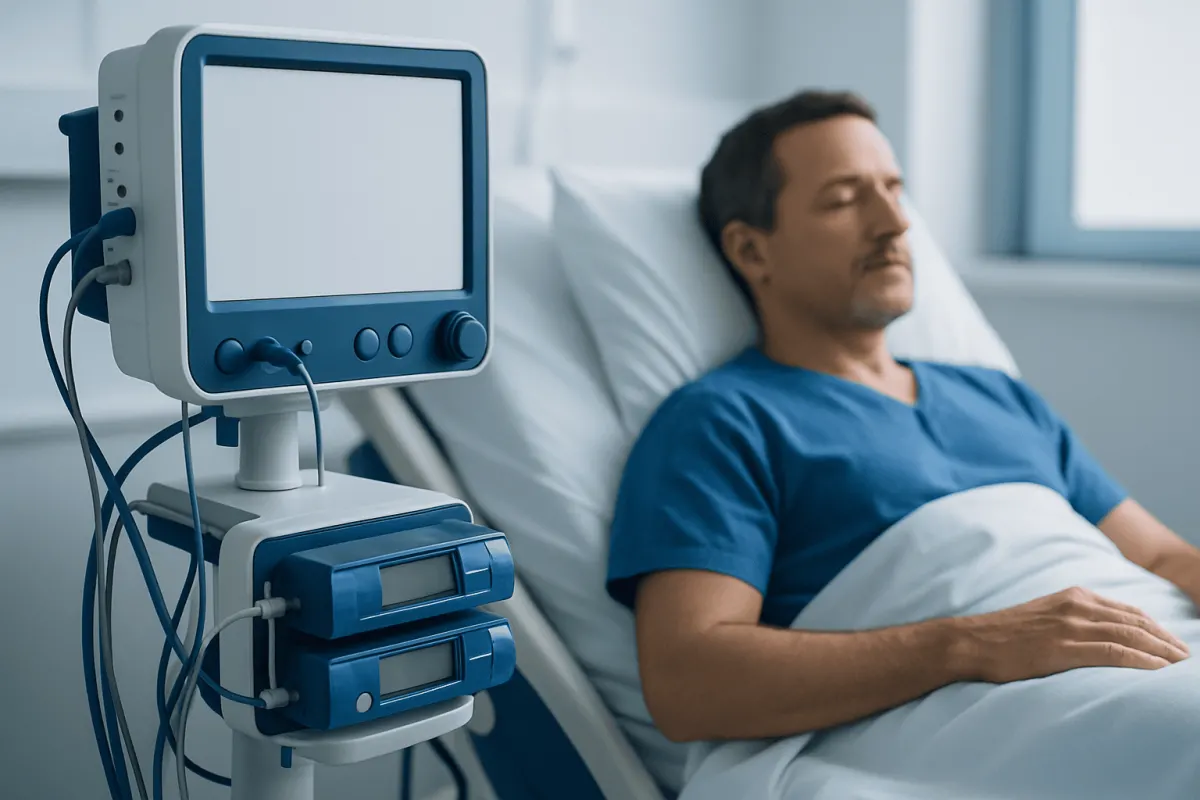
Penile implant recovery is gradual: most people can walk carefully within a day or two, return to many desk-based jobs in about 1-2 weeks, and resume sexual activity only after their surgeon confirms healing, often at 4-6 weeks. The exact timeline varies with implant type, overall health, work demands, and whether there were any surgical concerns.
Overview: What Penile Implant Recovery Involves
Penile implant recovery begins immediately after surgery and continues over several weeks as swelling settles, the incision heals and the person becomes comfortable with the device. A typical recovery period is about 4-6 weeks, although full confidence with implant use may take longer. The operating urologist’s instructions should always take priority, because recovery plans are individualized.
A penile implant, also called a penile prosthesis, is a surgically placed device used to treat erectile dysfunction when other options have not provided satisfactory results or are not suitable. It is concealed inside the body and does not change sensation, orgasm or ejaculation in people who had these functions before surgery. For an overview of indications and implant choices, see penile implant treatment.
The first weeks are less about testing sexual function and more about protecting the surgical site, managing discomfort and avoiding strain. Follow-up visits are important because they allow the care team to check healing, review symptoms and explain when it is safe to begin cycling an inflatable implant or resume sexual activity.
How a Penile Implant Works and Who May Be a Candidate
There are two main implant types. Inflatable implants contain cylinders placed inside the penis, a small pump in the scrotum and a fluid reservoir placed internally. Squeezing the pump produces an erection, while a release mechanism returns the penis to a softer state. Malleable or semi-rigid implants use bendable rods that can be positioned for intercourse or tucked down for everyday comfort.
Penile implants may be considered for adults with erectile dysfunction that is persistent and has not responded adequately to less invasive treatment, such as oral medicines, vacuum erection devices or injections. They can also be appropriate in selected cases of erectile dysfunction related to conditions such as diabetes, nerve injury, pelvic surgery or Peyronie’s disease, particularly when penile curvature and erectile difficulty occur together.
Before recommending surgery, a urologist reviews medical history, sexual health, current medicines, previous pelvic operations and expectations. Active infection, uncontrolled medical conditions or an inability to safely undergo anesthesia may mean surgery should be delayed or may not be appropriate. A realistic understanding of the implant’s purpose, operation and recovery requirements is essential for informed decision-making.
What Happens During the Procedure

Penile implant surgery is usually performed under general anesthesia or regional anesthesia with sedation. The surgeon makes an incision in a location chosen to provide safe access while minimizing visible scarring. The erectile tissue is prepared, and the implant components are placed within the penis and, for inflatable devices, in the scrotum and lower abdomen or pelvis.
The procedure commonly takes one to several hours, depending on the implant type and individual surgical factors. Antibiotics and sterile surgical techniques are used to reduce the risk of infection. The surgeon closes the incision and may apply a dressing or supportive garment. Some patients go home the same day, while others stay overnight for observation.
Immediately after surgery, the penis may be supported in an elevated position. Some surgeons leave an inflatable implant partly inflated for a short time to support healing; others use a different approach. A catheter to drain urine may be used briefly in some cases. The care team explains what has been used and when it will be removed or adjusted.
Penile Implant Recovery: Week-by-Week Timeline
Days 0-3: It is common to have soreness, swelling, bruising and fatigue. Pain control, rest and short, frequent walks are usually encouraged to support circulation. The person should keep the incision clean and dry as instructed, wear supportive underwear if recommended, and arrange help with transport and routine tasks. Driving should be avoided while taking sedating pain medicine or while movement is limited.
Week 1: Swelling and bruising may still be noticeable, particularly in the penis and scrotum, but discomfort should generally become more manageable each day. Gentle walking around the home and brief outdoor walks may be appropriate. Desk-based work may be possible toward the end of this week for some people, but only if pain is controlled and the job does not involve lifting, prolonged travel or strenuous activity.
Weeks 2-3: Many people feel more mobile and can gradually increase walking and normal daily activity. Return to office work is often possible during this stage, while jobs involving heavy lifting, climbing, manual labor or long periods of physical exertion usually need more recovery time. The incision should be healing without increasing redness, warmth, drainage or separation. Follow-up may include an incision check and, for an inflatable device, discussion of when to begin learning pump use.
Weeks 4-6: The surgeon may clear the person to cycle an inflatable implant and later to resume sexual activity, often around this period once wounds are healed and tenderness has settled. This timing differs among individuals and should not be rushed. Light exercise can typically progress, but cycling, weight training, running, contact sports and other activities that put pressure on the groin should wait until the surgical team approves them.
After 6 weeks: Many people return to their usual routines, including exercise and sexual activity, with clinician approval. Some tenderness or unfamiliar sensations can persist temporarily, and using an inflatable implant may require practice. Ongoing follow-up helps address concerns about pump operation, comfort, appearance or sexual confidence.
Benefits, Risks and Practical Self-Care
A penile implant can provide a reliable, on-demand erection for intercourse without needing medication immediately before sex. Because the device is internal, it is not visible beneath clothing. For many people and couples, the predictable nature of the implant can reduce anxiety associated with erectile dysfunction. However, an implant does not increase sexual desire, treat relationship concerns or reverse all causes of sexual difficulty.
As with any operation, there are possible risks. These include infection, bleeding, pain, wound-healing problems, changes in penile sensation, device malfunction, erosion of a component and the possible need for further surgery. Infection is uncommon but important because it may require removal of the implant. The surgeon discusses individual risk factors, including diabetes control, immune status and prior surgery.
During recovery, prescribed medicines should be taken exactly as directed. People should avoid smoking or nicotine products where possible because they can impair wound healing. They should also follow guidance on bathing, dressing changes, supportive underwear, constipation prevention and activity restrictions. Do not attempt to inflate, deflate or manipulate the device unless the surgical team has specifically instructed this.
- Take short walks regularly, increasing distance gradually.
- Avoid heavy lifting, straining and vigorous exercise until cleared.
- Wear comfortable, supportive underwear if recommended.
- Attend all planned follow-up appointments, even if recovery appears to be going well.
When to Seek Medical Care
It is sensible to contact the surgical team if pain is not improving, swelling is worsening rather than settling, or there are questions about the incision or device. Early advice can often clarify whether a symptom is part of expected healing or needs assessment. Patients should use the contact instructions provided at discharge, particularly during the first few weeks after surgery.
Prompt medical care is needed for fever, chills, increasing redness or warmth around the incision, pus-like or foul-smelling drainage, wound opening, heavy bleeding, severe or rapidly worsening pain, inability to pass urine, or new severe swelling. These symptoms do not always indicate a serious problem, but they should be evaluated without delay because infection and bleeding need timely treatment.
Emergency care is appropriate for chest pain, shortness of breath, fainting, signs of a severe allergic reaction, or sudden swelling and pain in a leg. These are not specific to penile implant surgery, but they require urgent assessment after any operation. The person should not wait for a routine follow-up appointment if they are concerned.
Returning to Work, Sport and Sexual Activity
Return-to-work timing depends largely on job demands. A person with a sedentary role may be able to return after about 1-2 weeks if they can sit comfortably, avoid heavy lifting and are no longer taking medicines that affect alertness. People with physically demanding work often need at least 4-6 weeks and may require longer if the job includes lifting, squatting, climbing, cycling or prolonged driving.
Walking is usually the first exercise resumed, followed by progressively more activity as discomfort and swelling improve. Swimming and baths should wait until the incision is fully healed and the surgeon approves. Gym training, running, cycling, horseback riding and contact sports can place pressure or strain on the healing area, so the timing should be confirmed individually at follow-up.
Sexual activity should only resume when the surgeon says the incision and internal tissues have healed adequately. For many people this is around 4-6 weeks, but it may be later. For inflatable implants, the patient is taught how to inflate and deflate the device before sexual use. Acıbadem Health Point’s multidisciplinary specialists and JCI-accredited hospitals support diagnosis and treatment planning for international patients seeking care for erectile dysfunction and penile implant surgery.
Frequently asked questions
01How long does penile implant recovery take?
Initial healing usually takes several weeks, and many people are cleared for sexual activity at about 4-6 weeks. Recovery can take longer depending on the implant type, overall health, extent of swelling, work demands and any postoperative concerns. The operating surgeon provides the safest timeline for each individual.
02When can a person return to work after a penile implant?
Some people with desk-based work can return in approximately 1-2 weeks if they are comfortable and no longer need sedating pain medicine. Manual labor and jobs requiring lifting, climbing, prolonged driving or strenuous activity often require 4-6 weeks or more. A surgeon can provide documentation and personalized restrictions when needed.
03When can someone exercise after penile implant surgery?
Short, gentle walks are commonly encouraged early in recovery. Strenuous exercise, heavy weight lifting, running, cycling and activities that put pressure on the groin should wait until the surgeon confirms that healing is adequate. The return should be gradual rather than based only on the calendar.
04Is swelling normal after penile implant surgery?
Mild to moderate swelling, bruising and tenderness in the penis and scrotum are common during the early recovery period. These symptoms should gradually improve rather than become more severe. Worsening swelling, marked redness, fever, drainage or severe pain should be discussed promptly with the surgical team.
05Will a penile implant affect sensation or orgasm?
A penile implant creates rigidity but does not directly change penile sensation, orgasm or ejaculation in most people who had these functions before surgery. Erectile dysfunction may coexist with other health conditions that affect sexual function, so individual outcomes vary. A urologist can explain what is realistic based on a person’s medical history.
06When can an inflatable penile implant be used?
The device should not be used for sexual activity until the surgeon provides clearance, often after 4-6 weeks. The care team may teach inflation and deflation techniques during a follow-up appointment once healing has progressed sufficiently. Following those instructions helps protect the surgical site and build confidence with the device.
This article is for general information only and is not a substitute for professional medical advice. Please consult a qualified doctor about your individual situation.
Explore treatments in Turkey — costs, top hospitals & a free quote
JCI-accredited · board-certified surgeons · reply within 24h
Add us as a Preferred Source to see more of our trusted health content across Google Search, AI Overviews and Discover.