When Is the Best Age to Get a Facelift?

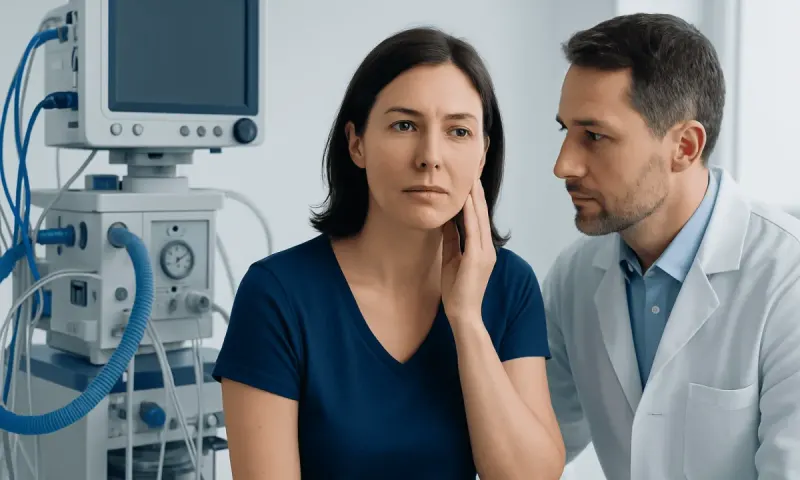
There is no single best age to get a facelift. The procedure is most appropriate when a person has noticeable facial laxity or jowling, is in good overall health, and has realistic goals based on an individual surgical assessment rather than a birthday.
Overview: Is There a Best Age to Get a Facelift?
The best age to get a facelift is not a specific age. It is the point at which changes such as jowls, loose skin along the jawline, deep folds around the mouth, or descent in the cheeks bother a person and a qualified surgeon believes surgery can address them safely and naturally.
Facelifts are commonly considered from the 40s through the 60s, although some people seek treatment earlier for inherited laxity and others are suitable candidates later in life. Overall health, smoking status, skin quality, facial bone structure, the degree of tissue descent, and expectations matter more than whether someone is 45, 55, or 70.
A facelift, also called rhytidectomy, is designed to improve the lower face and neck by repositioning underlying tissues and managing excess skin. It is not simply a skin-tightening procedure. It also does not change skin texture, erase fine lines, or prevent normal facial aging, so a personalized plan may include other approaches when appropriate.
At What Age Is a Facelift Most Beneficial?
A facelift is often most beneficial when facial aging has become visible enough that non-surgical treatments no longer provide the desired improvement, while skin retains sufficient elasticity to heal and redrape well. For many patients, this occurs in midlife, frequently between the 40s and 60s. However, this range is only a general pattern, not a rule.
Someone in their 40s may be a good candidate if they have early jowling, a soft jawline, or genetic fullness and laxity in the neck. A person in their 60s may benefit when deeper folds, cheek descent, neck banding, and more substantial excess skin are present. Older adults can also be candidates when their medical assessment is favorable and they can safely undergo anesthesia and recovery.
Online discussions, including searches for “best age to get a facelift reddit,” can offer personal stories but cannot determine suitability. The best age to do a face lift is based on an examination of the individual face, a review of medical history, and a frank conversation about what surgery can and cannot achieve.
How a Facelift Works and Who May Be a Candidate

Modern facelift techniques usually work below the skin surface. The surgeon carefully lifts and repositions supportive facial layers, often called the superficial musculoaponeurotic system (SMAS), then redrapes the skin without excessive tension. This approach is intended to restore contour in a way that looks balanced rather than overly pulled.
Good candidates generally have concerns involving the cheeks, jawline, lower face, or neck; are medically fit for surgery; do not smoke or can stop nicotine use well before and after the procedure; and understand the expected scars and recovery period. Stable body weight, good nutrition, and the ability to follow aftercare instructions can also support healing.
A consultation for facelift surgery should include an assessment of skin quality, facial proportions, eyelid and brow position, neck anatomy, medications, previous procedures, and personal priorities. A surgeon may recommend a facelift alone or discuss complementary procedures only if they fit the person’s goals.
People should postpone or avoid elective cosmetic surgery when they have uncontrolled medical conditions, active infection, poorly managed blood pressure or diabetes, significant bleeding risks, or expectations that surgery cannot realistically meet. The surgeon and anesthesia team determine whether it is safe to proceed.
What Happens During a Facelift Procedure?
The details of a facelift vary according to the areas being treated. Before surgery, the clinical team reviews the plan, photographs may be taken for medical planning, and the anesthesia approach is discussed. Facelift surgery is typically performed in an accredited surgical setting under anesthesia selected for the individual procedure and patient needs.
Incisions are commonly placed around the ear and within the hairline where possible, so they can be concealed as they heal. The surgeon elevates the skin, adjusts deeper supporting tissues, removes or redistributes fat when indicated, trims excess skin conservatively, and closes the incisions. A neck lift may be performed at the same time when the neck is a major concern.
After surgery, dressings and sometimes small drains may be used for a short time. Patients need an adult to help them travel home and assist during the initial recovery period. The care team provides instructions on wound care, activity limits, follow-up visits, pain control, and signs that require prompt medical advice.
Recovery Timeline, Benefits and Limits
Recovery differs between individuals and depends on the extent of surgery and whether other procedures were performed. Bruising, swelling, tightness, numbness, and mild discomfort are expected early effects. These gradually improve, although residual swelling and changes in sensation can take several weeks or, in some cases, longer to settle fully.
Many people are comfortable doing light activities after the first stage of healing, but strenuous exercise, heavy lifting, bending, and activities that raise blood pressure need to be avoided for the period advised by the surgeon. Visible bruising often improves over a few weeks, while the final contour continues to refine over subsequent months.
The main potential benefits are a clearer jawline, smoother lower-face contour, improved neck definition, and a more rested appearance. A facelift can make a person look refreshed, but it does not create a different face or permanently halt aging. Sun protection, avoiding smoking, stable weight, and an individualized skin-care plan may help preserve the result.
Patients considering the best age to get first facelift should allow enough time for recovery and follow-up, rather than scheduling around an immediate social event. A careful plan and realistic recovery window are as important as choosing the right technique.
Can a Facelift Make You Look 10 Years Younger?
A facelift may make some people appear younger or more rested, but no surgeon can responsibly promise a specific number of years. The phrase “10 years younger” is subjective and depends on the starting facial anatomy, the extent of aging changes, skin quality, hairstyle, makeup, lifestyle, and how others perceive the result.
The most reliable goal is an improvement that looks harmonious and recognizably like the person. Facelift surgery is particularly effective for laxity in the lower face and neck, but it may not fully address fine lines, sun damage, uneven pigmentation, hollowing around the eyes, or changes in the forehead.
When indicated, a surgeon may discuss separate treatments for skin surface concerns or volume changes. These options should be chosen cautiously and according to clinical need, rather than to pursue an unrealistic age-related promise.
What Is the Next Best Thing Besides a Facelift?
There is no single “next best” alternative because non-surgical options treat different concerns and generally produce subtler, temporary results. For early laxity or changes in skin quality, a clinician may discuss professionally selected skin-care treatments, energy-based skin tightening, injectable neuromodulators for expression lines, dermal fillers for selected volume loss, or resurfacing procedures.
These approaches can be useful for people who are not ready for surgery, have mild concerns, or want maintenance after a surgical procedure. However, they cannot lift descended deep tissues or remove substantial excess skin in the same way as a facelift. Repeated treatments may be needed, and each option has its own risks and limitations.
A non-surgical consultation should focus on the exact concern rather than the broad wish to “look younger.” For example, laxity, volume loss, dynamic wrinkles, and sun-related texture changes require different approaches. An experienced clinician can explain whether a non-surgical treatment is likely to provide a meaningful benefit.
Risks, Regret and When to Seek Medical Care
Like all surgery, facelift surgery has potential risks. These include bleeding or hematoma, infection, delayed wound healing, visible or widened scars, temporary or persistent numbness, skin injury, hairline changes, asymmetry, fluid collection, and injury to facial nerve branches. Smoking, nicotine exposure, certain medications, and some medical conditions can increase complication risks.
What is the most regretted cosmetic surgery? There is no medically reliable single answer, because regret is personal and varies across studies, procedures, expectations, and circumstances. Regret is more likely when a person feels pressured, has incomplete information, chooses treatment for someone else’s approval, or expects surgery to solve wider emotional or relationship difficulties. A thoughtful consultation and time for reflection are important safeguards.
After a facelift, urgent medical advice is needed for sudden one-sided swelling, rapidly increasing pain, significant bleeding, breathing difficulty, chest pain, fever, spreading redness, drainage that seems abnormal, or any symptom that causes concern. Patients should use the emergency guidance provided by their surgical team.
Acıbadem Health Point’s multidisciplinary specialists and JCI-accredited hospitals assess and treat international patients considering facial plastic surgery, with care plans based on medical suitability and individual goals.
Frequently asked questions
01What is the best age to get a facelift?
There is no fixed best age to get a facelift. A person may be suitable when facial laxity, jowls, neck changes, or deep lower-face folds are present and they are healthy enough for surgery. Many first procedures occur between the 40s and 60s, but suitability is individualized.
02Is 40 too young for a facelift?
Age 40 is not automatically too young or too old. Some people have early facial or neck laxity due to genetics, weight changes, or sun exposure, while others have few concerns at this age. A surgeon can determine whether surgery or a less invasive option fits the degree of change.
03Is 60 too old for a facelift?
Being 60 does not by itself prevent someone from having a facelift. Medical fitness, healing capacity, medications, smoking status, and anesthesia assessment are more important than chronological age. A qualified surgical team can evaluate individual safety considerations.
04How long does a facelift last?
A facelift does not stop aging, but its structural improvement can remain visible for years. The duration varies with facial anatomy, skin quality, technique, sun exposure, smoking, weight changes, and natural aging. Good skin care and healthy habits may help maintain the result.
05Can non-surgical treatments replace a facelift?
Non-surgical treatments can improve selected concerns, such as fine lines, skin texture, mild laxity, or volume loss. They cannot remove excess skin or reposition deeper facial tissues to the same degree as facelift surgery. Their effects are usually more subtle and often temporary.
06How can someone reduce the chance of regretting a facelift?
It helps to choose a qualified surgeon, discuss goals honestly, understand the scar and recovery process, and avoid making a rushed decision. Patients should seek surgery for their own reasons and accept that improvement—not perfection—is the realistic goal. A second consultation can be helpful when there is uncertainty.
This article is for general information only and is not a substitute for professional medical advice. Please consult a qualified doctor about your individual situation.
Explore treatments in Turkey — costs, top hospitals & a free quote
JCI-accredited · board-certified surgeons · reply within 24h
Add us as a Preferred Source to see more of our trusted health content across Google Search, AI Overviews and Discover.