When Is Gastric Sleeve Surgery Not Recommended?

Gastric Sleeve Surgery: BMI Criteria, Health Goals, and Patient Selection" class="ahp-ilk">Gastric sleeve surgery can be an effective treatment for obesity, but it is not the right option for everyone. Careful screening helps identify when the procedure should be delayed, avoided, or replaced with another weight-loss approach.
Overview
Gastric sleeve surgery, also called sleeve gastrectomy, is a type of weight-loss surgery in which a large portion of the stomach is removed, leaving a smaller tube-shaped stomach. This limits how much food can be eaten at one time and also affects hormones involved in hunger and metabolism. For many people with obesity, it can support meaningful weight loss and improvement in obesity-related conditions.
Even so, gastric sleeve surgery is not recommended in every situation. Doctors do not decide based only on body mass index. They also look at overall health, digestive symptoms, mental well-being, previous operations, eating patterns, and the person’s ability to follow lifelong nutritional guidance and medical follow-up.
In some cases, sleeve surgery is clearly unsuitable. In others, it may simply need to be postponed until an issue is treated or better controlled. A full evaluation by a bariatric team helps determine whether gastric sleeve surgery is the safest and most effective option, or whether another form of bariatric surgery or non-surgical treatment would be more appropriate.
Who May Not Be a Good Candidate
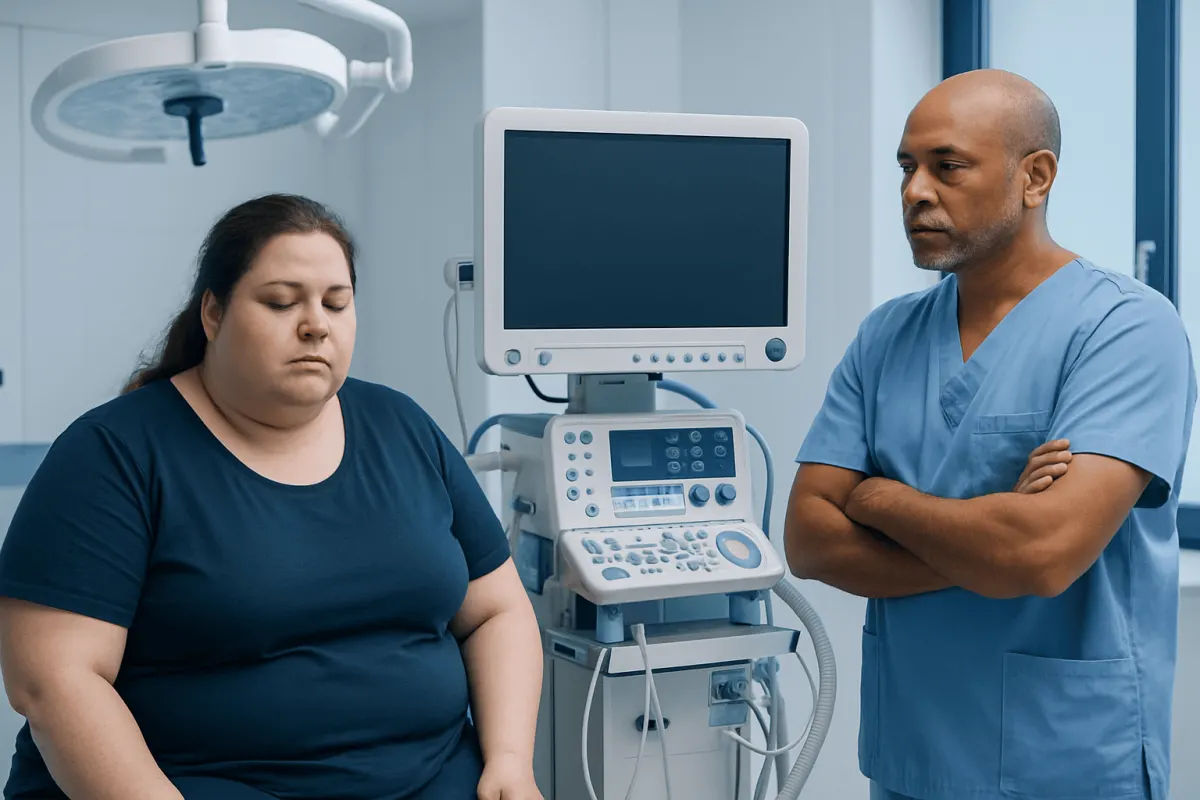
Gastric sleeve surgery may not be recommended for people who have uncontrolled serious medical conditions that make anesthesia or surgery unsafe. Examples can include unstable heart disease, severe untreated lung disease, advanced liver failure, active blood clotting problems, or a medical condition causing very high short-term surgical risk. In these situations, the priority is to stabilize health first.
It may also be unsuitable for someone who cannot safely participate in long-term care after surgery. Sleeve gastrectomy requires regular checkups, vitamin monitoring, gradual dietary progression, and sustained changes in eating and activity. If a person is not yet ready for these responsibilities, the team may advise more preparation before surgery.
Another important group includes people whose obesity is linked to a treatable cause that should be addressed first, such as an unmanaged endocrine condition or medication-related weight gain. Some patients with severe morbid obesity benefit from surgery, but the exact procedure still depends on the person’s medical profile, goals, and risks rather than weight alone.
Medical Conditions That Can Delay or Prevent Surgery
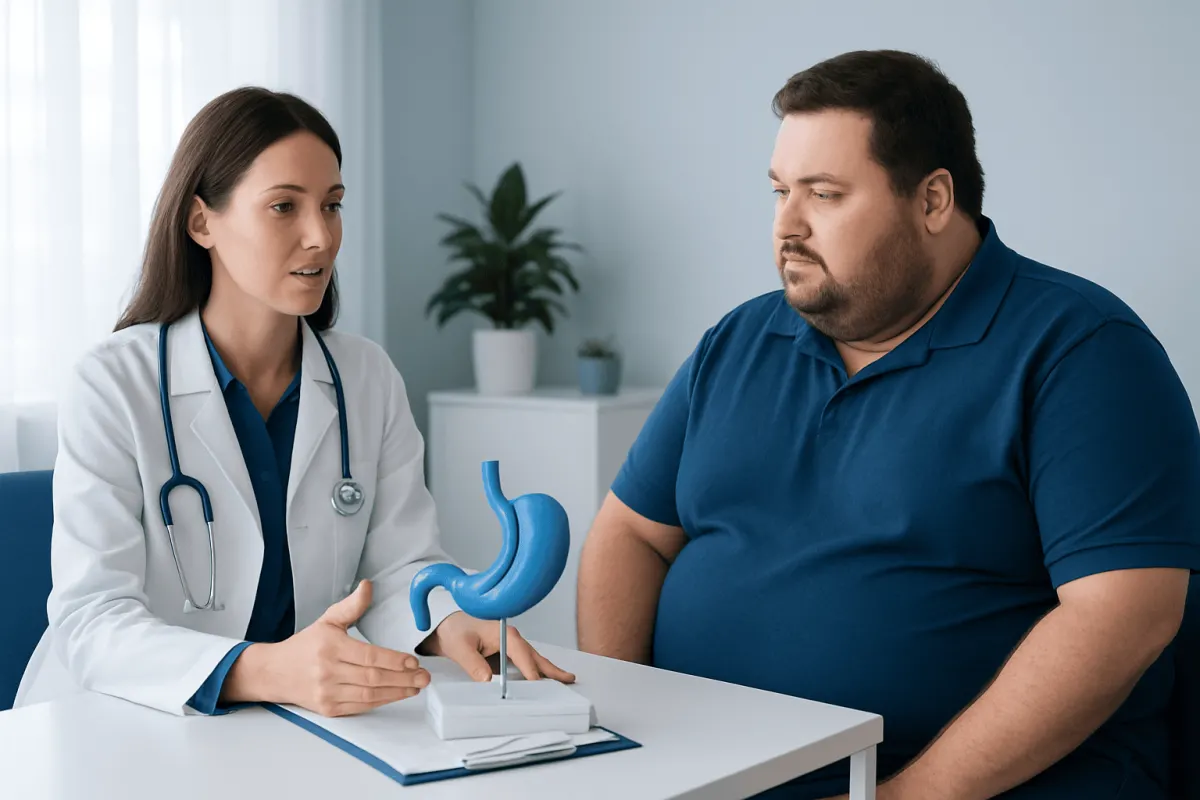
Active infection, untreated cancer, recent major cardiovascular events, or severe organ dysfunction may lead doctors to delay or avoid gastric sleeve surgery. A person may also need additional testing if they have chest pain, poorly controlled high blood pressure, obstructive sleep apnea that has not been assessed, or significant kidney or liver disease. These conditions do not always rule out surgery forever, but they often require optimization first.
Pregnancy is another time when gastric sleeve surgery is not recommended. Weight-loss surgery is usually postponed until after pregnancy and recovery because the body’s nutritional needs are different during this period. People planning pregnancy in the near future should discuss timing carefully with their surgeon and obstetric specialist.
Substance use disorders can also affect safety. Ongoing alcohol misuse or drug misuse raises the risk of complications, poor nutrition, difficulty with follow-up, and unhealthy postoperative coping patterns. For these individuals, treatment and stabilization are usually advised before considering surgery.
Sometimes prior abdominal conditions or hernias may need separate assessment, especially if symptoms suggest another surgical issue such as an incisional hernia. In such cases, the bariatric team decides whether repair should happen before, during, or instead of sleeve surgery.
Digestive and Nutritional Reasons Sleeve Surgery May Not Be Ideal
Gastroesophageal reflux disease is one of the most important reasons gastric sleeve surgery may not be the best choice. The sleeve can worsen reflux in some people, particularly if symptoms are already severe or if there is inflammation of the esophagus. For patients with significant reflux, a different operation such as gastric bypass may sometimes be preferred because it can better address both weight and reflux symptoms.
Certain stomach or intestinal conditions also need careful review. These may include active ulcers, severe gastritis, Barrett’s esophagus, swallowing disorders, or inflammatory conditions affecting the digestive tract. The concern is not only the surgery itself but also whether the altered stomach anatomy could worsen symptoms or complicate future treatment and monitoring.
Poor nutritional status is another reason to pause. Even though sleeve surgery is mainly restrictive, it can still make it harder to meet protein, iron, vitamin B12, folate, and other nutrient needs. If a person already has significant malnutrition, frequent vomiting, or severe eating-related deficiencies, doctors usually correct those issues before operating.
Previous abdominal surgery does not automatically prevent a sleeve procedure, but dense scar tissue or altered anatomy can make the operation more complex. In such situations, the surgeon may discuss whether laparoscopic gastric surgery is feasible or whether another approach would be safer.
Mental Health, Eating Behaviors, and Readiness
Mental health is an important part of bariatric assessment because surgery changes not only the body, but also daily routines, eating patterns, and expectations. Gastric sleeve surgery may not be recommended at the moment for someone with untreated severe depression, active psychosis, uncontrolled bipolar disorder, or suicidal crisis. The goal is not to exclude people unfairly, but to make sure support is in place for safe recovery and long-term success.
Eating behaviors matter as well. Recurrent binge eating, loss-of-control eating, or patterns of grazing can reduce the benefits of sleeve surgery if they are not recognized and treated. Emotional eating and trauma-related eating do not always prevent surgery, but they often require counseling and structured support before and after the procedure.
Doctors also look at whether the person understands what sleeve surgery can and cannot do. It is not a quick fix, and it does not work well without long-term habits, follow-up appointments, and nutritional supplements when prescribed. Someone expecting surgery to solve every weight-related problem without lifestyle changes may be advised to spend more time in preparation.
For some people, a non-surgical option such as stomach reduction without surgery or a staged plan may be more realistic at first. The right choice depends on medical safety, readiness, and the support available at home and in healthcare.
How Doctors Decide if Sleeve Surgery Is Appropriate
Evaluation usually begins with a detailed medical history, physical examination, and review of weight-related conditions such as type 2 diabetes, high blood pressure, sleep apnea, and joint problems. Doctors assess previous diets, medications, surgeries, and any symptoms suggesting reflux, ulcers, gallstones, or bowel disease. This broad review helps show whether sleeve gastrectomy is suitable and whether another option may fit better.
Testing may include blood work to check blood counts, blood sugar, liver and kidney function, vitamin levels, and nutritional status. Some patients also need a sleep study, heart assessment, lung testing, abdominal imaging, or an upper endoscopy to examine the esophagus and stomach. These tests are used to lower risk and plan the safest path.
Psychological evaluation is often part of standard bariatric care. This does not mean the person is being judged. Instead, it helps identify stress, depression, anxiety, substance use, disordered eating, or unrealistic expectations so that support can be offered early.
After this workup, the team may recommend proceeding with sleeve gastrectomy, delaying surgery for treatment optimization, or choosing another method such as gastric balloon therapy. Decision-making is individualized and aims to balance effectiveness, safety, and the person’s long-term needs.
Alternatives, Preparation, and Self-care
Not being a candidate for gastric sleeve surgery right now does not mean weight treatment has failed. Many people improve their eligibility after controlling blood sugar, stopping smoking, treating sleep apnea, addressing reflux, correcting nutritional deficiencies, or working with a mental health professional. A delay can be a positive step toward safer surgery and better long-term results.
Some people may do better with another bariatric procedure. For example, those with severe reflux may be guided toward gastric bypass, while others may benefit from a less invasive temporary option or a structured medical weight-management plan. The most suitable treatment depends on symptoms, anatomy, medical conditions, and treatment goals.
Helpful self-care steps before any weight-loss procedure include building regular meal patterns, increasing physical activity as tolerated, improving sleep, reducing alcohol, stopping nicotine use, and learning postoperative nutrition principles. These changes can lower complications and make recovery smoother.
Near the end of the decision process, some patients seek care in centers with coordinated expertise. Acıbadem Health Point’s multidisciplinary specialists in JCI-accredited hospitals evaluate and treat obesity for international patients, helping determine whether surgery, another procedure, or a non-surgical plan is the most appropriate next step.
When to See a Doctor
A person should speak with a doctor if obesity is affecting daily life or contributing to conditions such as diabetes, high blood pressure, fatty liver disease, sleep apnea, or joint pain. Medical advice is also important when repeated diet and exercise efforts have not led to lasting improvement. An assessment can clarify whether bariatric treatment is appropriate and which option is safest.
Anyone considering gastric sleeve surgery should seek medical evaluation promptly if they have severe reflux, difficulty swallowing, repeated vomiting, black stools, unexplained abdominal pain, chest symptoms, or signs of poor nutrition. These symptoms do not necessarily mean surgery is impossible, but they do require investigation first.
Professional support is also important if there is depression, anxiety, binge eating, alcohol misuse, or concern about coping after surgery. Early discussion gives the healthcare team time to provide treatment and improve readiness. In many cases, addressing these issues can open the door to safer and more effective weight-loss care later on.
Frequently asked questions
01Can someone be denied gastric sleeve surgery?
Yes. A bariatric team may advise against surgery if the risks are too high or if important medical, psychological, or nutritional issues are not yet under control. In many cases, this is a delay rather than a permanent denial, and treatment of those issues may improve eligibility.
02Is severe acid reflux a reason to avoid gastric sleeve surgery?
It can be. Sleeve surgery may worsen reflux in some people, so patients with severe or complicated reflux often need careful testing before a decision is made. In some situations, another procedure such as gastric bypass may be a better fit.
03Does mental health affect eligibility for sleeve gastrectomy?
Yes, but mental health concerns do not automatically prevent surgery. The main issue is whether symptoms are stable and whether the person has enough support to manage recovery and long-term lifestyle changes. Treatment and counseling can often help someone become a safer candidate.
04Can gastric sleeve surgery be postponed instead of canceled?
Often, yes. Surgery may be postponed to treat anemia, improve diabetes control, stop smoking, evaluate reflux, or address sleep apnea or emotional eating. This preparation can reduce complications and support better long-term results.
05What if gastric sleeve surgery is not recommended for me?
There are other options. Depending on the reason, a doctor may suggest another bariatric procedure, an endoscopic treatment, medication, or a structured medical weight-management program. The best alternative depends on overall health, digestive symptoms, and weight-loss goals.
06Can previous abdominal surgery prevent a gastric sleeve?
Not always. Many people with previous abdominal operations can still have bariatric surgery, but scar tissue or changed anatomy may increase complexity. The surgeon decides this after reviewing surgical history and, when needed, imaging or endoscopy.
This article is for general information only and is not a substitute for professional medical advice. Please consult a qualified doctor about your individual situation.
Medical weight-loss options in Turkey — costs & eligibility
JCI-accredited · board-certified surgeons · reply within 24h
Add us as a Preferred Source to see more of our trusted health content across Google Search, AI Overviews and Discover.