Private Weight Loss Surgery: Steps, Recovery and Candidacy

Private weight loss surgery is a planned bariatric care pathway for people with obesity when non-surgical weight-management approaches have not provided sufficient or sustained benefit. Eligibility, procedure choice and recovery plans are individualized through assessment by a multidisciplinary clinical team.
Private Weight Loss Surgery: An Overview
Private weight loss surgery refers to bariatric surgery arranged through an independent hospital or specialist service, with assessment, surgery, aftercare and follow-up coordinated by a bariatric team. It is not a shortcut or a cosmetic procedure. Instead, it is a medical treatment that changes the digestive system to support meaningful, long-term weight loss alongside nutrition, activity and behavioral changes.
For appropriately selected people living with obesity, bariatric surgery can support weight reduction and may improve conditions linked with excess weight, such as type 2 diabetes, obstructive sleep apnea, high blood pressure and fatty liver disease. The best procedure depends on a person’s body mass index (BMI), health conditions, previous abdominal surgery, eating patterns, medication use and treatment goals.
A private pathway should still include the same core safeguards as any high-quality bariatric program: clear eligibility assessment, informed consent, anesthesia review, dietitian support, psychological screening where indicated, and structured long-term follow-up. Weight loss surgery is most effective when it is part of ongoing medical care rather than a one-time intervention.
Who May Be a Candidate for Bariatric Surgery?
Eligibility is based on more than body weight alone. In many guidelines, surgery may be considered for adults with a BMI of 40 or above, or a BMI of 35 or above with a significant weight-related health condition. Some people with a lower BMI and difficult-to-control metabolic disease, particularly type 2 diabetes, may also be evaluated under specialist guidance. Exact criteria can vary by country, clinical guideline and individual circumstances.
The assessment usually explores previous attempts at medically supervised weight management, current health conditions, medications, sleep quality, mobility, nutrition, alcohol and nicotine use, and readiness for permanent changes in eating habits. A team also checks whether a person understands the benefits, limitations and need for lifelong follow-up.
Some factors may mean surgery needs to be delayed or approached differently. These can include untreated eating disorders, uncontrolled mental health conditions, substance dependence, pregnancy plans in the immediate future, or medical problems that increase anesthesia or surgical risk. These issues do not automatically exclude a person from treatment; they often indicate that additional support or stabilization is needed first.
- Assessment commonly includes blood tests, nutrition review and screening for conditions such as diabetes or sleep apnea.
- Patients may meet a bariatric surgeon, physician, anesthesiologist, dietitian and mental health professional.
- Stopping nicotine products before surgery is important because nicotine can impair healing and increase complications.
How Weight Loss Surgery Works and What Happens Step by Step
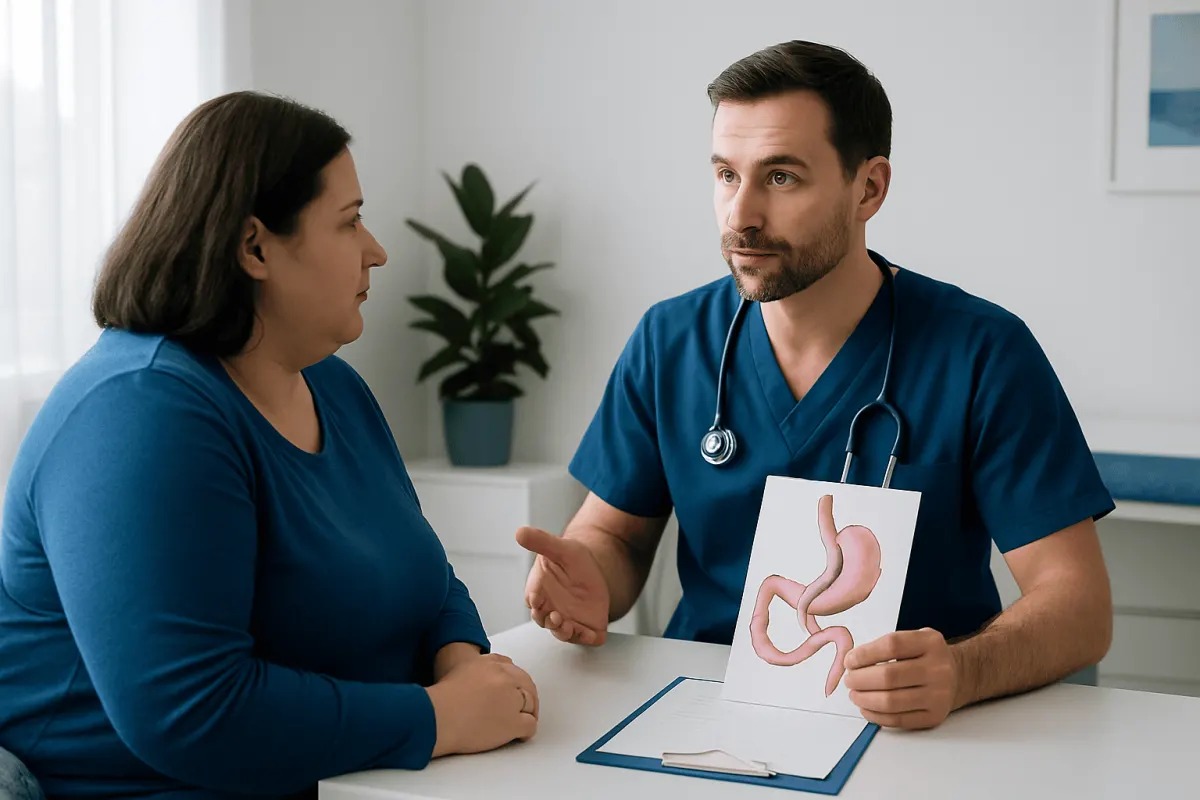
Bariatric procedures work mainly by reducing stomach capacity, changing gut hormone signaling, and, with some operations, reducing the amount of intestine that absorbs nutrients. These changes can help a person feel full with smaller portions, reduce hunger and improve metabolic health. They do not remove the need for balanced meals, physical activity and follow-up care.
Before surgery, the team confirms the planned procedure and explains preparation, which may include a short preoperative eating plan to reduce liver size, medication adjustments and fasting instructions. On the day of surgery, the patient receives general anesthesia. Many operations are performed laparoscopically, using small abdominal incisions and a camera, although the surgical approach depends on individual needs.
In sleeve gastrectomy, a large portion of the stomach is removed, leaving a narrow, sleeve-shaped stomach. In gastric bypass, a small stomach pouch is created and connected to a lower part of the small intestine, so food bypasses part of the stomach and intestine. The operation generally takes several hours or less, but total time in the operating area includes anesthesia preparation and recovery.
After surgery, patients are monitored for pain, hydration, mobility and signs of complications. They are encouraged to walk as soon as it is safe to lower the risk of blood clots and support breathing. Most patients remain in hospital for a short period, depending on their procedure, general health and recovery progress.
What Is Recovery Like After Weight Loss Surgery?
Recovery after weight loss surgery is gradual and varies between procedures and individuals. During the first days, tiredness, abdominal tenderness, bloating and changes in bowel habits can occur. Pain is usually managed with prescribed medication, while frequent short walks, breathing exercises and adequate fluids support early recovery.
Many people return to light daily activities within one to two weeks, while return to work depends on the procedure, job demands and individual healing. Work involving heavy lifting, strenuous exercise and driving may need to wait until the surgical team confirms it is safe. Follow-up appointments are important for checking incisions, hydration, nutrition, weight trends and emotional adjustment.
Eating follows a staged plan designed to protect the healing stomach and help patients meet fluid and protein needs. The stages commonly begin with clear liquids, followed by fuller liquids, smooth or pureed foods, soft foods and then carefully reintroduced solid foods. The exact schedule differs by procedure and bariatric program, so the surgical dietitian’s instructions should take priority.
Long-term recovery includes taking recommended vitamin and mineral supplements, attending blood tests and building sustainable routines. Deficiencies in nutrients such as iron, vitamin B12, folate, calcium and vitamin D can occur, particularly after bypass procedures. Regular monitoring allows the team to identify and treat nutritional problems early.
When Can I Eat Regular Food After Gastric Sleeve?
After Gastric Sleeve Surgery: BMI Criteria, Health Goals, and Patient Selection" class="ahp-ilk">gastric sleeve surgery, regular-textured food is usually reintroduced gradually over several weeks rather than immediately. Many programs begin with liquids, then move to pureed foods and soft foods before carefully adding small portions of solid food. The timing varies, but a transition toward regular healthy textures often occurs around six to eight weeks when healing is progressing well.
“Regular food” does not mean returning to previous portion sizes or eating habits. Meals are typically small, protein-focused and eaten slowly, with thorough chewing. Patients are usually advised to avoid drinking with meals, carbonated drinks and foods that cause discomfort, such as dry meats, doughy bread, fried foods or highly sugary items.
Advancing food too quickly can cause nausea, vomiting, pain or poor hydration. A bariatric dietitian can adapt the plan for food tolerance, medical conditions, cultural preferences and nutritional needs. Persistent difficulty swallowing, repeated vomiting or an inability to keep fluids down should be reported to the surgical team promptly.
How to Sleep After Bariatric Surgery
After bariatric surgery, sleeping on the back with the upper body slightly elevated is often more comfortable during the first days or weeks. A wedge pillow or extra pillows may reduce pressure on abdominal incisions and can be especially helpful for people with reflux or sleep apnea. Patients should follow their surgeon’s specific advice, particularly if they use continuous positive airway pressure (CPAP) therapy.
Side sleeping may be comfortable once it does not cause pain or pull on the incision area. A pillow placed between the knees, behind the back or against the abdomen can provide support. Stomach sleeping is usually avoided early on because it can place direct pressure on the healing abdomen.
Short walks during the day, appropriate pain control and a regular sleep routine may also help. Patients should seek medical advice if sleep is disrupted by severe pain, shortness of breath, chest discomfort, repeated vomiting or symptoms of sleep apnea that are worsening rather than improving.
Benefits, Risks and Revision From Sleeve to Bypass
Weight loss surgery can support substantial and sustained weight reduction, improve mobility and quality of life, and reduce the impact of some obesity-related conditions. However, outcomes vary. Weight change depends on the procedure, starting health status, eating habits, physical activity, medications, follow-up attendance and other individual factors.
All operations carry risks. Early surgical risks can include bleeding, infection, blood clots, reactions to anesthesia, leaks from surgical connections and dehydration. Longer-term issues may include reflux, gallstones, nutritional deficiencies, bowel changes, low blood sugar episodes or weight regain. The surgical team discusses the relevant risks in detail before treatment and provides a plan for prevention and monitoring.
A revision from sleeve gastrectomy to gastric bypass may be considered for severe reflux, inadequate weight loss, weight regain or certain complications. The amount of additional weight lost after revision cannot be predicted reliably for an individual. Studies show variable results, and weight change is often influenced by the reason for revision, time since the original surgery, anatomy, health conditions and adherence to follow-up.
Revision surgery is generally more complex than a first bariatric procedure, so assessment may include imaging, endoscopy, nutrition testing and a careful review of eating patterns. A specialist team can explain whether revision is appropriate and what realistic health and weight goals may be.
When to Seek Medical Care
Patients should contact their bariatric team promptly after surgery if they have worsening abdominal pain, persistent nausea or vomiting, trouble drinking fluids, fever, redness or drainage from wounds, new leg swelling, or symptoms of dehydration such as very dark urine, dizziness or markedly reduced urination. Early contact can help the team assess whether treatment is needed.
Emergency medical care is needed for chest pain, breathing difficulty, fainting, confusion, coughing blood, severe or rapidly worsening abdominal pain, or signs of significant bleeding. These symptoms are uncommon, but they should not be managed at home.
Regular medical care remains important after recovery. Follow-up helps monitor nutrition, medication needs, mental wellbeing and changes in obesity-related conditions such as type 2 diabetes. Acıbadem Health Point’s multidisciplinary specialists and JCI-accredited hospitals provide assessment and treatment for international patients considering bariatric care.
Frequently asked questions
01What is private weight loss surgery?
Private weight loss surgery is bariatric treatment arranged through an independent hospital or specialist service. It should include medical assessment, surgery when appropriate, dietitian input and long-term follow-up, rather than surgery alone.
02What is recovery like after weight loss surgery?
Recovery commonly includes a short hospital stay, gradual return to walking and daily activities, and a staged diet that progresses from liquids to solid foods. Tiredness and abdominal soreness are common early on, while full adjustment to new eating habits and supplement routines takes longer.
03When can I eat regular food after gastric sleeve?
Many patients gradually reintroduce regular-textured, healthy foods around six to eight weeks after gastric sleeve surgery. The exact timing depends on healing and the bariatric team’s dietary protocol, so patients should not advance food textures without guidance.
04How should I sleep after bariatric surgery?
Sleeping on the back with the upper body elevated is often most comfortable initially. Side sleeping may be possible when it does not cause pain, while stomach sleeping is commonly avoided early in recovery because it can put pressure on the abdomen.
05How much weight do you lose with revision from sleeve to bypass?
Weight loss after revision from sleeve to bypass varies widely and cannot be accurately predicted for one person. Outcomes depend on the reason for revision, anatomy, health conditions, eating habits and continued follow-up, so a bariatric specialist should discuss realistic individual expectations.
06Will I need vitamins after weight loss surgery?
Yes. Most patients need lifelong vitamin and mineral supplements after bariatric surgery, although the exact supplements depend on the procedure and blood test results. Regular monitoring is important because nutritional deficiencies can develop even when a person feels well.
This article is for general information only and is not a substitute for professional medical advice. Please consult a qualified doctor about your individual situation.
Medical weight-loss options in Turkey — costs & eligibility
JCI-accredited · board-certified surgeons · reply within 24h
Add us as a Preferred Source to see more of our trusted health content across Google Search, AI Overviews and Discover.