When Is Deep Brain Stimulation an Option for Parkinson Disease?
Deep brain stimulation for Parkinson disease can be an effective option for carefully selected people whose symptoms are no longer managed well with medication alone. It does not cure Parkinson disease, but it may improve movement symptoms, reduce medication-related complications, and support daily function.
Overview: what deep brain stimulation is
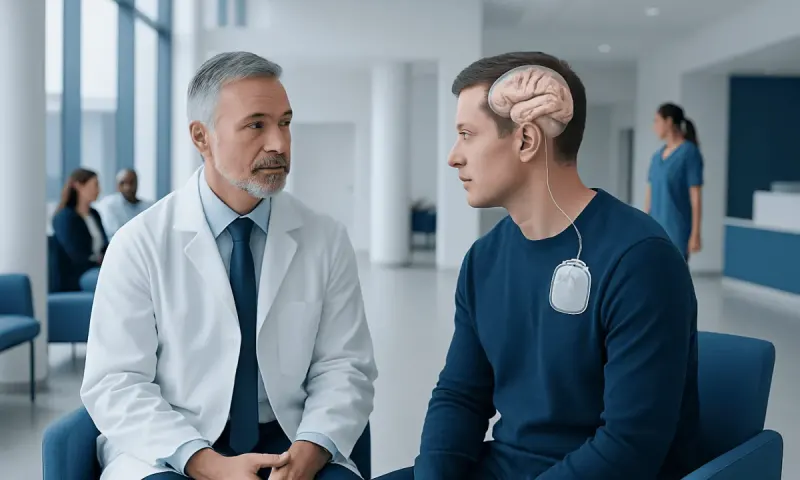
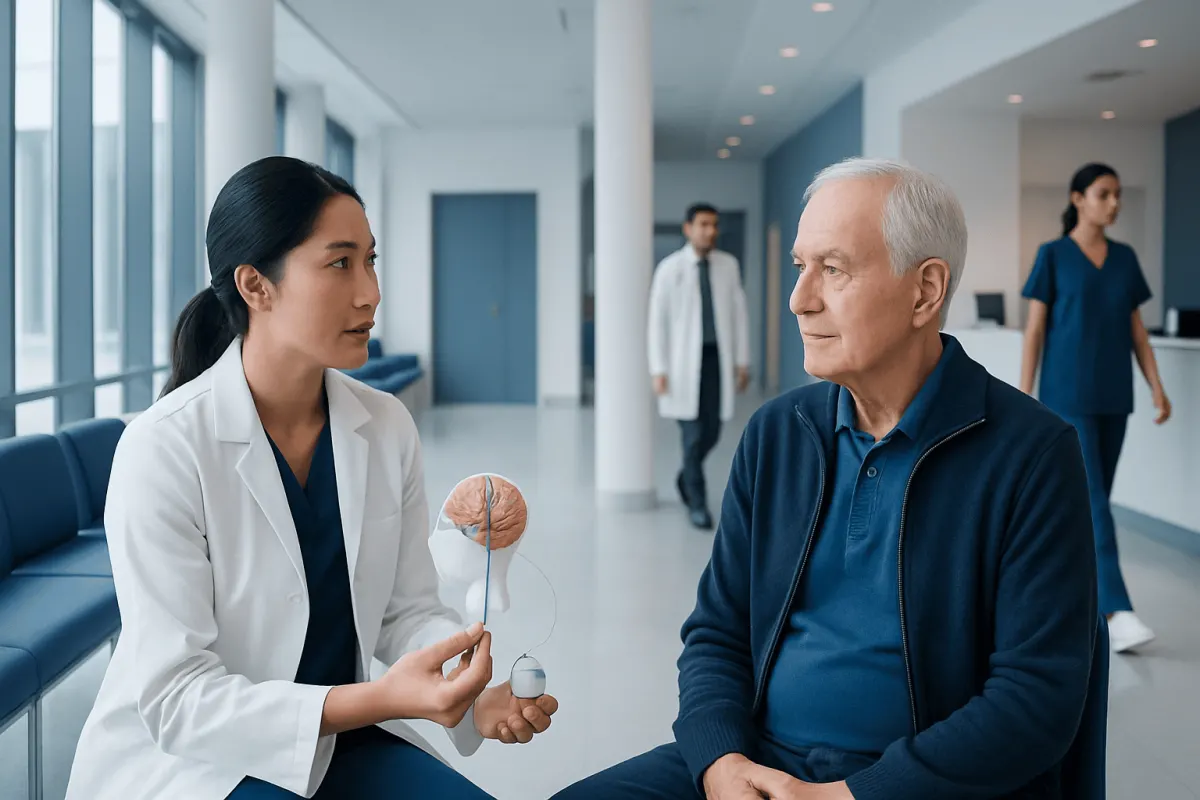
Deep brain stimulation for Parkinson disease is a surgical treatment that uses thin electrodes placed in specific areas of the brain to help regulate abnormal signaling involved in movement symptoms. The electrodes are connected to a small pulse generator, usually implanted under the skin in the chest, which sends controlled electrical impulses. These impulses do not destroy brain tissue; instead, they modulate the activity of targeted brain circuits.
DBS is most often considered for people with Parkinson disease who still respond to levodopa or related medicines but have developed complications such as wearing-off periods, unpredictable symptom swings, or involuntary movements called dyskinesias. In some people, it can also help control tremor that remains troublesome despite medication.
It is important to understand what DBS can and cannot do. It may improve motor symptoms and reduce the amount of medication some patients need, but it does not cure Parkinson disease and does not stop it from progressing. Symptoms that do not usually improve with levodopa, such as major balance problems, severe speech difficulties, or dementia-related symptoms, are also less likely to improve with DBS.
When DBS may become an option
DBS is usually discussed when Parkinson disease begins to interfere more significantly with everyday life despite well-managed medication treatment. A person may have good periods when medicines are working, followed by “off” periods when tremor, stiffness, slowness, or difficulty walking return before the next dose. These fluctuations can become more frequent and harder to predict over time.
Another common reason to consider DBS is dyskinesia, the involuntary writhing or fidgeting movements that can develop after long-term dopaminergic treatment. Sometimes medicines can be adjusted, but in certain patients these changes do not provide a good balance between symptom relief and side effects. DBS may help widen that treatment window.
Doctors generally look for several features that suggest DBS could be helpful:
- Clear diagnosis of Parkinson disease rather than another movement disorder
- Good previous response to levodopa, even if the response has become inconsistent
- Troublesome motor fluctuations or dyskinesias
- Medication-resistant tremor
- Overall health that allows surgery and follow-up care
Timing matters. DBS is not only a “last resort,” but it is also not usually the first treatment after diagnosis. It tends to be most useful when symptoms are advanced enough to cause meaningful limitations, yet the person still has a reasonable likelihood of benefiting from targeted brain stimulation.
Who may not be an ideal candidate

DBS is not suitable for everyone with Parkinson disease. A person may be less likely to benefit if symptoms are mainly those that typically respond poorly to levodopa, such as severe balance impairment, freezing that does not improve with medication, or advanced speech and swallowing problems. In these situations, surgery may not provide the expected benefit.
Memory problems, untreated depression, severe anxiety, psychosis, or other significant psychiatric concerns also need careful assessment before surgery. These issues do not always rule out DBS, but they can affect both safety and outcome. A thorough neuropsychological and psychiatric evaluation helps the team understand whether surgery is appropriate and how to support the patient afterward.
Doctors also consider age, general medical health, blood-thinning medication use, and the ability to attend regular follow-up appointments. Since DBS requires programming and medication adjustments over time, the treatment is best for people who can participate in long-term care with a specialized team.
How doctors evaluate candidacy
Choosing DBS involves more than deciding that symptoms are severe. Most centers use a multidisciplinary evaluation led by movement disorder neurologists and functional neurosurgeons. The process often includes a detailed medical history, neurological examination, review of medication response, brain imaging, and assessment of mood and thinking abilities.
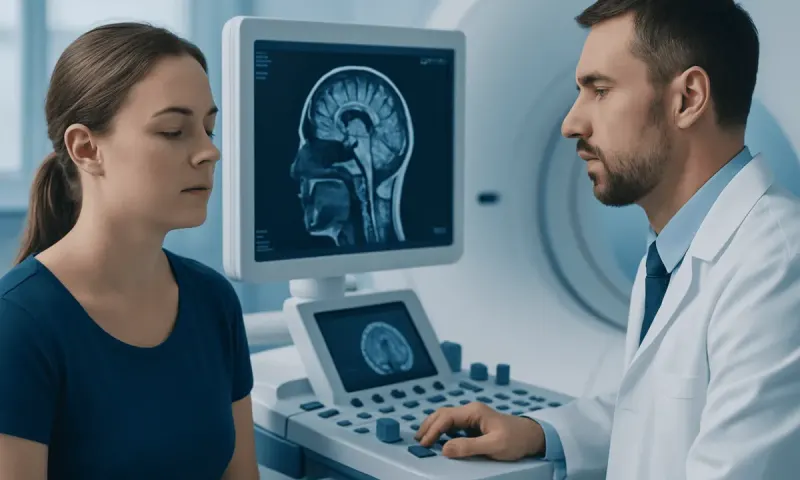
One important part of the workup is comparing symptoms in the “off” medication state and the “on” medication state. This helps doctors see which symptoms improve with levodopa and may therefore be more likely to respond to DBS. Brain imaging, often with MRI, is used to check anatomy and rule out other issues that could affect planning for MRI-guided targeting.
The treatment team also discusses the goals of surgery with the patient and family. Some people hope to reduce tremor, others want fewer off periods, and others mainly want to reduce dyskinesias or medication burden. Clear goals are important because DBS is a personalized therapy, and success is judged not only by examination findings but also by meaningful improvements in daily life.
For complex cases, care may involve specialists in neurology, neurosurgery, neuropsychology, and rehabilitation. This coordinated approach helps identify the people most likely to benefit and prepares them for realistic expectations before and after surgery.
How the procedure works and what to expect
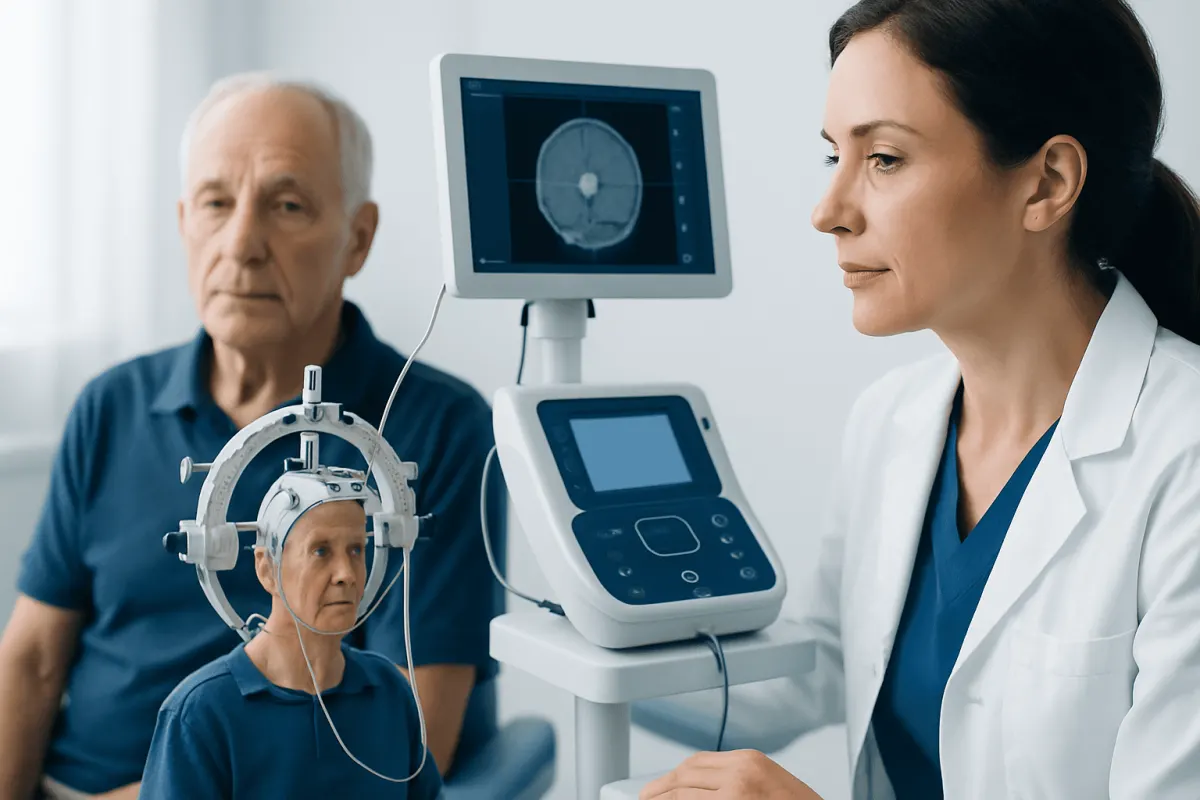
During DBS treatment, a neurosurgeon places very thin electrodes into selected brain targets linked to movement control. In Parkinson disease, commonly targeted areas include the subthalamic nucleus and the globus pallidus interna. The choice depends on the person’s symptom pattern, medication effects, and treatment goals.
After the electrodes are positioned, they are connected to a pulse generator implanted under the skin, usually near the collarbone. The device can later be programmed from outside the body, allowing the medical team to adjust stimulation settings over time. This is one of the main advantages of DBS: the therapy is adjustable and can be fine-tuned as symptoms change.
Recovery does not end with surgery. In the weeks after implantation, the device is activated and programmed during follow-up visits. Medication doses may also be adjusted gradually. Many people need several appointments before the best combination of stimulation settings and medicines is found. This ongoing optimization is a key part of treatment success.
In experienced centers, planning may involve advanced imaging and neurosurgery expertise to improve precision and safety. Patients are usually advised that improvement is often gradual rather than immediate, especially as programming is refined over the first months.
Benefits, limits, and possible risks
For the right candidate, DBS can significantly improve tremor, rigidity, slowness of movement, and motor fluctuations. It may reduce the duration of off periods and help some people lower the amount of Parkinson medication they need. Many patients report better daily function, easier movement, and improved quality of life.
However, DBS has limits. It does not cure Parkinson disease or prevent future progression. Symptoms that are not strongly related to dopamine response may continue or become more prominent over time. These can include speech difficulties, posture and balance problems, autonomic symptoms, and some non-motor features such as sleep issues or cognitive decline.
Like any brain procedure, DBS carries risks. These may include bleeding, infection, stroke, hardware problems, pain at the implant site, or side effects related to stimulation such as speech changes, mood changes, tingling, or balance problems. Careful patient selection, experienced surgical teams, and close follow-up help reduce these risks and manage side effects if they occur.
The decision to proceed should balance expected symptom improvement against the effort and risks involved. A detailed discussion with a specialist team helps patients and families understand whether the likely benefits match their goals and stage of disease.
Life after DBS: self-care and ongoing follow-up
DBS is a long-term therapy rather than a one-time fix. After implantation, patients need regular visits for device programming, symptom review, and medication adjustments. The pulse generator battery also requires monitoring and, depending on the device type, may eventually need replacement or recharging support.
Healthy routines remain important after surgery. Regular exercise, physical therapy, speech therapy, balanced nutrition, good sleep habits, and fall-prevention strategies can all support function in Parkinson disease. Even when DBS is successful, these measures continue to play a major role in day-to-day well-being.
Patients should contact their care team if they notice worsening symptoms, signs of infection around the incision, sudden changes in speech or movement, mood changes, or concerns about the device. Prompt review can help identify whether symptoms are related to stimulation settings, medication timing, disease progression, or another medical issue.
Near the end of the care journey discussion, some international patients choose evaluation at centers with multidisciplinary movement disorder programs. Acıbadem Health Point’s specialists and JCI-accredited hospitals provide diagnosis and treatment planning for patients who may be considering advanced therapies such as DBS.
When to speak with a specialist
A person with Parkinson disease should consider asking about DBS when medicines still help but no longer provide stable control throughout the day. Frequent off periods, disabling tremor, or dyskinesias that interfere with daily activities are common reasons to request a specialist review. Earlier discussion can be helpful, because candidacy is often best assessed before symptoms become too advanced.
Consultation is also appropriate when there is uncertainty about the diagnosis or about whether symptoms are truly medication-responsive. A movement disorder specialist can review the pattern of symptoms and explain whether DBS, medication changes, infusion therapies, or other strategies are more suitable.
Urgent medical advice is needed for sudden neurological changes, confusion, severe falls, chest symptoms related to the device area, fever, or redness and drainage at incision sites. These symptoms are not typical aspects of routine DBS adjustment and should be assessed promptly by a qualified doctor.
Frequently asked questions
01Does deep brain stimulation cure Parkinson disease?
No. Deep brain stimulation does not cure Parkinson disease and does not stop the disease from progressing. It is used to help control certain symptoms, especially movement-related symptoms that still respond to medication but are no longer managed consistently.
02What symptoms does DBS help most?
DBS most often helps tremor, stiffness, slowness of movement, motor fluctuations, and dyskinesias. It tends to work best for symptoms that improve with levodopa. Symptoms such as severe balance problems, advanced speech difficulty, or dementia are usually less responsive.
03When should a person with Parkinson disease ask about DBS?
A good time to ask is when medication still works but causes difficult side effects or does not last reliably between doses. Common signs include frequent off periods, troublesome dyskinesias, or tremor that remains disabling despite treatment. A movement disorder specialist can help decide whether formal evaluation is appropriate.
04Is DBS only for older people with very advanced disease?
No. DBS is not reserved only for the latest stage of Parkinson disease. In many cases, it is considered when symptoms have become meaningfully disruptive but the person still has a good chance of benefiting from surgery and long-term device programming.
05Will DBS allow someone to stop Parkinson medication completely?
Not usually. Some people can reduce their medication after DBS, but many still need Parkinson medicines. The goal is generally better symptom control and fewer complications, not necessarily complete medication withdrawal.
06Is deep brain stimulation safe?
DBS is a well-established treatment when performed in experienced centers, but it is still brain surgery and carries risks. These can include infection, bleeding, hardware-related issues, or stimulation side effects. Careful evaluation and follow-up are important parts of making treatment as safe and effective as possible.
This article is for general information only and is not a substitute for professional medical advice. Please consult a qualified doctor about your individual situation.
Explore treatments in Turkey — costs, top hospitals & a free quote
JCI-accredited · board-certified surgeons · reply within 24h
Add us as a Preferred Source to see more of our trusted health content across Google Search, AI Overviews and Discover.