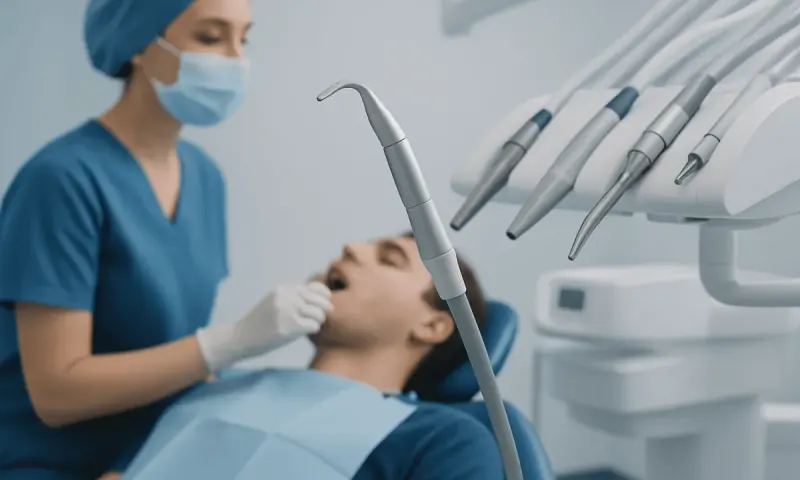
When Can I Eat After Tooth Extraction?
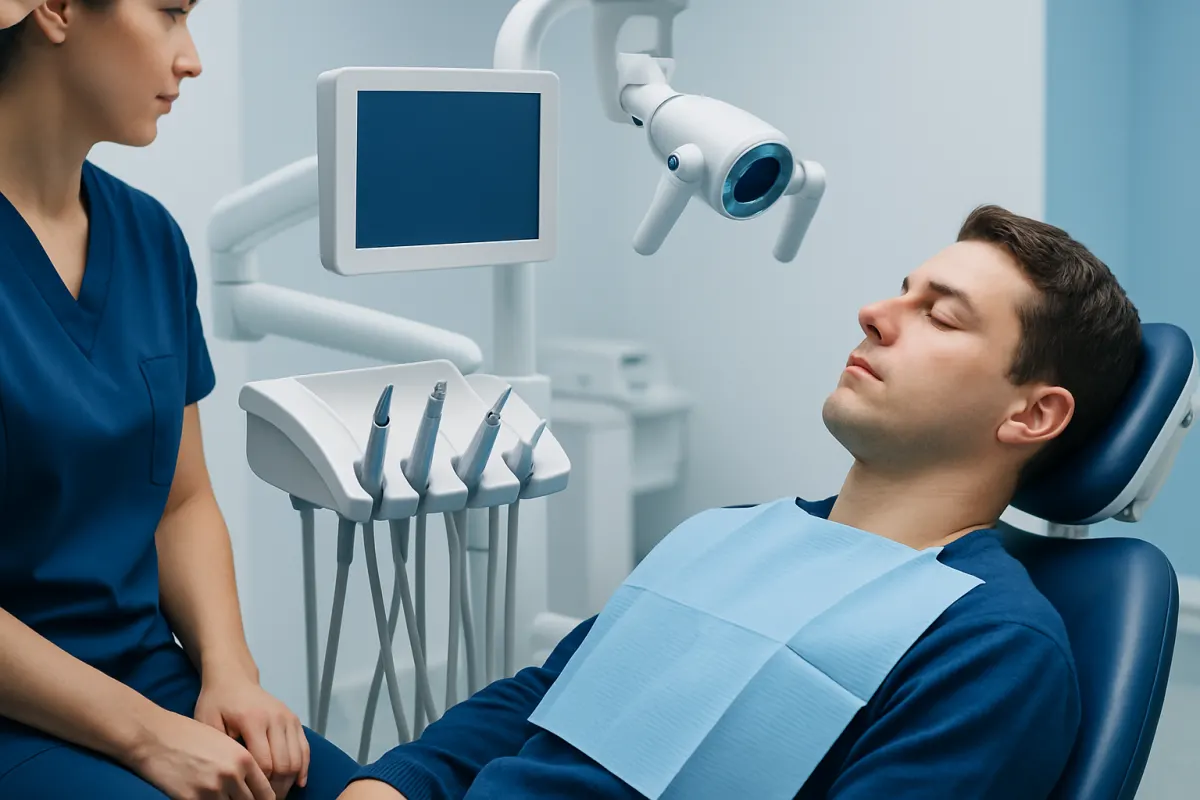
Most people can eat cool, soft foods within a few hours of a tooth extraction, once numbness has worn off enough to avoid biting the cheek, tongue, or lip. Food choices and chewing habits matter because they help protect the blood clot that supports normal healing in the extraction socket.
When can someone eat after a tooth extraction?
Most people can eat after a tooth extraction once they are fully awake and the local anesthetic has worn off enough that they can feel their lips, tongue, and cheeks. This is often within a few hours. Cool or room-temperature soft foods, eaten slowly and away from the extraction area, are usually the safest starting point.
It is common to feel cautious about eating during the first day. Mild tenderness, a small amount of oozing, and difficulty opening the mouth widely can make meals less comfortable, particularly after removal of a wisdom tooth or a surgical extraction. These effects are usually temporary and do not necessarily mean that something is wrong.
The main early goal is to protect the blood clot that forms in the empty tooth socket. This clot acts as a natural cover for the underlying bone and nerve endings and is an important part of healing. If it is dislodged, healing may become more painful and take longer.
Medical review is important if pain becomes severe rather than gradually improving, bleeding does not settle with firm pressure, swelling continues to worsen, or there is fever, pus, or a persistent unpleasant taste or odor. A dentist will examine the socket and surrounding gums, ask about symptoms and medications, and may take an X-ray if infection, a retained fragment, or another complication is suspected.
A practical eating timeline after extraction
During the first several hours, it is generally best to wait until numbness has mostly passed before eating. This lowers the chance of accidentally biting soft tissues or burning the mouth with hot food. Small sips of water are usually appropriate unless the dental team has given different instructions because of sedation, surgery, or another health condition.
For the first 24 hours, soft foods that need little or no chewing are often most comfortable. Examples include yogurt, applesauce, mashed potato, scrambled eggs, smooth soups that have cooled, oatmeal, cottage cheese, pudding, and blended foods eaten with a spoon. Foods should not contain seeds, nuts, grains, or small particles that can become trapped in the socket.
Over the next two to three days, many people can add foods such as soft pasta, tender fish, well-cooked vegetables, soft rice if it does not irritate the area, and finely minced meat. Chewing should remain on the side opposite the extraction whenever possible. After a simple extraction, a gradual return to the usual diet may be possible within several days if comfort is improving.
Healing times vary. A difficult extraction, impacted wisdom tooth removal, bone grafting, stitches, multiple extractions, diabetes, smoking, or reduced immune function may mean that a soft diet is needed for longer. The dentist or oral surgeon’s individual instructions should take priority over general timelines.
Foods and drinks that may interfere with healing

Some foods can mechanically disturb the extraction site. Hard or crunchy items such as chips, popcorn, crusty bread, nuts, crackers, and raw vegetables can press against the socket or leave fragments behind. Sticky foods, including chewy sweets, may pull at the area or be difficult to clean away.
Very hot foods and drinks are best avoided during the first day because heat may increase bleeding and can be difficult to judge while numbness remains. Spicy or acidic foods may sting healing tissue. Carbonated drinks can also be uncomfortable for some people, especially if the gums are tender.
Drinking through a straw should be avoided for the period recommended by the dental team, often at least several days. The suction created in the mouth may loosen the blood clot. Smoking, vaping, and other tobacco or nicotine use can also delay healing and substantially increase the risk of dry socket, a painful condition in which the clot is lost too early.
Alcohol should be avoided during early recovery, particularly when taking prescription pain medicines, antibiotics, or medicines that cause drowsiness. It can irritate the area, contribute to dehydration, and interact with some medications. A pharmacist, dentist, or doctor can advise when alcohol is safe for an individual situation.
Why eating can feel difficult after an extraction
Discomfort while eating usually reflects normal inflammation and tissue healing. The gums, jaw muscles, and nearby tissues may be sore after the procedure, and swelling can make chewing or opening the mouth less comfortable. These symptoms often improve gradually over the first few days.
A local anesthetic can also temporarily affect sensation and control of the mouth. Eating before it has worn off may lead to accidental biting injuries. If sedation was used, a person may need to wait longer and should follow the discharge guidance provided by the dental team.
After a surgical extraction, the socket can be larger and the surrounding tissues more irritated. Stitches may be present, and there may be bruising or jaw stiffness. This does not automatically indicate infection, but it can make a careful, slower transition back to normal foods sensible.
In some cases, eating pain is related to a complication such as dry socket, infection, or trauma to the area from food. Dry socket commonly causes worsening, throbbing pain a few days after extraction, sometimes with pain traveling toward the ear, temple, or jaw. It needs dental assessment and should not be managed only with home remedies.
Supporting healing while eating and drinking
Small, nourishing meals can support recovery even when appetite is reduced. Foods containing protein, vitamins, and fluids may be easier to manage when prepared in a soft form. Options may include eggs, yogurt, soft legumes, blended vegetable soups, tender fish, and smoothies eaten with a spoon rather than through a straw.
It is helpful to chew slowly, take small bites, and avoid the extraction side. Drinking enough water can reduce dry mouth and support general well-being. If food collects near the socket, a person should not probe the area with a finger, toothpick, or other object, as this can disrupt healing.
Oral hygiene remains important. The dentist may advise avoiding rinsing for the first 24 hours, then using gentle warm salt-water rinses afterward. Brushing can usually continue carefully, while avoiding direct brushing over the socket until advised otherwise. Strong rinsing, forceful spitting, and vigorous swishing should be avoided early in recovery.
Take Tooth Pain Relief: Causes and Treatment" class="ahp-ilk">pain relief and other medications exactly as advised by the dental professional. If pain makes eating or drinking difficult despite the recommended plan, the dental team should be contacted. Staying nourished and hydrated is important, and the care plan can often be adjusted safely.
When to seek medical care
Some tenderness and mild swelling are expected after tooth removal, and these typically begin to improve over time. However, a dentist or oral surgeon should be contacted promptly if pain becomes more intense after initially improving, especially two to five days after the procedure. Severe pain that is not controlled with the recommended medication may indicate dry socket or another issue requiring treatment.
Urgent dental advice is also appropriate for persistent or heavy bleeding, swelling that is getting worse after the first few days, fever, pus, a foul-smelling discharge, difficulty swallowing, or a spreading numb sensation. These symptoms can be associated with infection or another complication and should be evaluated rather than ignored.
Emergency care is needed for trouble breathing, marked swelling of the face or neck, inability to swallow saliva, confusion, or signs of a serious allergic reaction such as widespread hives with swelling of the lips or tongue. These are uncommon but require immediate medical attention.
At an assessment, the clinician will review the extraction history, inspect the socket, evaluate swelling and jaw movement, and check for signs of clot loss or infection. Depending on the findings, treatment may include cleaning or dressing the socket, adjusting pain management, treating infection when indicated, or arranging imaging and follow-up.
Planning recovery and follow-up
Before leaving the dental clinic, patients should ask how long to use gauze, when to restart brushing and rinsing, which foods are appropriate, and when they can return to exercise, work, or school. Written instructions are useful because the details can differ after a simple extraction, wisdom tooth surgery, or procedures involving bone grafting or implants.
A follow-up appointment may be recommended to check healing or remove non-dissolving stitches. Even if no formal follow-up is planned, patients should contact the clinic if they are uncertain about a symptom or cannot comfortably return to eating and drinking over the expected recovery period.
People with diabetes, bleeding disorders, immune suppression, a history of radiation therapy to the jaw, or medications that affect bone healing or blood clotting should make sure their dentist knows their full medical history. These factors can influence aftercare and the timing of recovery.
Acıbadem Health Point’s multidisciplinary specialists and JCI-accredited hospitals support international patients who need dental and oral health assessment, treatment, and follow-up care. Individual advice from the treating dentist remains the most reliable guide for a safe recovery after extraction.
Frequently asked questions
01Can someone eat immediately after a tooth extraction?
It is usually best to wait until the local anesthetic has worn off enough to avoid biting the lips, cheeks, or tongue. Many people can then have cool, soft foods within a few hours. The dental team’s instructions should be followed if sedation or a more complex procedure was involved.
02What are the best foods to eat on the first day after extraction?
Soft, cool, or room-temperature foods are generally easiest to tolerate. Yogurt, applesauce, mashed potatoes, scrambled eggs, pudding, and cooled smooth soup are common options. Avoid foods with small seeds, crumbs, or hard pieces that may lodge in the socket.
03How long should someone avoid chewing on the extraction side?
Chewing on the opposite side is often recommended for at least several days, or longer if the area remains sore. The exact timing depends on the type of extraction and how quickly the socket heals. A dentist can give personalized advice at follow-up.
04Why are straws not recommended after tooth extraction?
Using a straw creates suction inside the mouth, which may dislodge the protective blood clot from the extraction socket. Loss of this clot can lead to dry socket and significant pain. Drinking directly from a cup is usually a safer option during early healing.
05When can someone eat solid food after a tooth extraction?
Many people begin adding softer solid foods after one to three days as pain and swelling improve. Hard, crunchy, sticky, and chewy foods should wait until the socket is healing comfortably and the dentist has no concerns. Surgical extractions may require a longer soft-food period.
06What if food gets stuck in the extraction socket?
Do not use fingers, toothpicks, or sharp objects to remove food because this may injure the healing tissue or disturb the clot. Follow the dentist’s instructions about gentle rinsing, often beginning after the first 24 hours. Contact the dental clinic if debris cannot be cleared safely or if pain, swelling, or bad taste develops.
This article is for general information only and is not a substitute for professional medical advice. Please consult a qualified doctor about your individual situation.
Explore treatments in Turkey — costs, top hospitals & a free quote
JCI-accredited · board-certified surgeons · reply within 24h
Add us as a Preferred Source to see more of our trusted health content across Google Search, AI Overviews and Discover.