When Can I Smoke After Wisdom Tooth Extraction?
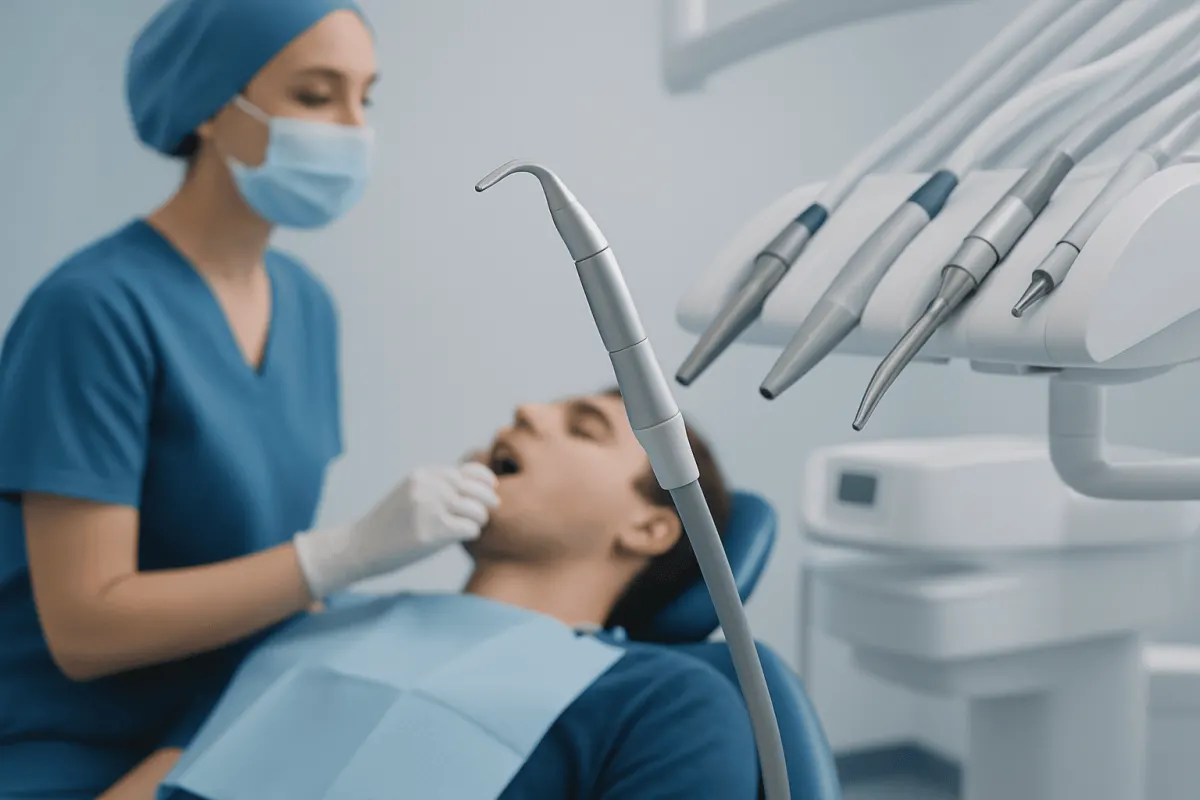
After wisdom tooth extraction, smoking or vaping should be avoided for at least 72 hours, and waiting about 7 days is generally safer. Smoke, vapor, nicotine, and the suction used when inhaling can disturb the blood clot that protects the healing socket and increase the chance of dry socket.
When Can I Smoke After Wisdom Tooth Extraction?
Most dental professionals advise avoiding smoking after wisdom tooth extraction for at least 72 hours. However, waiting around 7 days is usually safer, particularly after a surgical extraction, impacted wisdom tooth removal, or a procedure involving bone removal. The oral surgeon or dentist who performed the extraction should give the final guidance because healing needs can differ from person to person.
Smoking is not only a concern because of tobacco. The inhaling action creates suction in the mouth, which can pull on the blood clot inside the extraction socket. Cigarette smoke, nicotine, cannabis smoke, and vapor may also irritate the area and interfere with the healing process. Using nicotine replacement or stopping smoking temporarily should be discussed with a healthcare professional, as some products still contain nicotine.
Online discussions about when to smoke after wisdom tooth extraction, including advice found on Reddit, can be inconsistent. The most reliable approach is to protect the socket until early healing is established and to follow the clinician’s instructions, especially if there were stitches or complications.
Why Smoking Matters During Wisdom Tooth Healing
After a tooth is removed, a blood clot forms in the empty socket. This clot acts as a natural protective cover over the underlying bone and nerves while new tissue develops. During the first few days, keeping this clot in place is one of the most important parts of recovery.
Smoking can affect healing in several ways. Drawing smoke into the mouth produces negative pressure, or suction, which may loosen the clot. Heat and chemicals in smoke can irritate tissues, while nicotine can narrow blood vessels and reduce the delivery of oxygen and nutrients needed for repair. These effects may increase the risk of delayed healing, infection, or a painful complication called dry socket.
Dry socket, also called alveolar osteitis, happens when the protective clot is lost or breaks down too early. It is more common after lower wisdom tooth extraction than after many other tooth removals. It is treatable, but avoiding known triggers in the early recovery period is preferable.
How Wisdom Tooth Extraction Works and Who May Need It

Wisdom teeth are the last molars at the back of the mouth. They may need removal when they are impacted, partly erupted, decayed, infected, damaging nearby teeth, or difficult to keep clean. Some people have enough room for wisdom teeth to remain healthy, while others need assessment and treatment by a dentist or oral and maxillofacial surgeon.
Before removal, the dental team reviews medical history, medications, allergies, and imaging such as dental X-rays. This planning helps determine whether the tooth can be removed simply or whether a surgical approach is needed. The procedure may be performed with local anesthesia, sedation, or general anesthesia depending on the complexity of the extraction and the patient’s needs.
During a surgical extraction, the clinician may make a small incision in the gum, remove a small amount of bone, or divide the tooth into sections before lifting it out. The site is then cleaned, and stitches may be placed. Stitches can help close gum tissue, but they do not fully seal the extraction socket or replace the healing blood clot.
Recovery Timeline After Extraction
In the first 24 hours, mild bleeding or oozing is common. Patients are usually asked to bite gently on gauze, rest, avoid forceful spitting or rinsing, and eat soft foods. Pain, swelling, and jaw stiffness may increase over the first two to three days before gradually improving.
Between days 3 and 7, the clot and early healing tissue become more established, but the area can still be vulnerable. This is why waiting at least 72 hours before smoking is generally recommended, with a longer pause of about a week offering greater protection. People who have had a difficult lower wisdom tooth extraction may be advised to wait longer.
Over the following one to two weeks, gum tissue continues to close and tenderness should steadily improve. Dissolving stitches may disappear on their own, while non-dissolving stitches are removed at a follow-up visit. A socket may take several weeks to fill in completely, even though daily comfort returns sooner.
- Use prescribed or recommended Tooth Pain Relief: Causes and Treatment" class="ahp-ilk">pain relief only as directed.
- Choose cool or lukewarm soft foods at first and stay well hydrated.
- After the first 24 hours, gently rinse with salt water if advised by the dental team.
- Avoid straws, forceful rinsing, spitting, and vigorous exercise in the early recovery period.
Smoking With Stitches, Without Stitches, and Other Common Situations
People often ask when they can smoke after wisdom tooth extraction with stitches. The answer is usually the same as for an extraction without stitches: avoid smoking or vaping for at least 72 hours, and ideally for about 7 days unless the oral surgeon gives different instructions. Stitches hold gum tissue together but do not prevent suction, smoke exposure, or nicotine from affecting the socket beneath.
For those asking when they can smoke after a tooth extraction with stitches, the type of tooth and complexity of the procedure also matter. A simple extraction may heal more quickly than an impacted lower wisdom tooth, but smoking remains a risk factor in either case. It is best not to use the appearance of stitches as a sign that smoking is safe.
Cannabis smoke has similar concerns to tobacco smoke because it involves inhalation, heat, and often suction. For people wondering when they can smoke after wisdom tooth extraction with stitches and weed, the safest advice is to avoid smoking cannabis during the early healing period and discuss other symptom-management options with the treating clinician. Cannabis can also interact with sedating medicines or affect judgment during recovery.
Will I Get a Dry Socket If I Smoke Once?
Smoking once does not mean that dry socket will definitely occur, but it can increase the risk, especially during the first few days after extraction. Risk depends on several factors, including the difficulty of the extraction, whether the tooth was impacted, the location of the tooth, oral hygiene, and how the mouth heals.
If someone smokes once, they should not assume the clot has been lost. They should avoid further smoking or vaping, continue the aftercare instructions provided, and monitor for worsening symptoms. Severe, throbbing pain that begins or becomes worse a few days after extraction, particularly with a bad taste or smell, should prompt a call to the dental team.
Trying to cover the socket with gauze while smoking does not reliably prevent harm. It cannot remove the effects of suction, smoke, or nicotine. The most effective prevention is to delay smoking until the dentist or oral surgeon confirms that healing is progressing well.
Can I Hit a Vape After Wisdom Teeth Removal?
Vaping is not considered a safe alternative during the first days after wisdom teeth removal. Even without tobacco smoke, vaping requires inhalation that can create suction and may disturb the clot. Many vape products also contain nicotine, which may reduce blood flow and slow tissue healing.
Nicotine-free vaping may avoid nicotine exposure, but the suction, heat, and chemical irritation concerns remain. For this reason, it is sensible to avoid vaping for at least 72 hours and preferably about a week, or longer if advised after a complex extraction. The dental team may recommend a longer period for people at increased risk of dry socket.
Anyone finding it difficult to avoid nicotine should speak with their dentist, physician, or pharmacist before the procedure when possible. They can discuss individualized options for managing cravings while minimizing effects on wound healing.
When Can I Stop Worrying About Dry Socket and Smoke?
The risk of dry socket is greatest during the first several days after extraction, commonly around days 2 to 5 when a clot may break down before healing tissue is established. Risk decreases as the socket heals, but there is no single day that guarantees dry socket cannot occur. A full week without smoking is a practical and more protective target for many people.
Patients should wait longer if pain, swelling, bleeding, or wound healing is not improving as expected. A follow-up assessment is particularly useful after difficult extractions or if there are concerns about the socket. The treating oral surgeon can advise when normal activities, including smoking, are less likely to interfere with healing.
Stopping or reducing smoking can also support long-term oral health, gum health, and recovery from future dental procedures. For people seeking specialist assessment and treatment, Acıbadem Health Point’s multidisciplinary specialists and JCI-accredited hospitals diagnose and treat dental concerns for international patients.
What If I Smoked 2 Days After Extraction?
Smoking 2 days after extraction is earlier than generally recommended, but it does not automatically mean that a complication will develop. The most helpful next step is to avoid further smoking or vaping, follow the aftercare plan carefully, and contact the dental office if there is concern. It is important not to try to inspect or disturb the socket with fingers, cotton swabs, or other objects.
Watch for symptoms that may suggest dry socket or infection, such as pain that becomes significantly worse rather than better, pain spreading toward the ear or jaw, a foul taste or odor, increasing swelling, fever, or pus. A clinician can examine the area and provide treatment if needed. Dry socket is manageable and does not mean the extraction has failed.
Smoking after a tooth extraction can also contribute to bleeding or slow healing. If bleeding becomes heavy or does not settle with gentle pressure using clean gauze, urgent dental advice is appropriate.
When to Seek Medical Care
Contact the dentist or oral surgeon promptly if pain becomes severe or worsens after initially improving, particularly between days 2 and 5. Also seek advice for persistent bad taste or odor, fever, swelling that is getting worse after the third day, difficulty opening the mouth that is worsening, or concerns that the clot has been lost.
Urgent medical care is needed for trouble breathing or swallowing, rapidly spreading facial or neck swelling, uncontrolled bleeding, a severe allergic reaction, or confusion after sedation. These symptoms are uncommon but should not be managed at home.
Routine follow-up is important if stitches need removal or if the clinician has requested a wound check. Patients should bring up smoking, vaping, or cannabis use openly; this helps the dental team give practical, nonjudgmental and individualized recovery guidance.
Frequently asked questions
01When can I smoke after wisdom tooth extraction without stitches?
The same general advice applies even if there are no stitches: avoid smoking and vaping for at least 72 hours, with about 7 days being safer for many people. The socket still relies on a stable blood clot to heal, and stitches are not the main factor determining dry socket risk.
02When can I smoke after a tooth extraction?
For most tooth extractions, smoking should be avoided for at least 72 hours. Because healing and extraction complexity vary, the dentist or oral surgeon may advise waiting a week or longer, especially after lower wisdom tooth removal.
03Can smoking cause dry socket after wisdom tooth removal?
Smoking increases the likelihood of dry socket because suction may dislodge the clot and nicotine can impair healing. It does not guarantee dry socket will occur, but avoiding smoking is one of the most important ways to lower the risk.
04Can I use a straw after wisdom tooth extraction?
It is generally best to avoid straws for at least several days after extraction. Sucking through a straw can create pressure in the mouth that may disturb the blood clot, similar to the concern with smoking or vaping.
05Does smoking with gauze over the extraction site make it safe?
No. Gauze cannot reliably protect the socket from suction, smoke exposure, heat, or nicotine. It is safer to wait until the recommended recovery period has passed and the treating clinician is satisfied with healing.
06How do I know if I have dry socket?
Dry socket often causes strong, throbbing pain that gets worse a few days after extraction and may spread toward the ear, temple, or jaw. A bad taste, unpleasant odor, or an unusually empty-looking socket may occur, but a dental professional should confirm the diagnosis.
This article is for general information only and is not a substitute for professional medical advice. Please consult a qualified doctor about your individual situation.
Explore treatments in Turkey — costs, top hospitals & a free quote
JCI-accredited · board-certified surgeons · reply within 24h
Add us as a Preferred Source to see more of our trusted health content across Google Search, AI Overviews and Discover.