When a Vein in Your Neck Hurts: Possible Causes

When a person feels that a vein in the neck hurts, the discomfort is more often related to nearby muscles, lymph nodes, skin, or throat tissues than to the vein itself. However, a visibly swollen, tender, red, or cord-like neck vein should be assessed promptly, especially if symptoms begin suddenly or occur with fever, chest pain, or shortness of breath.
Overview: Why a Vein in the Neck May Hurt
If a person feels that a vein in the neck hurts, the cause is commonly not the vein itself. The neck contains large muscles, lymph nodes, salivary glands, nerves, the windpipe, and major blood vessels in a small area. Tension or inflammation in any of these structures may create a sore, pulling, throbbing, or tender sensation that seems to follow a vein.
Neck veins, especially the jugular veins, may become more noticeable during coughing, laughing, heavy lifting, straining during bowel movements, or lying in certain positions. This temporary prominence is often normal. Pain, persistent swelling, skin changes, or a new firm lump are not typical findings and should be evaluated by a qualified clinician.
It is not possible to diagnose neck-vein discomfort accurately by appearance or touch alone. The location of the pain, how quickly it started, associated symptoms, recent illness, injury, and medical history all help determine whether the concern is muscular, infectious, vascular, or related to another nearby structure.
Common Patterns and Associated Symptoms
The description of the symptom can offer useful clues. Muscle-related pain is often worse when turning the head, looking down at a screen, sleeping in an awkward position, or carrying a heavy bag. It may feel tight or aching and can involve the side of the neck, shoulder, or upper back. A tender lymph node, often felt as a small mobile lump, may occur during or after a cold, sore throat, dental problem, or other infection.
Symptoms that may suggest inflammation in the skin or a superficial blood vessel include localized tenderness, warmth, redness, and a firm line or cord beneath the skin. Deeper blood-vessel problems may cause one-sided neck swelling, fullness, discomfort, or visible enlargement, although some may produce few symptoms.
Other symptoms deserve particular attention because they can point to a more urgent underlying problem. These include fever or chills, difficulty swallowing, voice changes, facial or arm swelling, persistent severe headache, dizziness, chest pain, shortness of breath, coughing up blood, weakness, numbness, or changes in vision.
- Sudden pain after strain: often muscular, but still worth assessment if swelling is present.
- Pain with a sore throat or recent infection: may reflect reactive lymph nodes or a throat-related condition.
- Pain with redness and warmth: may indicate skin or vessel inflammation.
- One-sided neck swelling: needs timely medical evaluation to exclude vascular and other causes.
Possible Causes of Neck Vein Pain

Muscle strain is one of the most frequent explanations for pain felt near a neck vein. The sternocleidomastoid muscle runs along each side of the neck close to important vessels. Overuse, poor posture, prolonged computer or phone use, stress-related muscle tightening, awkward sleep, or minor injury can make this area painful to touch or move.
Swollen lymph nodes are another common cause. Lymph nodes help the immune system respond to infections and may enlarge temporarily with colds, influenza, throat infections, ear infections, dental infections, or scalp and skin inflammation. They should gradually improve as the underlying illness settles, but persistent, enlarging, hard, or unexplained lumps need medical review.
Less commonly, a blood vessel may be inflamed or blocked by a clot. Superficial thrombophlebitis involves inflammation and clotting in a vein nearer the skin. A clot in a deeper neck vein, such as the internal jugular vein, is uncommon but potentially serious. It can occur in association with central venous catheters, recent surgery or hospitalization, severe infection, cancer, Blood Thinners for Clotting Disorders: Benefits, Risks, and Monitoring" class="ahp-ilk">clotting disorders, trauma, or previous blood clots. This requires prompt medical assessment.
Other possible causes include skin infections, salivary-gland inflammation, thyroid enlargement, injuries, and referred pain from the jaw, shoulder, or upper spine. In some cases, pressure changes from coughing or vomiting make a vein temporarily more visible without indicating disease. A clinician can distinguish these possibilities through a focused evaluation.
Risk Factors That May Need Closer Attention
Anyone can develop neck discomfort from posture or a short-lived infection, but certain circumstances make a vascular cause more important to consider. These include a current or recently removed catheter in the neck, chest, or arm; recent major surgery; prolonged immobility; serious infection; a personal or family history of blood clots; known clotting conditions; active cancer; and some hormone-containing medicines. Pregnancy and the weeks after delivery can also increase clotting risk.
Recent infections matter as well. Severe sore throat, high fever, dental infection, skin infection, or infection around a medical device can occasionally spread into deeper neck tissues or affect nearby veins. This does not mean these complications are likely, but it is a reason not to ignore worsening neck pain, swelling, or persistent fever.
Visible neck-vein fullness may also occur when pressure in the chest is raised, including during forceful coughing or straining. If it is new, persistent, clearly one-sided, or associated with facial swelling, breathlessness, or reduced exercise tolerance, it should be assessed rather than assumed to be harmless.
How Clinicians Diagnose the Cause
A clinician usually begins by asking when the pain started, whether it followed an infection, exercise, injury, travel, procedure, or catheter placement, and whether there are symptoms such as fever, swelling, breathlessness, or neurological changes. They will examine the neck, throat, skin, lymph nodes, pulse, and range of motion. They may also examine the chest, heart, arms, and jaw depending on the symptoms.
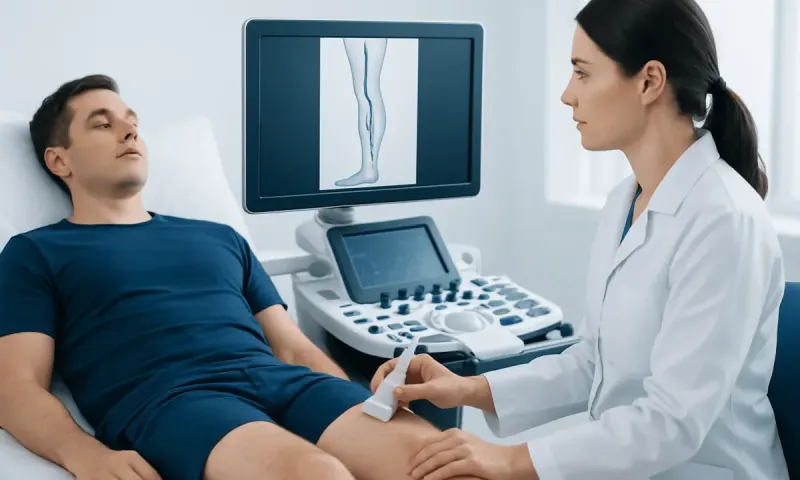
If a vascular issue is suspected, an ultrasound with Doppler is commonly used. This noninvasive test can show blood flow and help identify a clot, narrowing, or abnormal vein enlargement. Blood tests may be used when infection, inflammation, or a clotting tendency is being considered. In selected cases, CT or MRI imaging may be needed to assess deeper structures in the neck and chest.
It is important not to repeatedly press, massage, or attempt to drain a painful neck lump or visible vein. This can worsen irritation and does not identify the cause. A person should share information about recent procedures, medicines, supplements, medical conditions, and past clotting events with their healthcare professional.
Treatment Options and Safe Self-Care
Treatment depends entirely on the diagnosis. Simple muscle strain may improve with relative rest, gentle movement, attention to posture, and a warm or cool compress if comfortable. Over-the-counter pain relief may be appropriate for some people, but it should be used according to the label and checked with a pharmacist or doctor when there is pregnancy, kidney disease, stomach ulcer history, blood-thinning medication use, or another relevant medical condition.
When swollen lymph nodes are linked to a viral illness, they often improve as the illness resolves. Bacterial infections, dental infections, skin infections, or salivary-gland infections may need specific medical treatment. Antibiotics should only be used when prescribed, as they do not treat viral infections and may not be appropriate for every cause of neck pain.
If a vein is inflamed or a blood clot is found, treatment may involve anticoagulant medication, management of infection when present, and follow-up imaging or specialist care. The choice and duration of treatment depend on the affected vessel, cause, medical history, and risk of complications. Suspected deep-vein thrombosis should not be treated at home.
Until the cause is known, practical measures include avoiding heavy lifting if it worsens pain, staying normally hydrated unless fluid intake is restricted by a clinician, and avoiding forceful neck massage. A symptom diary noting onset, triggers, fever, swelling, and recent illness can help during the medical appointment.
When to Seek Medical Care
Emergency medical care is needed for neck pain or swelling accompanied by trouble breathing, chest pain, fainting, coughing up blood, severe or rapidly worsening headache, confusion, new weakness or numbness, major facial swelling, or difficulty swallowing saliva. These symptoms may indicate a problem requiring immediate assessment.
A person should arrange urgent same-day or next-day medical advice for a newly swollen or visibly enlarged neck vein, a tender cord-like area, redness or warmth over the neck, fever, worsening pain, or one-sided neck swelling. Assessment is also important when symptoms follow catheter placement, a recent hospital stay, surgery, a significant infection, or an injury.
For mild pain that appears related to posture or a minor strain, non-urgent review is still sensible if it does not begin improving within several days, keeps returning, limits movement, or is associated with a persistent lump. Acıbadem Health Point’s multidisciplinary specialists and JCI-accredited hospitals can assess neck symptoms and coordinate appropriate vascular, infectious disease, ENT, or imaging care for international patients.
Frequently asked questions
01Can a vein in the neck hurt from stress or poor posture?
Yes. Stress and poor posture can tighten neck muscles that lie close to the jugular veins, making discomfort feel as though it is coming from a vein. Pain that changes with head movement or improves with rest is more suggestive of a muscle-related cause, but persistent swelling or skin changes should be checked.
02Is it normal to see veins in the neck?
Neck veins may become visible temporarily when a person coughs, strains, bends, exercises, or lies in certain positions. Persistent new enlargement, marked one-sided fullness, or visibility accompanied by breathlessness, facial swelling, or pain warrants medical evaluation.
03What does a blood clot in a neck vein feel like?
A clot in a neck vein may cause one-sided swelling, tenderness, fullness, pain, or visible vein enlargement, but symptoms can vary and may be subtle. It cannot be confirmed from symptoms alone; clinicians usually use ultrasound with Doppler to assess blood flow.
04Can a swollen lymph node feel like a painful vein?
Yes. Lymph nodes in the neck sit near blood vessels and muscles, and an enlarged tender node can be mistaken for a painful vein. They often occur with colds, throat infections, ear infections, or dental problems, but a lump that persists or grows should be assessed.
05Should a painful neck vein be massaged?
No. Deep or forceful massage of a painful, swollen, or visibly prominent area of the neck is not recommended until the cause is clear. It may irritate inflamed tissues and is not a safe way to treat a possible vessel problem.
06How long should neck pain be monitored before seeing a doctor?
Mild neck discomfort that clearly follows poor posture or minor strain may begin to improve over several days. Medical advice is appropriate sooner if pain is severe, worsening, associated with swelling or fever, or follows a procedure, infection, injury, or clotting risk factor. Any emergency warning symptom needs immediate care.
This article is for general information only and is not a substitute for professional medical advice. Please consult a qualified doctor about your individual situation.
Persistent digestive symptoms? Get evaluated in Turkey
JCI-accredited · board-certified surgeons · reply within 24h
Add us as a Preferred Source to see more of our trusted health content across Google Search, AI Overviews and Discover.