What Vitamins Are Safe to Take During Chemotherapy?
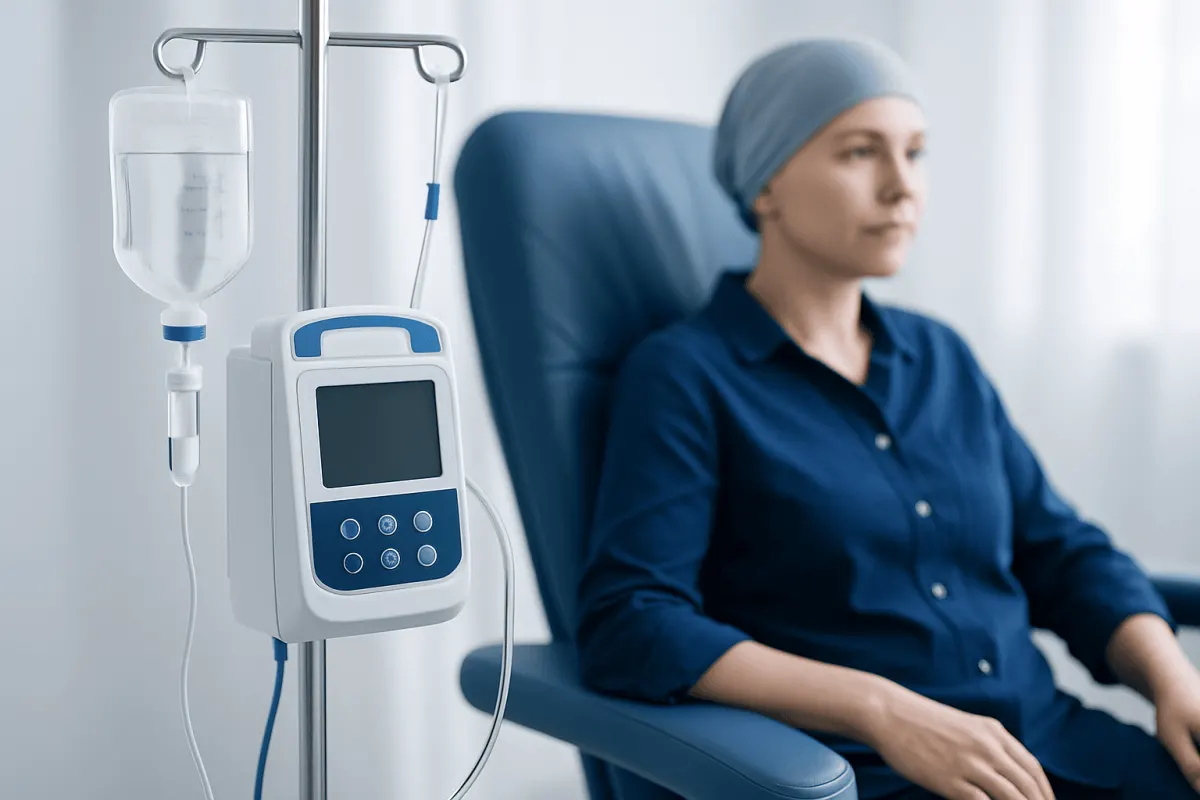
For most people, the best vitamins to take during chemotherapy are not routine high-dose supplements, but nutrients recommended by the oncology team after reviewing diet, blood tests, treatment type, and medicines. A varied diet is usually preferred, while supplements may be useful when there is a documented deficiency, poor intake, or a specific treatment-related need.
Overview: vitamins and chemotherapy
What are the best vitamins to take during chemotherapy? For most patients, there is no universal vitamin regimen. The safest and most useful approach is to take only vitamins or minerals that the oncology team recommends, usually because a blood test, dietary assessment, or treatment side effect suggests a genuine need.
Chemotherapy medicines are designed to damage or stop the growth of cancer cells. Some supplements can change how these medicines are absorbed, broken down, or cleared from the body. Others may affect bleeding, liver function, kidney function, or the immune system. This is why a product that seems harmless can be unsuitable during a particular treatment plan.
A balanced eating pattern remains the first source of nutrition whenever possible. If nausea, mouth sores, bowel changes, altered taste, or fatigue make eating difficult, a cancer dietitian and oncology clinician can help identify practical food strategies and decide whether a standard multivitamin, nutritional drink, or targeted supplement is appropriate.
When vitamins or supplements may be appropriate
Supplements may be considered when a person has a confirmed deficiency, cannot meet nutritional needs through food, has reduced absorption after digestive surgery, follows a restrictive diet, or has persistent treatment-related symptoms that affect eating. Common examples can include vitamin D, vitamin B12, iron, calcium, folate, or magnesium, but the right choice depends on the individual and should be based on clinical assessment.
A standard multivitamin at around the usual daily recommended amount may sometimes be acceptable, but it is still important to ask the oncology team first. “More” is not necessarily better: large doses of one nutrient can cause side effects, mask another problem, or interact with treatment.
People asking what vitamins are good to take during chemotherapy or what is the best supplement to take during chemo often hope to improve energy or immunity. Fatigue, appetite loss, and weakness can have many causes during cancer treatment, including anemia, infection, dehydration, sleep problems, pain, emotional stress, or the cancer itself. Identifying the cause is more helpful than self-treating with supplements.
- Bring all bottles, powders, teas, gummies, and injections to appointments or share clear photos of their labels.
- Include over-the-counter medicines and herbal products, not only vitamins.
- Ask whether a product should be avoided before surgery, during an infusion cycle, or throughout treatment.
What vitamins should not be taken with chemo?

There is no single list that applies to every chemotherapy regimen, but patients should not start high-dose supplements without approval from their oncologist or oncology pharmacist. Particular caution is often advised with high-dose antioxidant products, including vitamins C and E, beta-carotene, selenium, and concentrated antioxidant blends. In laboratory settings, antioxidants can protect cells from oxidative damage; because some cancer treatments partly rely on this type of damage, experts are cautious about large supplemental doses during treatment.
This does not mean that eating fruits, vegetables, nuts, and other nutrient-containing foods is generally unsafe. Food provides nutrients in a complex, usually lower-dose form along with protein, fiber, and calories. The concern is mainly with concentrated, high-dose tablets, powders, injections, or proprietary blends.
Herbal and “natural” products also deserve careful review. St. John’s wort can alter levels of many medicines. Green tea extract, turmeric or curcumin supplements, garlic tablets, ginkgo, high-dose fish oil, and other products may affect drug metabolism, bleeding risk, liver function, or treatment effects in some situations. A clinician can assess the exact chemotherapy medicine, other prescriptions, and planned procedures before offering individualized advice.
What is miracle fruit for chemo?
Miracle fruit is a small berry that contains miraculin, a protein that can temporarily make sour foods taste sweet. Some people receiving chemotherapy use it to help with taste changes, especially when foods taste metallic, bland, or unpleasant. It does not treat cancer, replace nutrition support, or make chemotherapy more effective.
Research on miracle fruit for chemotherapy-related taste changes is limited. It may be enjoyable or helpful for some people, but it does not work for everyone and may make acidic foods more appealing than is comfortable. People with mouth sores, reflux, throat irritation, dental sensitivity, or diarrhea may need to avoid acidic foods even if they taste better.
Before trying miracle fruit tablets or other products, it is sensible to discuss them with the cancer care team, especially if there are swallowing problems, oral infections, diabetes, dietary restrictions, or significant weight loss. A dietitian can also suggest gentler ways to manage taste changes, such as serving foods cool, using plastic cutlery if metal tastes are troublesome, trying tart flavors only when the mouth is not sore, and choosing protein foods that are tolerated.
Which vitamin is also known as an anticancer vitamin?
No vitamin should be viewed as an “anticancer vitamin” that can cure cancer or replace established treatment. Vitamin D is sometimes informally described in this way because it is involved in cell growth, immune function, and bone health, and low vitamin D levels are common in some populations. However, research does not support using vitamin D supplements as a substitute for chemotherapy, surgery, radiotherapy, or other evidence-based cancer care.
Vitamin D testing and supplementation may be appropriate for people at risk of deficiency, such as those with limited sun exposure, poor dietary intake, reduced absorption, or bone health concerns. The oncology team can determine whether testing is needed and recommend an appropriate dose if a deficiency is found. Excess vitamin D can raise calcium levels and may cause kidney problems, so unsupervised high doses are not advisable.
Marketing terms such as “anticancer,” “detoxifying,” or “immune-boosting” can be misleading. During treatment, the priority is to support overall nutrition, maintain strength where possible, manage side effects promptly, and follow the plan developed by the oncology team. For an overview of how cancer is assessed and managed, patients may find cancer care information useful.
What helps chemo work better?
The most reliable ways to support chemotherapy are to receive treatment on schedule when medically appropriate, take supportive medicines exactly as directed, and report side effects early so they can be treated. Adequate calories, protein, fluids, sleep, gentle activity when safe, and emotional support can help a person tolerate treatment, but none should be presented as a way to guarantee a better cancer response.
Nutrition needs differ widely. Someone with weight loss may need energy-dense meals and protein-rich snacks, while another person may need help managing constipation, diarrhea, nausea, or changes in blood sugar. A dietitian with oncology experience can tailor guidance to symptoms, food preferences, culture, and treatment goals.
Patients should also attend blood tests and appointments, tell the team about all medicines and supplements, and ask before making major dietary changes. Preventing infection exposure, following food-safety advice if white blood cell counts are low, and staying physically active within personal limits can also be important aspects of supportive care.
Acıbadem Health Point’s multidisciplinary specialists and JCI-accredited hospitals support international patients undergoing Prostate Cancer Diagnosis: Tests and Next Steps" class="ahp-ilk">cancer diagnosis and treatment, including individualized nutritional and symptom-management planning.
After chemotherapy: rebuilding nutrition safely
What are the best vitamins to take after chemotherapy? The answer remains individualized. After treatment ends, the care team may recheck blood counts and nutrient levels, review recovery of appetite and digestion, and reassess medicines. A supplement may be recommended if there is an ongoing deficiency, bone health need, anemia, restricted diet, or absorption problem.
Many people can gradually focus on food first: vegetables and fruits as tolerated, whole grains, beans, lean proteins, dairy or fortified alternatives, and healthy fats. Recovery can take time, and taste changes or fatigue may persist for weeks or longer. Small frequent meals and dietitian support can be useful while normal eating returns.
People considering high-dose vitamins after chemo should still speak with their oncology team. Some people continue hormone therapy, immunotherapy, targeted therapy, anticoagulants, or other medicines after chemotherapy, and interactions may still matter. The best vitamins to take after chemo are therefore those that fit the individual’s ongoing medical plan rather than a general online recommendation.
When to seek medical care
Patients should contact their oncology team promptly if they cannot keep fluids down, have ongoing vomiting or diarrhea, develop mouth pain that prevents eating or drinking, lose weight rapidly, feel markedly weak or dizzy, or have new swelling, rash, jaundice, unusual bruising, or bleeding. These symptoms may need medical assessment rather than a vitamin supplement.
Fever during chemotherapy can be urgent because chemotherapy may lower infection-fighting white blood cells. The patient should follow the temperature instructions provided by their treatment center and contact the oncology team immediately for fever, chills, or signs of infection. Emergency care may be needed depending on the team’s advice and the severity of symptoms.
A new supplement should not be started to manage severe fatigue, numbness, pain, low mood, or appetite loss without speaking to a clinician. These symptoms can often be assessed and treated safely with targeted medical and supportive care.
Frequently asked questions
01Can a person take a multivitamin while receiving chemotherapy?
A standard multivitamin may be suitable for some people, particularly when food intake is limited, but it should be approved by the oncology team first. The clinician can check whether it contains high doses of antioxidants, herbs, or other ingredients that may be unsuitable for a particular treatment.
02Is vitamin C safe during chemotherapy?
Vitamin C obtained from normal foods is generally part of a healthy eating pattern. High-dose vitamin C supplements or intravenous vitamin C should not be used during chemotherapy unless the oncology team specifically recommends and supervises them, because the safety and effect can depend on the treatment regimen.
03What are the best supplements to take during chemotherapy for fatigue?
There is no one supplement proven to safely treat chemotherapy-related fatigue in everyone. Fatigue should be discussed with the oncology team because it may be related to anemia, infection, dehydration, poor sleep, pain, medication effects, or nutritional deficiencies that need specific care.
04Are probiotics safe during chemotherapy?
Probiotics are not appropriate for every patient receiving chemotherapy. People with very low white blood cell counts, central venous catheters, severe illness, or certain digestive conditions may face a higher risk of infection from probiotic organisms, so medical advice is important before using them.
05What vitamins are good to take during chemo if appetite is poor?
A vitamin alone usually does not correct poor appetite. The oncology team or dietitian may recommend food-based strategies, oral nutritional supplements, symptom treatment, or targeted vitamins and minerals if a deficiency is suspected or confirmed.
06Can supplements prevent chemotherapy side effects?
No supplement can reliably prevent all chemotherapy side effects. Some supportive treatments and dietary adjustments may help specific symptoms, but these should be tailored to the person’s chemotherapy regimen and medical history by the cancer care team.
This article is for general information only and is not a substitute for professional medical advice. Please consult a qualified doctor about your individual situation.
Persistent digestive symptoms? Get evaluated in Turkey
JCI-accredited · board-certified surgeons · reply within 24h
Add us as a Preferred Source to see more of our trusted health content across Google Search, AI Overviews and Discover.