What Shapes the Price of Liposculpture?
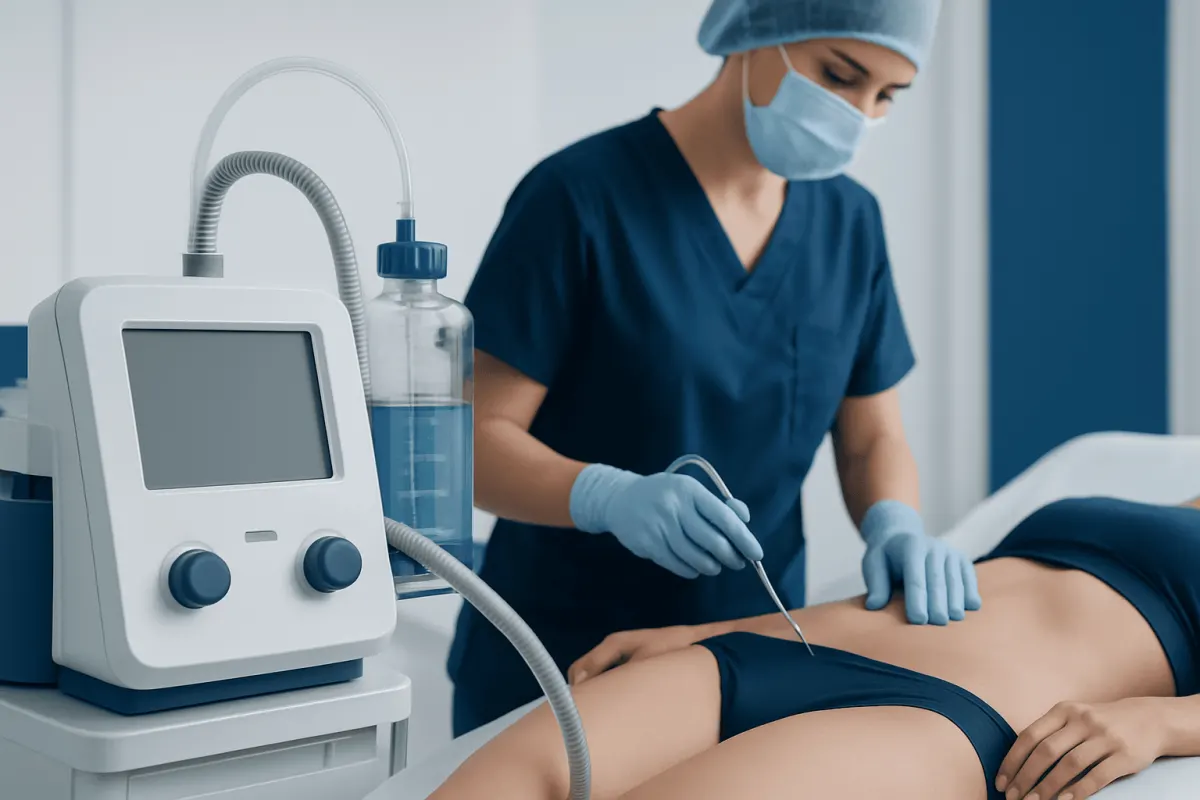
Liposculpture price is not a single fixed amount: it is shaped by the areas treated, surgical technique, anaesthesia, hospital or clinic fees, recovery needs and the surgeon’s expertise. A safe comparison uses an itemised quote and gives equal weight to medical standards, suitability and aftercare—not cost alone.
Liposculpture Price: What Does the Quote Include?
Liposculpture price varies because the procedure is tailored to the individual. Rather than relying on a single advertised figure, patients benefit from asking for a written, itemised estimate after a clinical consultation. The estimate should reflect the planned treatment and the medical support needed before, during and after surgery.
Important cost components may include the surgeon’s fee, pre-operative assessment, laboratory tests when indicated, anaesthesia, operating-room or hospital charges, medications, compression garments, follow-up appointments and any overnight observation. The number and size of body areas treated, the complexity of contouring and whether another procedure is combined with liposculpture may also affect the overall plan.
Comparing quotes is most meaningful when the proposed procedures and included services are alike. Patients should ask what is not included, whether revisions would involve additional charges, and how unexpected medical needs would be handled. Choosing a qualified surgeon and an appropriately equipped surgical setting is an important part of planning for safety.
How Liposculpture Works
Liposculpture is a form of surgical body contouring that removes selected deposits of fat and shapes the transition between nearby areas. It is commonly discussed in relation to the abdomen, waist, hips, thighs, upper arms, back, chin or neck. The goal is proportion and contour rather than a particular body size.
During the procedure, the surgeon makes small incisions and introduces a thin tube called a cannula. A fluid solution may be placed in the treatment area to help reduce bleeding and discomfort. The surgeon then loosens and removes fat using controlled suction while carefully assessing the developing contour.
Some techniques use additional technologies, but no device removes the need for careful patient selection, surgical skill and appropriate aftercare. Anyone considering the operation can learn more about liposuction and surgical body contouring during a consultation with a qualified plastic surgeon.
Liposculpture does not tighten markedly loose skin or correct all contour concerns. If skin laxity is significant, a surgeon may discuss alternative or additional operations, such as an excisional skin-tightening procedure, depending on the person’s anatomy and goals.
Candidacy and the Ideal BMI for Liposuction

Good candidates are usually adults in generally good health who are close to a weight they can maintain and have localised fat deposits that have not responded as desired to lifestyle measures. Firm, elastic skin may support smoother contouring, but skin quality, fat distribution, medical history and expectations are all more informative than any single measurement.
There is no universal ideal BMI for liposuction. BMI is a screening tool, not a complete assessment of surgical suitability. Many surgeons consider whether a person is near their stable, healthy weight range, whether it has been stable for several months, and whether conditions such as diabetes, heart disease, clotting disorders or sleep apnoea are well managed.
Liposculpture is not designed for major weight loss and is not a treatment for obesity. People seeking substantial weight reduction may benefit from medical weight-management assessment or discussion of bariatric surgery options when clinically appropriate. Pregnancy plans, smoking or nicotine use, medications and a history of poor wound healing should also be discussed openly.
A consultation should include a physical examination, review of previous operations and medications, and a conversation about what can realistically be achieved. The surgeon may advise postponing surgery if weight is changing, a health issue needs further assessment or expectations do not match what the procedure can safely provide.
The Liposculpture Procedure Step by Step
Planning begins with a consultation in which the surgeon listens to the patient’s goals, examines the relevant areas and explains suitable options. Pre-operative instructions commonly address eating and drinking before anaesthesia, medications that may need adjustment, smoking cessation, arranging transport home and preparing for assistance during the first days of recovery.
On the day of surgery, the treatment areas are marked while the patient is standing. Depending on the extent of treatment and the agreed plan, local anaesthesia with sedation or general anaesthesia may be used. The surgical team monitors the patient throughout the operation and follows protocols designed to reduce risk.
After small incisions are made, fluid may be infiltrated into the fatty layer. The surgeon uses the cannula and suction to remove fat strategically, checking symmetry and contour as treatment proceeds. Incisions are then closed or managed according to the technique, and a compression garment is usually applied.
Many procedures are performed as day surgery, while some patients may need monitoring for longer, particularly after larger-volume treatment or combined procedures. Before discharge, the patient should receive clear written instructions, details of follow-up and contact information for concerns during recovery.
Benefits, Risks and Recovery Timeline
Potential benefits include improved definition in selected areas and a contour that may make clothing fit differently. Results develop gradually because swelling is expected after surgery. Early changes may be visible within weeks, but the final contour can take several months to settle as swelling reduces and tissues adapt.
In the first few days, soreness, swelling, bruising, fluid drainage and temporary numbness can occur. Patients are often encouraged to take short, gentle walks as advised to support circulation, while avoiding strenuous exercise and heavy lifting initially. Compression garments are commonly worn for a period specified by the surgical team.
Many people return to desk-based activity after a short recovery period, depending on the number of areas treated, the type of work and individual healing. More demanding exercise and physical work should resume only when the surgeon confirms it is appropriate. Follow-up visits allow the team to assess healing and answer questions.
All surgery has risks. These can include bleeding, infection, fluid collection, contour irregularities, unevenness, changes in skin sensation, delayed healing, scarring, anaesthesia-related complications and blood clots. Rare serious complications are possible, especially when extensive procedures are performed. A qualified surgeon can explain personal risk factors and the steps used to reduce them.
How Are People Affording Liposuction?
Because liposculpture is usually elective, it is commonly paid for privately and is not typically covered by health insurance when performed for cosmetic contouring. Coverage rules differ by insurer and country, so patients should confirm their own policy rather than assume that a procedure is covered or excluded.
Some people save gradually, use a healthcare financing arrangement where available, or plan treatment after receiving a complete estimate. Any financing decision deserves the same care as the surgical decision: patients should understand the total repayment amount, interest, fees, payment schedule and what happens if their circumstances change.
It is sensible to avoid basing a decision solely on a low initial price or promotional offer. A transparent plan should identify the treating surgeon, the accredited facility, anaesthesia arrangements, post-operative care and costs that may arise if additional evaluation is needed. If the planned expense does not feel manageable, delaying an elective procedure is a reasonable choice.
For international patients, travel, accommodation, time away from work and the need for local recovery support should be considered alongside the surgical quote. Acıbadem Health Point’s multidisciplinary specialists and JCI-accredited hospitals diagnose and treat patients travelling internationally, with care planning based on individual clinical needs.
Is Liposculpture Better Than Liposuction?
Liposculpture is not necessarily better than liposuction; the terms often overlap. Liposuction broadly describes the surgical removal of fat through suction, while liposculpture is frequently used to describe a more detailed, contour-focused approach to shaping selected areas. The exact meaning can differ between surgeons and clinics.
The better option depends on the patient’s anatomy, the amount and location of fat, skin elasticity, health status and goals. A person with a small, well-defined concern may need a different plan from someone seeking broader contour improvement. The name of the technique alone does not predict a better or safer outcome.
Patients can ask the surgeon what technique is proposed, why it suits their situation, where scars are likely to be placed, what degree of improvement is realistic and what limitations may remain. Reviewing appropriately consented before-and-after examples from the surgeon may also help clarify the expected style of result.
What Happens 10 Years After Liposuction and When to Seek Medical Care
Fat cells removed by liposuction do not usually return in the same treated area. However, the body retains fat cells elsewhere, and remaining cells can enlarge if overall weight increases. Over 10 years, natural ageing, hormonal changes, pregnancy, changes in muscle mass and weight fluctuations can all alter body shape, so the appearance achieved after surgery cannot be considered permanently unchanged.
Maintaining a stable weight, eating in a balanced way, being physically active and attending routine medical care can help support long-term results and general health. Liposculpture should be viewed as one component of body-contour planning rather than a replacement for ongoing health habits.
Patients should contact their surgical team promptly if they develop increasing rather than improving pain, rapidly worsening swelling, spreading redness, fever, foul-smelling drainage, persistent bleeding, chest pain, shortness of breath, fainting or one-sided leg swelling. Chest symptoms, severe breathing difficulty or sudden collapse require urgent emergency care.
Before surgery, medical advice is important for anyone with uncontrolled health conditions, a history of blood clots, significant heart or lung disease, or concerns about body image or eating behaviours. A thorough assessment helps ensure that the plan is medically appropriate and aligned with the patient’s wellbeing.
Frequently asked questions
01What affects liposculpture price?
The price is influenced by the areas being treated, the complexity of contouring, the surgical technique, anaesthesia, facility charges and follow-up care. Pre-operative testing, compression garments, medications and any required overnight stay may also be included or charged separately. An itemised written estimate is the clearest way to understand the planned cost.
02How are people affording liposuction?
People may save for the procedure, pay privately, or consider financing options where these are available. Cosmetic liposuction is not commonly covered by insurance, although policy rules vary. Patients should review all repayment terms and avoid choosing surgery solely because of a low advertised price.
03Is liposculpture better than liposuction?
Neither term is automatically better. Liposculpture often refers to detailed contouring with liposuction techniques, but the terms can overlap and are not used identically everywhere. The most appropriate approach depends on the person’s health, fat distribution, skin quality and treatment goals.
04What happens 10 years after liposuction?
Removed fat cells do not generally grow back, but remaining fat cells can enlarge with weight gain. Ageing, hormonal changes, pregnancy and changes in activity can also affect body contour over time. Stable weight and healthy habits can help preserve results.
05What is the ideal BMI for liposuction?
There is no single ideal BMI for liposuction. Surgeons assess whether a person is near a stable weight, has localised fat deposits and is healthy enough for surgery. BMI is considered alongside medical conditions, skin quality, smoking status and realistic expectations.
06How long does liposculpture recovery take?
Initial soreness, bruising and swelling commonly improve over the first weeks, although recovery varies by the areas treated and the extent of surgery. Many people can return to lighter activities relatively soon, while exercise and heavy lifting are resumed gradually under surgical guidance. Final contour changes may continue for several months as swelling resolves.
This article is for general information only and is not a substitute for professional medical advice. Please consult a qualified doctor about your individual situation.
Explore treatments in Turkey — costs, top hospitals & a free quote
JCI-accredited · board-certified surgeons · reply within 24h
Add us as a Preferred Source to see more of our trusted health content across Google Search, AI Overviews and Discover.