What Shapes Full Fixed Arch Implant Cost?
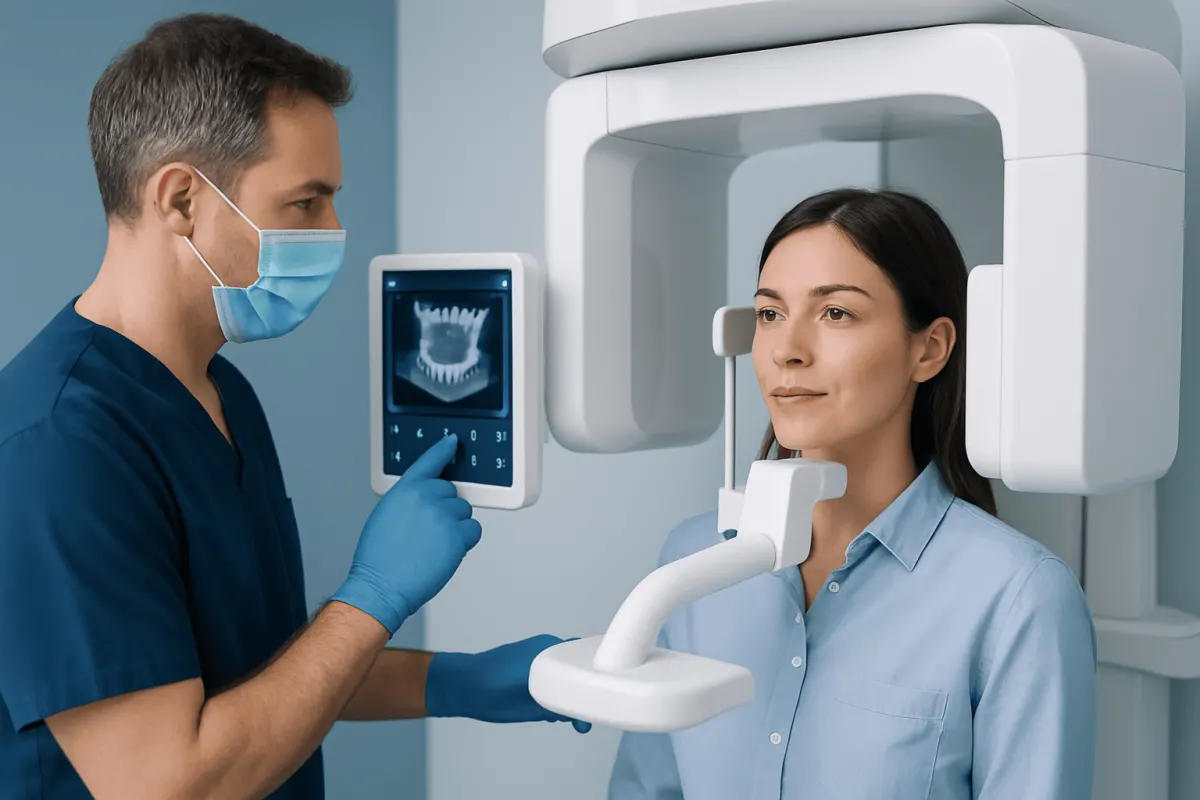
A full fixed arch implant cost is determined by the individual treatment plan rather than one universal price. The total may include diagnostic imaging, tooth removal when needed, implants, temporary and final teeth, bone or gum procedures, anesthesia, laboratory work, and long-term maintenance.
Full Fixed Arch Implant Cost: The Answer in Context
The full fixed arch implant cost varies because this treatment is not a single product or a standard one-visit service. It is a personalized rehabilitation that may involve imaging, surgical planning, implant placement, temporary teeth, a final fixed bridge, and follow-up care over several months.
The most useful estimate is one based on an in-person oral examination and three-dimensional imaging. Patients should ask for an itemized plan that explains what is included, what may be needed after assessment, the expected number of visits, the type of final restoration, and how maintenance or future repairs are handled.
Although costs matter, the safest comparison is not simply between headline figures. It is important to compare the clinician’s assessment, the materials proposed, the experience of the surgical and restorative teams, infection-control standards, laboratory work, aftercare, and whether the plan is appropriate for the patient’s oral and general health.
What Is a Fixed Full Arch Implant Restoration?
A fixed full arch restoration replaces all missing or failing teeth in either the upper jaw, lower jaw, or both. Several implants are placed in the jawbone and act as anchors for a custom-made bridge. Unlike a removable denture, the bridge is secured by the dental team and is not intended to be taken out by the patient.
The term is sometimes used alongside “All-on-4,” which describes a specific concept in which a full arch is supported by four strategically placed implants. Some people need more than four implants, depending on bone quality, bite forces, anatomy, and the design of the final teeth. The appropriate number should be decided after planning rather than assumed in advance.
A full arch may be recommended for people with extensive tooth loss, severely damaged teeth that cannot be predictably restored, or poorly functioning dentures. The overall goal is to restore chewing, speech, facial support, and confidence while creating a bite that can be cleaned and maintained.
What Influences the Total Treatment Plan and Cost?

Several clinical and practical factors affect a full fixed arch implant cost. One of the largest variables is the starting condition of the mouth. A person who has healthy jawbone and no active infection may require a different pathway from someone who needs extractions, treatment of gum disease, bone grafting, sinus-related procedures, or management of inflammation before implants can be placed.
The restoration itself also affects planning. A provisional bridge may be used during healing, followed by a final bridge after the implants have integrated with bone and the gum tissues have stabilized. Final teeth can be made from different materials and may require varying levels of laboratory design, reinforcement, customization, and repairability.
- Consultations, dental examinations, photographs, impressions, and 3D scans
- Extractions, infection management, gum treatment, or bone-related procedures when indicated
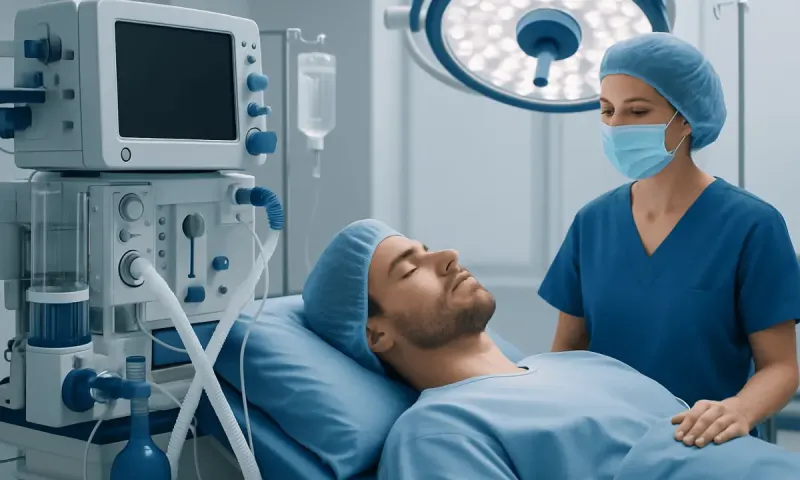
- Implants, surgical guides, anesthesia or sedation, and the surgical procedure
- Temporary teeth, the definitive bridge, laboratory work, and adjustments
- Post-treatment reviews, hygiene appointments, night guards, and potential maintenance needs
Travel arrangements, time away from work, and the need for staged visits may also be relevant for patients receiving care away from home. A treatment coordinator can help patients understand the anticipated sequence, but clinical findings remain the basis for a reliable plan.
Who May Be a Candidate?
Potential candidates include adults who have lost most or all teeth in an arch, have teeth affected by advanced decay or structural damage, or experience significant difficulty with removable dentures. Candidacy is based on more than the number of missing teeth. A dental team evaluates the bite, bone volume, gum health, jaw anatomy, oral hygiene habits, and the patient’s goals for function and appearance.
Medical history is equally important. Conditions such as diabetes, osteoporosis, immune-system disorders, bleeding disorders, and cardiovascular disease do not automatically prevent implant treatment, but they may require additional coordination with the person’s doctor. Some medications, including certain medicines used for bone conditions, can influence surgical planning and healing.
Smoking and nicotine use can reduce blood flow and increase the risk of complications around implants. Active periodontal disease and untreated oral infections should be addressed before or as part of implant planning. Patients who grind or clench their teeth may still be treated, but they may need protective measures and a restoration designed to manage higher forces.
How the Procedure Usually Works
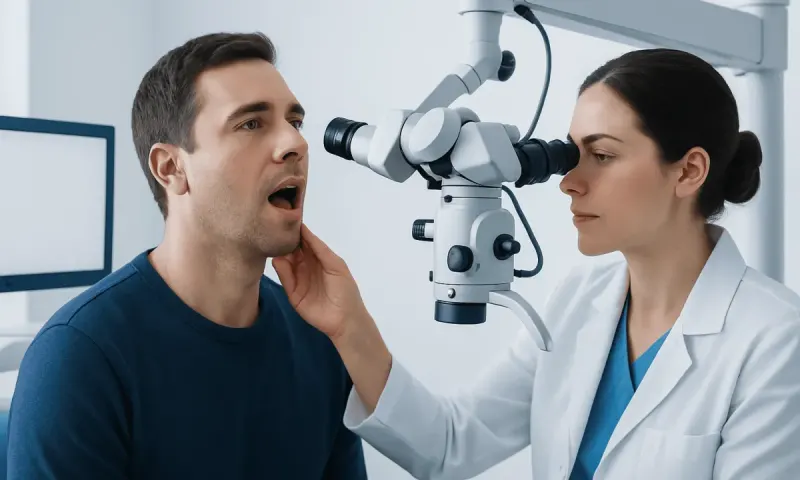
The process begins with a comprehensive consultation, oral examination, and diagnostic imaging, often including cone-beam computed tomography. The team evaluates the available bone, identifies important structures such as nerves and sinus spaces, reviews the condition of remaining teeth, and plans the position of each implant. Digital planning may be used to improve accuracy and coordinate surgery with the future bridge design.
If teeth need to be removed, this may occur at the same appointment as implant placement or as a separate stage. The clinician places the implants in prepared sites in the jawbone. In selected patients with good primary implant stability, a temporary fixed bridge can be attached soon after surgery. In other cases, a healing period is needed before a fixed temporary or final restoration is provided.
During healing, the bone gradually bonds with the implant surface in a process called osseointegration. Once the implants and surrounding tissues are stable, detailed records are taken to design the final bridge. The final fitting includes checking the bite, speech, comfort, appearance, and ability to clean around the restoration. Patients considering treatment can learn more about dental implant treatment as part of their consultation.
Recovery Timeline, Benefits, and Possible Risks
Recovery differs between individuals and depends on whether extractions, grafting, or other procedures were performed. Mild swelling, bruising, tenderness, and temporary changes in eating are common after surgery. The dental team may recommend a soft-food diet for a period, especially when a temporary bridge is in place, so the healing implants are not exposed to excessive force.
Follow-up appointments are important for monitoring healing, checking the temporary teeth, and reinforcing cleaning techniques. A final bridge is often planned after healing and tissue stabilization, although timing varies. Patients should follow their clinician’s guidance rather than relying on a fixed timeline from another person’s treatment.
Potential benefits include a stable set of teeth, improved chewing compared with poorly fitting dentures, and a fixed restoration that may feel more secure in daily life. Risks can include infection, bleeding, swelling, implant failure to integrate, nerve irritation in the lower jaw, sinus-related concerns in the upper jaw, prosthesis chipping or loosening, and inflammation around implants. Careful planning reduces risk but cannot remove it completely.
Long-term success depends on professional monitoring and consistent home care. Implant-supported teeth can develop plaque-related inflammation, including peri-implant disease, if cleaning is inadequate. The bridge, gums, and implants all need ongoing attention.
Planning, Daily Care, and Questions to Ask
Patients can prepare for consultation by listing their medicines, medical conditions, prior dental treatments, and goals. Sharing symptoms such as pain, loose teeth, frequent infections, difficulty chewing, or denture problems helps the dental team determine whether urgent treatment is needed before rehabilitation begins.
A clear treatment discussion should cover the proposed number of implants, whether extractions or grafting may be necessary, the temporary and final restoration plans, expected recovery restrictions, alternatives, and foreseeable maintenance. Patients may also ask who will provide the surgical and restorative stages, what emergency support is available, and how care will be coordinated after returning home if travel is involved.
After treatment, daily cleaning typically includes brushing the bridge and gumline, using specially recommended interdental brushes or flossing aids beneath the bridge, and attending regular hygiene visits. A night guard may be advised for people who clench or grind. These habits protect both the implants and the prosthesis over time.
Acıbadem Health Point’s multidisciplinary specialists and JCI-accredited hospitals provide assessment and treatment planning for international patients considering full-arch implant rehabilitation.
When to Seek Medical Care
Anyone with severe tooth pain, facial swelling, fever, pus, difficulty swallowing, or trouble breathing should seek urgent dental or medical assessment. These symptoms can indicate a spreading dental infection and should not be managed by delaying care or relying only on pain medicine.
People considering a fixed full arch should arrange a dental consultation if they have multiple missing teeth, loose or painful teeth, recurring gum infections, dentures that move during eating or speaking, or a marked decline in their ability to chew. Early assessment may help identify treatable gum disease or decay and clarify the available options.
After implant surgery, patients should contact their dental team promptly for worsening pain after initial improvement, persistent or increasing swelling, fever, unusual discharge, uncontrolled bleeding, a loose temporary bridge, or changes in sensation. Regular reviews remain important even when the restoration feels comfortable.
Frequently asked questions
01Is there one standard full fixed arch implant cost?
No. The cost depends on the patient's oral health, required preparatory care, surgical complexity, number of implants, type of temporary and final bridge, and follow-up needs. A personalized written plan after examination and imaging is the most meaningful way to understand the expected costs.
02Does a full fixed arch always use four implants?
No. Four implants may be suitable for some patients, but others may need a different number based on jawbone quality, anatomy, bite forces, and the restoration design. The treatment team determines the safest and most appropriate approach after assessment.
03Are fixed full arch implants removable?
The bridge is fixed in place for daily use and is not designed for the patient to remove. However, a dental professional may remove it during maintenance or repair appointments when necessary. Patients still need to clean carefully around and beneath the bridge every day.
04How long does full arch implant treatment take?
The timeline varies. Some suitable patients receive a temporary fixed bridge shortly after surgery, while others need staged treatment or longer healing before restoration. The final bridge is generally planned after the implants and soft tissues have healed adequately.
05Can someone with bone loss receive full arch implants?
Possibly. Bone loss is assessed with clinical examination and three-dimensional imaging, and some people may benefit from angled implant placement, grafting, or another treatment approach. In some situations, implant treatment may not be advisable, so individualized evaluation is essential.
06How should a patient compare full arch implant treatment plans?
Patients should compare what each plan includes rather than relying only on a headline price. Useful points include diagnostics, extractions, grafting, anesthesia, provisional teeth, final materials, laboratory work, follow-up visits, hygiene care, and arrangements for future maintenance or repairs.
This article is for general information only and is not a substitute for professional medical advice. Please consult a qualified doctor about your individual situation.
Explore treatments in Turkey — costs, top hospitals & a free quote
JCI-accredited · board-certified surgeons · reply within 24h
Add us as a Preferred Source to see more of our trusted health content across Google Search, AI Overviews and Discover.