What Shapes Corrective Jaw Surgery Costs?
Corrective jaw surgery costs are individualized because treatment may involve orthodontics, imaging, hospital care, anesthesia, one or both jaws, and long-term follow-up. Understanding what contributes to a treatment plan can help patients compare estimates thoughtfully and prepare for care without relying on a single advertised figure.
Corrective jaw surgery costs: what shapes the overall plan?
Corrective jaw surgery costs are not a single standard amount. They reflect the clinical problem being treated, the type and complexity of jaw movement needed, the location and setting of care, and the services required before and after surgery. For this reason, the most meaningful estimate is a written, personalized plan developed after examination and imaging.
Orthognathic surgery is usually planned to correct a significant mismatch between the upper jaw, lower jaw and teeth. It may be recommended for a bite that cannot be corrected with orthodontics alone, difficulty chewing, jaw-related functional concerns, facial asymmetry or selected breathing-related problems. The goal is functional improvement and stable jaw alignment; changes in facial appearance can occur because the jaws are repositioned.
A complete financial conversation commonly considers consultation visits, dental and facial imaging, orthodontic treatment, surgical planning, surgeon and anesthesia services, operating-room or hospital care, plates and screws, medicines, laboratory testing, follow-up appointments and possible supportive treatments. Patients should ask which services are included in an estimate and which may be billed separately.
How corrective jaw surgery works
Corrective jaw surgery is performed by an oral and maxillofacial surgeon, generally in close coordination with an orthodontist. The surgeon makes carefully planned cuts in the jawbone, moves the upper jaw, lower jaw, chin or a combination of these structures into a new position, then secures the bone with small plates and screws. Incisions are often made inside the mouth, so visible facial scars are uncommon.
Depending on the diagnosis, surgery may involve the upper jaw, known as a maxillary osteotomy; the lower jaw, commonly a mandibular osteotomy; or both jaws. Some patients also have chin surgery as part of an individualized plan. The techniques chosen should be based on bite function, facial structure, airway considerations and long-term stability rather than appearance alone.
Orthodontic treatment before and after surgery is often an essential part of the process. Braces or clear aligners help place the teeth in positions that will fit together properly once the jaws have been moved. This extended, coordinated pathway is one reason why corrective jaw surgery planning is different from arranging a single isolated procedure.
Who may be a candidate?

Potential candidates generally have a jaw or bite discrepancy that is too substantial to be managed with orthodontics alone. Examples include marked overbite, underbite, open bite, crossbite, facial asymmetry, difficulty bringing the lips together comfortably, chewing limitations, speech concerns or jaw positions associated with obstructive sleep apnea in carefully selected people.
Evaluation is typically most appropriate after jaw growth is largely complete, although the timing differs among individuals. The care team reviews dental development, facial growth, overall health, gum and tooth health, medications, smoking or nicotine exposure, and the person’s ability to follow a recovery plan. Active dental infections and poorly controlled medical conditions usually need attention before elective surgery.
Candidacy also depends on realistic, informed expectations. Surgery can improve jaw alignment and bite function, but it does not eliminate every source of facial pain, sleep difficulty or dental concern. A full assessment may identify related issues such as temporomandibular joint disorder that need separate evaluation and management.
The treatment journey, step by step
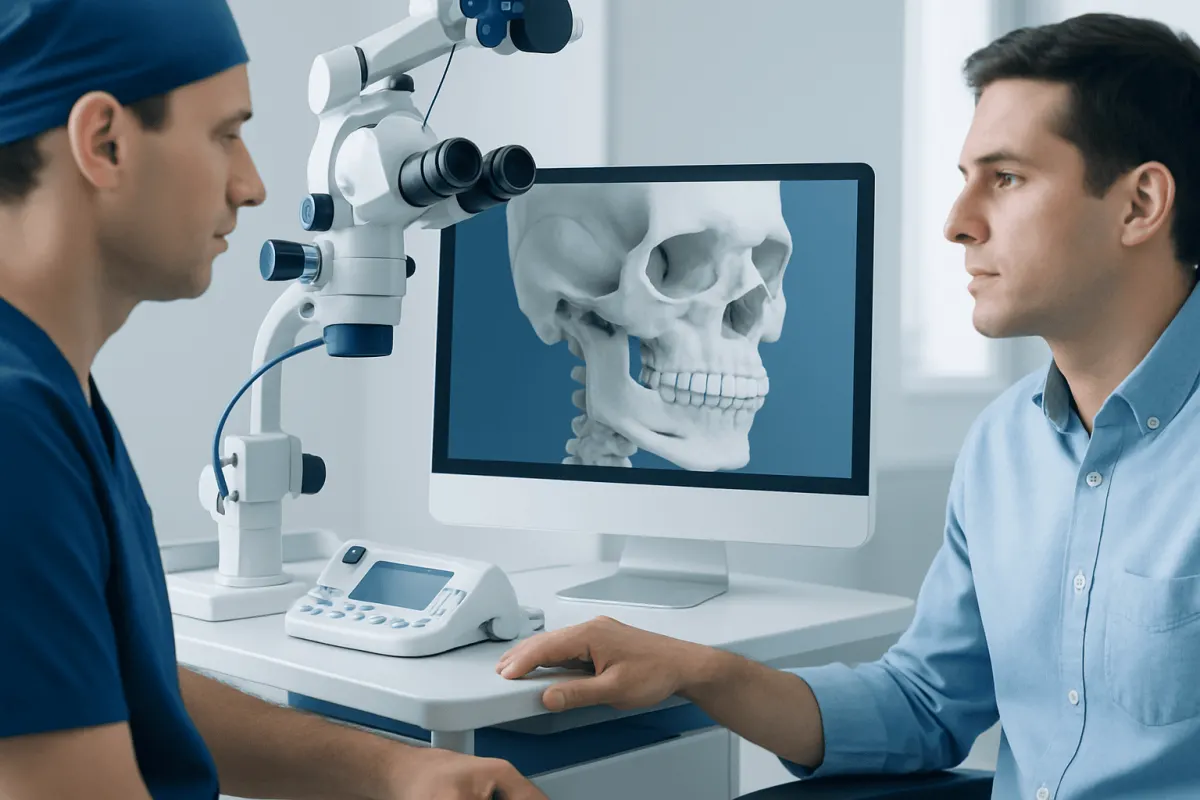
The pathway begins with consultations and detailed records. These may include dental impressions or digital scans, photographs, X-rays and three-dimensional imaging. The orthodontist and surgeon use this information to assess the bite and develop a surgical plan. Digital planning and surgical guides may be used to support accuracy, depending on the case and the treatment center.
Many patients have orthodontic preparation before surgery. Once the teeth are ready, the surgical team confirms the plan, reviews medical history and anesthesia considerations, and gives instructions about eating, medicines, oral hygiene and arrival at the hospital. Patients should disclose all prescription medicines, supplements, allergies and nicotine use, because these can affect anesthesia and healing.
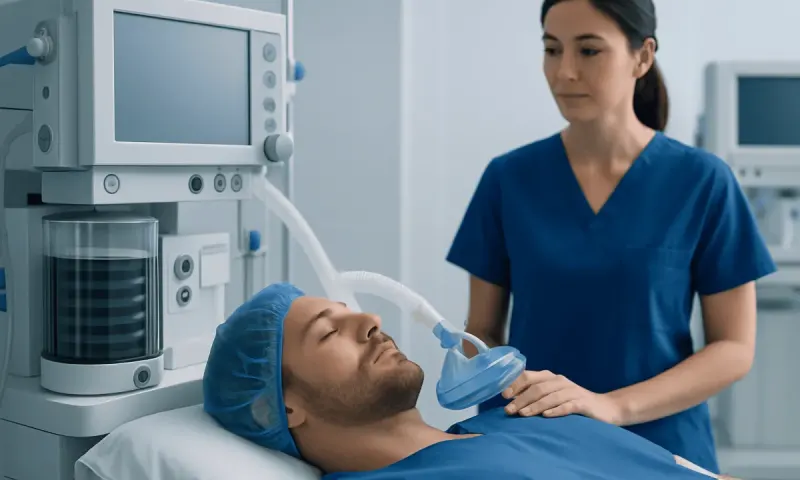
The procedure is performed under general anesthesia. After repositioning the jaw or jaws, the surgeon fixes the bones in their planned positions. Some patients may use guiding elastics after surgery; whether the jaws need additional immobilization depends on the procedure and the surgeon’s approach. Following discharge, the patient returns for scheduled reviews with both the surgeon and orthodontist. Patients seeking a detailed procedural overview can discuss orthognathic surgery with a qualified surgical team.
Benefits, limitations and possible risks
When appropriately recommended and carefully planned, corrective jaw surgery can improve the way the teeth meet, support more effective chewing and reduce strain caused by a severely misaligned bite. It may also improve facial balance and, for selected patients, contribute to management of airway obstruction or sleep apnea. The expected benefits depend on the underlying condition, the movements performed and successful orthodontic coordination.
Like all major surgery, it has potential risks. These include bleeding, infection, swelling, pain, temporary or persistent changes in sensation around the lips, chin or face, jaw-joint symptoms, bite changes, delayed bone healing, relapse of jaw position, sinus-related issues after upper-jaw surgery, and anesthesia-related complications. Rarely, additional treatment or surgery may be needed.
A surgeon should explain the risks relevant to the proposed operation, alternatives to surgery and the steps used to reduce complications. Patients can support safer healing by attending follow-up visits, following dietary and hygiene instructions, avoiding nicotine products, and contacting the care team promptly if concerns arise.
Recovery timeline and daily care
Recovery varies with the type of surgery and the individual’s health. Swelling, bruising, fatigue, nasal congestion after upper-jaw procedures, and temporary numbness are common early experiences. Swelling is often most noticeable during the first days and then improves gradually over the following weeks, while residual swelling and changes in sensation may take longer to settle.
Eating usually progresses from liquids to blended or soft foods and then toward more regular textures as healing allows. The surgical team will provide individualized guidance because chewing too early can interfere with healing. Good hydration, adequate nutrition, gentle oral hygiene, prescribed mouth rinses when advised, and regular follow-up are important parts of care.
Many people need time away from work, school and strenuous activities during initial recovery. The team will advise when it is safe to resume exercise, driving, travel and normal eating. Orthodontic adjustments commonly continue after surgery to refine the bite, so the full treatment result develops over time rather than immediately after the operation.
Planning costs, coverage and questions to ask
Patients can prepare for corrective jaw surgery costs by requesting an itemized treatment plan. It is helpful to clarify whether the estimate covers orthodontic care, imaging, surgeon fees, anesthesia, hospital or operating-room charges, surgical materials, medications, follow-up visits and treatment for an unexpected complication. Travel, accommodation, time away from work and special dietary needs may also affect personal planning.
Coverage decisions vary substantially by insurer, country and policy. Some plans may contribute when a procedure is documented as medically necessary to address significant functional problems, while coverage for appearance-focused treatment may be limited. Patients should ask their insurer about preauthorization, documentation requirements, deductibles, co-payments, network rules and exclusions before committing to treatment.
It is reasonable to obtain a second opinion if the diagnosis, scope of surgery or financial plan is unclear. Acıbadem Health Point’s multidisciplinary specialists at JCI-accredited hospitals evaluate and treat jaw alignment concerns for international patients, with planning that coordinates surgical and orthodontic care. A transparent conversation with the treating center can help patients understand both clinical recommendations and the services included in their care plan.
When to seek medical care
A person should arrange a dental, orthodontic or oral and maxillofacial surgery assessment for a persistent bite problem, difficulty chewing, repeated cheek biting, inability to close the lips comfortably, noticeable jaw asymmetry, or concerns that jaw position is affecting daily function. Snoring, witnessed breathing pauses during sleep and significant daytime tiredness also deserve medical assessment; these symptoms can have several causes and should not be attributed to jaw position without evaluation.
After jaw surgery, patients should contact their surgical team urgently for fever, worsening rather than improving swelling or pain, persistent bleeding, drainage with an unpleasant odor, trouble drinking enough fluids, signs of dehydration, a sudden change in the bite, or concerns about breathing. Emergency care is needed for severe breathing difficulty, chest pain, loss of consciousness or other urgent symptoms.
Regular follow-up is not optional after corrective jaw surgery. It allows the team to monitor healing, bite alignment, nutrition and oral health, and to address concerns early. Patients should use their own surgeon’s instructions as the primary guide because recovery recommendations differ by procedure.
Frequently asked questions
01What is included in corrective jaw surgery costs?
The overall plan may include specialist consultations, imaging, orthodontics, surgical planning, surgeon and anesthesia services, hospital care, surgical materials, medicines and follow-up visits. Not every plan includes the same services, so patients should request an itemized explanation in writing. Personal costs such as travel, accommodation and time away from work may also need consideration.
02Does insurance cover corrective jaw surgery?
Coverage depends on the individual policy, local healthcare system and the documented reason for surgery. Insurers may evaluate whether treatment is medically necessary for a significant functional problem, rather than primarily intended to change appearance. Patients should contact their insurer early to ask about authorization, exclusions and out-of-pocket responsibilities.
03Is corrective jaw surgery the same as orthodontic treatment?
No. Orthodontic treatment moves teeth, while corrective jaw surgery repositions the jawbones. Many patients need both because teeth often need to be aligned before surgery and refined afterward to create a stable bite.
04How long does recovery from corrective jaw surgery take?
Initial recovery commonly involves several weeks of reduced activity and a staged diet, but healing continues for months. Swelling and temporary numbness can improve gradually, and orthodontic treatment may continue after surgery. The treating team provides the most reliable timeline because recovery depends on the procedure performed.
05Can corrective jaw surgery improve sleep apnea?
Jaw surgery may be considered for selected people with obstructive sleep apnea when jaw structure contributes to airway narrowing. It is not the right treatment for everyone, and a sleep assessment is usually needed to understand the cause and severity of breathing problems. Sleep specialists, orthodontists and surgeons may work together when surgery is being considered.
06What questions should patients ask before choosing a surgical center?
Patients can ask about the diagnosis, alternatives, proposed jaw movements, expected functional benefits, important risks, recovery requirements and follow-up plan. They should also ask who will coordinate orthodontic and surgical care, which services are included in the estimate, and how complications or unplanned care are handled. Clear answers support informed consent and realistic planning.
This article is for general information only and is not a substitute for professional medical advice. Please consult a qualified doctor about your individual situation.
Explore treatments in Turkey — costs, top hospitals & a free quote
JCI-accredited · board-certified surgeons · reply within 24h
Add us as a Preferred Source to see more of our trusted health content across Google Search, AI Overviews and Discover.