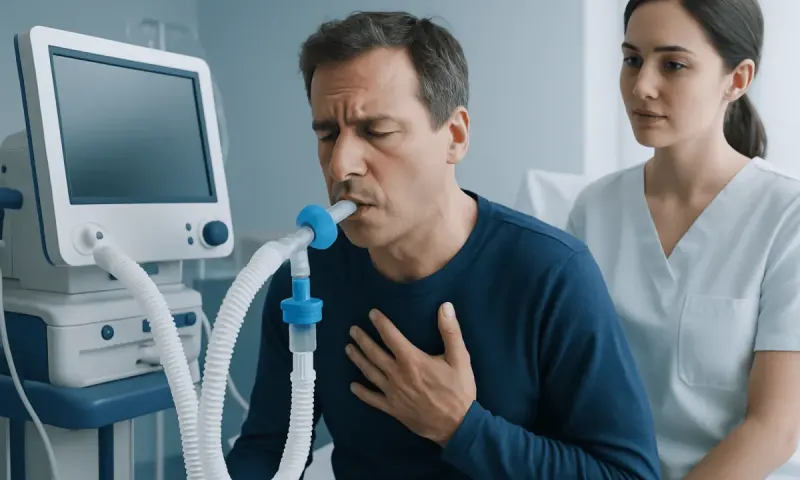
Why Can’t You Eat Before Surgery?
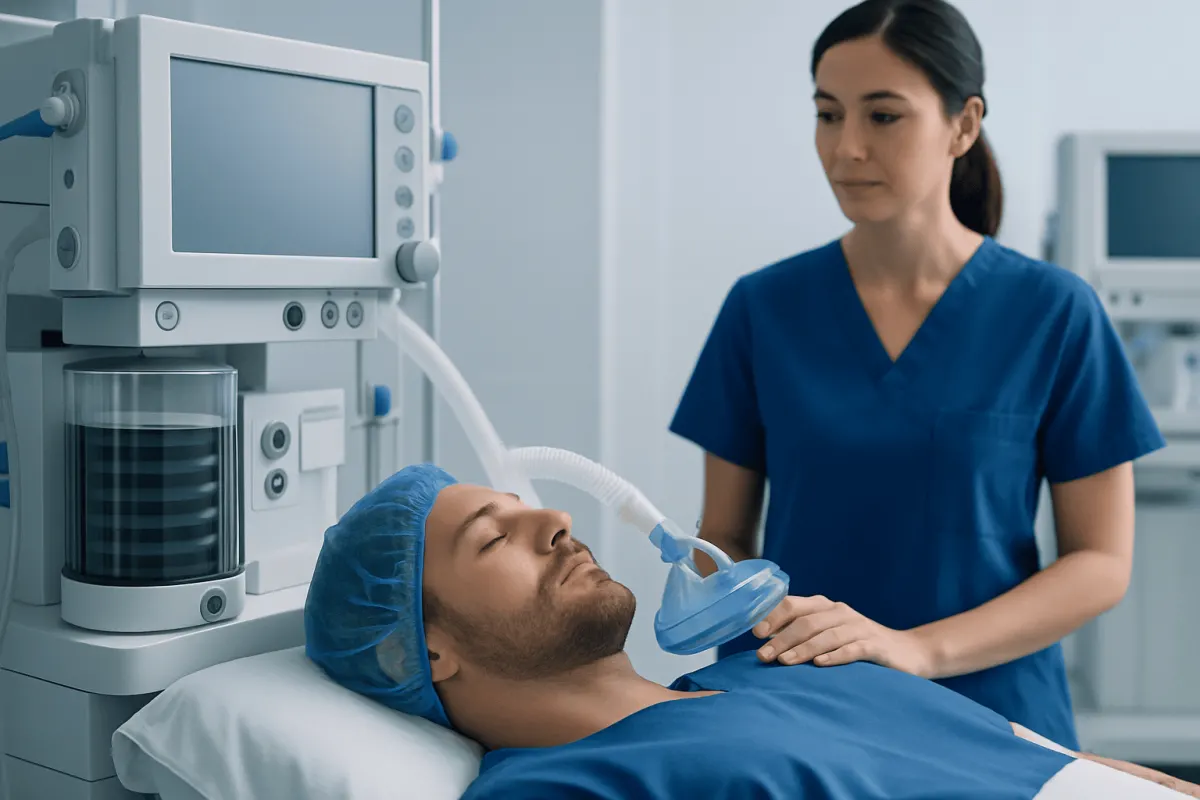
People are asked not to eat before surgery because anesthesia can reduce protective reflexes that normally prevent food or liquid from entering the airway. Following the individualized fasting instructions from the surgical and anesthesia team helps lower the chance of aspiration and may prevent a procedure from being delayed.
Why can't you eat before surgery?
People should not eat before surgery because anesthesia and sedation can temporarily weaken normal protective reflexes, including coughing and swallowing. If the stomach contains food or liquid, it may move upward into the throat and enter the lungs while a person is asleep or deeply sedated. This is called aspiration, and fasting is one important way to reduce that risk.
The exact rules are not identical for everyone. They depend on the planned procedure, whether general anesthesia or sedation is needed, a person’s age and medical history, and what they have eaten or drunk. The instructions provided by the surgeon, anesthesiologist, or hospital always take priority over general online guidance.
Fasting also allows the anesthesia team to plan care with a clearer understanding of stomach contents and safety risks. It is not a punishment or a routine formality: it is part of preparing for a safer procedure and a smoother recovery.
How fasting works before anesthesia
During normal wakefulness, the body has several ways to protect the lungs. If something comes up from the stomach, a person can swallow, cough, or move away from the material. Under general anesthesia, and sometimes with deeper sedation, these responses may be reduced. Muscles that help keep stomach contents from traveling upward may also relax.
If food, fluid, or acidic stomach contents reach the lungs, they can irritate lung tissue and interfere with breathing. The anesthesia team assesses this possibility alongside other factors, such as reflux symptoms, diabetes, delayed stomach emptying, pregnancy, emergency surgery, certain medicines, and obesity. In some cases, the team may adapt the anesthesia approach or recommend postponing a non-urgent operation.
Fasting guidance usually separates solid foods, milk-containing drinks, and clear liquids because they leave the stomach at different rates. Clear liquids generally move through the stomach faster than a meal, but a clear liquid is not the same as every drink. Alcoholic drinks, smoothies, juice with pulp, milk, and nutritional shakes may require longer fasting.
What is the 2 4 6 rule for anesthesia?

The “2 4 6 rule” is a commonly used shorthand for minimum fasting intervals before elective anesthesia in many settings. It generally means clear liquids may be allowed until 2 hours before anesthesia, breast milk until 4 hours before, and a light meal or nonhuman milk until 6 hours before. Some clinical guidance also recommends a longer interval, often 8 hours or more, after a large, fatty, or heavy meal.
These time frames are general principles, not a personal prescription. A hospital may use different instructions, and an anesthesiologist may advise a longer or shorter interval based on the procedure and a patient’s individual circumstances. Children, older adults, and people with diabetes or digestive conditions may receive especially tailored plans.
Clear liquids commonly include water, clear apple juice without pulp, black tea, black coffee without milk or cream, and certain clear carbohydrate drinks when specifically approved. Patients should not assume a drink qualifies as clear; when uncertain, they should ask the surgical unit before consuming it.
- Follow the written instructions from the procedure center exactly.
- Ask which routine medicines should be taken and whether a small sip of water is permitted.
- Do not use gum, hard candy, mints, or tobacco unless the team says they are allowed.
What if I accidentally ate before surgery?
Anyone who accidentally eats or drinks after the instructed fasting time should contact the surgical center, surgeon’s office, or anesthesia team as soon as possible. They should state what was consumed, how much, and the time it was consumed. This information helps the team make an appropriate decision; it is important not to hide it out of concern that the operation may be delayed.
The procedure may still be able to go ahead, or the team may recommend waiting longer, changing the anesthesia plan, or rescheduling an elective operation. The decision depends on the type and amount of food or drink, the timing, the urgency of the procedure, and individual aspiration risks. Only the treating clinicians can make this assessment safely.
People should not try to induce vomiting or take medicines to “empty” the stomach unless a clinician specifically advises this. They should also continue to follow instructions about prescribed medications. For surgery planning and anesthesia assessment, anesthesia care may include individualized fasting and medication guidance.
How serious is it to not eat before surgery?
Not following fasting instructions can be serious because it may increase the chance of aspiration during anesthesia. Aspiration can range from a minor event with no lasting effects to a situation that causes lung irritation, breathing problems, infection, or the need for additional medical support. Although serious complications are uncommon, the potential consequences are why fasting requirements are taken carefully.
The risk is not the same for every person or procedure. A short procedure under local anesthesia may have different requirements from an operation requiring general anesthesia. Emergency surgery is also different: when treatment cannot wait, clinicians use additional precautions and select techniques intended to manage a full-stomach risk as safely as possible.
Fasting for longer than instructed is not automatically safer. Excessive fasting can cause thirst, headache, weakness, dehydration, and low blood sugar, particularly for children, older adults, and people using diabetes medicines. Patients should aim to follow the stated time limits rather than adding extra fasting on their own.
Procedure day, recovery, and expected results
On the day of surgery, staff usually confirm the time of the last food and drink, current medications, allergies, medical conditions, and any symptoms such as vomiting, reflux, fever, or breathing difficulty. The anesthesiologist then reviews the anesthesia plan, answers questions, and may adjust care according to the individual’s risk factors and the operation being performed.
For many procedures, anesthesia is given through an intravenous line, inhaled medication, or both. Monitoring continues throughout the operation, including oxygen levels, blood pressure, heart rhythm, and breathing. Afterward, patients recover in a monitored area until they are awake enough and medically stable for the next stage of care.
Eating and drinking after surgery are restarted according to the procedure and recovery needs. Some people begin with small sips of water or clear liquids, while others need to wait longer, especially after abdominal, throat, or gastrointestinal surgery. Nausea, dry mouth, or a sore throat can occur after anesthesia and often improve over a short period; staff can provide treatment and guidance when needed.
The intended result of fasting is not to change the surgical outcome itself, but to make anesthesia administration safer. A well-coordinated preoperative assessment can also identify concerns early, including symptoms that may require more evaluation before proceeding.
Do you pee under anesthesia?
Some people may pass urine while under anesthesia, but it is not something that happens to everyone. Anesthesia, intravenous fluids, the length of surgery, and the type of procedure can affect bladder function. In many short operations, patients are asked to use the bathroom before anesthesia and no urinary catheter is needed.
For longer procedures, certain pelvic or abdominal surgeries, major operations, or situations where urine output needs close monitoring, the clinical team may place a urinary catheter. This is a thin tube that drains urine from the bladder. When it is needed, it is usually inserted after anesthesia has begun and removed as soon as it is no longer necessary.
It is also possible to have temporary difficulty urinating after surgery, particularly after certain anesthetics, pain medicines, or procedures. Patients should tell a nurse or doctor if they have lower abdominal discomfort, a full-bladder sensation, or are unable to urinate after discharge as instructed.
When to seek medical care
Before surgery, patients should contact their care team promptly if they develop vomiting, severe reflux, a fever, a new cough, shortness of breath, diarrhea, or any illness that could affect anesthesia safety. They should also report changes in medicines, including diabetes medicines, blood thinners, injectable weight-loss medicines, supplements, and over-the-counter products.
After surgery, urgent medical assessment is appropriate for severe or worsening shortness of breath, chest pain, blue or gray lips, coughing up blood, persistent vomiting, inability to keep fluids down, fainting, or rapidly worsening weakness. These symptoms can have different causes and should not be managed by self-diagnosis.
For planned care, Acıbadem Health Point’s multidisciplinary specialists and JCI-accredited hospitals support international patients through preoperative assessment, surgery, and follow-up planning. Patients should bring their medication list, health records, and any prior anesthesia concerns to their consultation.
Frequently asked questions
01Can I drink water before surgery?
Many patients may drink approved clear liquids, including water, until a specified time before anesthesia. However, the permitted timing varies by procedure and individual health factors, so the instructions from the surgical team should always be followed. Water should not be consumed after the stated cutoff unless the team tells the patient otherwise.
02Can I take my usual medicines while fasting for surgery?
Some medicines should be taken as usual, often with a small sip of water, while others may need to be paused or adjusted. This is particularly important for diabetes medicines, blood thinners, blood pressure medicines, and certain weight-management medicines. Patients should ask their surgeon, anesthesiologist, or prescribing clinician for personalized instructions.
03Does chewing gum break a pre-surgery fast?
Gum may stimulate saliva and stomach activity, and some types contain sugar or other ingredients that can affect fasting plans. Many surgery centers ask patients to avoid gum, candy, mints, and tobacco on the day of surgery. If gum was chewed, the patient should tell the care team rather than assuming it does not matter.
04Why are clear liquids allowed closer to surgery than food?
Clear liquids usually pass through the stomach more quickly than solid food, milk, and thick drinks. This can make them acceptable until a shorter time before anesthesia in suitable patients. The definition of a clear liquid and the timing allowed should be confirmed with the surgical team.
05What happens if surgery is delayed after I have fasted?
The surgical team will explain whether limited clear fluids are safe while waiting and whether fasting instructions need to be restarted. Patients should not eat or drink simply because the schedule has changed unless staff specifically approve it. The team will balance comfort, hydration, and anesthesia safety.
06Can fasting before surgery cause low blood sugar?
It can, especially in people with diabetes, children, frail older adults, and people who use glucose-lowering medicines. This is why individualized medication and fasting instructions are important. Anyone who feels shaky, sweaty, confused, very weak, or unwell before surgery should alert the surgical team immediately.
This article is for general information only and is not a substitute for professional medical advice. Please consult a qualified doctor about your individual situation.
Medical weight-loss options in Turkey — costs & eligibility
JCI-accredited · board-certified surgeons · reply within 24h
Add us as a Preferred Source to see more of our trusted health content across Google Search, AI Overviews and Discover.