What Is the Heart Rate for a Heart Attack?
There is no specific heart rate that confirms or rules out a heart attack. Many changes in heart rate are harmless and temporary, but chest discomfort, breathlessness, sweating, faintness, or nausea need urgent assessment—especially when they occur suddenly or together.
What Is the Heart Rate for Heart Attack?
There is no single answer to “what is the heart rate for heart attack?” A heart attack may occur when the heart rate is normal, fast, slow, or irregular. For this reason, a pulse reading from a smartwatch, home blood pressure monitor, or manual check cannot confirm or rule out a heart attack.
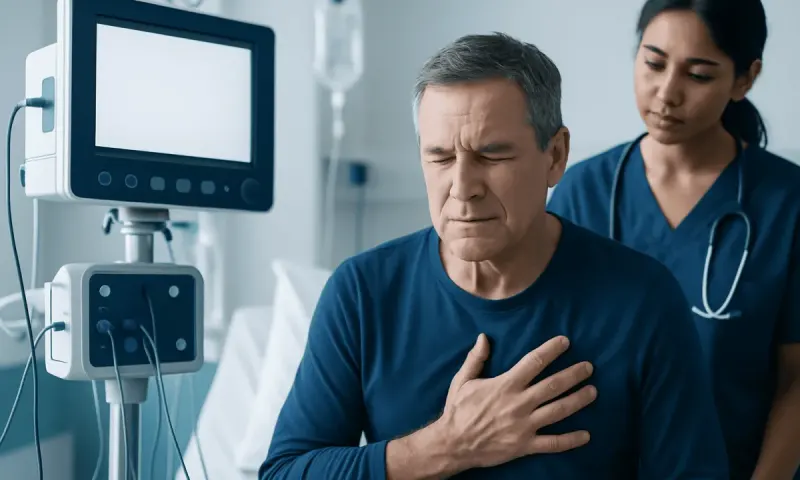
Many episodes of a fast heartbeat are not caused by a heart attack. Exercise, stress, anxiety, pain, fever, dehydration, caffeine, nicotine, and some medicines can temporarily increase the pulse. However, a new or unusual rapid, slow, or irregular heartbeat accompanied by chest pressure, shortness of breath, cold sweating, nausea, faintness, or pain spreading to the arm, jaw, back, or shoulder should be treated as an emergency.
When symptoms suggest a possible heart attack, the safest next step is to contact local emergency services rather than driving to a clinic or waiting to see whether the pulse returns to normal. Prompt medical assessment can identify the cause and, when needed, begin treatment quickly.
Why Heart Rate Changes During a Heart Attack
A heart attack, also called myocardial infarction, occurs when blood flow to part of the heart muscle is suddenly reduced or blocked, most often because a blood clot forms on top of fatty plaque in a coronary artery. The affected heart muscle does not receive enough oxygen, which can cause chest symptoms and may affect the heart’s pumping function or electrical system.
The body may respond to pain, fear, low blood pressure, or reduced heart pumping with a faster heart rate. In some cases, the damaged or oxygen-deprived heart tissue can trigger an abnormal rhythm, known as an arrhythmia. Depending on the area of the heart involved, this may make the pulse unusually fast, slow, irregular, or difficult to detect.
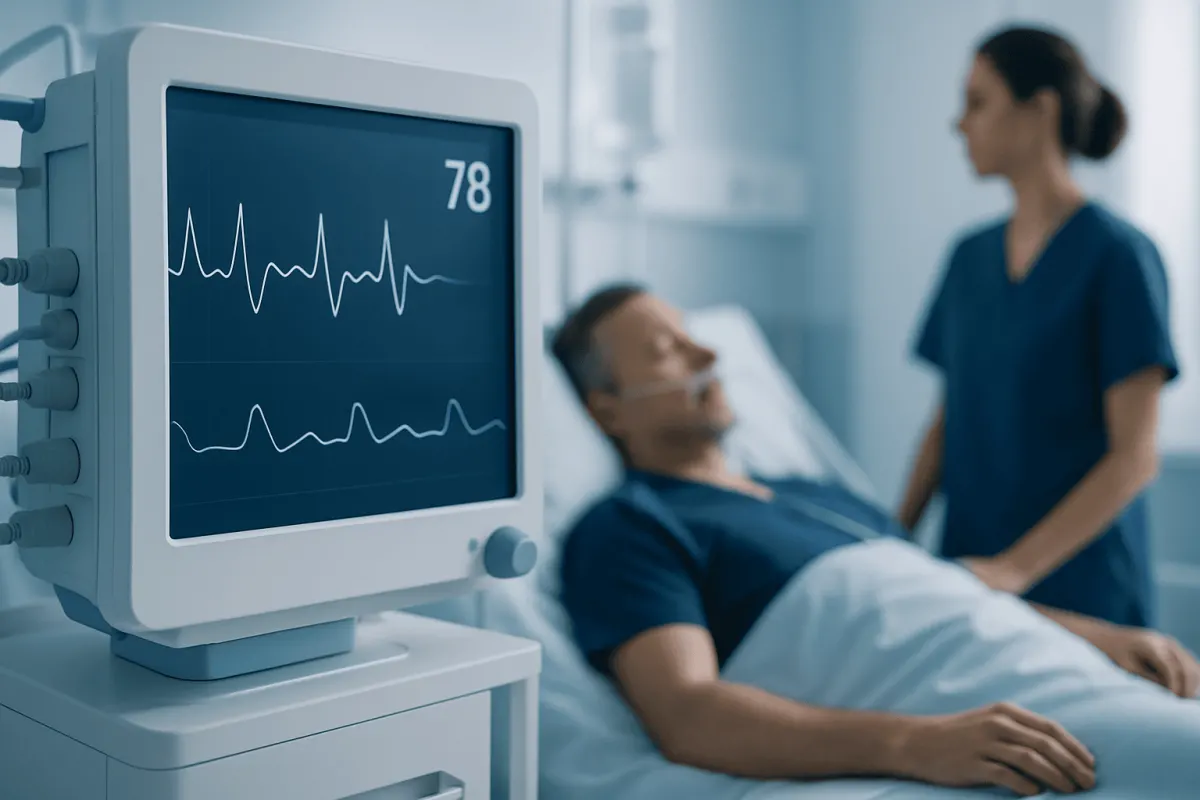
Some people have little noticeable change in their pulse during a heart attack. This is why clinicians assess the whole picture, including symptoms, medical history, examination findings, an electrocardiogram (ECG), and blood tests. A number on its own is not enough to determine whether heart muscle injury is present.
Heart Rate Ranges and What They Can Mean

For most adults, a typical resting heart rate is about 60 to 100 beats per minute. A resting rate above 100 beats per minute is called tachycardia, while a rate below 60 beats per minute is called bradycardia. These terms describe the pulse rate; they do not identify the cause.
A rate above 100 may occur normally after activity or with emotional stress. It can also be linked with fever, anemia, dehydration, thyroid disorders, infection, stimulant use, or an abnormal heart rhythm. A slower rate can be normal in some well-trained athletes and during sleep, but it can also occur with certain medicines, problems in the heart’s electrical pathways, or reduced blood supply to areas that control rhythm.
An irregular pulse may be felt as fluttering, skipped beats, pounding, or a heartbeat that seems uneven. Palpitations are common and are often benign, but they deserve medical review when they are new, recurrent, prolonged, associated with dizziness or fainting, or occur with chest symptoms. Heart rhythm disorders can have many causes, and evaluation helps distinguish temporary triggers from conditions requiring treatment.
- A normal pulse does not exclude a heart attack.
- A fast or slow pulse does not automatically mean a heart attack.
- Symptoms and risk factors are more important than a single wearable-device reading.
Symptoms That Matter More Than the Pulse
The most recognized heart attack symptom is pressure, heaviness, squeezing, fullness, or pain in the center or left side of the chest. It may last more than a few minutes, come and go, or feel like indigestion. Discomfort may spread to one or both arms, the shoulder, neck, jaw, back, or upper abdomen.
Other possible symptoms include shortness of breath, cold sweat, nausea or vomiting, unusual tiredness, lightheadedness, or a sudden feeling of weakness. Symptoms vary from person to person. Older adults, women, and people with diabetes may be more likely to have less typical symptoms, such as breathlessness, fatigue, nausea, or back and jaw discomfort without obvious chest pain.
Not all chest pain is a heart attack. Muscle strain, reflux, panic symptoms, and lung conditions can also cause chest discomfort. Still, it is not possible to safely distinguish these causes at home when symptoms are new, severe, or concerning. Coronary artery disease is a major underlying cause of heart attacks, particularly in people with cardiovascular risk factors.
Who May Have a Higher Risk?
Heart attack risk rises with age, but it can affect adults at younger ages as well. Important risk factors include smoking, high blood pressure, high cholesterol, diabetes, obesity, physical inactivity, an unhealthy dietary pattern, chronic stress, and a family history of early cardiovascular disease.
Some risk factors cannot be changed, including age, sex, certain inherited conditions, and family history. Others can often be improved with support from a healthcare professional. Managing blood pressure, cholesterol, and diabetes is especially important because these conditions can damage blood vessels over time without causing noticeable symptoms.
A person’s immediate symptoms remain important regardless of their known risk level. Someone with few recognized risk factors can still develop heart symptoms, while someone with several risk factors may have symptoms caused by another condition. Medical assessment is the appropriate way to clarify the cause.
How Doctors Check for a Heart Attack
When a heart attack is suspected, clinicians first assess symptoms, vital signs, oxygen level, medical history, and cardiovascular risk factors. They listen to the heart and lungs and look for signs that may suggest reduced circulation, heart failure, infection, or another cause of symptoms.
An ECG records the heart’s electrical activity and can show patterns that suggest a heart attack or an arrhythmia. Because some changes may not appear immediately, ECGs may be repeated. Blood tests measuring cardiac troponin are also central to diagnosis because troponin can rise when heart muscle cells are injured.
Depending on the findings, further tests may include an echocardiogram, chest imaging, continuous heart rhythm monitoring, or coronary angiography to view the heart arteries. If a blocked artery is identified, doctors may recommend urgent treatment such as coronary angioplasty and stent placement to restore blood flow. The specific plan depends on the diagnosis, timing, symptoms, and overall health.
What to Do While Waiting for Medical Help
For possible heart attack symptoms, calling emergency services is safer than traveling independently. Emergency teams can assess vital signs, begin appropriate care, and arrange rapid transport. A person should stop activity, sit or lie in a comfortable position, and avoid being alone if possible.
It is important not to dismiss symptoms because the heart rate seems normal or because symptoms briefly improve. Likewise, a high heart rate after stress or exertion should not automatically be assumed to be a heart attack. The presence of concerning symptoms, their duration, and a person’s risk factors determine the need for urgent care.
A person should only take medicines for suspected heart symptoms if instructed by an emergency professional or if they have an existing, individualized plan from their clinician. They should not take another person’s prescription medication. If symptoms are severe, associated with collapse, or a person becomes unresponsive, bystanders should call emergency services and follow dispatcher instructions, including CPR guidance if given.
When to Seek Medical Care
Emergency medical care is needed for new chest pressure, pain, or discomfort lasting more than a few minutes; chest symptoms that return; or chest discomfort accompanied by shortness of breath, sweating, nausea, faintness, or spreading pain. Emergency care is also appropriate for a rapid, slow, or irregular heartbeat with chest symptoms, severe breathlessness, fainting, or confusion.
A non-emergency medical appointment is appropriate for recurring palpitations, a persistently high or low resting pulse, reduced exercise tolerance, or unexplained dizziness, even when there is no acute chest pain. A clinician can review medicines, check for contributing conditions, and arrange heart rhythm monitoring or other tests when appropriate.
For people seeking specialist evaluation, Acıbadem Health Point’s multidisciplinary specialists and JCI-accredited hospitals diagnose and treat cardiovascular conditions for international patients. Ongoing prevention may include lifestyle support and treatment of conditions such as high blood pressure, cholesterol disorders, or diabetes under the guidance of a qualified healthcare team.
Frequently asked questions
01Can you have a heart attack with a normal heart rate?
Yes. A normal heart rate does not rule out a heart attack, because the pulse may remain within the usual range even when blood flow to heart muscle is reduced. Chest pressure, breathlessness, sweating, nausea, or pain spreading to the arm, jaw, shoulder, or back should be assessed urgently regardless of pulse rate.
02Does a fast heart rate mean a heart attack is happening?
Not necessarily. Fast heart rate is often caused by activity, stress, anxiety, fever, dehydration, pain, caffeine, nicotine, or some medicines. It needs urgent assessment when it occurs with chest discomfort, fainting, severe breathlessness, or other possible heart attack symptoms.
03Can a heart attack cause a slow heart rate?
Yes, in some cases. A heart attack can affect the electrical pathways that control heartbeat, especially when certain areas of the heart are involved. A slow pulse with dizziness, fainting, chest symptoms, or shortness of breath requires urgent medical attention.
04What heart rate is dangerous during chest pain?
There is no single heart rate threshold that can determine danger during chest pain. Any new or unexplained chest pressure or pain, particularly with sweating, nausea, breathlessness, weakness, or radiating pain, should be treated as a possible emergency even if the heart rate appears normal.
05Can a smartwatch detect a heart attack?
A smartwatch may show heart rate changes or, on some devices, identify possible irregular rhythms. However, it cannot reliably diagnose or exclude a heart attack. Medical assessment with an ECG and blood tests is needed if symptoms are concerning.
06What tests confirm a heart attack?
Doctors commonly use an ECG and repeated cardiac troponin blood tests to assess for heart muscle injury. They may also use an echocardiogram, heart rhythm monitoring, and coronary imaging depending on the clinical situation.
This article is for general information only and is not a substitute for professional medical advice. Please consult a qualified doctor about your individual situation.
Persistent digestive symptoms? Get evaluated in Turkey
JCI-accredited · board-certified surgeons · reply within 24h
Add us as a Preferred Source to see more of our trusted health content across Google Search, AI Overviews and Discover.