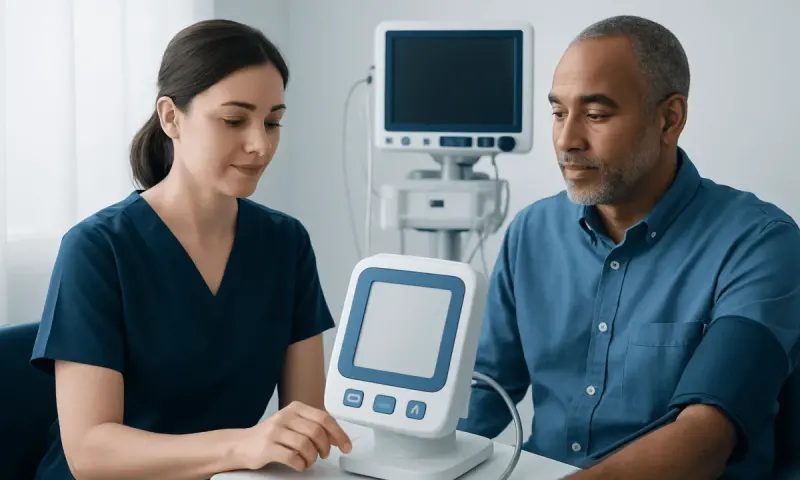
Blood Pressure During a Heart Attack: What It Can Mean

Blood pressure while heart attack may rise, stay near a person’s usual level, or fall dangerously low. A blood pressure reading cannot rule a heart attack in or out, so anyone with possible symptoms should seek emergency medical help immediately.
Blood Pressure While a Heart Attack: The Key Point
Blood pressure while a heart attack can be high, normal, or low. The body’s response depends on the part of the heart affected, the size of the blockage, pain and stress levels, pre-existing blood pressure, and how well the heart is pumping. For this reason, a single blood pressure measurement cannot confirm or exclude a heart attack.
Some people experience a temporary rise in blood pressure because pain, fear, and stress hormones activate the body’s “fight-or-flight” response. Others develop low blood pressure when damaged heart muscle cannot pump enough blood effectively. A person with concerning symptoms should not wait for repeat home readings or assume that a normal number means they are safe.
A heart attack, also called myocardial infarction, occurs when blood flow to part of the heart muscle is suddenly reduced or blocked, most often by a blood clot forming on a narrowed coronary artery. Prompt treatment can limit heart muscle damage, which is why rapid medical assessment is essential.
Why Blood Pressure Can Change During a Heart Attack
Blood pressure is measured as two numbers. The systolic pressure is the higher number, recorded when the heart contracts; the diastolic pressure is the lower number, recorded when the heart relaxes between beats. During a possible heart attack, both values may change, but the pattern is not predictable enough to be used as a diagnostic test.
High blood pressure may occur early because of severe pain, anxiety, or a surge of adrenaline. Long-standing hypertension is also an important cardiovascular risk factor, so some people already have elevated readings before symptoms begin. However, high blood pressure itself does not prove that chest discomfort is caused by a heart attack.
Low blood pressure can occur if the heart attack affects a large area of heart muscle, causes an abnormal heart rhythm, or involves the lower part of the heart and affects the heart’s filling. It may be accompanied by faintness, cool or clammy skin, confusion, extreme weakness, or shortness of breath. These signs require immediate emergency care.
Some people, especially those taking blood pressure medicines, may have readings that appear typical for them despite having a heart attack. Clinicians diagnose a heart attack using the overall clinical picture, an electrocardiogram (ECG), blood tests for cardiac troponin, and sometimes imaging or coronary angiography—not a blood pressure number alone.
Symptoms Matter More Than the Reading
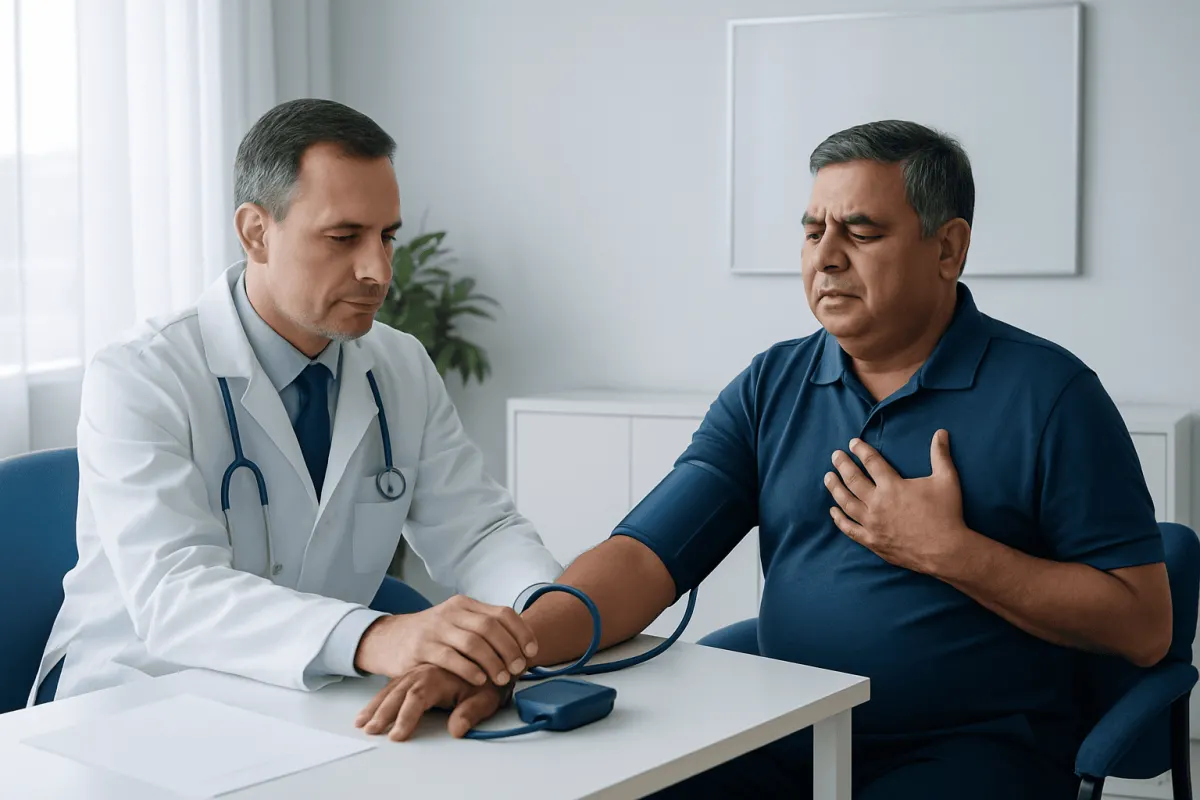
The most common symptom of a heart attack is pressure, squeezing, heaviness, tightness, or pain in the center or left side of the chest. It may last more than a few minutes, come and go, or feel similar to indigestion. Discomfort can spread to one or both arms, the shoulder, back, neck, jaw, or upper abdomen.
Other possible symptoms include shortness of breath, cold sweating, nausea or vomiting, light-headedness, unusual tiredness, and a feeling of impending illness. Symptoms vary from person to person. Women, older adults, and people with diabetes may be more likely to have less typical symptoms, such as unexplained fatigue, breathlessness, nausea, back discomfort, or jaw pain without prominent chest pain.
Symptoms should be taken seriously even when the blood pressure monitor shows a normal or high result. Conversely, not every episode of chest discomfort is a heart attack; reflux, muscle strain, panic, lung conditions, and other problems can cause similar sensations. It is safest to let urgent medical professionals make that distinction.
- New chest pressure or pain lasting several minutes is an emergency warning sign.
- Sudden fainting, severe breathlessness, or confusion with low blood pressure needs urgent help.
- New symptoms during exertion, or symptoms that improve with rest but return, also need prompt medical review.
How a Heart Attack Is Diagnosed
Emergency clinicians begin by checking symptoms, medical history, vital signs, oxygen level, and a physical examination. An ECG is usually performed quickly because it can identify certain patterns of acute coronary artery blockage. However, an initial ECG may be normal or inconclusive, so it may be repeated if symptoms continue or suspicion remains high.
Blood tests measure troponin, a protein released when heart muscle cells are injured. Troponin levels are interpreted together with symptoms, ECG findings, and changes over time. Other tests may help evaluate the heart’s rhythm, blood pressure changes, kidney function, blood count, and possible alternative causes of symptoms.
An echocardiogram may show how well the heart pumps and whether an area is moving abnormally. If an acute coronary blockage is suspected, coronary angiography can identify narrowed or blocked arteries and may allow treatment during the same procedure. Learn more about heart attack and coronary artery disease for a broader explanation of causes, diagnosis, and recovery.
Home blood pressure monitors are useful for long-term blood pressure tracking when used correctly, but they are not designed to diagnose emergencies. An irregular heartbeat, movement, incorrect cuff size, or poor positioning can also make a reading less reliable.
Emergency Treatment and Blood Pressure Support
Heart attack treatment aims to restore blood flow to the affected heart muscle, prevent further clotting, control symptoms, and support heart function. The exact plan depends on the type of heart attack, ECG and laboratory results, timing of symptoms, medical history, and the person’s stability.
For many patients with a blocked coronary artery, urgent coronary angiography and coronary angioplasty and stent treatment may be used to open the artery. Medicines may also be used to reduce clotting, relieve chest discomfort, manage abnormal rhythms, and protect the heart. Medical teams choose treatments carefully because some medicines that lower blood pressure may not be appropriate when blood pressure is already low.
If low blood pressure is present, the team will look for its cause. Care may include close monitoring, intravenous fluids in selected situations, medicines to support circulation, treatment of an abnormal rhythm, and urgent restoration of coronary blood flow when needed. The right approach is individualized and requires hospital-based assessment.
After the immediate event, treatment usually includes a prevention plan to reduce the chance of another heart attack. This can involve medication, cardiac rehabilitation, attention to blood pressure and cholesterol, diabetes management where relevant, smoking cessation, physical activity guidance, and heart-healthy eating.
When to Seek Medical Care
Call local emergency services immediately if a person has possible heart attack symptoms, particularly chest pressure or pain with breathlessness, sweating, nausea, faintness, or pain spreading to the arm, jaw, back, or upper abdomen. This is important whether blood pressure is high, low, or apparently normal. Emergency transport allows monitoring and treatment to begin sooner than travelling by private car.
While waiting for help, the person should stop activity, sit or lie in a comfortable position, and stay with another person if possible. They should not drive themselves. Emergency dispatchers can provide instructions based on local protocols; any medicine, including aspirin, should only be taken if advised by an emergency professional or previously directed by the person’s clinician.
People without urgent symptoms should arrange a medical review for repeatedly high readings, newly low readings, dizziness on standing, palpitations, or a significant change from their usual blood pressure. Routine assessment is especially important for those with diabetes, kidney disease, high cholesterol, smoking history, or a family history of early heart disease.
Reducing Future Heart Attack Risk
Controlling blood pressure is one meaningful part of preventing heart attack and stroke. A healthcare professional can confirm whether blood pressure is consistently elevated, review contributing factors, and recommend lifestyle changes or medicines when appropriate. Medicines should not be stopped or adjusted without medical advice, even if home readings vary.
Helpful long-term measures include avoiding tobacco, following a balanced eating pattern rich in vegetables, fruit, whole grains, legumes, and minimally processed foods, limiting excess salt and alcohol, being physically active within an individual’s abilities, sleeping adequately, and managing stress. For people with diabetes or high cholesterol, following the agreed treatment plan is also important.
After a heart attack, cardiac rehabilitation offers supervised education and activity planning that can support recovery and confidence. Acıbadem Health Point’s multidisciplinary specialists and JCI-accredited hospitals diagnose and treat cardiovascular conditions for international patients, with care plans tailored to individual clinical needs.
Regular follow-up helps clinicians monitor blood pressure, symptoms, medication effects, cholesterol, and other risk factors. Prevention is most effective when it is sustained over time and combined with attention to new symptoms that need urgent evaluation.
Frequently asked questions
01Can blood pressure be normal during a heart attack?
Yes. A person can have a heart attack with normal blood pressure, especially if the event is early, smaller, or their usual blood pressure is lower. A normal reading should never be used to dismiss chest discomfort, shortness of breath, sweating, or other possible heart attack symptoms.
02Does high blood pressure mean someone is having a heart attack?
No. High blood pressure can result from pain, anxiety, physical exertion, or long-standing hypertension, and it does not by itself diagnose a heart attack. However, concerning symptoms alongside a high reading still require urgent assessment.
03Why does blood pressure drop during a heart attack?
Blood pressure may fall when the heart cannot pump blood effectively because of heart muscle damage, an abnormal rhythm, or complications affecting circulation. Low blood pressure with chest symptoms, fainting, confusion, clammy skin, or severe weakness is an emergency.
04What blood pressure number is dangerous during a heart attack?
There is no single blood pressure number that can safely determine whether a person is having a heart attack. Symptoms, changes from the person’s usual blood pressure, heart rhythm, and signs of poor circulation are all important, so emergency clinicians assess the whole situation.
05Should a person take their blood pressure repeatedly if they have chest pain?
They may take a reading if it does not delay calling for help, but repeated measurements should not postpone emergency care. A home monitor cannot rule out a heart attack, and symptoms should guide the decision to seek urgent help.
06Can blood pressure medicines cause a heart attack?
Blood pressure medicines are commonly used to lower cardiovascular risk when prescribed appropriately. Some may contribute to dizziness or low blood pressure in certain circumstances, so new symptoms or concerns should be discussed with a clinician rather than stopping medication suddenly.
This article is for general information only and is not a substitute for professional medical advice. Please consult a qualified doctor about your individual situation.
Heart care in Turkey — expert evaluation and treatment
JCI-accredited · board-certified surgeons · reply within 24h
Add us as a Preferred Source to see more of our trusted health content across Google Search, AI Overviews and Discover.