What Is the Best Treatment for Under-Eye Puffiness?
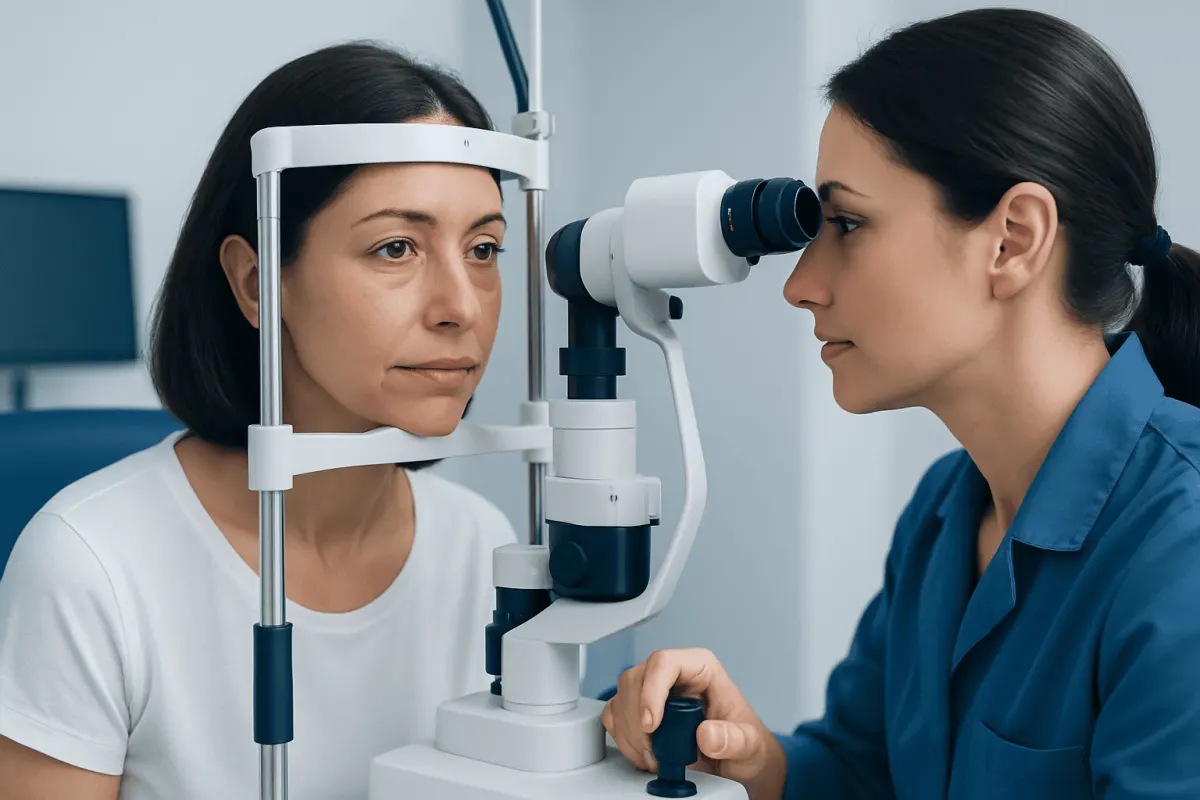
The best treatment for under eye puffiness depends on whether swelling is temporary fluid retention, allergies, skin aging, fat protrusion, dark circles, or another medical concern. Simple measures can help short-term puffiness, while persistent under-eye bags may benefit from assessment by a dermatologist, ophthalmologist, or plastic surgeon.
Overview: What Is the Best Treatment for Under Eye Puffiness?
What is the best treatment for under eye puffiness? The most effective approach is to identify the cause first. Temporary swelling often improves with a cool compress, regular sleep, head elevation and management of allergies or irritation, while long-lasting under-eye bags caused by tissue changes may require professional treatment.
The under-eye area has thin skin and loose tissue that can readily hold fluid. Puffy eyes may be most noticeable after waking, following a salty meal, alcohol use, crying, poor sleep, seasonal allergies, or prolonged screen use. With age, the structures supporting the lower eyelids may also weaken, allowing fat beneath the eye to become more visible.
Under-eye puffiness is usually a cosmetic concern rather than a sign of illness. However, it is important to distinguish mild, symmetrical puffiness from sudden, painful, red, one-sided, or vision-related symptoms, which need medical evaluation.
Why Under-Eye Bags Develop
Under-eye bags and puffiness can have more than one cause at the same time. Fluid retention tends to fluctuate from day to day and is often worse in the morning. Aging-related bags are usually more persistent because the skin loses elasticity and the natural fat around the eye can shift forward.
Genetics also plays a role. Some people naturally have more prominent lower-eyelid fat pads, thinner skin, hollowing beneath the eyes, or pigmentation that creates a shadowed appearance. This is why the best treatment for under eye bags and dark circles is not always the same as treatment for swelling alone.
Common contributing factors include:
- Insufficient or disrupted sleep
- High-salt meals, dehydration or alcohol intake
- Seasonal allergies, rubbing the eyes or contact irritation
- Smoking and chronic sun exposure, which affect skin quality
- Normal facial aging and inherited facial anatomy
- Some health conditions or medicines that cause fluid retention
True dark circles may result from pigmentation, visible blood vessels, thin skin, facial shadows, or a hollow tear-trough area. A clinical examination helps clarify whether the main concern is fluid, fat, skin laxity, volume loss, color change, or a combination.
What Is the Fastest Way to Get Rid of Puffy Eyes?

For short-term swelling, a cool compress is usually the fastest and safest first step. A clean cloth dampened with cool water can be placed gently over closed eyes for several minutes. Chilled gel masks may also be used according to their instructions, but very cold items should not be placed directly on the delicate skin.
Keeping the head slightly elevated during sleep can reduce fluid collecting around the eyes overnight. On waking, gentle movement, hydration and avoiding eye rubbing may help. Limiting salty foods and alcohol the evening before can be useful when these are known triggers.
If allergies are contributing, reducing exposure to the suspected trigger and discussing appropriate allergy treatment with a pharmacist or clinician may help. People should avoid putting hemorrhoid creams, harsh essential oils, or unapproved products near the eyes, as these can cause irritation or injury.
Fast measures reduce temporary fluid swelling; they do not permanently remove structural bags, loose skin, or hollowness. If the puffiness persists despite self-care, a qualified specialist can advise on the most suitable option.
What Is the Main Enemy of Under Eye Bags?
The main enemy of under-eye bags is the factor causing them. For fluid-related puffiness, the key targets are fluid retention, poor sleep, allergies, and eye rubbing. For age-related bags, the underlying issue is often a gradual loss of support in the eyelid and cheek area, together with forward prominence of orbital fat.
Sun protection is especially important for preserving skin quality around the eyes. Broad-spectrum sunscreen used carefully around, but not in, the eyes, along with sunglasses and other sun-protective habits, can help limit further photoaging. Avoiding smoking also supports collagen and skin health.
A consistent routine is more useful than a single remedy. Adequate sleep, regular hydration, balanced meals, allergy control and gentle skin care can reduce day-to-day variability. These measures may make bags less noticeable, even when they cannot fully change inherited anatomy or established age-related changes.
Because rubbing can worsen irritation, swelling and pigmentation, people with itchy eyes should seek advice about the trigger rather than repeatedly rubbing or scratching the area.
What Do Dermatologists Recommend for Bags Under the Eyes?
Dermatologists first assess the pattern of the concern: whether it is swelling, prominent fat pads, lax skin, dark circles, hollowness, fine lines, or several features together. This assessment matters because a treatment that helps one problem may not correct another and, in some cases, may make the area look more uneven.
For mild texture changes and fine lines, a dermatologist may recommend gentle skin-care ingredients appropriate for the eye area, such as moisturizers, antioxidants or carefully selected retinoid-based products. Retinoids can irritate sensitive skin and should never be used too close to the eyelid margin unless specifically advised by a clinician. Daily sun protection is usually part of the plan.
In selected patients, clinician-led procedures may address concerns such as pigmentation, fine lines, laxity or volume loss. These can include chemical peels designed for the eye area, laser or energy-based skin treatments, and carefully placed injectable treatments. Injectable procedures around the eyes require particular expertise because the area is delicate and not every person is a suitable candidate.
When the main issue is persistent protruding fat or significant loose lower-eyelid skin, surgical assessment may be more appropriate than creams or fillers. Blepharoplasty (eyelid surgery) can reposition or remove excess fat and skin in selected individuals. The best treatment for under eye bags dermatologist recommendations will therefore depend on anatomy, skin quality, health history and the person’s goals.
Choosing Treatment for Bags, Wrinkles and Dark Circles
The best treatment for under eye bags and wrinkles often combines prevention with a targeted professional plan. Skin-care measures and sun protection may improve fine lines and skin texture, while procedures may be considered when wrinkles or laxity are more established. Expectations should be realistic: no single cream or procedure is ideal for every concern around the eyes.
The best treatment for under eye bags and dark circles depends on what creates the dark appearance. Pigment-related dark circles may be approached differently from vascular discoloration, thin skin, shadowing from hollowness, or bags that cast a shadow. A clinician may also consider whether conditions such as allergies, eczema, anemia symptoms, or sleep disruption are playing a role.
People considering cosmetic procedures should discuss possible benefits, limitations, recovery, and risks with an appropriately trained clinician. Eye-area procedures should be performed by professionals experienced in facial and periocular anatomy. Overcorrection or unsuitable treatment can lead to prolonged swelling, unevenness, irritation, or an unnatural appearance.
Acıbadem Health Point’s multidisciplinary specialists and JCI-accredited hospitals assess and treat eyelid and under-eye concerns for international patients, with treatment plans based on an individual’s clinical findings and goals.
Daily Self-Care and Prevention
For many people, daily habits are the best way to treat under eye puffiness that comes and goes. A regular sleep schedule, enough time for rest, and sleeping with the head slightly raised may reduce morning swelling. Avoiding tobacco and moderating alcohol intake can also support overall skin and vascular health.
A gentle routine protects the eye area. Remove makeup without vigorous rubbing, use fragrance-free products if skin is sensitive, and stop any product that causes burning, redness, scaling or persistent watering of the eyes. Contact lens wearers should follow their eye-care professional’s instructions and avoid using cosmetic products that irritate the eyes.
People who notice puffiness after particular foods or late meals may benefit from moderating salt intake and choosing a balanced diet. Drinking water consistently is preferable to attempting rapid changes in fluid intake. Although hydration supports general health, it does not remove structural under-eye bags.
Before trying supplements, strong acids, unregulated devices or social-media remedies near the eyes, it is sensible to speak with a clinician. The eyelid skin is thin, and products that are safe elsewhere on the face may be unsuitable around the eyes.
When to Seek Medical Care
Medical assessment is advisable when under-eye puffiness is persistent, bothersome, or changing over time, especially if self-care and allergy management do not help. A dermatologist, ophthalmologist, primary-care clinician, or appropriately qualified facial plastic surgeon can determine whether the concern is mainly cosmetic or whether another condition should be considered.
Prompt medical care is important for swelling that is sudden, severe, painful, red or warm, affects only one eye, follows an injury, or occurs with fever. Urgent assessment is also needed if there are vision changes, pain with eye movement, a bulging eye, severe headache, or difficulty opening the eye.
Generalized swelling of the face, hands, ankles or legs, shortness of breath, or other new symptoms should be discussed with a healthcare professional. These symptoms may be unrelated to the eyelids and should not be managed with cosmetic treatments alone.
Frequently asked questions
01What is the best remedy for under eye puffiness at home?
For temporary puffiness, a cool compress, regular sleep, sleeping with the head slightly elevated, and avoiding eye rubbing are reasonable first measures. Reducing salty foods and alcohol when they trigger swelling may also help. Home care is less likely to change persistent bags caused by fat prominence or loose skin.
02What is the best treatment for under eye bags?
The best treatment depends on the cause. Lifestyle changes and allergy treatment may help fluid-related swelling, while skin-care or office procedures may help fine lines, pigmentation or volume changes. Persistent structural bags may require assessment for eyelid surgery or another specialist-led approach.
03Can eye creams remove under-eye bags permanently?
Eye creams can moisturize the skin and may modestly improve the appearance of fine lines or dryness. They do not permanently remove prominent fat pads, substantial loose skin, or inherited facial anatomy. A dermatologist can help identify whether a cream is likely to be useful for a particular concern.
04How can dark circles and under-eye bags be treated together?
Both concerns should be assessed because dark circles can result from pigment, shadows, thin skin, visible vessels, hollowness, or bags. Addressing puffiness may lessen shadows, but it may not resolve pigmentation or vascular discoloration. A tailored plan may include skin protection, treatment of allergies, appropriate skin care, or selected professional procedures.
05Are fillers a good treatment for under-eye bags?
Fillers may help selected people whose dark circles or bags are made more noticeable by hollowness beneath the eyes. They are not appropriate for all forms of puffiness and can worsen the appearance in some individuals. Treatment near the eyes should be evaluated and performed only by an experienced qualified clinician.
06When should puffy eyes be a medical concern?
Seek prompt medical attention for sudden one-sided swelling, pain, redness, fever, injury, vision changes, or pain when moving the eye. Persistent swelling with other body swelling or breathing symptoms also needs medical assessment. Mild symmetrical morning puffiness without these symptoms is commonly less urgent, but can still be discussed at a routine appointment if it continues.
This article is for general information only and is not a substitute for professional medical advice. Please consult a qualified doctor about your individual situation.
Explore treatments in Turkey — costs, top hospitals & a free quote
JCI-accredited · board-certified surgeons · reply within 24h
Add us as a Preferred Source to see more of our trusted health content across Google Search, AI Overviews and Discover.