What Is the Average Cost of a Veneer Repair?
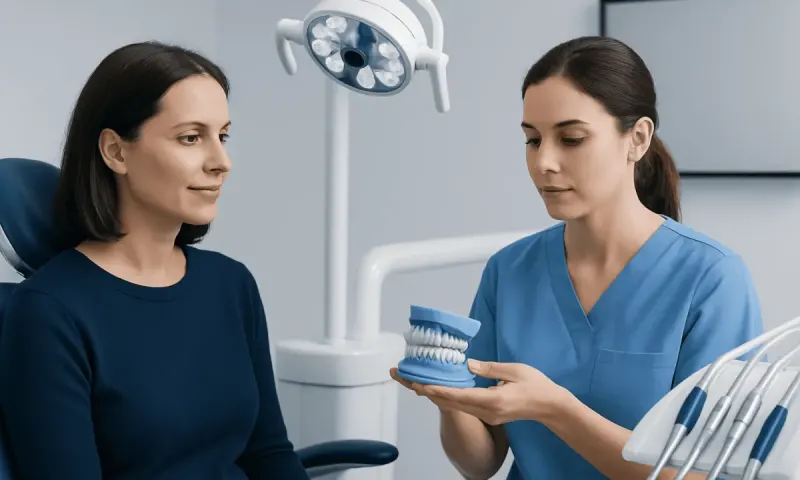
The average cost of a veneer repair cannot be stated reliably without an examination, because a small surface chip, a loose veneer and a veneer that needs replacement involve different care. A dentist assesses the veneer, the supporting tooth and the bite before recommending conservative repair or a new restoration.
Overview: What Patients Really Pay for Veneer Repair
The phrase “average cost of a veneer repair contribute to our blog” reflects a common question: what will it take to fix a damaged veneer? The answer is that there is no single meaningful figure without a dental examination. The final plan depends on whether the veneer can be smoothed, repaired with tooth-coloured composite, rebonded, or replaced completely.
A veneer is a thin, custom-made covering bonded to the front surface of a tooth, usually to improve its colour, shape, size or alignment. Porcelain veneers are durable and stain resistant, while composite resin veneers can often be adjusted or repaired more directly. Neither type is permanent, and both depend on the health of the tooth, gums and bite underneath.
When discussing fees, patients should ask for an itemised treatment plan rather than relying on online averages. Relevant factors can include consultation and imaging, any necessary treatment for decay or gum inflammation, temporary restorations, laboratory work, material choice, the clinician’s expertise and follow-up visits. Dental veneer treatment planning should focus first on safety, function and a natural-looking result.
How Veneer Repair Works
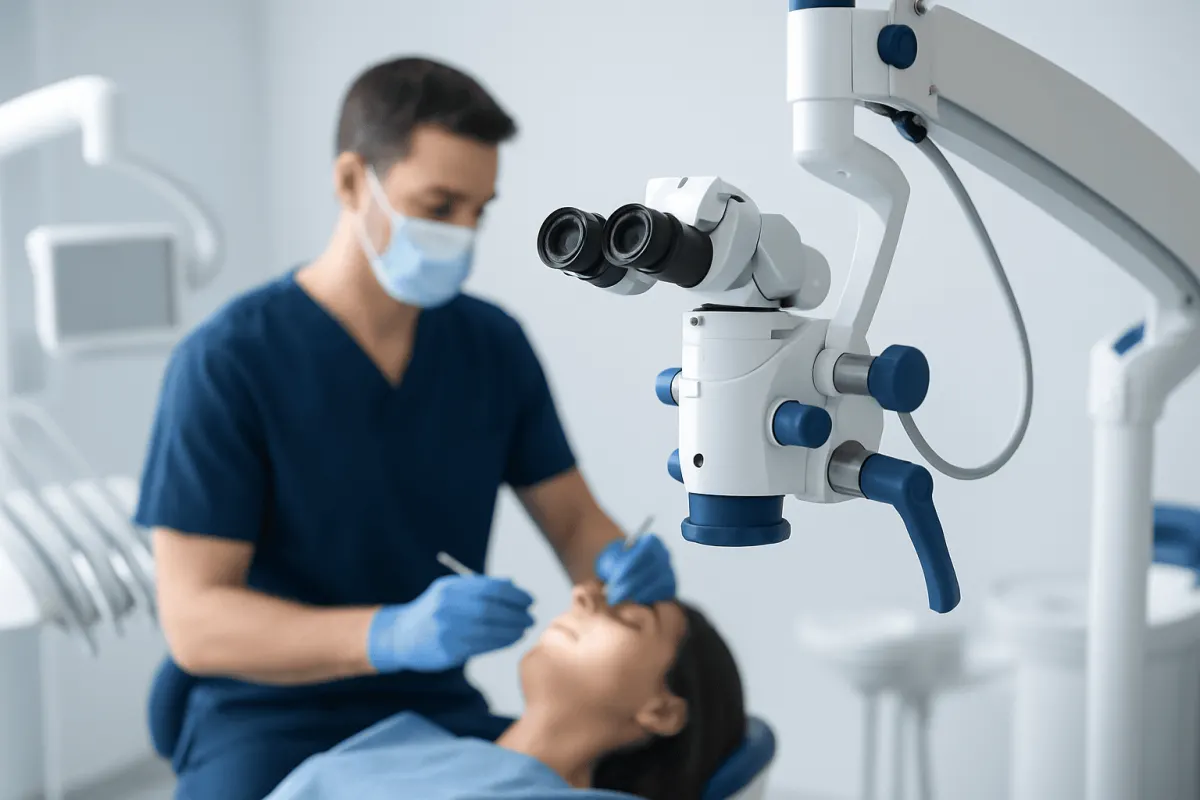
Repair begins with identifying what has changed. A dentist examines the veneer margins, checks for chips or cracks, assesses the bond to the tooth and evaluates how the upper and lower teeth meet. Photographs, dental X-rays or digital scans may be used when there is concern about decay, damage to the tooth beneath the veneer or a problem around the root.
Minor roughness or a very small chip may sometimes be polished. In selected cases, composite resin can be bonded to a chipped area and shaped to blend with the veneer. A veneer that has come off intact may occasionally be cleaned and rebonded, provided that it fits accurately and both the veneer and underlying tooth are healthy.
Replacement is often more suitable when porcelain is extensively fractured, the veneer no longer fits, recurrent decay is present, the tooth has changed colour, or the restoration cannot be predictably repaired. The dentist may also recommend addressing grinding, clenching or bite imbalance, as these factors can contribute to repeated veneer damage.
Who May Be a Candidate for Repair or Replacement?

People may be candidates for veneer repair when the damage is limited and the remaining restoration is stable. Suitable candidates generally have healthy gums, adequate tooth structure and a bite that will not place excessive pressure on the repaired area. The decision is individual: a repair that looks acceptable and functions well for one person may not be appropriate for another.
Before placing or replacing a veneer, dental disease should be treated first. Active tooth decay, gum disease, significant enamel loss, untreated infection and uncontrolled grinding can affect the long-term result. A dentist may recommend cleaning, periodontal care, a filling, root canal treatment or bite protection before cosmetic work is considered.
Veneers may not be the best solution for every concern. Depending on the tooth and the person’s goals, alternatives can include whitening, orthodontic treatment, bonding, crowns or no treatment. A clinician can explain the benefits and limitations of each option, including the amount of tooth preparation that may be needed.
- Repair may be possible for minor chips, surface defects or selected bonding problems.
- Replacement may be advised for major cracks, poor fit, decay or repeated debonding.
- A night guard may help protect teeth and restorations in people who clench or grind.
Step by Step: Veneer Repair and Replacement
For a straightforward repair, the dentist first cleans and isolates the tooth to keep the area dry. The damaged surface may be gently roughened and treated with bonding materials. Composite resin can then be added in layers, shaped, hardened with a dental light and polished. The dentist checks the bite carefully so that the repair is not exposed to unnecessary force.
If an intact veneer has detached, the tooth and veneer are assessed for damage or contamination. When rebonding is appropriate, the surfaces are prepared and the veneer is bonded in place. It is important not to use household adhesives, as these can damage the restoration or tooth and may make professional care more difficult.
Replacement commonly involves removing the old veneer, preparing the tooth if necessary, and taking a digital or conventional impression for the new restoration. A temporary veneer may be used while a dental laboratory creates the final veneer. At a later visit, the dentist checks its fit, colour and bite before bonding it permanently.
Acıbadem Health Point’s multidisciplinary dental specialists at JCI-accredited hospitals can assess veneer concerns and discuss appropriate restorative options for international patients.
Recovery, Benefits and Possible Risks
Recovery after a minor veneer repair is usually brief. The tooth may feel slightly different at first, but most people can return to usual daily activities immediately. If local anaesthetic was used, it is sensible to avoid chewing until numbness has worn off to reduce the risk of biting the cheek, lip or tongue.
After veneer replacement, temporary sensitivity to hot or cold foods can occur, particularly if tooth preparation was required. Patients should follow the dentist’s instructions about eating while wearing a temporary veneer and should attend the final fitting appointment. Contact the dental team if a temporary veneer loosens, breaks or causes persistent discomfort.
Potential benefits include restoring a smoother tooth appearance, reducing sharp edges and improving confidence when smiling. However, dental procedures also have limitations and risks. These can include sensitivity, colour mismatch, fracture, debonding, gum irritation, future need for repair or replacement, and damage from hard biting forces. A veneer does not prevent tooth decay, so daily oral hygiene remains essential.
Looking After Veneers and Planning for Their Future
Veneers can remain functional for many years with appropriate care, but they eventually may need maintenance or replacement. The exact timing varies with material, oral hygiene, diet, bite forces, injuries and changes in the gums or supporting tooth. Routine dental visits allow small concerns to be identified before they become more complex.
Patients can help protect veneers by brushing twice daily with a non-abrasive toothpaste, cleaning between teeth as advised, and attending regular professional checks. It is also wise to avoid using teeth to open packaging, bite pens or chew ice. A dentist may recommend a custom night guard for people with bruxism, the habit of grinding or clenching teeth.
Changes after many years are not necessarily a sign that something has gone wrong. Gums can naturally recede, neighbouring teeth can change colour, and the bonding around a veneer can age. A review appointment helps determine whether monitoring, polishing, repair or replacement is the most appropriate next step.
What Is the 4 8 10 Rule for Veneers?
The “4 8 10 rule” is not a recognised clinical standard used to diagnose, design or maintain veneers. Online descriptions may use these numbers in different ways, sometimes referring to the number of front teeth treated or to cosmetic smile-design ideas. It should not be treated as a universal rule for deciding how many veneers a person needs.
The number of teeth considered for veneers depends on the individual smile, tooth colour, tooth shape, visible tooth display, bite and cosmetic goals. Some people need treatment on one tooth after trauma or discoloration, while others may consider several teeth for colour matching or symmetry. A dentist should assess the full smile rather than applying a fixed formula.
Patients should be cautious of plans that recommend irreversible cosmetic treatment without an examination and discussion of alternatives. A good consultation includes the likely maintenance needs, possible future replacement and how the proposed result fits with overall dental health.
What Happens After 20 Years With Veneers?
After 20 years, veneers may still be present and functional for some people, but many will have required maintenance, repair or replacement by then. Their condition depends on the original restoration, daily care, gum health, tooth decay risk, accidents and the forces placed on the teeth. There is no fixed point at which every veneer must be changed.
At a long-term review, a dentist checks for chips, cracks, staining at the edges, gaps, gum recession, leakage around the bond and decay beneath or beside the veneer. The supporting tooth and root are evaluated as well. If the veneer remains stable and healthy, it may simply be monitored.
If replacement is needed, the dentist will assess how much healthy tooth structure remains and whether another veneer is suitable. In some circumstances, another form of restoration may be safer or more effective. Regular check-ups make it easier to plan care before a veneer fails unexpectedly.
How Much Do Celebs Pay for Veneers?
There is no reliable, standard answer for how much celebrities pay for veneers. Public claims about celebrity dental work are often unverified, and treatment plans may include additional procedures such as whitening, orthodontics, gum contouring, crowns or implants. Celebrity choices should not be used as a guide to the treatment a particular person needs.
Cosmetic dentistry should be planned around oral health, facial and smile characteristics, realistic expectations and the ability to maintain the restoration. An attractive result does not require copying a public figure’s smile. The dentist can discuss shade, shape and proportion in a way that suits the individual’s natural teeth and preferences.
Patients considering extensive cosmetic changes may find it helpful to ask for a clear explanation of reversible and irreversible options. Reviewing mock-ups, photographs or digital planning tools can support informed decisions before any tooth preparation begins.
How Are People Affording Veneers?
People afford veneers in different ways, depending on their location, insurance arrangements, personal savings and the type of dental work required. Because veneers are commonly considered cosmetic, they may not be covered by standard dental insurance, although coverage can differ when a restoration is needed after injury or for another clinically necessary reason. Patients should confirm benefits directly with their insurer.
A useful first step is to request a written, phased treatment plan. This can clarify what is essential for dental health now, what is elective, and whether care can be safely staged. It also helps patients compare like-for-like recommendations, including the material, number of teeth, temporary restorations, laboratory fees and follow-up care.
Financing options may be available through some dental providers or third parties, but patients should review terms, interest, repayment obligations and what happens if treatment needs change. Choosing treatment based only on the lowest advertised price can overlook important factors such as diagnosis, materials, infection control, follow-up and management of complications.
When to Seek Medical Care
Contact a dentist promptly if a veneer becomes loose, falls off, cracks, causes a sharp edge, or is associated with persistent sensitivity or pain. Keep a detached veneer in a clean container and take it to the appointment if possible. Avoid chewing on the affected tooth and do not attempt to reattach the veneer with glue.
Urgent dental assessment is particularly important for severe toothache, facial swelling, fever, pus, a tooth that feels loose, bleeding that does not stop, or injury to the mouth or jaw. These symptoms may indicate a problem beyond the veneer itself, such as infection or trauma, and should not be managed with cosmetic repair alone.
For a chipped veneer without pain, arrange a routine dental review soon. Until then, choose softer foods, avoid biting directly into hard foods with the affected tooth and maintain gentle oral hygiene. A qualified dentist can determine whether the issue is cosmetic, functional or related to an underlying dental condition.
Frequently asked questions
01Can a chipped porcelain veneer be repaired?
A small chip may sometimes be smoothed or repaired with tooth-coloured composite resin. Whether this is appropriate depends on the size and location of the chip, the veneer material, the bite and the condition of the veneer bond. Larger fractures often require replacement for a reliable result.
02Can a veneer that has fallen off be glued back on?
An intact veneer can sometimes be professionally rebonded after the dentist checks its fit and the health of the tooth. It should not be reattached with household glue or an over-the-counter adhesive. Keep it safe, avoid chewing on that tooth and arrange a dental appointment.
03Do veneers hurt to repair or replace?
Minor repairs may cause little or no discomfort. Local anaesthetic can be used if the tooth needs preparation or if a person is sensitive. Some temporary sensitivity after replacement is possible and should be discussed with the dentist if it persists or worsens.
04Can veneers get cavities?
The porcelain or composite veneer itself does not decay, but the natural tooth around or beneath its edges can develop cavities. Good brushing, cleaning between teeth, a balanced diet and regular dental visits remain important. Gum disease can also affect the appearance and stability of veneers.
05How can a person prevent veneer damage?
Avoid biting hard objects, chewing ice and using teeth as tools. People who grind or clench may benefit from a dentist-made night guard. Regular dental check-ups also help identify bite changes, early chips and problems at veneer margins.
06Is replacing a veneer always better than repairing it?
Not always. A conservative repair can be appropriate when the damage is small and the veneer remains stable, functional and aesthetically acceptable. Replacement may be better when there is significant cracking, poor fit, decay, repeated detachment or a concern about the tooth underneath.
This article is for general information only and is not a substitute for professional medical advice. Please consult a qualified doctor about your individual situation.
Explore treatments in Turkey — costs, top hospitals & a free quote
JCI-accredited · board-certified surgeons · reply within 24h
Add us as a Preferred Source to see more of our trusted health content across Google Search, AI Overviews and Discover.