What Is Tevar Medical Abbreviation? A Complete Medical Guide

Key Takeaways
- TEVAR stands for thoracic endovascular aortic repair.
- It is used to treat selected conditions of the thoracic aorta, often aneurysms or dissections.
- The procedure is performed through blood vessels, not through a large open chest incision.
- Imaging tests are essential for diagnosis, planning, and follow-up.
- Recovery includes activity guidance, blood pressure control, and regular monitoring.
- Urgent medical attention is needed for sudden chest, back, or fainting symptoms.
TEVAR is the medical abbreviation for thoracic endovascular aortic repair, a minimally invasive procedure used to treat certain problems in the chest portion of the aorta. This guide explains what the term means, why it may be recommended, and what patients can expect before and after treatment.
Overview
The TEVAR medical abbreviation stands for thoracic endovascular aortic repair. In practical terms, it describes a minimally invasive way to treat certain diseases of the thoracic aorta, which is the part of the body’s main artery that runs through the chest.
Instead of opening the chest to reach the aorta directly, doctors guide a stent-graft through a blood vessel, usually from the groin. Once placed, the device supports the weakened section of the artery from the inside and helps blood flow in a safer path. TEVAR is used for specific aortic conditions, not for every aortic problem, so careful evaluation is always part of the process.
For many patients, the first encounter with the term TEVAR happens during a scan report, emergency consultation, or a specialist referral. Because the abbreviation can feel technical, it helps to translate it into plain language: a repair procedure for the chest aorta that is done from inside the blood vessels.
When TEVAR Is Considered
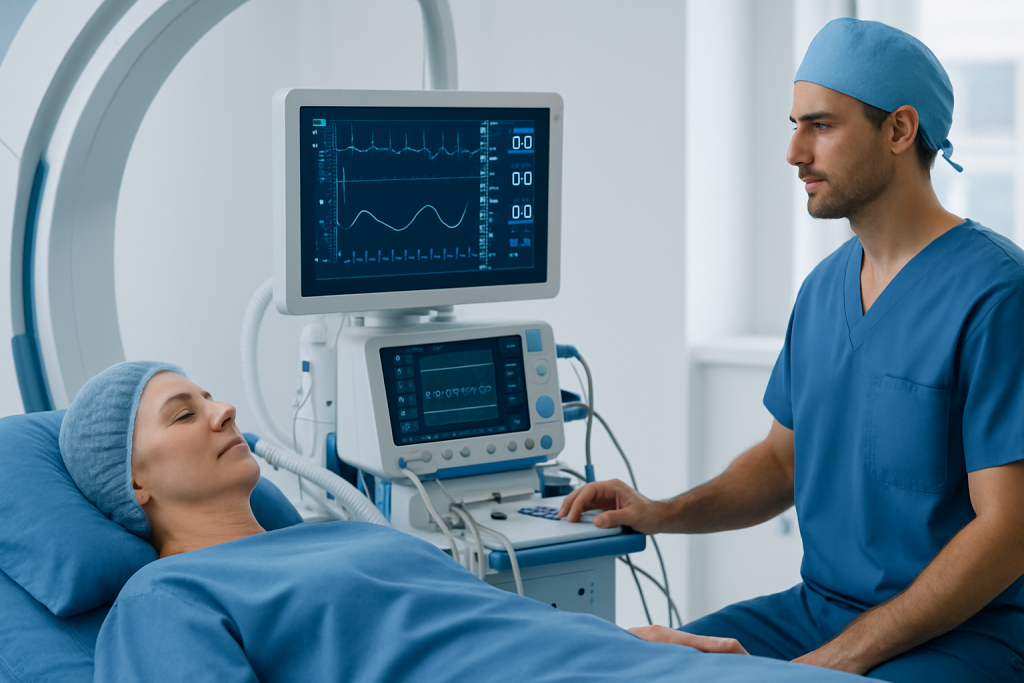
TEVAR is most often discussed when the thoracic aorta has become weakened, enlarged, torn, or otherwise unstable. Common reasons include thoracic aortic aneurysm, certain types of aortic dissection, and some traumatic injuries to the aorta. The decision depends on the location of the problem, its size, symptoms, and the patient’s overall health.
Doctors may prefer TEVAR when it offers a lower surgical burden than open repair. That said, it is not automatically the right answer for everyone. Some aortic conditions are better treated with open surgery, while others require urgent treatment because the vessel is at risk of rupture or poor blood flow.
Specialists usually review images of the aorta in detail before recommending TEVAR. They consider whether the artery has enough suitable “landing zones” for the graft, whether nearby branches would be affected, and whether the anatomy can safely support the device.
Symptoms and Warning Signs

Some aortic problems that lead to TEVAR are found on imaging before they cause symptoms. Others announce themselves suddenly. A person may feel chest pain, back pain, shortness of breath, dizziness, or fainting, depending on the type of aortic condition involved.
Symptoms can be vague or severe, and they should never be ignored when they appear unexpectedly. A tearing or sharp pain in the chest or back, pain that moves to the shoulder blades, or pain paired with weakness or collapse can be especially concerning.
Because aortic emergencies can progress quickly, any sudden severe chest or back pain deserves urgent medical evaluation. TEVAR is one possible treatment, but the immediate priority is always getting a prompt diagnosis and stabilizing the patient.
Causes and Risk Factors
TEVAR is not a disease itself; it is a repair method used when the thoracic aorta is affected by another condition. The underlying causes vary, but they often involve damage to the artery wall over time or a sudden injury to the vessel.
Risk factors for aortic disease may include high blood pressure, smoking, advanced age, a history of aortic aneurysm, connective tissue disorders, and certain inherited conditions. Prior heart or blood vessel procedures may also influence the treatment plan.
Trauma can be another cause, especially in accidents that place force on the chest. In all cases, the treatment strategy is based on the specific aortic finding, not just on a single label. That is why accurate imaging and expert review are so important.
Diagnosis and Planning
Before TEVAR is recommended, doctors usually confirm the diagnosis with imaging such as computed tomography angiography, magnetic resonance imaging, or other vascular studies. These tests show the shape of the aorta, the length of the affected segment, and the relationship between the aorta and nearby branches.
Planning is a major part of TEVAR. The care team needs to know the exact size of the artery, where the damaged section begins and ends, and whether the stent-graft can be placed securely. Blood tests, heart evaluation, and a review of other medical conditions may also be needed before treatment.
For international patients, this phase may also include reviewing prior scans from another country, coordinating the timing of travel, and deciding whether treatment should happen urgently or after careful preparation. Clear communication matters, because the best plan depends on having the right images and the right clinical history.
Treatment Options and What the Procedure Involves
TEVAR is performed in a hospital by a vascular surgeon, cardiothoracic surgeon, or other specialist experienced in aortic care. The procedure usually starts with access through a blood vessel in the groin, though other entry points may occasionally be used. Using live imaging, the doctor positions the stent-graft inside the thoracic aorta.
Once released, the graft expands and creates a new internal channel for blood flow. This helps reduce pressure on the weakened part of the aorta and can lower the risk of rupture or further injury. In some cases, additional steps are needed to preserve blood flow to branch vessels or to manage more complex anatomy.
TEVAR is only one part of treatment. Blood pressure control, symptom monitoring, and follow-up scans are usually just as important as the procedure itself. Some patients need medication changes, repeat imaging, or future interventions if the aorta changes over time.
- TEVAR is less invasive than open chest surgery for selected patients.
- It is not suitable for every aortic shape or location.
- Follow-up is essential because the repair must be monitored over time.
Recovery, Prevention, and Self-Care
Recovery after TEVAR depends on the reason for treatment, the patient’s general health, and whether the procedure was planned or done urgently. Many people spend time in the hospital for monitoring after the repair so the team can track circulation, blood pressure, and any early complications.
At home, patients are often advised to avoid heavy lifting for a period of time, follow activity limits, and keep blood pressure under control. Prescribed medicines should be taken exactly as directed, and follow-up appointments should not be delayed, even if the patient feels well.
Self-care also includes noticing the body’s signals. New chest pain, back pain, leg weakness, swelling, fever, wound changes, or sudden shortness of breath should be reported promptly. For patients returning to another country after treatment, a written follow-up plan and copies of scan reports are especially helpful.
Long-term prevention focuses on protecting the aorta and the heart as a whole. This usually means managing blood pressure, stopping smoking if relevant, staying active within medical guidance, and keeping routine vascular surveillance appointments. In international care pathways, multidisciplinary teams and JCI-accredited hospitals such as Acibadem Health Point can help diagnose and treat TEVAR-relevant aortic conditions for patients traveling from abroad, while also coordinating follow-up needs.
When to See a Doctor
A doctor should be contacted promptly if a person has known aortic disease and develops new or worsening symptoms, or if a scan report mentions an aneurysm, dissection, or other thoracic aortic abnormality. Early specialist review helps determine whether observation, medication, TEVAR, or another approach is most appropriate.
Emergency care is needed for sudden severe chest pain, severe back pain, fainting, shortness of breath, stroke-like symptoms, or collapse. These symptoms can signal an acute aortic event and should never wait for a routine appointment.
Patients who have already undergone TEVAR should also seek review if they miss follow-up imaging, are unsure about medication instructions, or plan to travel soon after treatment. A coordinated plan is the safest way to protect recovery and keep the repair under surveillance.
Frequently asked questions
01What does TEVAR stand for in medicine?
TEVAR stands for thoracic endovascular aortic repair. It is a minimally invasive procedure used to treat selected problems in the thoracic aorta, the part of the main artery in the chest.
02Is TEVAR the same as open heart surgery?
No. TEVAR is usually done through blood vessels rather than through a large opening in the chest. It is often less invasive, but it is still a serious vascular procedure that requires specialist care and follow-up.
03Why would a doctor recommend TEVAR?
A doctor may recommend TEVAR for certain thoracic aortic aneurysms, dissections, or injuries when the anatomy is suitable. The choice depends on imaging findings, symptoms, urgency, and the patient’s overall health.
04How long is recovery after TEVAR?
Recovery varies from person to person and depends on the reason for treatment and whether the procedure was planned or urgent. Many patients recover faster than after open surgery, but they still need activity limits, medication guidance, and repeat imaging.
05Will TEVAR cure an aortic aneurysm forever?
TEVAR can treat the affected section of the aorta, but it does not remove the need for monitoring. The repaired area and the rest of the aorta still need follow-up because changes can develop over time.
06What should a patient do after receiving a TEVAR recommendation abroad?
They should request a clear copy of the imaging results, the treatment plan, and any medication instructions before traveling. It is also wise to arrange follow-up with a qualified vascular specialist at home or at the treating center.
This article is for general information only and is not a substitute for professional medical advice. Please consult a qualified doctor about your individual situation.
Heart care in Turkey — expert evaluation and treatment
JCI-accredited · board-certified surgeons · reply within 24h
Add us as a Preferred Source to see more of our trusted health content across Google Search, AI Overviews and Discover.