Pain Instep Foot: Causes, Relief and When to Worry

Key Takeaways
- Pain in the instep is often related to strain, footwear, tendon irritation, or a minor injury.
- Rest, supportive shoes, and reducing aggravating activity can help many mild cases.
- Swelling, bruising, numbness, or pain after an injury may need medical evaluation.
- Persistent pain can signal a stress fracture, tendon problem, arthritis, or nerve irritation.
- Early assessment is especially important if walking becomes difficult or symptoms are not improving.
Pain instep foot usually refers to discomfort across the top or middle of the foot, and it can come from overuse, tendon irritation, stress injury, footwear problems, or inflammation. Most cases improve with early self-care, but persistent, severe, or swelling-related pain should be assessed by a clinician.
Overview
Pain instep foot is a broad phrase people use for discomfort felt across the middle or top part of the foot. Because the instep contains bones, joints, tendons, ligaments, and nerves packed into a small space, the source of pain is not always obvious at first glance.
In many people, the problem is mechanical: too much walking, running, standing, or wearing shoes that press on the foot. In others, the pain may reflect inflammation of a tendon, a sprain, a stress fracture, or a medical condition such as arthritis or gout. The first step is usually to notice what makes the pain better or worse, then match that pattern with the most likely cause.
For international patients traveling for care, this can feel especially inconvenient because foot pain affects daily mobility, airport transfers, sightseeing, and recovery plans. A careful evaluation helps separate an issue that can settle with simple measures from one that needs imaging, offloading, or more targeted treatment.
Symptoms
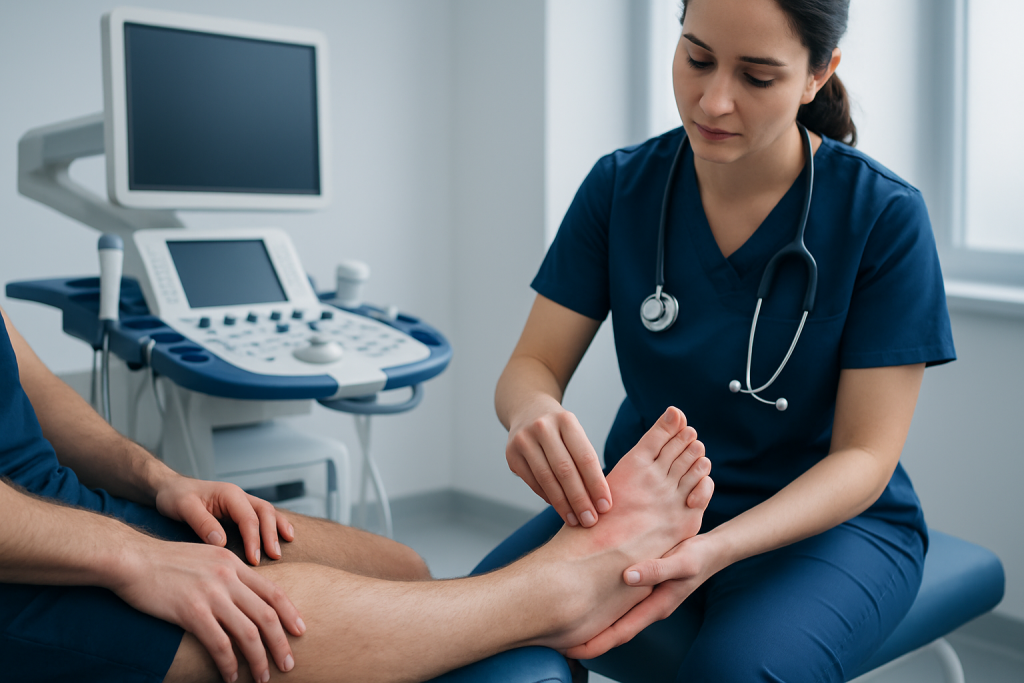
Instep pain does not always feel the same from person to person. Some describe a sharp, pinpoint pain over one area of the foot, while others notice a dull ache that worsens over the course of the day. The pain may appear only when walking, or it may be present even at rest if inflammation is more advanced.
Common accompanying symptoms include swelling, tenderness when pressing on the top of the foot, stiffness after inactivity, or pain when bending the foot upward. If a tendon is irritated, the discomfort may track along the tendon path and increase with repeated movement. A stress injury may cause pain that is subtle at first but becomes more noticeable with weight-bearing.
Symptoms that deserve closer attention include bruising, visible deformity, redness, warmth, numbness, tingling, or inability to bear weight. These findings do not always mean something serious, but they do make a medical evaluation more important.
- Pain with walking, running, or climbing stairs
- Swelling or tenderness on the top or middle of the foot
- Stiffness, especially after rest
- Pain after a twist, fall, or direct impact
- Numbness, tingling, or a burning sensation in some cases
Causes & Risk Factors

One of the most common causes of pain instep foot is overuse. Long hours on the feet, sudden changes in exercise, or walking on uneven surfaces can irritate the small structures in the midfoot. Footwear that is too tight, too flat, or lacking support can add pressure and make the symptoms more noticeable.
Tendon inflammation is another frequent explanation. The tendons on the top of the foot help lift and control movement, and they can become sore when stressed repeatedly. Sprains and minor ligament injuries can also lead to pain in the instep, especially after twisting the foot.
Other possible causes include stress fractures, arthritis, gout, nerve compression, and certain structural foot shapes such as high arches or flat feet. Risk tends to be higher in people who increase activity too quickly, have a history of foot injury, carry extra body weight, or spend long periods standing. Bone health, age, and underlying inflammatory conditions can also play a role.
Sometimes the pain starts far from the foot itself. For example, altered walking patterns after a knee, hip, or back problem may place extra strain on the instep. That is why a full clinical history matters, not just a quick look at the painful spot.
Diagnosis
Diagnosis usually begins with a conversation about when the pain started, what activities make it worse, and whether there was an injury. A clinician will also look at the foot shape, examine the skin and soft tissue, and check how the joints and tendons move. The goal is to narrow the pain to the most likely structure.
In many cases, a physical examination is enough to guide initial treatment. If a stress fracture, significant sprain, tendon injury, or joint problem is suspected, imaging may be recommended. X-rays are often the first step, although early stress fractures may not appear right away. Ultrasound or MRI can be useful when soft tissue injury or a hidden bone problem is being considered.
For people who are traveling for treatment, a clear diagnosis is especially helpful because it supports a practical recovery plan before returning home. It also helps determine whether temporary activity changes are enough or whether a brace, boot, orthotic, or follow-up review is needed.
Treatment Options
Treatment depends on the cause, but the first line is often simple and conservative. Rest from painful activities, short-term reduction in walking or sports, and switching to supportive footwear can ease strain on the instep. Ice and elevation may help if swelling is present, especially after an overuse flare or minor injury.
If a tendon or ligament is involved, a clinician may suggest a brace, taping, shoe inserts, or a walking boot to limit stress while healing occurs. Physical therapy can be useful for improving foot mechanics, calf flexibility, balance, and the way weight is distributed through the foot. These strategies are often important when symptoms keep returning.
Medication may be recommended in some situations to reduce pain or inflammation, but the choice depends on the diagnosis and the person’s overall health. If the problem is a stress fracture, the priority is protecting the bone from further load. If arthritis or gout is causing the pain, treatment will focus on the underlying condition rather than just the symptom.
Persistent cases sometimes need a more detailed plan, especially when foot structure, nerve irritation, or repeated strain is part of the picture. For international patients, a multidisciplinary approach can be helpful because it combines diagnosis, imaging, rehabilitation, and follow-up planning in one coordinated visit.
Prevention & Self-care
Many cases of instep pain improve when the foot is given a break and the daily load is adjusted. Supportive shoes with adequate arch support and a roomy toe box can reduce pressure across the top of the foot. If a particular pair of shoes triggers discomfort, replacing them may help more than people expect.
Gradual increases in activity are also important. A sudden jump in walking distance, hiking, court sports, or gym workouts can overload the midfoot structures. Stretching the calves, warming up before exercise, and alternating activity with rest can help reduce repeated strain.
Self-care is most effective when it matches the suspected cause. For example, swelling after a twist may benefit from short-term rest and elevation, while recurring pain from poor foot mechanics may need orthotics or therapy. The following habits are often useful:
- Choose shoes that support the arch and do not compress the top of the foot
- Reduce high-impact activity during flare-ups
- Use ice briefly after activity if swelling or soreness appears
- Replace worn-out shoes before cushioning and support fail
- Pay attention to pain that steadily returns with the same movement
When to See a Doctor
Medical evaluation is advisable when pain instep foot lasts more than a short period, keeps returning, or makes normal walking difficult. It is also important to seek care if pain follows an injury, especially if there is swelling, bruising, or tenderness over a specific bone. These features can point to a fracture or a more significant soft tissue injury.
Prompt assessment is wise if there is numbness, a burning sensation, redness, warmth, fever, or sudden severe pain. These symptoms can suggest inflammation, infection, gout, or nerve involvement and should not be ignored. A clinician can decide whether imaging or blood tests are needed.
People with diabetes, poor circulation, known bone disease, or a history of repeated stress injuries should have a lower threshold for getting checked. Even when the pain seems mild, earlier assessment can prevent a small problem from becoming a longer one.
Acibadem Health Point provides access to multidisciplinary specialists and JCI-accredited hospitals for international patients who need diagnosis and treatment for foot pain and related conditions, with care planned around travel and follow-up needs.
Living With Recovery
Recovery is often less about “pushing through” and more about respecting what the foot is telling the person. A sensible return to walking or exercise usually works better than complete inactivity followed by a sudden return to full effort. If symptoms improve, activity can be increased gradually while watching for a recurrence.
For people who must keep working, traveling, or caring for family while recovering, small adjustments can make a meaningful difference. Shorter walking routes, more frequent sitting breaks, and selecting shoes before the trip rather than after arrival can reduce strain. If the pain changes location, worsens, or starts to limit daily routines, a follow-up review is appropriate.
The most practical goal is not just pain relief, but restoring stable, comfortable movement. When the cause is clearly identified and the plan is realistic, most people can move forward with far less disruption.
Conclusion
Pain instep foot is common, but it should not be dismissed if it persists or interferes with walking. The discomfort may come from something simple, such as strain or footwear, or from a condition that needs imaging and targeted treatment.
Careful observation, supportive self-care, and timely medical review when warning signs appear are usually the best path. With the right diagnosis, many foot pain problems can be managed effectively and with a good return to daily activity.
Frequently asked questions
01What does pain instep foot usually mean?
It usually refers to pain felt across the top or middle part of the foot. The cause may be a tendon strain, overuse, a sprain, footwear pressure, a stress fracture, or another inflammatory condition.
02Can shoes cause instep pain?
Yes. Tight, unsupportive, or worn-out shoes can irritate the top of the foot or increase strain on the midfoot. A better-fitting shoe with appropriate support often helps.
03Is instep pain the same as arch pain?
Not always. The instep is often used to describe the top or middle of the foot, while arch pain refers more specifically to the underside curve of the foot. The terms are sometimes used loosely in everyday speech.
04Should instep pain be ignored if it is mild?
Mild pain that settles with rest and better footwear may not be urgent, but it should still be watched. If it lasts, returns often, or becomes more painful, it deserves medical review.
05What tests might a doctor order for foot pain?
A doctor may start with a physical examination and, if needed, order an X-ray or other imaging such as ultrasound or MRI. The choice depends on whether a bone, tendon, ligament, or joint problem is suspected.
06When is instep pain an emergency?
It is more concerning if there is major swelling, deformity, inability to bear weight, fever, or severe pain after an injury. Those signs should be assessed promptly.
This article is for general information only and is not a substitute for professional medical advice. Please consult a qualified doctor about your individual situation.
Joint and spine care in Turkey — expert assessment & treatment
JCI-accredited · board-certified surgeons · reply within 24h
Add us as a Preferred Source to see more of our trusted health content across Google Search, AI Overviews and Discover.