

What Is Sunken Eyes? A Complete Medical Guide
- 8 min read
- Published November 13, 2026
Key Takeaways
- Sunken eyes describe a hollow, tired-looking appearance around the eyes, not a diagnosis by itself.
- Common triggers include dehydration, lack of sleep, aging, weight loss, allergies, and some illnesses.
- A doctor may evaluate symptoms, review medical history, and order tests if an underlying condition is suspected.
- Treatment depends on the cause and may include hydration, allergy management, nutrition support, or medical care for an illness.
- Seek medical advice if sunken eyes appear suddenly, are one-sided, or come with pain, fever, vision changes, or weakness.
Sunken eyes are a noticeable hollowing around the eyes that can happen for many reasons, from dehydration and poor sleep to weight loss, aging, allergies, or an underlying medical condition. Most causes are not serious, but persistent or sudden changes deserve medical attention to find and treat the cause.
Overview
Sunken eyes are a hollowed appearance around the eyes, often described as under-eye hollows or a deep-set look. In many people, this is a temporary change linked to fatigue, dehydration, or recent weight loss. In others, it reflects aging changes in the tissues that normally support the eye area.
Although the appearance can be worrying, sunken eyes are usually a sign rather than a disease on their own. The key question is what is driving the change. A careful look at the timeline, associated symptoms, and general health often helps separate a simple, short-lived cause from a condition that needs treatment.
For someone living abroad or traveling for care, it can be helpful to think in practical terms: did the change appear after illness, long travel, stress, poor intake, or a new medication? That context often gives the first clue and can guide the next steps with a doctor.
Symptoms

The most visible feature is a recessed or shadowed area below the eyes. The lower eyelids may seem less full, and the eyes can appear larger or more prominent because the surrounding tissue looks thinner. Some people notice dark circles alongside the hollowing, which can make the area look more tired.
Sunken eyes may appear on both sides or, less commonly, on one side only. They can come with dry skin, thirst, fatigue, nasal allergy symptoms, weight loss, or a general sense of being unwell, depending on the cause. In aging, the change tends to happen gradually rather than suddenly.
- Hollowing under the eyes
- Dark shadows or under-eye circles
- Dry or tired-looking skin
- Possible weight loss or reduced facial fullness
- Sometimes one-sided change when local issues are present
Appearance alone does not reveal the cause. The surrounding symptoms matter just as much, especially if the change is new, worsening, or accompanied by eye discomfort or changes elsewhere in the body.
Causes & Risk Factors

One of the most common reasons for sunken eyes is dehydration. When the body does not have enough fluid, tissues can lose volume and the under-eye area may look more hollow. Poor sleep can create a similar look by affecting circulation and facial fullness, even if no true eye disease is present.
Age-related changes are also common. Over time, the fat pads and collagen that support the face gradually diminish, which can create under-eye hollows. Genetic facial structure plays a role too; some people naturally have deeper-set eyes or a more prominent tear trough area and notice the change more at certain ages or after weight loss.
Other possible causes include allergies, chronic sinus congestion, eczema around the eyes, smoking, significant weight loss, and nutritional problems. Less commonly, sunken eyes can be linked to illness or medical conditions that affect hydration, nutrition, or the tissues around the eyes.
- Dehydration or fluid loss
- Sleep deprivation or fatigue
- Natural aging
- Rapid weight loss or low body fat
- Allergies and chronic nasal congestion
- Smoking and general health decline
Risk is higher when several factors overlap, such as travel-related dehydration, stress, restricted eating, or recovery from an infection. In people with other symptoms such as fever, vomiting, diarrhea, weakness, or ongoing weight loss, medical review becomes more important.
Diagnosis
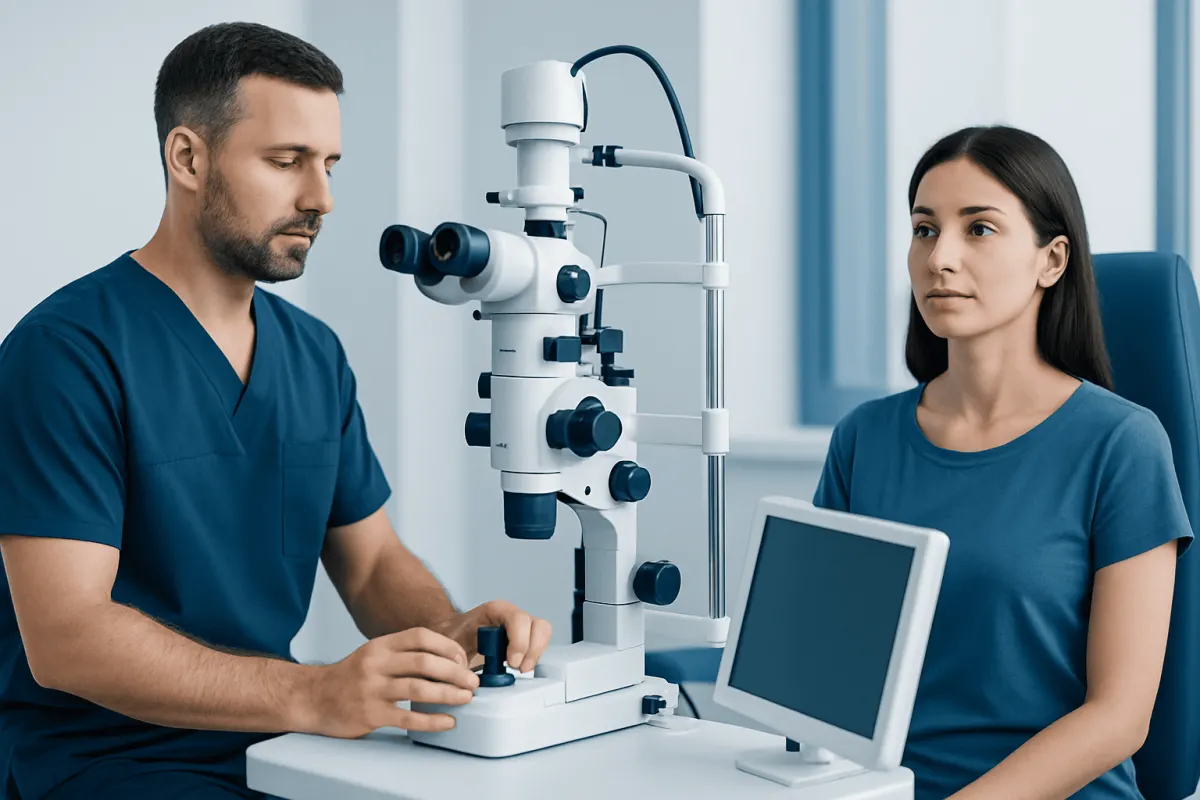
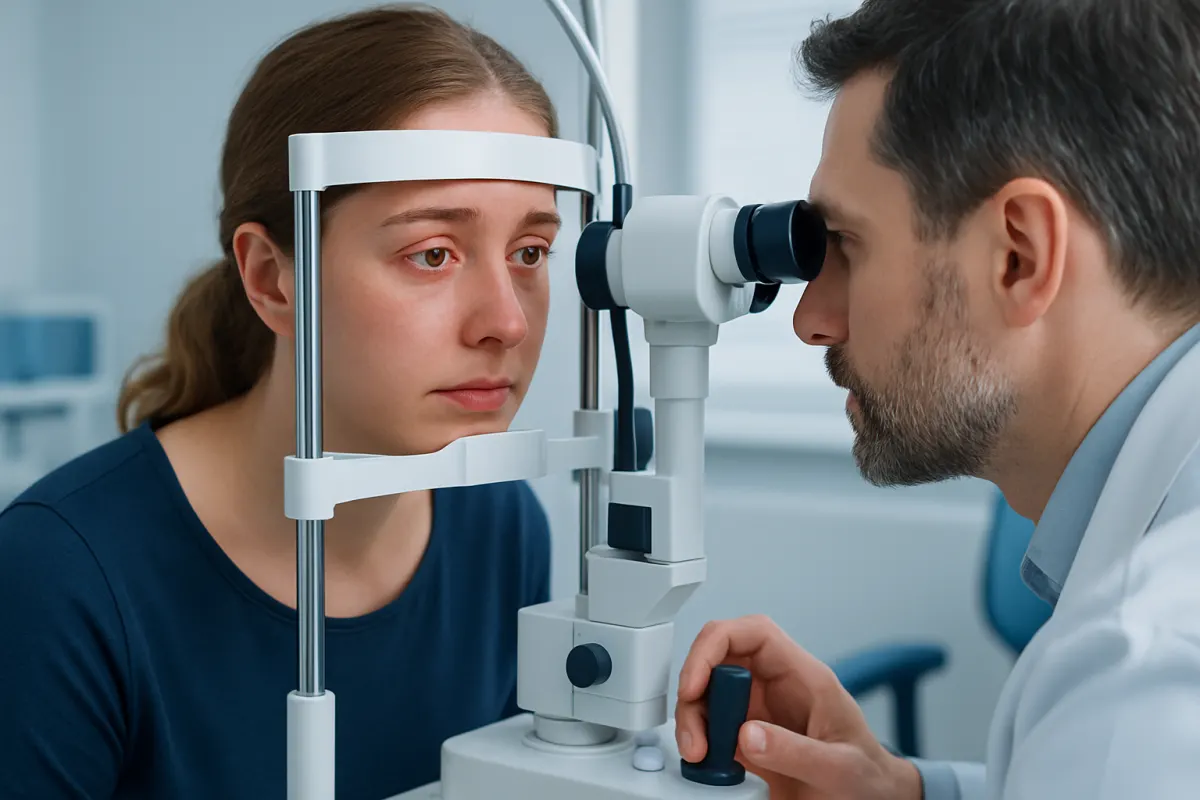
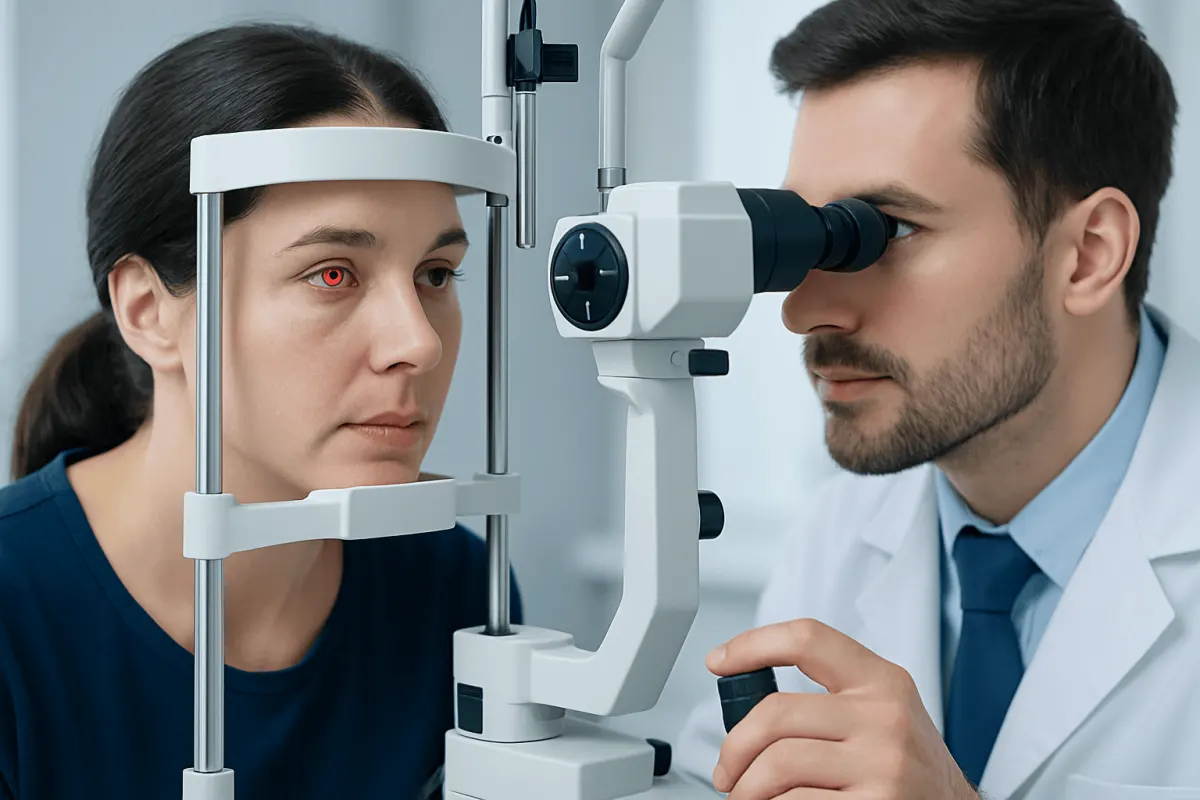
Doctors usually begin with a conversation and a physical examination. They may ask when the sunken appearance started, whether it is affecting one or both eyes, and whether there have been recent changes in weight, sleep, fluid intake, allergies, medications, or overall health. This history often points to the most likely cause.
If the appearance seems related to hydration, lifestyle, or normal aging, no complex testing may be needed. When the change is sudden, severe, or accompanied by other symptoms, a doctor may order blood tests or other studies to look for anemia, infection, thyroid problems, nutritional deficiency, inflammation, or another systemic issue.
In a travel or second-opinion setting, patients often arrive with prior test results, photos, and a timeline of symptoms. Bringing those materials can help a clinician compare changes over time and decide which findings are most relevant. That can make evaluation more efficient and focused.
Treatment Options
Treatment depends entirely on the cause. If dehydration is responsible, the main approach is restoring fluids and correcting anything that led to fluid loss. If allergies are contributing, the goal is to reduce inflammation and congestion under a doctor’s guidance. When weight loss, nutrition problems, or an underlying illness are involved, treatment should address the broader condition rather than the eye area alone.
For age-related hollows, the focus may shift toward cosmetic or reconstructive options when the person is bothered by the appearance. Depending on the situation, doctors may discuss dermal fillers, fat grafting, or other procedures that restore volume. These are medical treatments and should be considered carefully, especially around the delicate eye region where anatomy matters.
It is important not to self-treat persistent sunken eyes with unproven creams or aggressive home measures. A safe plan begins with identifying the cause. If the change is part of a wider medical issue, treating that issue is usually the most effective way to improve the appearance and the patient’s health.
- Rehydration and recovery from fluid loss
- Allergy management
- Nutrition and weight stabilization
- Medical treatment for infection or systemic illness
- Selected cosmetic procedures for structural hollows
For international patients, treatment planning may also involve coordination between different specialists and follow-up after returning home. That is especially useful when the cause is not purely cosmetic and requires a broader medical workup.
Prevention & Self-care
Not every case of sunken eyes can be prevented, especially when genetics or aging are the main contributors. Still, simple habits can reduce the chance that the under-eye area looks more hollow than usual. Regular hydration, adequate sleep, balanced meals, and timely treatment of allergies all help support a healthier appearance.
It is also sensible to pay attention after illness, travel, or periods of stress. Long flights, hot weather, low fluid intake, and disrupted sleep can all make the face look temporarily drawn. People often notice improvement once they return to normal routines, eat well, and rest.
Self-care is best viewed as support, not a substitute for diagnosis. If the eyes keep looking more sunken over time, or if there are other symptoms such as persistent fatigue, dizziness, or weight changes, medical assessment is the safer step.
- Drink enough fluids, especially during travel or heat exposure
- Sleep regularly and protect rest after illness
- Address allergies and nasal congestion promptly
- Eat a balanced diet and avoid rapid weight loss
- Protect skin with gentle care and sun protection
Small habits can make the eye area look less tired, but they do not replace evaluation when something seems unusual. A stable, gradual change may still be worth discussing with a doctor if it affects comfort or self-confidence.
When to See a Doctor
Medical advice is appropriate if sunken eyes appear suddenly, are only on one side, or are paired with pain, redness, swelling, fever, vomiting, diarrhea, weakness, or vision changes. These features suggest that the issue may be more than simple fatigue or aging and should be reviewed promptly.
A doctor should also be consulted if the appearance is persistent, getting worse, or associated with unexplained weight loss, ongoing thirst, dry mouth, dizziness, or signs of poor nutrition. Even when the cause turns out to be minor, an assessment can bring reassurance and a clearer plan.
When symptoms are part of a wider concern and care is being considered abroad, a specialist review can help organize the next steps with less uncertainty. Acibadem Health Point’s multidisciplinary specialists and JCI-accredited hospitals diagnose and treat this condition for international patients, with evaluation tailored to the underlying cause.
In general, the best time to seek help is when the change is new, unclear, or not improving as expected. That approach helps protect both eye health and overall well-being.
Frequently asked questions
01Are sunken eyes always a medical problem?
No. They are often related to temporary factors such as dehydration, lack of sleep, stress, or recent weight loss. However, if the change is sudden, persistent, or comes with other symptoms, a doctor should evaluate it.
02Can dehydration really cause sunken eyes?
Yes. When the body is low on fluids, the tissues around the eyes can lose volume and look more hollow. Rehydration often helps if dehydration is the main cause.
03Why do sunken eyes happen with aging?
As people age, natural fat pads and collagen in the face gradually decrease. This can create under-eye hollows and deeper shadows, even when the eyes themselves are healthy.
04Can allergies make the eyes look sunken?
Yes, allergies and chronic nasal congestion can contribute to a tired, shadowed look around the eyes. This is often due to swelling, rubbing, and changes in circulation rather than true loss of eye tissue.
05What tests might a doctor order?
That depends on the symptoms and exam findings. A doctor may recommend blood tests or other studies if an underlying illness, nutritional issue, or thyroid problem is suspected.
06Can sunken eyes be treated without surgery?
Sometimes, yes. If the cause is dehydration, poor sleep, allergies, or weight changes, treating the underlying issue may improve the appearance. Cosmetic procedures are usually considered only when structural hollows remain and the person wants a more lasting change.
This article is for general information only and is not a substitute for professional medical advice. Please consult a qualified doctor about your individual situation.
Medical weight-loss options in Turkey — costs & eligibility
JCI-accredited · board-certified surgeons · reply within 24h
Add us as a Preferred Source to see more of our trusted health content across Google Search, AI Overviews and Discover.
How can we help you today?
Meet an Acibadem specialist by secure video, before you travel.
Book a video visit