What Is Spect Scan? A Complete Medical Guide

Key Takeaways
- A SPECT scan is an imaging test that uses a small amount of radioactive tracer to create functional pictures of the body.
- It is often used to assess blood flow, heart muscle activity, brain conditions, and certain bone problems.
- Preparation depends on the body area being scanned and may include fasting or adjusting some medicines after medical advice.
- The test is generally well tolerated, and the tracer leaves the body naturally over time.
- Results help doctors understand symptoms and plan next steps, especially when other tests are not fully conclusive.
A SPECT scan is a nuclear medicine imaging test that shows how blood flows and how tissues are working, rather than only how they look. It is commonly used to help evaluate the heart, brain, and bones when a doctor needs more detail than standard imaging can provide.
Overview
A SPECT scan, short for single photon emission computed tomography, is a type of nuclear medicine imaging that helps doctors see how an organ or tissue is functioning. Unlike standard X-rays or CT scans, which mainly show structure, a SPECT scan highlights activity such as blood flow and cellular uptake of a tracer.
In practical terms, this means the scan can provide useful clues when symptoms are present but the cause is not yet clear. It is commonly used in heart, brain, and bone evaluation, and it can be especially helpful when a clinician needs to understand whether a problem is related to reduced blood supply, abnormal tissue activity, or healing changes.
For international patients, the value of a SPECT scan is often in the way it fits into a larger diagnostic plan. It may be recommended after an initial consultation, alongside laboratory tests, MRI, CT, echocardiography, or other studies, so that the care team can assemble a more complete picture before treatment decisions are made.
What a SPECT Scan Shows
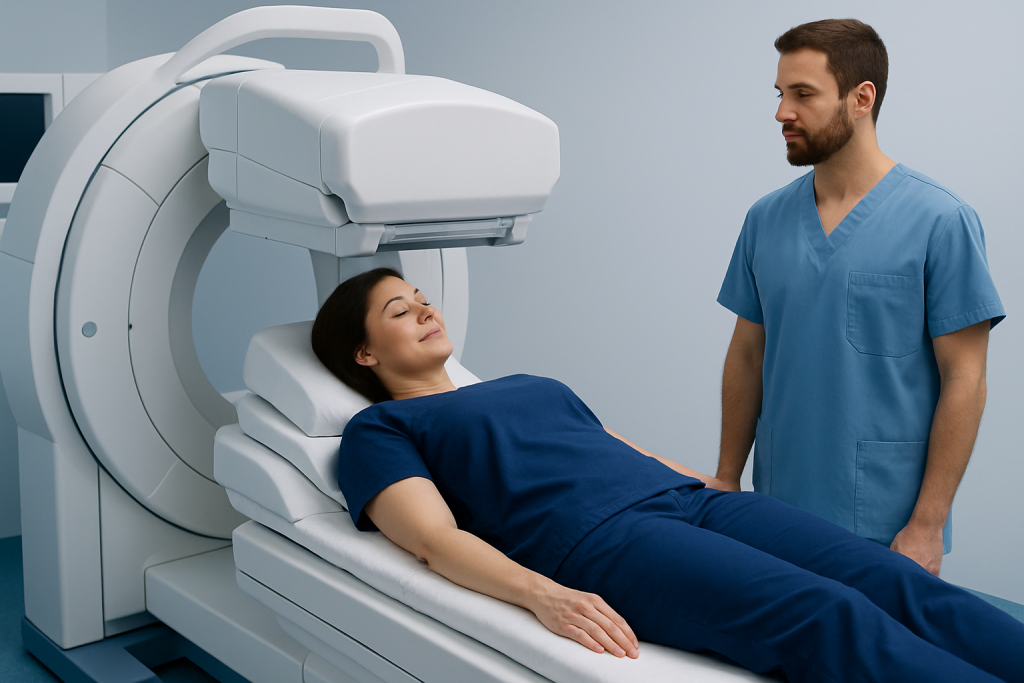
The test uses a small amount of radioactive material called a tracer. After the tracer is given, a special gamma camera rotates around the body and records where the tracer collects. Computer processing then turns those signals into detailed images that show activity in three dimensions.
Because different tissues absorb the tracer differently, a SPECT scan can reveal areas that receive less blood, tissues that are overactive, or regions that are healing or inflamed. In heart care, this can help show whether parts of the heart muscle are getting enough blood. In brain imaging, it may help support the evaluation of certain neurologic or psychiatric conditions. In bone studies, it may identify areas of increased remodeling or abnormal activity.
The scan is not usually used alone to make a diagnosis. Instead, the findings are interpreted together with symptoms, medical history, physical examination, and other test results. That combined approach is what gives the exam its clinical value.
Common Reasons Doctors Order a SPECT Scan

Doctors may recommend a SPECT scan when they want to understand how a tissue is working rather than simply whether it looks abnormal. This is especially useful when a person has ongoing symptoms and standard imaging does not fully explain them.
Typical reasons include evaluation of coronary artery disease, assessment of heart muscle blood flow, investigation of certain seizure disorders, memory or cognitive concerns in selected cases, and identification of bone abnormalities such as stress injuries, infection, or metastatic disease. It may also be used to help plan treatment or monitor response in some conditions.
- Heart: blood flow and viability assessment
- Brain: selected neurologic evaluations
- Bone: pain, injury, infection, or tumor-related changes
- Other uses: thyroid, parathyroid, and certain specialized studies
The exact reason for the scan depends on the symptom pattern and the clinical question the doctor is trying to answer. For patients traveling from another country, understanding that question beforehand can make the appointment feel more purposeful and less overwhelming.
Symptoms and Conditions It May Help Evaluate
A SPECT scan is not a symptom by itself, but it may be ordered when a person has chest pain, shortness of breath on exertion, unexplained headaches, memory changes, seizures, bone pain, or persistent discomfort that needs further evaluation. The scan helps doctors see whether the underlying issue may be related to blood supply, tissue injury, or abnormal activity.
In cardiology, it may support the workup of angina-like symptoms or possible heart muscle damage. In neurology, it can sometimes contribute to the assessment of conditions affecting brain perfusion or function. In orthopedics and oncology, it may help identify areas of bone turnover that require closer attention.
It is important to remember that the scan does not replace a full medical evaluation. A symptom that sounds similar in two patients can point to very different causes, which is why the doctor’s history-taking and examination remain central to the diagnosis.
How the Scan Is Done
The process usually begins with the tracer being given through a vein or, in some studies, by mouth or inhalation. After the tracer has had time to circulate and accumulate in the target tissue, the person lies on a table while the camera moves around the body to collect images.
Most scans are painless. The camera does not touch the body, but the patient must remain as still as possible so the images stay clear. Depending on the area being studied, the scan may take a short time or may be split into several stages, including both resting and delayed images.
After the exam, patients are usually able to go home the same day. They may be advised to drink fluids to help the body eliminate the tracer naturally. A clinician will later review the images and explain what they mean in the context of the overall clinical picture.
Preparation, Safety, and Possible Side Effects
Preparation varies according to the type of SPECT scan. Some studies require fasting, avoiding caffeine, or pausing certain medicines only if the doctor says it is safe. Patients should always tell the care team about pregnancy, breastfeeding, allergies, kidney disease, and any medications or supplements they use.
The amount of radiation used is carefully controlled and generally considered appropriate when the scan is medically justified. The tracer leaves the body over time, mainly through urine or stool depending on the test. Most people do not have side effects, although some may notice a mild warm sensation, metallic taste, or brief discomfort at the injection site.
- Wear comfortable clothing without metal fasteners if possible.
- Follow instructions about food, drink, and medication changes.
- Ask in advance about bringing previous imaging or reports.
- Let the team know if lying still is difficult due to pain or anxiety.
If a person is pregnant or may be pregnant, the doctor needs to know before the test so that imaging can be selected with extra care. Breastfeeding guidance may also be discussed in advance when relevant.
How Results Are Interpreted and What They Mean
SPECT images are read by a specialist trained in nuclear medicine or radiology, often in collaboration with the referring doctor. The report may describe areas of normal tracer uptake, reduced uptake, increased uptake, or patterns that suggest altered blood flow or tissue activity.
A normal result can be reassuring, but it does not automatically end the evaluation if symptoms continue. Likewise, an abnormal result does not always mean serious disease; sometimes it reflects a temporary change, prior injury, inflammation, or a finding that needs correlation with another test.
For international patients, follow-up planning matters as much as the scan itself. Before traveling home, it is helpful to ask when the final report will be ready, whether digital copies will be available, and how the results should be shared with the local physician who will continue care.
When to See a Doctor
A SPECT scan should only be done when a qualified doctor believes it is appropriate for the person’s symptoms and health history. Anyone with persistent chest pain, unexplained neurologic symptoms, ongoing bone pain, or a condition already under specialist care should seek medical advice to determine whether this test is suitable.
After the scan, medical review is also important if the person develops symptoms that seem unrelated to the test itself, such as allergic-type reactions, worsening pain, or concerns about the injection site. These are uncommon, but they deserve prompt attention.
Patients who are arranging care from abroad may find it helpful to choose a center that can coordinate imaging, specialist consultation, and follow-up in one pathway. Acibadem Health Point’s multidisciplinary specialists and JCI-accredited hospitals diagnose and treat conditions that may require SPECT scanning for international patients, with care planning designed to support both the test and the next steps after it.
Prevention & Self-care
A SPECT scan itself is not something a person “prevents,” but the conditions that lead to needing one may often be supported by healthy habits and regular medical follow-up. Heart-healthy routines, managing blood pressure and cholesterol, smoking cessation, and staying active as advised by a doctor can all be part of broader prevention.
For people already scheduled for the scan, self-care is mostly about preparation and recovery. Resting well before the appointment, following medication instructions carefully, and drinking enough fluids afterward can make the process smoother. If travel is involved, building in extra time for the appointment and for later review of results can reduce stress.
Patients should keep a copy of the report and any images for future consultations, especially if they will continue care in another country. That record can be valuable if symptoms change or if another specialist needs to compare results over time.
Frequently asked questions
01What is a SPECT scan used for?
A SPECT scan is used to evaluate how organs and tissues are functioning, especially in the heart, brain, and bones. It can help doctors look for changes in blood flow, tissue activity, or areas of abnormal tracer uptake. The test is usually ordered when more functional detail is needed than a standard scan can provide.
02Is a SPECT scan the same as a CT scan?
No. A CT scan mainly shows anatomy, while a SPECT scan shows function by tracking a radioactive tracer in the body. Some systems combine both techniques so the doctor can see structure and activity together.
03Does a SPECT scan hurt?
The scan itself is generally painless. Some people feel mild discomfort from the injection used to give the tracer, but the imaging portion involves lying still while a camera takes pictures.
04How should a patient prepare for a SPECT scan?
Preparation depends on the type of scan. The doctor may ask the patient to fast, avoid caffeine, or adjust certain medicines, but changes to medication should only be made on medical advice. It is also important to tell the team about pregnancy, breastfeeding, allergies, and prior imaging studies.
05Are SPECT scans safe?
SPECT scans are commonly performed and are considered safe when medically appropriate. They do involve a small amount of radiation, so the test is ordered only when the expected benefit outweighs the risk. The care team can explain why it is recommended in each individual case.
06How long does it take to get SPECT scan results?
Timing can vary by facility and by the type of study. Some results are available the same day or within a few days, while more complex cases may take longer because the images need careful specialist interpretation. Patients who are traveling should ask how and when the report will be shared.
This article is for general information only and is not a substitute for professional medical advice. Please consult a qualified doctor about your individual situation.
Explore treatments in Turkey — costs, top hospitals & a free quote
JCI-accredited · board-certified surgeons · reply within 24h
Add us as a Preferred Source to see more of our trusted health content across Google Search, AI Overviews and Discover.