What Is Snack Before Exercise? A Complete Medical Guide

Key Takeaways
- A snack before exercise is usually a small amount of carbohydrate-rich food, sometimes with a little protein.
- Timing matters: some people do best with a snack 30 to 90 minutes before activity, while others need more time after a larger meal.
- The best snack before exercise is easy to digest and matched to the workout type, intensity, and personal tolerance.
- Very fatty, very spicy, or very high-fiber foods may cause discomfort for some people before exercise.
- People with diabetes, digestive conditions, or frequent dizziness should get individualized medical advice about pre-exercise eating.
A snack before exercise is a small, timed meal or snack that helps support energy, comfort, and performance during physical activity. The best choice depends on the type of exercise, how long there is until the workout, and how each person’s body responds.
Overview
A snack before exercise is a small food or drink choice taken before a workout to help the body feel steady, energized, and ready to move. In simple terms, it bridges the gap between the last meal and the physical effort ahead.
For many people, this does not mean eating a full meal. It often means choosing a light, easy-to-digest option that provides carbohydrate for quick fuel, sometimes with a little protein for staying power. The right snack before exercise can make training feel more comfortable, especially if the session is long, intense, or done after several hours without eating.
There is no single perfect pre-workout snack for everyone. A person heading out for a short walk, a strength session, a long run, or a morning gym class may need very different food choices. The most useful approach is to match the snack to the exercise, the timing, and the person’s usual digestion.
Symptoms and Signs That a Pre-Exercise Snack May Help
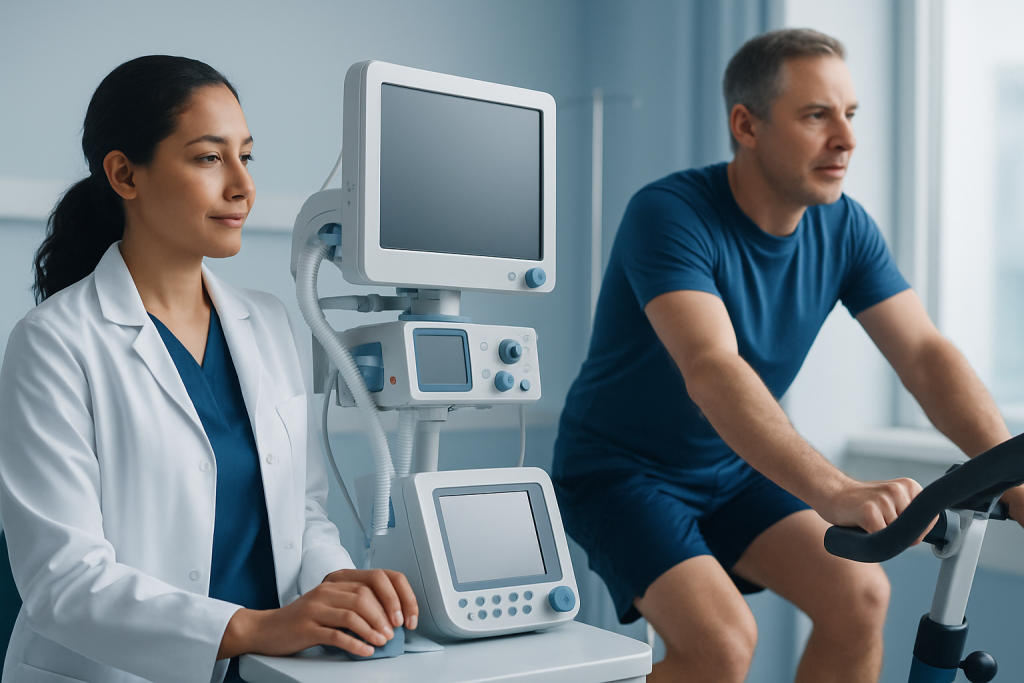
People often notice the need for a snack before exercise through the body’s signals rather than by counting calories or calories burned. Common signs include low energy, shakiness, irritability, trouble focusing, or feeling as if the workout starts with an empty tank.
Some people also experience physical discomfort when they exercise too long after eating nothing at all. Headaches, lightheadedness, sudden hunger, or a dip in concentration can all make movement feel harder than it needs to be. Others may feel the opposite problem: they ate too much or too close to exercise and now feel heavy, bloated, or nauseated.
Not every workout requires food beforehand. A short, low-intensity session may feel fine without a snack, especially if the person recently ate a balanced meal. A pre-exercise snack becomes more relevant when training is longer, more intense, or scheduled at a time of day when the previous meal was several hours ago.
Causes and Risk Factors for Low Energy During Exercise

The most common reason people need a snack before exercise is simple fuel timing. The body uses stored carbohydrate and fat during activity, but available carbohydrate is especially helpful for moderate to vigorous exercise. If the time since the last meal is long, the body may have less readily available energy to draw on.
Several everyday factors can increase the chance of feeling drained during a workout. These include early-morning training, busy schedules that delay meals, long endurance sessions, higher-intensity classes, poor sleep, dehydration, and repeated hard workouts without enough recovery food. Stress can also affect appetite and digestion, which sometimes makes pre-exercise eating harder to plan.
Certain health conditions deserve special attention. People with diabetes, reactive low blood sugar, gastrointestinal disorders, eating disorders, or a history of fainting should not rely on generic advice alone. They may need a personalized eating plan from a qualified clinician or dietitian.
How Doctors and Dietitians Evaluate Pre-Exercise Nutrition
Most people do not need medical tests to decide on a snack before exercise. A practical review of symptoms, workout habits, meal timing, and digestion is often enough to guide better choices. A clinician may ask what kind of exercise is being done, how long it lasts, and whether symptoms such as nausea, cramps, dizziness, or hunger appear before or during activity.
If a person has repeated problems, the assessment may go further. For example, someone who feels weak during workouts may be checked for low iron, poorly controlled blood sugar, thyroid problems, dehydration, or other medical issues. If stomach upset is the main concern, the discussion may focus on meal size, fiber, fat, and timing.
For international patients planning care abroad, this type of evaluation can often be coordinated alongside broader wellness or sports-medicine consultations. The goal is not to force one universal eating pattern, but to build a plan that fits the person’s body and routine.
What Makes a Good Snack Before Exercise
A good snack before exercise is usually easy to digest and provides usable energy without feeling heavy. In many cases, carbohydrate is the main ingredient because it is the body’s quickest workout fuel. A small amount of protein can be helpful for some people, especially if the workout is longer or if the snack also serves as a mini-meal.
Examples of simple pre-exercise foods include a banana, toast with a light spread, yogurt, a small bowl of oatmeal, crackers, fruit, or a smoothie that is not too rich. The best choice is often familiar food that the person already knows sits well in the stomach. New foods on workout day can be risky if the goal is comfort.
Some workouts call for a lighter snack, while others need more structure. A short session may only need a small carbohydrate snack, whereas a longer endurance workout may benefit from a more substantial pre-exercise meal taken earlier. Hydration also matters, since even mild dehydration can make exercise feel harder.
- Good general qualities: light, familiar, easy to digest
- Often helpful: carbohydrates, a little protein, fluids
- Often less helpful: very fatty, very spicy, or very high-fiber foods right before exercise
Timing: When to Eat Before a Workout
Timing can matter as much as food choice. Some people feel best with a snack about 30 to 90 minutes before exercise, while others prefer to eat a larger meal 2 to 4 hours earlier. The right window depends on how much was eaten, how quickly the stomach empties, and how sensitive the person is to exercise-related stomach upset.
If the snack is very small, it may be tolerated closer to exercise. If it is larger or includes more protein, fat, or fiber, more time is usually needed. People who train early in the morning may do better with a few bites or a drinkable snack rather than a full breakfast, especially if they are not hungry right after waking.
It is also worth considering the type of workout. A brisk walk is not the same as a long race, an interval session, or a heavy lifting workout. The more demanding the exercise, the more carefully the snack timing tends to matter.
Prevention and Self-Care: Building a Practical Routine
The easiest way to improve a snack before exercise is to make the routine predictable. Many people benefit from testing a few familiar options on training days, then noting which foods feel energizing without causing heaviness. This personal trial-and-observation approach is often more useful than trying to copy someone else’s routine exactly.
It also helps to plan around the full day, not just the workout. Regular meals, enough fluids, and recovery food after exercise all support steady energy. Someone who consistently skips meals may need a broader nutrition review, not just a pre-workout snack tip.
For people who travel for training or medical care, portable foods can be especially useful. Unsweetened yogurt, fruit, plain toast, oatmeal, bananas, rice cakes, or simple sandwich fillings are often easier to use across different schedules and hotel routines. For those receiving coordinated care, multidisciplinary specialists and JCI-accredited hospitals such as Acibadem Health Point can help international patients diagnose and treat exercise-related nutrition concerns in a structured way.
- Try foods during routine workouts before using them for an event or hard training session.
- Keep snack portions modest if exercise begins soon after eating.
- Choose familiar foods when traveling or exercising in a new environment.
- Adjust the snack if there is bloating, nausea, or repeated low energy.
When to See a Doctor
Medical advice is important when low energy during exercise happens often, feels severe, or comes with warning signs. Recurrent dizziness, fainting, chest discomfort, unusual shortness of breath, palpitations, vomiting, or a clear pattern of blood sugar-related symptoms should be evaluated rather than managed with guesswork.
A doctor or dietitian should also be consulted if a person has diabetes, a history of low blood sugar, a gastrointestinal disorder, an eating disorder, unexplained weight loss, or trouble keeping food down before exercise. Children, older adults, and people starting a new training program may also need individualized guidance.
For many people, the answer is not to eat more, but to eat more strategically. A clinician can help separate ordinary workout hunger from a medical issue and suggest a plan that supports both safety and performance.
Conclusion
A snack before exercise is a small but useful tool. When chosen well, it can help the body feel more stable, reduce discomfort, and make physical activity easier to sustain.
The best approach is usually simple: choose familiar, easy-to-digest foods, match the timing to the workout, and pay attention to the body’s response. If symptoms keep showing up despite careful planning, it is sensible to ask a qualified clinician for guidance rather than forcing a one-size-fits-all routine.
Frequently asked questions
01What is a snack before exercise?
A snack before exercise is a small amount of food or drink taken before physical activity to help provide energy and improve comfort. It is usually lighter than a full meal and is chosen based on the workout and how soon the person will start exercising.
02What is the best snack before exercise?
The best snack before exercise is usually easy to digest and mainly carbohydrate-based, sometimes with a little protein. Common examples include fruit, toast, yogurt, oatmeal, or crackers, but the best option is the one that feels comfortable for the individual.
03How long before exercise should a snack be eaten?
Many people do well with a snack about 30 to 90 minutes before exercise, while a larger meal usually needs more time. The ideal timing depends on portion size, food type, and how sensitive the stomach is during activity.
04Should someone exercise on an empty stomach?
Some people can exercise comfortably without eating first, especially for short or easy sessions. Others feel weak, dizzy, or unfocused without a snack, so the decision should be based on personal experience and the demands of the workout.
05What foods should be avoided before exercise?
Very heavy, greasy, spicy, or high-fiber foods may cause stomach discomfort for some people before exercise. New foods, large portions, and sugary drinks can also be problematic if they do not sit well during activity.
06When should someone get medical advice about pre-workout eating?
Medical advice is wise if exercise often causes dizziness, fainting, nausea, chest symptoms, or repeated low energy. People with diabetes, digestive disorders, or a history of eating problems should ask for individualized guidance.
This article is for general information only and is not a substitute for professional medical advice. Please consult a qualified doctor about your individual situation.
Medical weight-loss options in Turkey — costs & eligibility
JCI-accredited · board-certified surgeons · reply within 24h
Add us as a Preferred Source to see more of our trusted health content across Google Search, AI Overviews and Discover.