What Is Sleeping Blindfold? A Complete Medical Guide
Key Takeaways
- Sleeping blindfold generally means using a sleep mask to reduce light while sleeping.
- Blocking light may help some people fall asleep more easily and protect the body’s sleep-wake rhythm.
- A sleep mask is not a treatment for all sleep problems and may not suit everyone, especially people with certain eye, skin, or breathing concerns.
- Good sleep habits, a dark room, and addressing the cause of insomnia often matter more than any single accessory.
- Persistent sleep problems, loud snoring, or daytime sleepiness deserve medical evaluation.
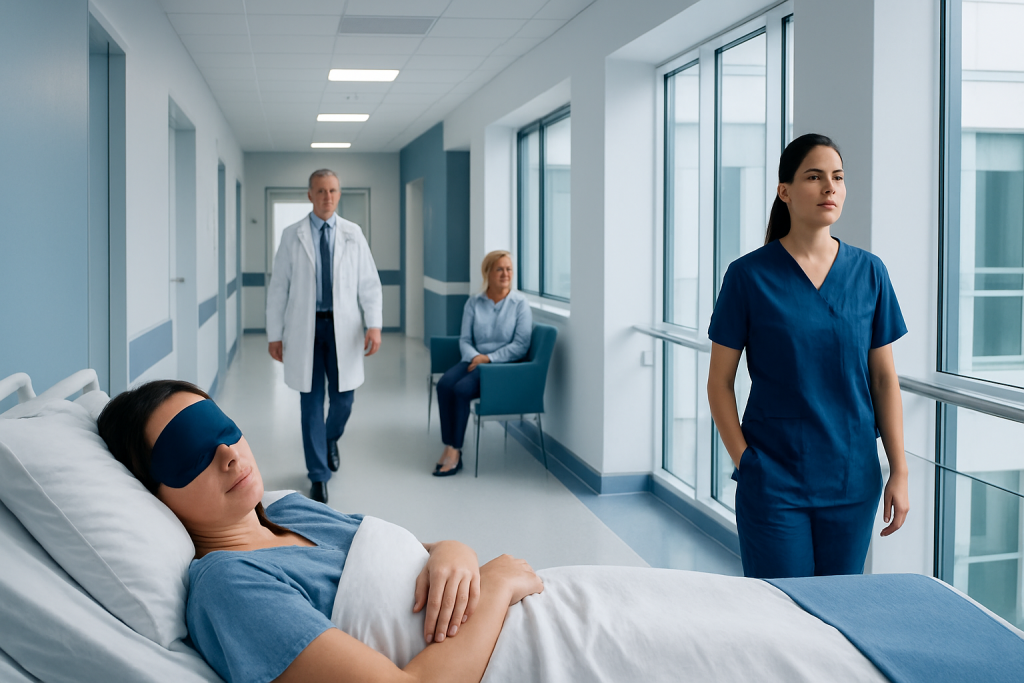
Sleeping blindfold usually refers to sleeping with a blindfold or sleep mask to block light during rest. It may support comfort and sleep quality for some people, but the right approach depends on the cause of sleep difficulty and any eye or skin concerns.
Overview
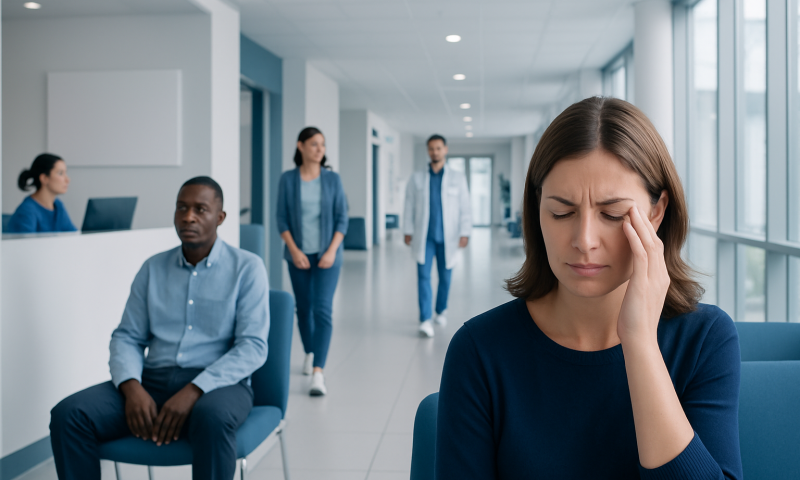
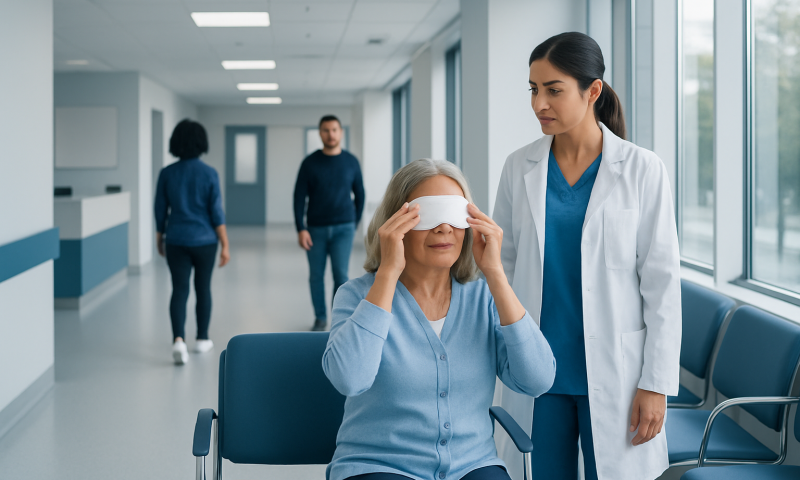
Sleeping blindfold usually means wearing a blindfold or sleep mask at night to block out light. For many people, this is a simple comfort measure that can make the bedroom feel darker and calmer, especially in homes with streetlights, early sunrise, shift work, or travel across time zones.
From a medical perspective, the idea is straightforward: light can signal the brain to stay alert, while darkness helps the body prepare for sleep. A sleep mask does not “treat” a sleep disorder on its own, but it may support sleep hygiene by reducing one of the most common environmental sleep disruptors.
People often ask about sleeping blindfold during travel, after a schedule change, or when a partner’s reading lamp or screen light keeps the room from feeling restful. In those situations, a well-fitting mask can be a practical tool. The best choice, however, depends on the person’s sleep patterns, eye comfort, and whether the problem is simply environmental or something deeper.
How Light Affects Sleep
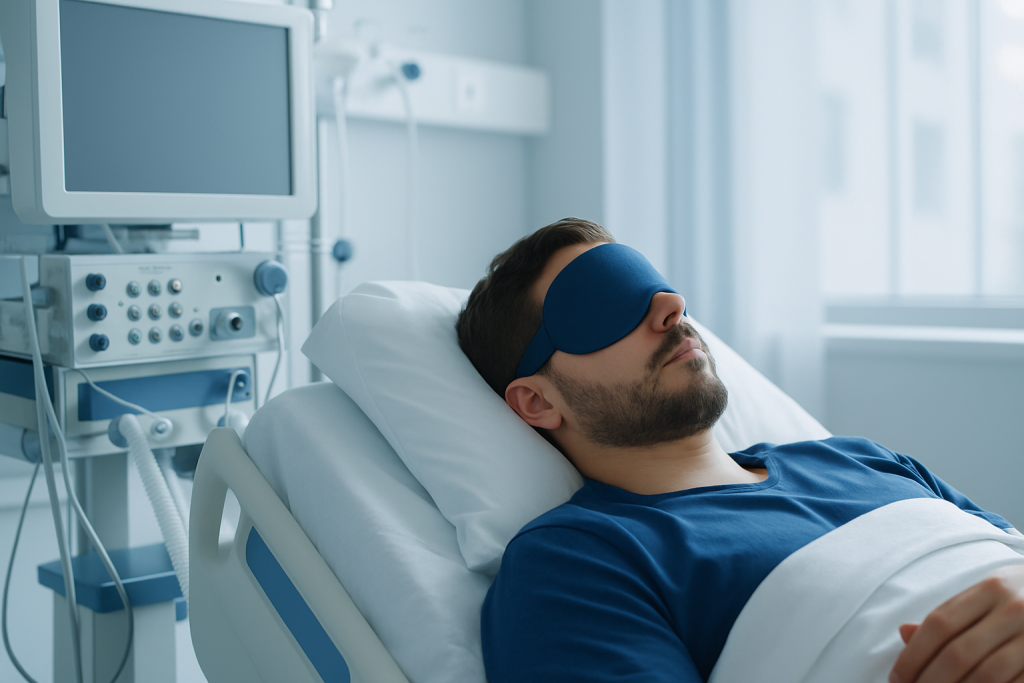
The body’s sleep-wake cycle is guided by the internal circadian rhythm. Light, especially bright or blue-toned light, tells the brain that it is daytime and can delay the release of melatonin, a hormone associated with sleep readiness. This is why dimming lights in the evening often helps people wind down.
When the room is too bright, the brain may stay more alert than desired. Even small sources of light, such as LED indicators, hallway light, or a sunrise through thin curtains, can affect sensitive sleepers. A sleep mask helps by creating a darker signal for the brain, which may make it easier to drift off or return to sleep after waking briefly.
That said, light is only one part of sleep. Stress, pain, caffeine, irregular schedules, sleep apnea, restless legs, depression, and anxiety can also disturb sleep. A blindfold may improve comfort, but it will not solve these conditions by itself.
For some international travelers, this is especially relevant. Crossing time zones, sleeping in unfamiliar hotel rooms, or recovering after a long flight can leave sleep fragmented. In those settings, blocking light can be one small part of a broader routine that helps the body adjust.
Possible Benefits of Sleeping with a Blindfold
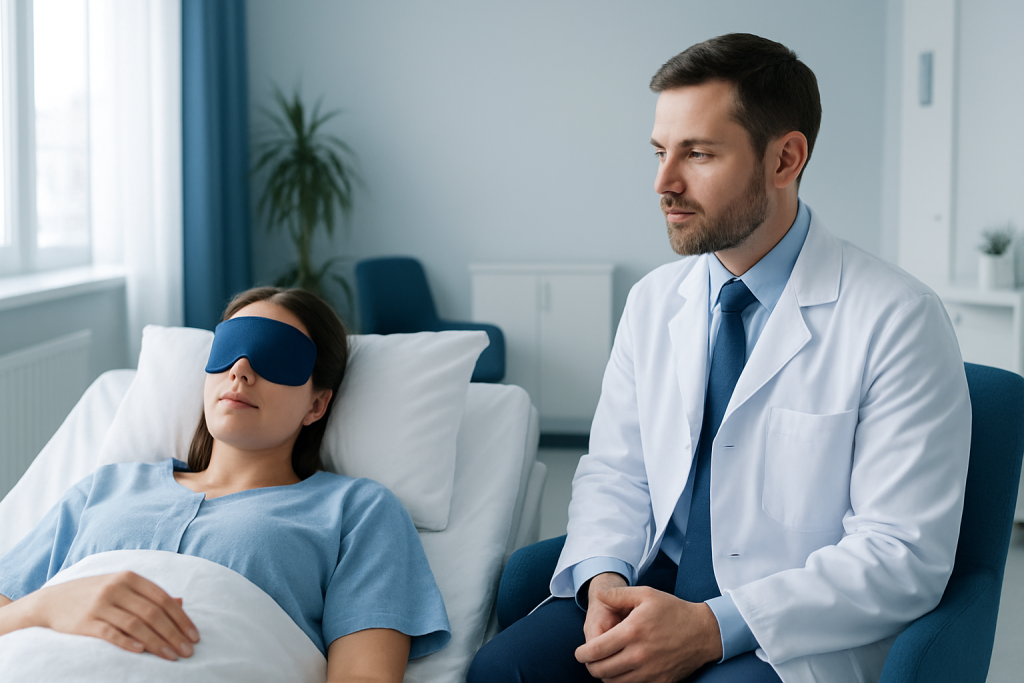
Many people choose a sleep mask because it is simple, portable, and non-medicinal. When it fits well, it can reduce early-morning light, limit distraction in shared spaces, and create a more predictable sleep environment. Some people also find that the ritual of putting it on becomes a cue that sleep time is starting.
Potential benefits may include:
- Less disturbance from ambient light
- Better sleep continuity in bright environments
- Support during travel or shift changes
- Improved comfort for people who are sensitive to light
- A low-cost, non-drug sleep aid option
For people with irregular sleep schedules, a mask can be useful when the bedroom cannot be fully darkened. It may also help during naps, during recovery from jet lag, or when sleeping during the day after a night shift. Still, its role is supportive rather than curative.
Some people report sleeping more deeply with a mask simply because the experience feels calmer and more private. That effect is personal and not universal, but it can be meaningful when sleep problems are mild and mostly related to the environment.
Possible Downsides and Who Should Be Cautious
Sleeping blindfold is not ideal for everyone. A mask that is too tight may leave pressure marks, irritate the skin, or feel distracting rather than soothing. If the material traps heat, it can become uncomfortable for people who sleep warm or have sensitive skin.
People with certain eye conditions should be more careful. Recent eye surgery, active eye infection, significant dry eye symptoms, or discomfort around the eyelids may make a mask unwise without medical advice. If wearing a mask causes eye pain, redness, or a feeling of pressure, it should be removed and the issue discussed with a clinician.
Breathing problems during sleep are another consideration. A sleep mask does not affect airflow directly, but if someone already wakes unrefreshed, snores loudly, or seems to stop breathing during sleep, a mask should not delay evaluation for sleep apnea or another disorder. In those cases, the concern is the breathing pattern, not the amount of light.
It is also worth noting that a blindfold can create a false sense of “doing something” while the real cause of poor sleep remains untreated. If insomnia, anxiety, pain, reflux, or medication effects are driving the problem, a better medical plan may be needed.
How to Choose and Use a Sleep Mask Safely
A good sleep mask should feel light, gentle, and stable. It should block light without pressing on the eyes or pulling at the skin. Adjustable straps, soft fabric, and a shape that leaves space over the eyes can make the experience more comfortable.
Practical tips include:
- Choose a fit that stays in place without tightness
- Keep the mask clean to reduce skin irritation and hygiene problems
- Stop using it if it causes redness, pain, or headaches
- Pair it with other sleep-friendly habits, such as a consistent bedtime
- Use it as part of a dark, quiet routine rather than as a substitute for medical care
Travelers may prefer a lightweight, washable mask that packs easily and does not leave marks after long wear. People with facial sensitivity may do better with a padded design or a softer fabric. If the mask shifts around or feels claustrophobic, it is reasonable to try another style or to rely on room-darkening curtains instead.
Good use also means paying attention to the bigger picture. Limiting late caffeine, reducing screen use before bed, and keeping sleep and wake times steady may make a much larger difference than the mask alone.
When Sleeping Blindfold May Help Most
Sleeping blindfold tends to be most useful when the main issue is excess light rather than a medical sleep disorder. It can be especially helpful in bedrooms with thin curtains, in shared housing, in hospital or recovery settings, and during travel when the environment is not under the sleeper’s control.
Shift workers often find it helpful during daytime sleep, when sunlight can make rest difficult. People recovering from jet lag may also use it to reduce early light exposure while the body adapts to a new schedule. In these situations, the mask is part of a larger plan to help the brain understand when it is time to sleep.
Some patients looking for care abroad ask what they can do before and after treatment to sleep better in a different climate, hotel room, or hospital setting. A sleep mask can be one useful item to bring, but it works best when combined with individualized advice from the care team, especially if medication timing or post-procedure recovery affects sleep.
If the room is already dark and sleep is still poor, the issue may not be light exposure. That is a good reason to look beyond the mask and consider other causes.
Prevention & Self-care
Sleep quality usually improves most when daily habits are consistent. A sleep mask can support those habits, but it should sit inside a broader routine that encourages the body to rest at the same time each night.
Helpful self-care strategies include keeping a regular sleep schedule, limiting late caffeine and alcohol, reducing screen exposure before bed, and making the bedroom cool, quiet, and comfortable. If racing thoughts are a problem, relaxation exercises, journaling, or a brief wind-down routine may help more than an accessory alone.
People who travel frequently or who receive care in another country can also plan ahead. Bringing familiar sleep items, asking for a darker room when possible, and discussing medication timing with the treating team may improve rest. A well-chosen sleep mask can be part of that preparation, but it should not replace follow-up if sleep becomes persistently poor.
Self-care also means knowing when to stop experimenting and ask for help. If a person keeps needing a blindfold because sleep is impossible without it, that may simply mean the room is too bright. If sleep is poor even in ideal darkness, a medical evaluation may be more useful than another sleep accessory.
When to See a Doctor
Medical advice is appropriate when sleep problems last more than a few weeks, interfere with work or daily life, or leave the person exhausted during the day. A clinician can help determine whether the issue is insomnia, sleep apnea, restless legs, anxiety, depression, medication-related sleep disruption, or another condition.
Prompt evaluation is especially important if there is loud snoring, witnessed breathing pauses, morning headaches, frequent nighttime choking, or severe daytime sleepiness. Those symptoms are not explained by light exposure alone. Likewise, eye pain, redness, or worsening dryness after using a mask should be checked if they persist.
People planning treatment abroad may want to ask their doctor about sleep concerns before traveling, particularly if recovery after a procedure may affect sleep position, pain levels, or medication schedules. In some cases, a multidisciplinary team can help address both the medical condition and the sleep disruption surrounding it. Acibadem Health Point’s multidisciplinary specialists and JCI-accredited hospitals can diagnose and treat this condition for international patients.
Anyone who is unsure whether a sleep mask is suitable for their situation should bring the question to a qualified healthcare professional. The right advice depends on the person, not just on the accessory.
Frequently asked questions
01What does sleeping blindfold mean?
It usually means wearing a sleep mask or blindfold to block light while sleeping. People do this to make the room darker and reduce visual distraction. It is a comfort and sleep-hygiene tool, not a medical treatment on its own.
02Can sleeping blindfold help insomnia?
It may help if light exposure is part of the problem, especially in a bright room or during travel. If insomnia is caused by stress, pain, anxiety, or a sleep disorder, the mask alone is unlikely to be enough. Persistent insomnia should be discussed with a doctor.
03Is it safe to wear a sleep mask every night?
For many people, yes, if the mask is comfortable, clean, and not too tight. It should not cause eye pressure, skin irritation, or headaches. Anyone with eye pain, recent eye procedures, or skin sensitivity should ask a clinician first.
04Why do some people feel worse wearing a blindfold at night?
The mask may fit poorly, feel hot, or create pressure around the eyes or face. For others, the discomfort comes from anxiety or a sense of restriction. If it feels unpleasant, trying a different style or stopping use is reasonable.
05When should sleep problems be medically evaluated?
A doctor should evaluate sleep problems when they are ongoing, affect daytime function, or come with symptoms like loud snoring, breathing pauses, or marked sleepiness. Eye discomfort from a sleep mask also deserves attention if it does not quickly settle. The underlying cause is often more important than the mask itself.
This article is for general information only and is not a substitute for professional medical advice. Please consult a qualified doctor about your individual situation.
Explore treatments in Turkey — costs, top hospitals & a free quote
JCI-accredited · board-certified surgeons · reply within 24h
Add us as a Preferred Source to see more of our trusted health content across Google Search, AI Overviews and Discover.