What Is Sciatica Chiropractor? A Complete Medical Guide

Key Takeaways
- Sciatica is a symptom, not a single diagnosis, and the cause should be identified before choosing treatment.
- A sciatica chiropractor may help when pain is linked to mechanical back or pelvic problems, but not every case is suitable for chiropractic care.
- Red flag symptoms such as leg weakness, saddle numbness, or bladder changes need urgent medical assessment.
- Most treatment plans combine activity modification, targeted exercise, pain relief strategies, and time, rather than relying on one therapy alone.
- Patients traveling for care should ask about imaging, coordination with neurologists or orthopedists, and follow-up plans before starting treatment.
A sciatica chiropractor is a chiropractor who evaluates and treats some causes of sciatic nerve pain, usually with hands-on spinal care, movement advice, and related non-surgical methods. This guide explains when chiropractic care may be appropriate, when a different specialist is needed, and how patients can make safe, informed choices.
Overview
When people search for a sciatica chiropractor, they are usually looking for help with pain that starts in the lower back or buttock and travels down the leg. In practical terms, this refers to a chiropractor who assesses whether the pain pattern is likely to come from irritation of the sciatic nerve or from a back problem that is affecting that nerve.
Sciatica is not a diagnosis by itself. It is a symptom pattern that can come from a herniated disc, spinal narrowing, muscle-related compression, joint irritation, or, less commonly, other medical problems. A careful evaluation matters because the right treatment depends on the cause, the severity of symptoms, and whether there are any warning signs that need prompt medical attention.
For some patients, chiropractic care is one part of a broader plan to reduce pain and improve mobility. For others, especially those with neurologic deficits or unusual symptoms, the better first step is evaluation by a physician such as a neurologist, orthopedist, or rehabilitation specialist. The safest path is to identify the source of pain before starting treatment.
Symptoms
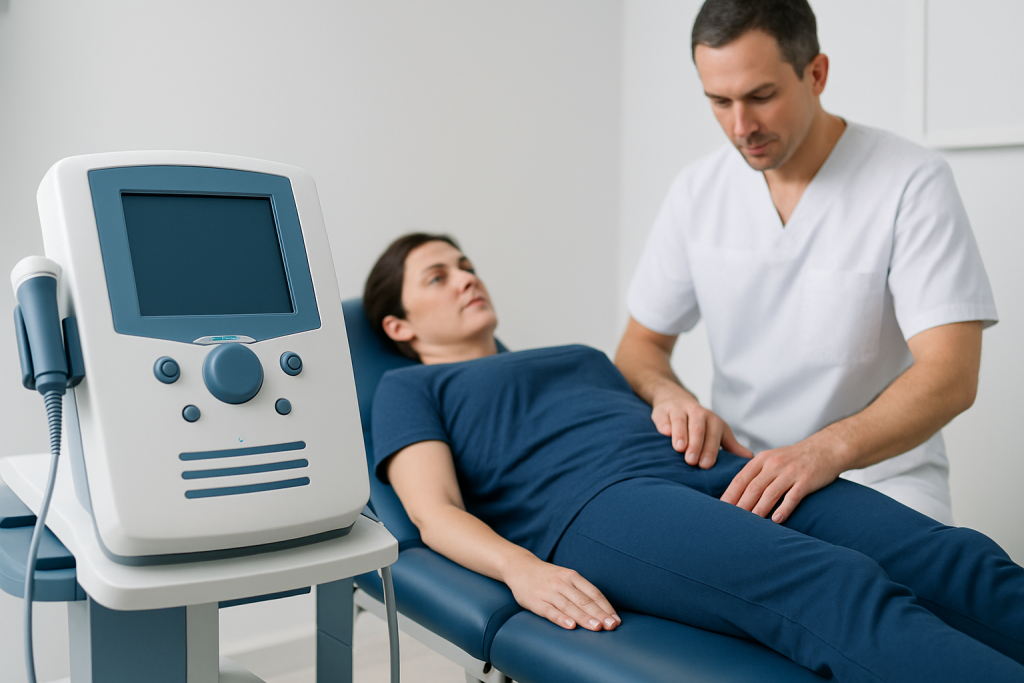
Sciatica typically causes pain that begins in the lower back, buttock, or hip and then travels into the back of the thigh, calf, or foot. Some people describe it as sharp, burning, electric, or shooting pain. It may be worse when sitting, bending, coughing, sneezing, or twisting.
Not all cases feel the same. In some patients, the main issue is numbness, tingling, or a sense of heaviness in one leg rather than pain. Others notice pain only with certain movements, and some have episodes that come and go. The pattern can offer clues about whether the problem is related to a disc, a joint, muscular tension, or another structure.
Symptoms that deserve extra attention include progressive weakness, trouble lifting the foot, worsening numbness, or changes in bowel or bladder control. These are not typical “routine sciatica” symptoms and should be assessed promptly by a qualified doctor.
- Pain radiating from the back or buttock into one leg
- Tingling, numbness, or burning along the leg
- Pain that worsens with sitting or bending
- Weakness, balance difficulty, or foot drop
Causes & Risk Factors
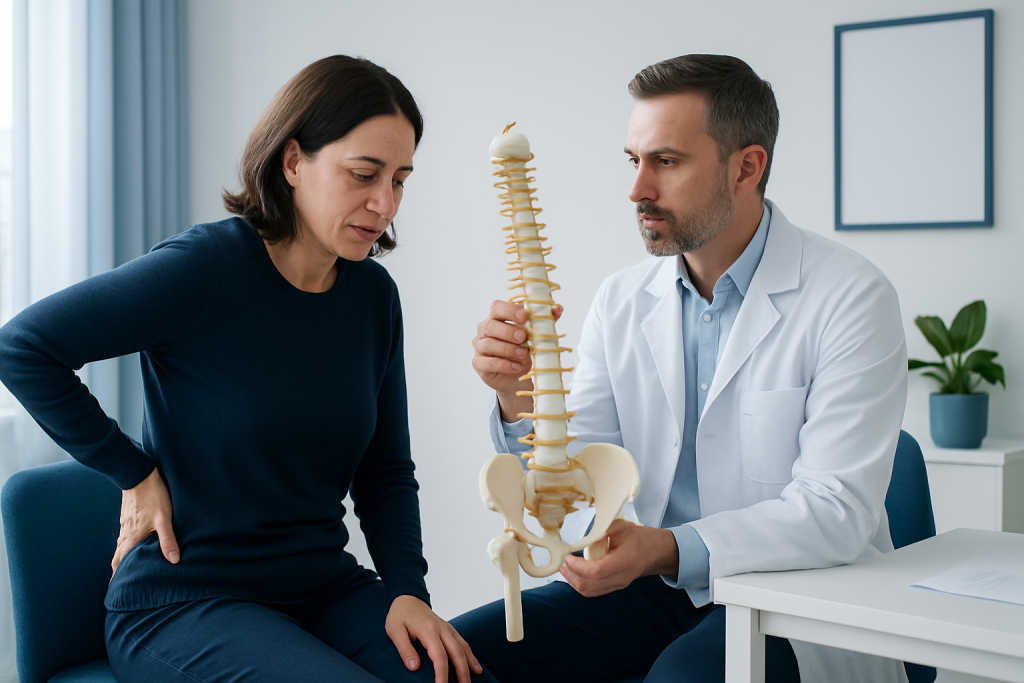
The sciatic nerve can become irritated when nearby spine structures narrow the space around it or place pressure on the nerve roots that form it. A common cause is a lumbar disc herniation, where disc material presses on a nerve root. Spinal stenosis, degenerative disc changes, and spondylolisthesis are also frequent mechanical causes.
Not every “sciatica-like” pain comes from the spine. Piriformis syndrome, sacroiliac joint dysfunction, hip disorders, and less common pelvic conditions can mimic sciatica. That is one reason a thoughtful examination is important before assuming the pain needs a spinal manipulation approach.
Risk can be higher in people who spend long periods sitting, lift heavy loads improperly, have previous back injuries, or have age-related wear in the spine. Pregnancies, certain sports, and occupations that involve repeated bending or twisting can also contribute. Still, many people develop sciatica without a single clear trigger.
Diagnosis
Diagnosis starts with a detailed history and physical examination. A clinician will usually ask where the pain starts, where it travels, what makes it worse, and whether there is numbness, weakness, or bladder or bowel change. Testing reflexes, muscle strength, sensation, and walking patterns helps identify whether a nerve root may be involved.
A sciatica chiropractor may perform musculoskeletal assessment and movement testing, but if the findings suggest nerve compression, the patient may need imaging or physician review. MRI is often the most useful study when symptoms are severe, persistent, or accompanied by neurologic changes. X-rays can help in selected situations, although they do not show discs or nerves in detail.
In many cases, imaging is not needed immediately. A doctor may first recommend conservative treatment if the symptoms fit an uncomplicated pattern and there are no red flags. The goal is not to order every test, but to choose the right test for the right patient at the right time.
Treatment Options
Chiropractic care for sciatica usually focuses on improving movement, reducing mechanical irritation, and easing pain. Depending on the patient’s condition, this may include spinal manipulation, mobilization, soft-tissue techniques, posture coaching, and home exercises. Some people feel relief, especially when symptoms are related to joint stiffness or uncomplicated back strain.
That said, chiropractic care is only one possible tool. Many patients do best with a combination of approaches, such as activity modification, guided physical therapy, pain-relief medications prescribed by a doctor when appropriate, and exercise-based rehabilitation. For nerve compression that does not improve, other treatments such as epidural injections or surgery may be discussed by a specialist.
It is important that treatment be matched to the cause. A patient with severe weakness, a large disc herniation, progressive numbness, infection, cancer-related symptoms, or fracture risk should not rely on routine back manipulation alone. In those cases, the priority is medical evaluation and a coordinated plan.
- Manual therapy or spinal mobilization, when appropriate
- Exercise and core strengthening
- Activity and posture modification
- Doctor-prescribed medicines or injections in selected cases
- Surgical consultation for persistent or serious nerve compression
Prevention & Self-care
Not every case of sciatica can be prevented, but some habits may reduce flare-ups and support recovery. Regular movement is often better than long periods of sitting, especially during recovery. Gentle walking, position changes, and a gradual return to normal activity can help keep the back from becoming more stiff.
At home, patients may benefit from a neutral spine posture when sitting, proper lifting mechanics, and simple stretching or strengthening exercises recommended by a clinician. Heat or ice may help some people with short-term comfort. If a specific movement repeatedly worsens symptoms, it is sensible to avoid it until a clinician reviews the pattern.
For international patients, self-care also includes planning for continuity. Before traveling for treatment, it helps to gather prior imaging, reports, medication lists, and a summary of symptoms. After returning home, follow-up with a local clinician or the treating team is important so the recovery plan continues smoothly.
When to See a Doctor
Medical review is appropriate if leg pain lasts more than a short time, keeps returning, or limits walking, sleep, or work. A clinician should also be seen if pain is severe, if home measures are not helping, or if the cause is uncertain. Early assessment can prevent delays when a more specific treatment is needed.
Prompt evaluation is especially important if there is weakness, worsening numbness, saddle anesthesia, fever, unexplained weight loss, a history of cancer, recent trauma, or changes in bladder or bowel control. These features can point to conditions that need urgent diagnosis rather than routine conservative care.
Patients who are considering travel for care may want a team that can evaluate the spine, interpret imaging, and coordinate rehabilitation if needed. At Acibadem Health Point, multidisciplinary specialists and JCI-accredited hospitals diagnose and treat sciatica for international patients with coordinated care pathways. The useful question is not simply whether a chiropractor can help, but whether the patient is in the right hands for the underlying cause.
Living With Sciatica: Practical Questions to Ask
Before starting chiropractic care for sciatica, patients can ask a few grounded questions: What is the most likely cause of the pain? Are there signs that suggest nerve compression or a different condition? Would imaging or a physician consult be helpful before manipulation begins?
It is also reasonable to ask how progress will be measured. A good plan should include what symptoms are expected to improve first, how long conservative care should continue before reassessment, and what changes would prompt a different approach. Clear follow-up matters, especially when the patient is receiving care away from home.
When the diagnosis is clear and the treatment plan is coordinated, many patients recover gradually and regain confidence in movement. The aim is steady improvement, not a quick promise, and treatment should always match the individual’s symptoms and exam findings.
Frequently asked questions
01What does a sciatica chiropractor do?
A sciatica chiropractor evaluates back and leg pain that may be linked to sciatic nerve irritation and uses hands-on and exercise-based methods when appropriate. They may also decide that the patient needs imaging or referral to another specialist first. The key is that the cause of pain should guide the care plan.
02Can chiropractic treatment cure sciatica?
Chiropractic care may relieve symptoms in some people, especially when the pain is related to mechanical back problems. However, sciatica has several possible causes, so no single therapy is right for everyone. Treatment works best when it is matched to the underlying condition.
03When should a patient avoid chiropractic treatment for sciatica?
Patients should avoid relying on routine chiropractic care alone if they have progressive weakness, bladder or bowel changes, fever, recent trauma, or signs of another serious condition. These symptoms need medical assessment first. A clinician can then decide whether chiropractic care is safe and appropriate.
04Is sciatica always caused by a disc problem?
No. A disc herniation is a common cause, but spinal stenosis, joint irritation, piriformis-related pain, and other conditions can cause similar symptoms. That is why the diagnosis should be based on an exam, and sometimes imaging, rather than symptoms alone.
05How long does sciatica usually take to improve?
Recovery varies depending on the cause and severity. Some mild cases improve over days or weeks with conservative care, while more persistent cases can take longer. If symptoms are not improving, a doctor should reassess the plan.
06What should international patients prepare before traveling for sciatica care?
They should bring prior imaging, medical reports, medication lists, and a clear timeline of symptoms. It also helps to ask how follow-up will work after returning home. Good coordination makes recovery safer and easier to continue across countries.
This article is for general information only and is not a substitute for professional medical advice. Please consult a qualified doctor about your individual situation.
Joint and spine care in Turkey — expert assessment & treatment
JCI-accredited · board-certified surgeons · reply within 24h
Add us as a Preferred Source to see more of our trusted health content across Google Search, AI Overviews and Discover.