Plantar Fasciitis Surgery: Procedure, Benefits, Risks and Recovery

Key Takeaways
- Most people with plantar fasciitis improve without surgery; operations are typically reserved for long-lasting cases that do not respond to conservative treatment.
- The goal of plantar fasciitis surgery is to reduce tension on the plantar fascia and relieve chronic heel pain.
- Recovery is gradual and may include protected weight-bearing, stretching, physical therapy, and a return to activity over weeks to months.
- As with any procedure, plantar fasciitis surgery has risks such as infection, nerve irritation, persistent pain, and changes in foot mechanics.
- A qualified foot and ankle specialist can confirm whether surgery is appropriate and discuss alternatives before treatment is planned.
Plantar fasciitis surgery is usually considered only after months of non-surgical care have not eased persistent heel pain. This article explains the procedure, who may benefit, possible risks, and what recovery often looks like.
Overview
Plantar fasciitis surgery is a treatment option for people whose heel pain has remained stubborn despite a full course of non-surgical care. It is not usually the first step. In most cases, doctors begin with stretching, activity changes, supportive footwear, orthotics, physical therapy, and sometimes injections or other conservative measures before considering an operation.
The plantar fascia is a thick band of tissue that runs along the bottom of the foot and helps support the arch. When this tissue becomes irritated and strained, pain often shows up near the heel, especially with the first steps in the morning or after sitting for a while. Surgery is intended to reduce the tension that keeps that tissue from healing, but it is generally reserved for chronic symptoms that continue to limit daily life.
For international patients thinking about treatment abroad, the key question is not only whether surgery exists, but whether the diagnosis is correct and whether less invasive options have truly been exhausted. A careful review by a foot and ankle specialist helps ensure the treatment plan matches the cause of pain, the patient’s activity needs, and the expected recovery time.
Symptoms
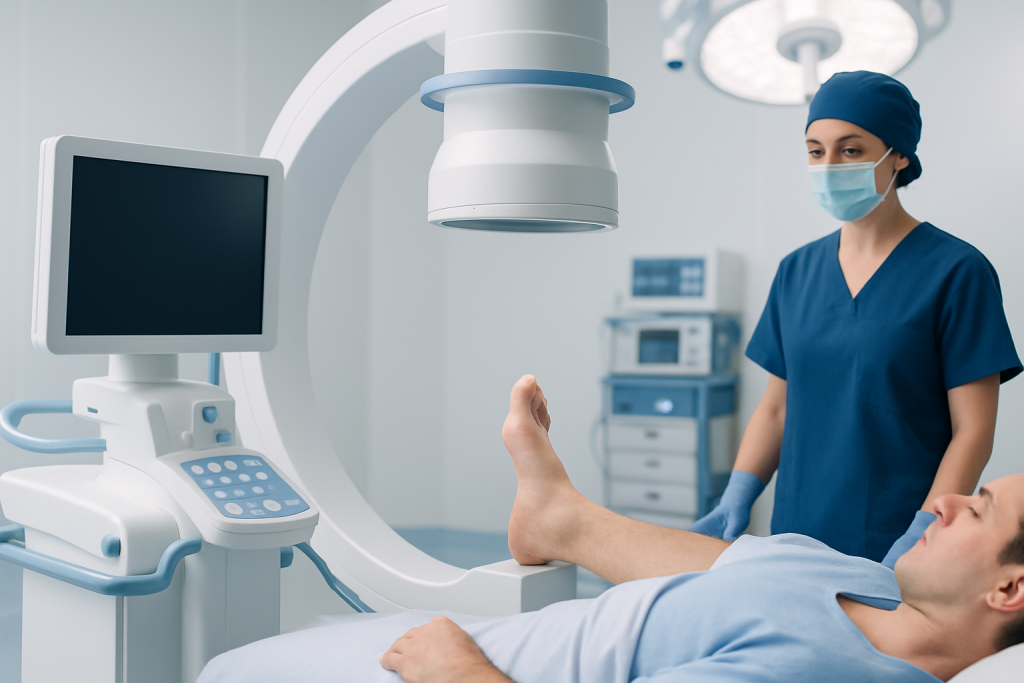
Plantar fasciitis usually causes a very specific pattern of pain. Many people describe a sharp or stabbing sensation under the heel that is strongest with the first few steps after waking up. The pain may ease a little with movement, then return after long periods of standing, walking, or exercise.
When the condition lasts for months, symptoms can become more persistent and interfere with work, travel, exercise, and even basic errands. Some people begin to change the way they walk to avoid pain, which can lead to strain in the ankle, knee, hip, or back. That is one reason doctors take chronic heel pain seriously, even when it seems like a small problem at first.
Signs that the pain may be more than a short-lived strain include:
- Pain centered near the inside of the heel
- Morning stiffness in the sole of the foot
- Discomfort after standing for long periods
- Pain that improves with rest but returns with activity
- Symptoms lasting many months despite treatment
Causes & Risk Factors
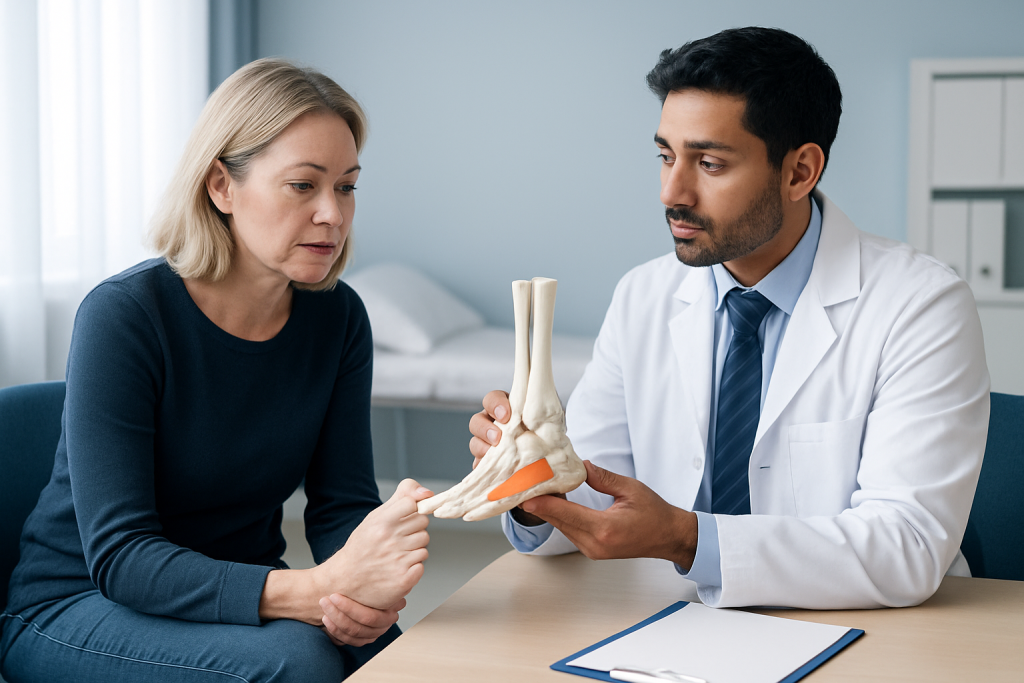
Plantar fasciitis develops when repeated stress irritates the plantar fascia and the area where it attaches near the heel. Over time, small injuries can add up, especially if the foot is under constant strain. This does not always happen because of a single injury; often it is a wear-and-tear problem that builds gradually.
Risk factors may include prolonged standing, running on hard surfaces, tight calf muscles, foot structure differences, reduced ankle flexibility, obesity, and certain jobs or sports that place repeated load on the feet. Some people also develop plantar fasciitis after a change in activity level, such as starting a new exercise routine or increasing walking distance too quickly.
Surgery is considered only when pain continues despite thoughtful treatment of these underlying factors. If the biomechanical issue is not addressed, symptoms may return even after an operation. That is why specialists often evaluate gait, footwear, calf flexibility, and arch support before discussing a surgical plan.
Diagnosis
Diagnosis begins with a history of the pain pattern and a physical examination of the foot. A doctor will usually press on the heel and along the plantar fascia, check ankle movement, and ask about activity levels, footwear, and prior treatments. The classic presentation often gives strong clues without the need for many tests.
Imaging may be used if the diagnosis is uncertain or if the pain has not improved as expected. X-rays can help rule out other causes of heel pain, while ultrasound or MRI may be helpful in selected cases to assess soft tissue and exclude conditions such as stress fracture, nerve entrapment, or heel pad problems. These tests do not always confirm plantar fasciitis on their own, but they can help refine the picture.
Before surgery is recommended, a doctor will usually confirm that the pain truly comes from the plantar fascia and that reasonable non-surgical treatments have been tried long enough. That step matters because heel pain can have several causes, and the best operation for one problem may not help another.
Treatment Options
Most plantar fasciitis cases improve with conservative treatment, so surgery is typically a later option. Common non-surgical approaches include calf and plantar fascia stretching, temporary reduction in aggravating activities, supportive shoes, orthotic inserts, night splints, physical therapy, and weight management when appropriate. Some patients may also discuss injections or other procedures depending on the overall case.
When surgery is considered, the goal is usually to release part of the plantar fascia to reduce tension and allow the irritated tissue to settle. The operation may be done through a small open incision or with a minimally invasive approach, depending on the surgeon’s technique and the patient’s anatomy. In some cases, the surgeon may also address other contributing problems at the same time, such as a tight calf muscle.
Plantar fasciitis surgery is not a quick fix in the sense of immediate comfort. Healing takes time, and the foot needs a gradual return to load. Patients often benefit most when surgery is part of a broader plan that includes rehabilitation, footwear adjustments, and long-term flexibility work.
Benefits
The main benefit of plantar fasciitis surgery is the possibility of long-term relief when other treatments have failed. For people who have lived with chronic heel pain for months or years, reducing pressure on the plantar fascia may make standing, walking, and sleeping more comfortable again.
Some patients find that surgery helps them return to work, exercise, and travel with less daily disruption. In a careful candidate, the procedure may also reduce the need for ongoing pain medication or repeated office-based treatments. The expected improvement is often gradual rather than immediate, but it can be meaningful for people whose quality of life has been limited.
Still, the decision is individualized. A surgeon will usually balance the potential benefit against the possibility that symptoms may persist, especially if the pain is partly driven by other foot mechanics or if the tissue needs more time to heal without surgery.
Risks and Recovery
Every operation carries some risk, and plantar fasciitis surgery is no exception. Possible complications include infection, bleeding, wound-healing problems, nerve irritation, scarring, persistent pain, or changes in foot stability and gait. In some cases, pain may improve only partially or shift to a different area of the foot.
Recovery depends on the exact procedure and the patient’s overall health, but it commonly involves a period of protected walking, limited impact activity, and gradual rehabilitation. Many people need a walking boot or similar support for a while, followed by stretching and strengthening under guidance. Return to full activity is usually staged, not rushed.
For patients traveling from another country, recovery planning deserves special attention. It is important to understand where follow-up visits will happen, how to manage dressing changes or physiotherapy after returning home, and what signs should prompt medical contact. A clear discharge plan helps the healing process stay smooth even after travel.
Prevention & Self-care
Even if surgery has been done, self-care remains important because the same forces that caused the problem can still irritate the foot later. Supportive shoes, calf stretching, gradual increases in exercise, and attention to standing surfaces can all help reduce strain on the plantar fascia. People who spend long hours on their feet often benefit from cushioning and regular movement breaks.
Simple habits may ease symptoms and support long-term foot health:
- Wear shoes with good arch support and heel cushioning
- Stretch the calf muscles and plantar fascia regularly
- Avoid sudden increases in running or walking distance
- Use ice or rest after flare-ups if advised by a clinician
- Maintain a healthy body weight when appropriate
After surgery, the most helpful self-care is patience. The foot often improves in stages, and progress may feel uneven. Following the surgeon’s instructions closely gives the tissue the best chance to heal well.
When to See a Doctor
Persistent heel pain that lasts more than a few weeks, keeps returning, or interferes with normal walking deserves medical evaluation. A doctor should also be seen sooner if the pain is severe, if swelling or redness appears, if there was a recent injury, or if numbness or tingling develops. Those features can point to a different condition that needs a different approach.
People who have already tried home care and basic treatment but still cannot stand or walk comfortably may benefit from an orthopedic or foot-and-ankle specialist review. That visit is especially important before considering plantar fasciitis surgery, because the diagnosis, the extent of prior care, and the recovery plan all need to be clear.
Acibadem Health Point can help international patients access multidisciplinary specialists and JCI-accredited hospitals for diagnosis and treatment planning, including surgical and non-surgical care when appropriate. The most useful next step is always a personalized consultation that matches the treatment to the cause of pain and the patient’s overall goals.
Frequently asked questions
01When is plantar fasciitis surgery usually considered?
Surgery is usually considered only after months of non-surgical treatment have not improved symptoms. Doctors generally want to be sure the pain truly comes from plantar fasciitis and not another cause of heel pain. The decision is individualized and depends on how much the condition affects daily life.
02What does plantar fasciitis surgery do?
The operation is meant to reduce tension on the plantar fascia so the irritated tissue can heal. Depending on the technique, the surgeon may release part of the fascia and sometimes address related tightness in the calf. The exact approach varies by patient and surgeon.
03How long does recovery take after plantar fasciitis surgery?
Recovery is gradual and depends on the procedure and the person’s overall health. Many patients need a period of protected walking, then a slow return to stretching, strengthening, and full activity. A surgeon or physiotherapist can outline the expected timeline more precisely.
04What are the main risks of plantar fasciitis surgery?
Risks can include infection, bleeding, nerve irritation, wound problems, persistent pain, or changes in how the foot bears weight. Most patients recover without major issues, but it is important to discuss the possible downsides before deciding on surgery. A qualified specialist can explain how those risks apply in a specific case.
05Can plantar fasciitis come back after surgery?
Yes, symptoms can return if the underlying strain on the foot is not addressed. Footwear, activity patterns, calf flexibility, and weight-bearing habits all matter. Long-term self-care is part of preventing recurrence.
06Do all people with chronic heel pain need an operation?
No. Many people improve with stretching, orthotics, physical therapy, and other conservative measures. Surgery is usually reserved for cases that remain painful despite well-planned non-surgical care.
This article is for general information only and is not a substitute for professional medical advice. Please consult a qualified doctor about your individual situation.
Joint and spine care in Turkey — expert assessment & treatment
JCI-accredited · board-certified surgeons · reply within 24h
Add us as a Preferred Source to see more of our trusted health content across Google Search, AI Overviews and Discover.