What Is Scabs on Scalp? A Complete Medical Guide

Key Takeaways
- Scabs on scalp are a symptom, not a diagnosis, and the cause matters for treatment.
- Common triggers include scratching, seborrheic dermatitis, psoriasis, folliculitis, eczema, and infections.
- Persistent, painful, spreading, or bleeding scabs should be checked by a clinician.
- Gentle scalp care and avoiding picking can help healing while the underlying cause is treated.
- A dermatologist can often diagnose the problem by examining the scalp and asking about symptoms and hair care habits.
Scabs on the scalp are usually a sign of irritated or injured skin rather than a condition on their own. They may develop from scratching, dandruff, infections, inflammatory skin diseases, or less commonly other scalp disorders.
Overview
Scabs on the scalp usually form when the skin surface has been irritated, inflamed, scratched, or infected and then begins to heal. In simple terms, a scab is the body’s temporary “covering” over damaged skin. The real question is not only how to remove the scab, but why the scalp became irritated in the first place.
People may notice one small rough patch after scratching an itchy spot, or several crusted areas that appear with dandruff, redness, flaking, or hair shedding. Because the scalp is covered by hair, early changes can be easy to miss. That is one reason scalp problems sometimes linger before a person seeks care.
Most causes are treatable, and many improve with the right combination of gentle scalp care and targeted medical treatment. The goal is to calm inflammation, treat infection if present, and protect the skin so it can heal without repeated injury.
Symptoms
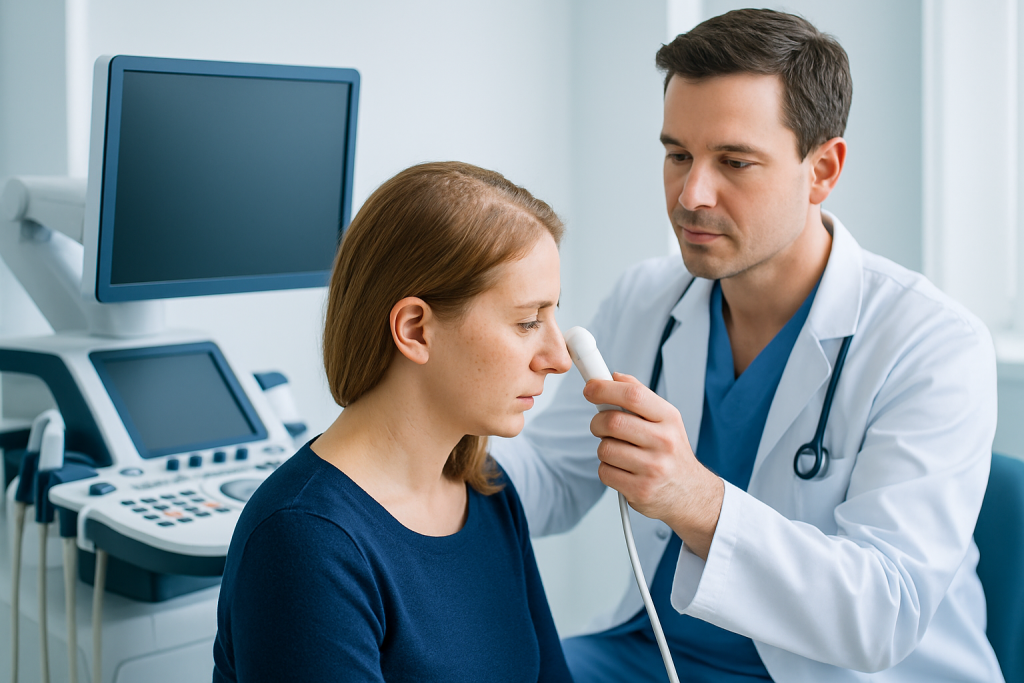
Scabs on the scalp may appear as dry crusts, flaky patches, or tender sores. They can be isolated or widespread, and they may come and go depending on the underlying cause. Some people also notice the skin underneath is red, sore, oily, or unusually dry.
Other symptoms often provide important clues. Itching is common with dandruff, eczema, and lice; pain or warmth may suggest infection; thick silvery scale can point toward psoriasis; and round patches with hair breakage may suggest a fungal infection. Scratching can turn any of these into open sores and crusting.
- Itching, burning, or tenderness
- Redness or swelling
- Flaking, scaling, or greasy buildup
- Oozing, crusting, or bleeding after scratching
- Patchy hair loss or broken hairs
If scabs keep returning in the same area, the scalp may be reacting to a chronic skin condition or a repeated trigger such as harsh products, tight hairstyles, or persistent scratching during sleep.
Causes & Risk Factors
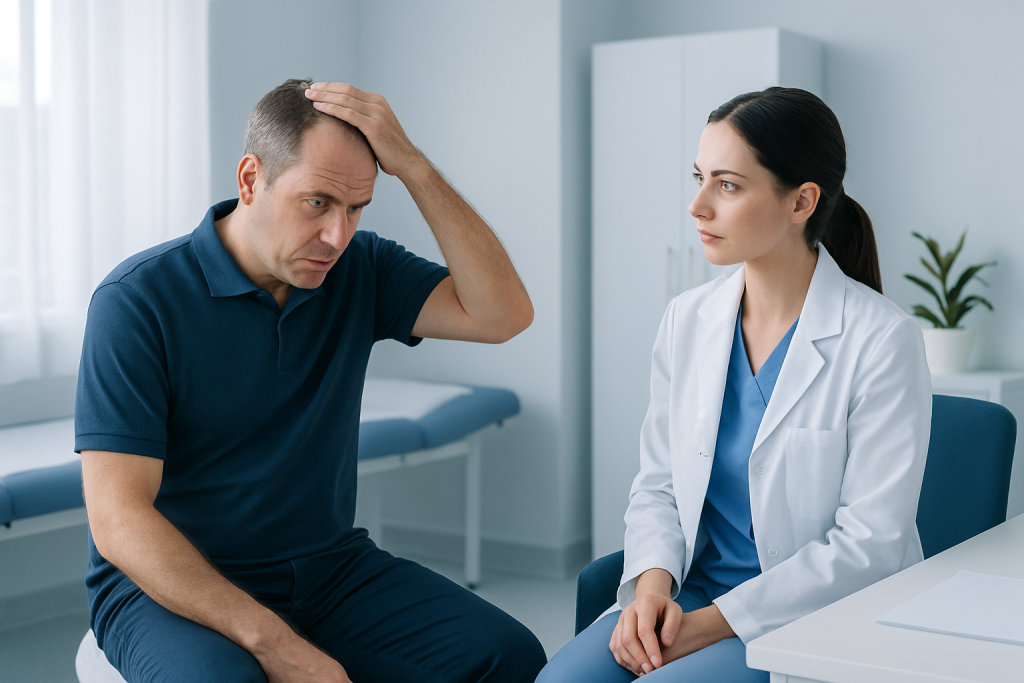
There are several common reasons scabs form on the scalp. One of the simplest is scratching. An itchy scalp from dryness, dandruff, or contact irritation can lead to small breaks in the skin, which then crust over as they heal. Even repeated brushing, picking, or aggressive shampooing can worsen the cycle.
Skin conditions are another major category. Seborrheic dermatitis often causes greasy flakes and irritation. Psoriasis can create thick, well-defined plaques. Eczema may make the scalp dry and sensitive. Folliculitis, which is inflammation of the hair follicles, can cause small pimple-like bumps that crust or scab.
Infections and infestations also matter. Fungal infections of the scalp can cause scaling, broken hairs, and crusted patches. Bacterial infections may follow scratching or an open wound. Head lice can lead to intense itching and secondary scabbing from repeated scratching. Less commonly, autoimmune or scarring conditions can affect the scalp and need prompt attention to protect hair follicles.
Risk is higher when the scalp is already stressed by frequent styling, chemical treatments, sweating under hats or helmets, tight braids or extensions, or a history of allergies or skin disease. In children, contagious causes such as lice and fungal infection are especially important to consider.
Diagnosis
Diagnosis usually begins with a careful look at the scalp and a conversation about symptoms. A clinician may ask when the problem started, whether it itches or hurts, whether hair is falling out, and what hair products, dyes, oils, or styles are used. That history often points toward the cause before any tests are needed.
During the exam, the doctor may look at the pattern of scabs, scaling, redness, pustules, or hair breakage. If infection is suspected, a skin scraping, swab, or fungal test may be ordered. In some cases, dermoscopy or a small biopsy is used to distinguish between inflammatory, infectious, and scarring conditions.
For people traveling from another country for evaluation, bringing photos of the scalp at its worst, a list of products used, and any previous treatment records can be helpful. Those details make it easier for the specialist to identify the pattern and choose the most appropriate next step.
Treatment Options
Treatment depends on the cause. If scabs are related to dandruff or seborrheic dermatitis, medicated shampoos may be recommended to reduce yeast, scale, and inflammation. For psoriasis or eczema, doctors may prescribe topical treatments that calm the immune response and soothe the skin. If there is a bacterial infection, targeted antimicrobial treatment may be needed; fungal infections require antifungal therapy.
When scratching has created the main problem, treatment focuses on breaking the itch-scratch cycle while the skin heals. That may include softer hair care, avoiding irritating products, and using prescribed anti-inflammatory or soothing treatments. If lice are present, treatment should address both the scalp and close contacts according to medical advice.
In more persistent cases, especially when there is hair loss, pus, severe pain, or repeated crusting, a dermatologist may adjust treatment after confirming the diagnosis. This is important because different scalp conditions can look similar at first glance but require very different care.
- Medicated shampoos for scale and inflammation
- Topical anti-inflammatory treatments
- Antibiotic or antifungal therapy when infection is confirmed
- Guidance on hair care practices and trigger avoidance
- Follow-up to ensure healing and protect hair follicles
Prevention & Self-care
Many cases improve when the scalp is treated gently. Using mild hair products, washing with lukewarm water, and avoiding harsh scrubbing can reduce irritation. It is also wise to pause new styling products, dyes, or treatments if the scabs began after a change in routine.
Hands-off care matters more than people often expect. Picking at scabs can reopen the skin and prolong healing. Keeping nails short, managing itch with clinician-approved treatments, and avoiding tight hairstyles can help protect the scalp while it recovers.
Other practical habits may also help: wash pillowcases regularly, avoid sharing combs or hair accessories if infection or lice is suspected, and pay attention to flare patterns after sweating, stress, or product use. For a person recovering after treatment abroad, following the clinician’s aftercare plan and arranging a local follow-up before travel home can make healing smoother.
When to See a Doctor
Medical evaluation is a good idea if scalp scabs last more than a couple of weeks, keep returning, or are linked with significant itching, pain, or hair loss. A doctor should also assess scabs that are spreading, oozing, crusting heavily, or forming pimples or sores. These features can indicate infection or another condition that benefits from treatment.
Prompt care is especially important if there is fever, swelling, tenderness, swollen lymph nodes, patchy bald spots, or a child with possible ringworm or lice. People with diabetes, immune system conditions, or a history of skin disease may also need earlier assessment.
Acibadem Health Point’s multidisciplinary specialists and JCI-accredited hospitals diagnose and treat scalp and hair conditions for international patients, with coordinated care that can support diagnosis, treatment, and follow-up planning.
Outlook and Recovery
For many people, scabs on the scalp heal well once the trigger is identified and treated. Simple irritation may settle quickly, while chronic skin conditions often need ongoing management to prevent new flares. The scalp can look slow to recover because hair hides the skin, but gradual improvement is usually visible with consistent care.
Hair usually grows back normally when the follicles are not damaged. If there has been long-standing inflammation, repeated infection, or scarring, a specialist may discuss whether any lasting hair changes are present. This is one reason it is helpful not to delay evaluation when symptoms are persistent or severe.
The most useful outlook is a practical one: treat the cause, protect the skin barrier, and monitor for change. With that approach, most people can expect comfort to improve and the scalp to heal more completely.
Frequently asked questions
01What causes scabs on the scalp most often?
The most common causes are scratching from an itchy scalp, dandruff or seborrheic dermatitis, eczema, psoriasis, folliculitis, lice, and fungal or bacterial infection. A clinician usually looks at the pattern of the scabs and any related symptoms to narrow down the cause.
02Are scabs on the scalp contagious?
The scabs themselves are not contagious, but the underlying cause sometimes can be. Lice and fungal infections can spread to other people, so they need proper diagnosis and treatment.
03Should scabs on the scalp be picked off?
No. Picking can reopen the skin, increase bleeding, and raise the chance of infection or scarring. It is better to let them heal and treat the cause of the irritation.
04Can dandruff cause scabs on the scalp?
Yes. Dandruff can make the scalp itchy, and repeated scratching may turn flaky areas into scabs. Medicated shampoo and gentle hair care often help, but persistent cases should be assessed.
05When do scalp scabs need medical attention?
They should be checked if they last more than a couple of weeks, spread, ooze, hurt, or come with hair loss. A doctor should also evaluate them if there is fever, swelling, or concern for infection.
06Will hair grow back after scalp scabs heal?
Often it does, especially when the scalp problem is treated early and the hair follicles are not damaged. If there has been severe inflammation or scarring, a dermatologist can explain what recovery to expect.
This article is for general information only and is not a substitute for professional medical advice. Please consult a qualified doctor about your individual situation.
Hair transplant in Turkey — costs, graft counts & a free assessment
JCI-accredited · board-certified surgeons · reply within 24h
Add us as a Preferred Source to see more of our trusted health content across Google Search, AI Overviews and Discover.