What Is Salah Hair Transplantation? A Complete Medical Guide

Key Takeaways
- The term may refer to a specific hair transplant method, so patients should confirm exactly what technique is being proposed.
- Most hair transplants redistribute healthy follicles from a donor area to thinning areas rather than creating new hair.
- Good candidates usually have stable hair loss, adequate donor hair, and realistic expectations.
- Recovery is gradual, and transplanted hairs often shed before new growth begins.
- A dermatologist or hair restoration surgeon can help determine whether surgical or non-surgical treatment is more appropriate.
Salah hair transplantation refers to a hair restoration approach associated with a named technique or surgeon-specific method, but the exact meaning should be clarified with a qualified specialist before treatment. Understanding the procedure, candidacy, recovery, and expected results helps patients make a safe, informed choice.
Overview
When people search for salah hair transplantation, they are often trying to understand a hair restoration option that may be linked to a particular surgeon, clinic, or named variation of hair transplant surgery. In practical terms, the first question is not the name itself, but what method is actually being offered—for example, follicular unit extraction (FUE), follicular unit transplantation (FUT), or another customized approach.
Hair transplantation is a surgical procedure that moves healthy hair follicles from one part of the scalp, usually the back or sides, to areas affected by thinning or baldness. The goal is to create a natural-looking distribution of hair that blends with existing growth. Because hair loss patterns, donor hair quality, and healing responses differ from person to person, the best plan is always individualized rather than formula-based.
For international patients, clarity matters. Before traveling for care, it is helpful to know which technique will be used, how many sessions may be needed, where follow-up will happen, and what recovery support is available after returning home. A careful consultation should answer these points in plain language.
What Does the Procedure Involve?
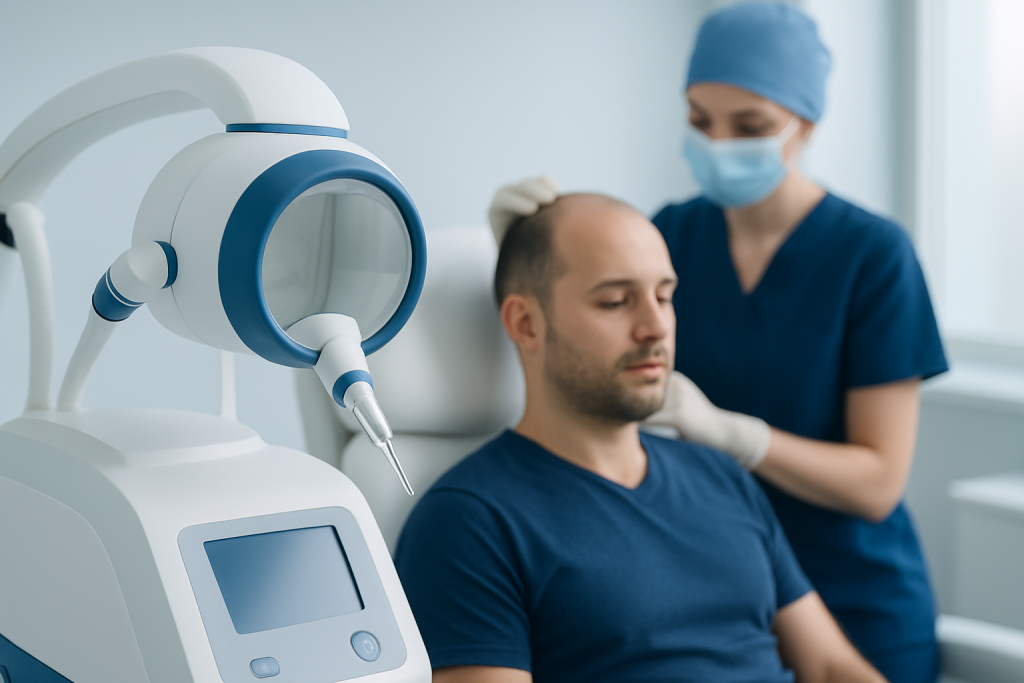
Hair transplantation typically begins with a consultation and scalp assessment. The clinician evaluates the pattern of hair loss, examines the donor area, and discusses goals such as restoring a hairline, increasing density, or addressing a specific thinning zone. Photographs and sometimes scalp measurements are used to plan the treatment.
During the procedure, hair follicles are harvested from the donor area and placed into tiny sites in the recipient area. In FUE, individual follicular units are removed one by one. In FUT, a narrow strip of scalp is taken and dissected into grafts under magnification. Both methods can be effective when performed well, but they differ in scarring pattern, recovery, and donor-area management.
The term “salah hair transplantation” may be used differently by different clinics, so patients should ask whether it refers to a surgeon’s personal technique, a marketing label, or a standard transplant method with a local adaptation. A trustworthy consultation explains the process clearly, without vague promises or one-size-fits-all claims.
Symptoms and Signs of Hair Loss That Lead People to Seek Treatment

People usually consider hair transplantation after noticing progressive thinning, a receding hairline, reduced density at the crown, or wider parting lines. Some also seek treatment after scarring, trauma, burns, or previous cosmetic procedures that altered the scalp appearance. In some cases, eyebrow or beard restoration is also discussed, but scalp hair remains the most common concern.
Hair loss can affect self-image, daily grooming, and confidence in professional or social settings. The emotional impact is real, but it is important not to rush into surgery before the cause of hair loss is understood. Some forms of shedding are temporary and may improve with medical treatment rather than surgery.
Common patterns that prompt evaluation include androgenetic alopecia, patchy hair loss that has stabilized, or thinning that has continued despite non-surgical measures. A specialist can determine whether the pattern is suitable for transplantation or whether another diagnosis needs attention first.
Causes and Risk Factors
The most common reason for hair transplantation is androgenetic alopecia, also called male-pattern or female-pattern hair loss. This condition gradually miniaturizes hair follicles in certain scalp areas while leaving donor follicles more resistant to thinning. Because transplanted hair is taken from more stable areas, it can often continue growing after relocation.
Not every person with hair loss is a candidate for surgery. Risk factors that affect suitability include diffuse thinning across the donor area, active scalp disease, uncontrolled medical conditions, unrealistic expectations, and a history of excessive scarring. Age, family history, pattern stability, and overall health also influence planning.
Other causes of hair loss can include stress-related shedding, nutritional deficiencies, autoimmune conditions, medications, hormonal changes, and infections. These should be identified because transplanting hair before the underlying cause is treated can lead to disappointing results. A proper diagnosis protects the patient from unnecessary surgery.
Diagnosis and Preoperative Evaluation
Diagnosis starts with a focused medical history and scalp examination. The clinician may ask when the hair loss began, whether it is progressing, whether there is itching or scaling, and whether any family members have similar patterns. Previous treatments, allergies, and general health conditions are also reviewed.
Depending on the case, the evaluation may include a hair pull test, dermoscopy, blood tests, or other assessments to rule out reversible causes of thinning. The doctor also estimates donor density and hair characteristics such as curl, caliber, and color contrast, because these affect how full the final result appears.
Before surgery, patients should understand the likely number of grafts, the expected coverage, the need for multiple sessions, and the limits of what surgery can achieve. Honest planning is especially important for people traveling from another country, since the itinerary should leave enough time for consultation, procedure, early recovery, and a safety check before departure.
Treatment Options
Hair restoration can be surgical, non-surgical, or a combination of both. Transplantation is generally considered when hair loss is stable and the patient has enough donor hair to support the desired change. The final choice depends on the extent of thinning, the quality of the donor area, and the patient’s goals.
Surgical options usually include FUE and FUT. FUE may suit patients who prefer smaller extraction sites and shorter visible healing in the donor area, while FUT may be appropriate when a larger number of grafts is needed in a single session. The surgeon’s skill and the suitability of the technique matter more than any slogan attached to the method.
Non-surgical support may include prescription hair-loss medicines, scalp-care guidance, camouflage products, or treatment of contributing conditions. These options do not replace transplantation when permanent restoration is needed, but they can help preserve existing hair and improve the overall cosmetic result. A balanced plan often combines surgery with medical management.
For some patients, staged treatment is the safest approach. This may mean restoring the front first, then reassessing the crown or additional thinning later. That pacing can preserve donor reserves and produce a more natural long-term outcome.
Recovery, Results, and Self-Care
After transplantation, the scalp usually needs gentle care for several days. Mild swelling, tenderness, crusting, or redness may occur and gradually settle. Patients are commonly advised to avoid rubbing the scalp, strenuous exercise, sun exposure, and activities that could dislodge grafts during the early healing phase.
Many people are surprised when transplanted hairs shed in the first weeks. This can be part of the normal cycle, not a sign that the procedure failed. New growth typically appears gradually over the following months, and the final cosmetic effect takes time to mature. Patience is a key part of recovery.
Long-term self-care includes following the surgeon’s instructions, attending review visits, and protecting both the transplanted area and the remaining native hair. A healthy routine, appropriate shampooing, and management of ongoing hair loss can help maintain the result. Patients who are traveling home should leave with clear written aftercare instructions and a contact plan for questions.
- Sleep as advised to reduce swelling and pressure on the grafts.
- Wash only when the clinic confirms it is safe to do so.
- Avoid smoking if possible, as it may affect healing.
- Keep follow-up appointments, even if recovery seems smooth.
When to See a Doctor
A doctor should evaluate hair loss before any surgical decision is made, especially if shedding is sudden, patchy, painful, or associated with scalp scaling or inflammation. These features can suggest a condition that needs medical treatment rather than transplantation. Early assessment can also prevent delays if a reversible cause is present.
Patients should also seek specialist advice if they have had a previous transplant with uneven growth, visible scarring, or persistent dissatisfaction. Revision surgery may sometimes be possible, but only after a detailed review of the scalp and donor supply. Not every concern is solved by adding more grafts.
For people considering treatment abroad, it is sensible to choose a center that offers clear diagnosis, surgical planning, and coordinated follow-up. At Acibadem Health Point, multidisciplinary specialists and JCI-accredited hospitals diagnose and treat hair loss conditions for international patients with coordinated care before and after the procedure.
Frequently asked questions
01What is salah hair transplantation?
The term is not a universally standardized medical name, so it should be clarified with the clinic or surgeon. In many searches, it refers to a hair transplantation method or a surgeon-associated approach to restoring hair density. Patients should ask which exact technique will be used and why it is recommended for their pattern of hair loss.
02Who is usually a good candidate for hair transplantation?
Good candidates generally have stable hair loss, a healthy donor area, and realistic expectations about density and coverage. A specialist also considers age, the cause of hair loss, scalp health, and whether non-surgical treatment should be tried first. The best candidate is not simply someone with thinning hair, but someone whose condition is well understood and suitable for surgery.
03Is hair transplant surgery painful?
Most procedures are done with local anesthesia, so the operation is usually tolerated well. Some soreness, tightness, or tenderness can happen afterward, but this is generally temporary and manageable with standard aftercare. The exact experience depends on the technique used and the individual’s healing response.
04How long does it take to see results?
Results appear gradually because transplanted hairs often shed before new growth begins. Early changes may be visible over several months, with the cosmetic effect continuing to improve as the hair matures. The timeline varies from person to person, so patients should ask their surgeon what to expect in their specific case.
05Will the transplanted hair fall out again?
Transplanted follicles are usually taken from areas that are more resistant to pattern hair loss, so they often continue to grow in the new location. However, the surrounding native hair may keep thinning over time. That is why some patients need ongoing medical treatment or future planning to maintain a balanced look.
06Can someone travel home soon after the procedure?
Many international patients can travel after an appropriate early recovery period, but the timing depends on the procedure and the surgeon’s advice. It is important to allow enough time for the first follow-up and to leave with written instructions and a contact plan. A rushed return can make aftercare harder and may affect healing comfort.
This article is for general information only and is not a substitute for professional medical advice. Please consult a qualified doctor about your individual situation.
Hair transplant in Turkey — costs, graft counts & a free assessment
JCI-accredited · board-certified surgeons · reply within 24h
Add us as a Preferred Source to see more of our trusted health content across Google Search, AI Overviews and Discover.