What Is Renal Stage 2? A Complete Medical Guide

Key Takeaways
- Renal stage 2 usually refers to mild chronic kidney disease, often with an eGFR between 60 and 89 plus evidence of kidney damage.
- Symptoms may be absent or subtle, so blood and urine tests are often the main way it is found.
- High blood pressure, diabetes, and certain kidney conditions are common causes and risk factors.
- Treatment focuses on slowing progression by controlling blood pressure, blood sugar, and other risks.
- Lifestyle choices, regular monitoring, and medication review can help protect kidney function.
- A doctor should be consulted promptly if there is swelling, blood in the urine, worsening blood pressure, or a sudden change in kidney tests.
Renal stage 2 is an early stage of chronic kidney disease in which kidney function is only mildly reduced, or may still appear near normal, while signs of kidney damage are present. Many people do not notice symptoms at this stage, which is why routine testing and follow-up matter.
Overview
Renal stage 2 is an early form of chronic kidney disease, often called stage 2 CKD. In practical terms, it means the kidneys are showing signs of damage, but their filtering ability is only mildly reduced and may still look close to normal on routine testing.
This stage is important because it can be a warning sign long before a person feels unwell. For many patients, the condition is discovered during evaluation for high blood pressure, diabetes, a urine abnormality, or a family history of kidney disease. At this point, the main goal is not to panic; it is to identify the cause early and protect kidney function for the long term.
For international patients, stage 2 kidney disease is often part of a broader workup rather than a single diagnosis. A kidney specialist may review past labs, repeat blood and urine tests, and check whether the finding is stable, temporary, or part of a pattern that needs treatment and monitoring.
Symptoms
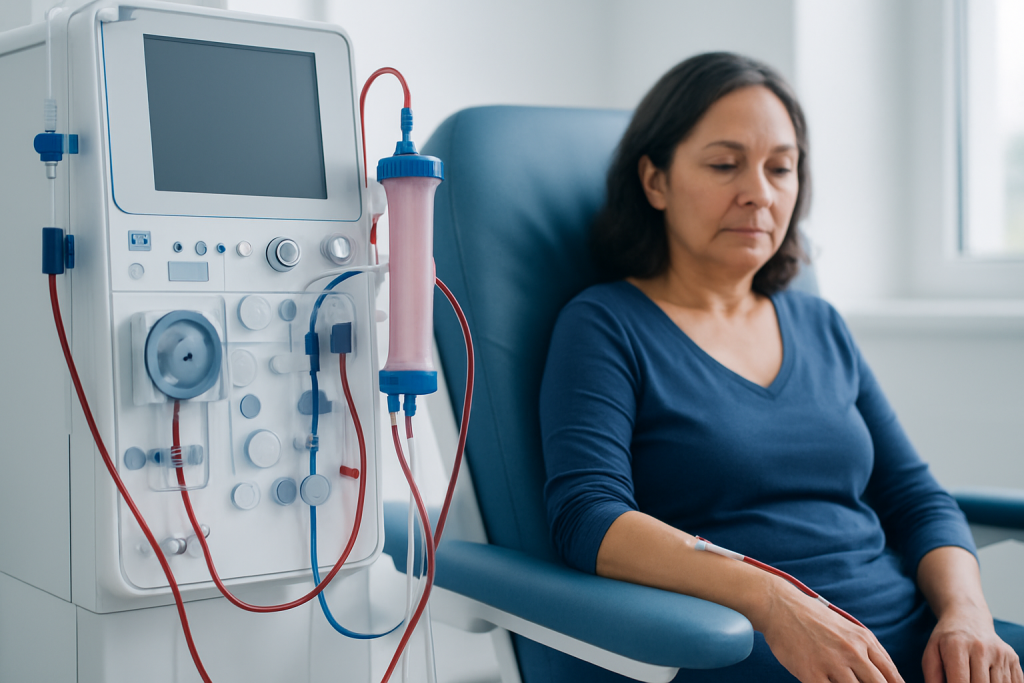
Stage 2 kidney disease often causes no obvious symptoms. That is one reason it can go unnoticed until a lab test raises concern. When symptoms do appear, they are usually mild and nonspecific rather than dramatic.
Possible signs may include tiredness, foamy urine, changes in urination patterns, mild swelling in the ankles, or higher blood pressure that is harder to control. These symptoms do not confirm kidney disease on their own, because they can also occur with many other conditions.
- Fatigue or reduced stamina
- Swelling in the feet, ankles, or around the eyes
- Urine that appears frothy or unusually dark
- Needing to urinate more often, especially at night
- Blood pressure that is newly elevated or difficult to manage
Because the symptoms can be subtle, people at higher risk should not wait for discomfort before asking about kidney tests. Routine follow-up is often the safest way to detect changes early.
Causes & Risk Factors
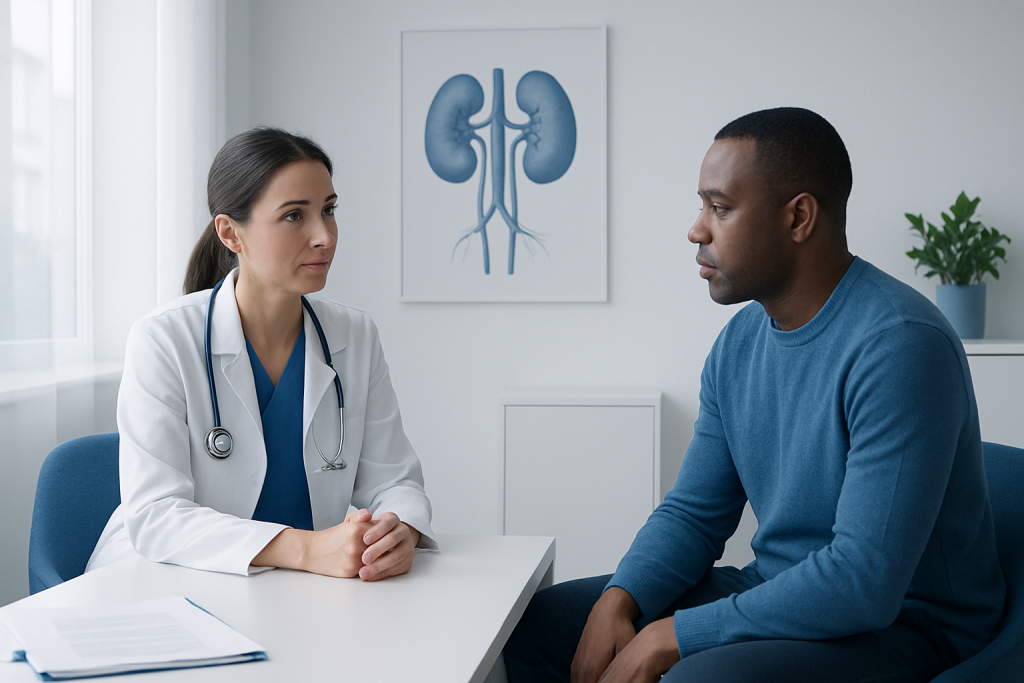
Renal stage 2 is not a disease by itself; it is a stage that reflects reduced kidney health from an underlying cause. The most common causes are long-standing diabetes and high blood pressure, both of which can gradually injure the small blood vessels in the kidneys.
Other causes may include inherited kidney conditions, autoimmune diseases, urinary tract obstruction, recurrent kidney infections, certain medications, and past episodes of acute kidney injury. In some people, stage 2 CKD is linked to age-related decline combined with another kidney stressor.
Risk is higher in people who have diabetes, hypertension, cardiovascular disease, a family history of kidney disease, obesity, smoking exposure, or a history of kidney stones, protein in the urine, or reduced kidney function in the past. Some patients learn about the condition only after an unrelated checkup because kidney damage can progress quietly for years.
Diagnosis
Diagnosis usually starts with two basic questions: how well are the kidneys filtering, and is there evidence of kidney damage? Blood tests typically measure creatinine and estimate glomerular filtration rate, or eGFR, while urine tests look for protein, blood, or other abnormalities.
Renal stage 2 is commonly defined by an eGFR in the 60 to 89 range together with signs of kidney damage such as persistent protein in the urine or structural changes seen on imaging. A single result is rarely enough to confirm a chronic condition, so doctors often repeat testing over time to make sure the change is persistent.
Depending on the situation, a clinician may also order urine albumin testing, kidney ultrasound, blood pressure assessment, diabetes screening, immune tests, or medication review. For patients traveling for care, bringing previous lab reports, imaging studies, and a current medication list can save time and help the specialist build a clearer picture.
Treatment Options
Treatment for renal stage 2 focuses on slowing progression, reducing complications, and addressing the cause. There is no one-size-fits-all plan, because care depends on whether the main issue is diabetes, hypertension, an inflammatory condition, or another kidney problem.
Blood pressure control is often central. Doctors may choose medicines that protect the kidneys, monitor urine protein, and adjust treatment if blood pressure targets are not being met. If diabetes is present, blood sugar control is equally important, since ongoing high glucose can damage kidney tissue over time.
A treatment plan may also include changes to medications that can affect the kidneys, such as avoiding unnecessary nonsteroidal anti-inflammatory drugs or reviewing supplements that may be harmful in certain settings. In some cases, a nephrologist may recommend additional testing or close follow-up every few months to track kidney function, urine findings, and cardiovascular risk.
When stage 2 kidney disease is detected during an international medical evaluation, coordination matters. Multidisciplinary teams can connect nephrology, endocrinology, cardiology, and nutrition support so the patient returns home with a clear, practical plan for ongoing monitoring.
Prevention & Self-care
Self-care in early kidney disease is mainly about reducing stress on the kidneys and supporting the conditions that protect them. The details vary from person to person, but the overall approach is usually straightforward and sustainable.
Common recommendations include following a kidney-friendly eating pattern as advised by a clinician, limiting excess salt, staying physically active as tolerated, maintaining a healthy weight, and keeping blood pressure and blood sugar under regular control. Smoking cessation is also important, since smoking can worsen blood vessel damage throughout the body, including the kidneys.
It is also wise to use over-the-counter pain relievers thoughtfully and to ask before starting herbal products or supplements. People who travel for treatment should leave with written instructions about laboratory follow-up, medication changes, and which symptoms should trigger an earlier review at home.
- Monitor blood pressure regularly if advised
- Keep follow-up appointments even when feeling well
- Stay hydrated in a sensible, individualized way
- Limit salt and ultraprocessed foods when appropriate
- Discuss all medicines and supplements with a doctor
When to See a Doctor
A medical review is important if kidney tests are abnormal, if there is a family history of kidney disease, or if a person has diabetes or high blood pressure and has not had recent kidney screening. Early evaluation can determine whether renal stage 2 is stable, reversible, or part of a process that needs treatment now.
Prompt attention is especially important if swelling increases, urine becomes bloody, blood pressure rises suddenly, urine output changes noticeably, or there is a rapid decline in kidney test results. These findings do not always mean serious damage, but they do deserve timely assessment.
For patients considering care abroad, it can be helpful to seek a center that can coordinate diagnosis, imaging, lab work, and follow-up planning in one pathway. Acibadem Health Point’s multidisciplinary specialists and JCI-accredited hospitals diagnose and treat kidney conditions for international patients, with attention to continuity of care after travel.
Living With Renal Stage 2
Many people with stage 2 chronic kidney disease live active, full lives. The most useful mindset is usually one of steady monitoring rather than crisis thinking. When the underlying cause is treated and risk factors are controlled, kidney function may remain stable for a long time.
Understanding the numbers on a lab report can make follow-up less stressful. Patients often benefit from knowing their eGFR trend, urine protein status, blood pressure targets, and any medication changes that are being used to protect kidney health. These details help turn a vague label into a workable care plan.
If the diagnosis is made during travel, patients should leave with a clear explanation of what was found, what still needs monitoring, and which doctor will oversee care back home. A good plan is specific, practical, and easy to share with the next clinician.
Frequently asked questions
01What does renal stage 2 mean?
Renal stage 2 usually refers to early chronic kidney disease with mild reduction in kidney function or near-normal function plus evidence of kidney damage. It is an important stage because problems can often be slowed when found early. Many people have no symptoms at this point.
02Is stage 2 kidney disease serious?
It is a real medical condition, but it is often considered an early stage rather than advanced kidney failure. The main concern is whether the underlying cause is controlled and whether kidney function stays stable over time. Regular follow-up helps reduce the chance of progression.
03Can stage 2 kidney disease be reversed?
Sometimes the underlying cause can be treated or improved, and kidney tests may stabilize. However, chronic kidney disease itself is often managed rather than fully reversed. A doctor can explain whether the change is temporary, stable, or progressive.
04What tests are used to diagnose renal stage 2?
Doctors usually use blood tests for creatinine and eGFR, urine tests for protein or blood, and sometimes imaging such as ultrasound. Repeat testing is often needed to confirm that the finding is persistent. Other tests may be added depending on the suspected cause.
05What should a person with stage 2 kidney disease avoid?
People are often advised to avoid unnecessary kidney-stressing medications, especially frequent over-the-counter pain relievers unless a doctor says they are safe. It is also sensible to avoid smoking and to be cautious with supplements or herbal products. The exact advice depends on the individual situation.
06How often should kidney function be checked?
The follow-up schedule depends on the cause, test results, and other health conditions such as diabetes or high blood pressure. Some people need checks every few months, while others need less frequent monitoring. A clinician should set the schedule based on risk.
This article is for general information only and is not a substitute for professional medical advice. Please consult a qualified doctor about your individual situation.
Explore treatments in Turkey — costs, top hospitals & a free quote
JCI-accredited · board-certified surgeons · reply within 24h
Add us as a Preferred Source to see more of our trusted health content across Google Search, AI Overviews and Discover.