What Is Puppp Rash? A Complete Medical Guide

Key Takeaways
- PUPPP rash usually starts in stretch marks on the abdomen and can spread to the thighs, buttocks, or arms.
- It is a pregnancy-related skin condition that is uncomfortable but typically not dangerous.
- Doctors diagnose it by examining the rash and ruling out other pregnancy skin conditions.
- Treatment focuses on relieving itching and protecting the skin until the rash resolves.
- Anyone with a rapidly spreading rash, severe itching, or uncertainty about the cause should be medically evaluated.
PUPPP rash is a common, very itchy pregnancy-related skin eruption that usually appears in the third trimester and typically clears after delivery. Although it can feel intense and unsettling, it is generally harmless to the baby and can often be managed with supportive care and medical guidance.
Overview
PUPPP rash is the common name for pruritic urticarial papules and plaques of pregnancy, a mouthful that describes an itchy, raised pregnancy rash. It most often appears in the late second or third trimester, usually begins on stretch marks of the abdomen, and may spread to nearby areas such as the thighs, buttocks, or breasts.
For many pregnant people, the first concern is whether the rash signals a problem with the baby or the pregnancy itself. In most cases, PUPPP rash is uncomfortable for the person carrying the pregnancy but does not harm the fetus. The main challenge is quality of life: itching can disrupt sleep, make clothing feel irritating, and create understandable anxiety while waiting for the baby to arrive.
Because several pregnancy-related skin conditions can look similar, a clinician should confirm the cause rather than assuming it is PUPPP. A careful history and physical examination usually provide the answer, and the next steps depend on the severity of itching, the extent of the rash, and whether there are any warning signs that point to a different diagnosis.
Symptoms
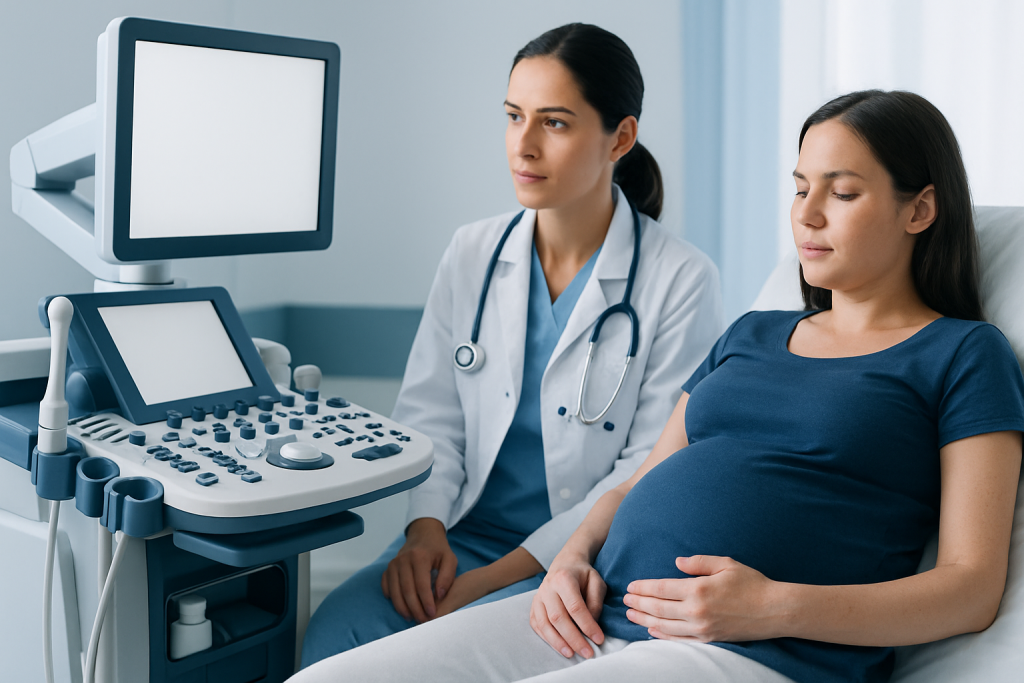
PUPPP rash usually starts as small, red, itchy bumps that may merge into larger raised plaques. The rash often first appears within the stretch marks on the abdomen, with the belly button commonly spared. From there, it can spread to the hips, buttocks, upper thighs, and sometimes the arms or legs.
Itching is often the most troublesome symptom. Some people notice the itch before they clearly see the rash, and scratching can make the skin feel more inflamed or tender. The rash may look different from person to person, but the overall pattern during pregnancy is often distinctive enough to guide a diagnosis.
Typical features may include:
- Itchy red papules or plaques
- Rash starting in abdominal stretch marks
- Spread to thighs, buttocks, or trunk
- General discomfort that may worsen at night
- No fever or systemic illness in many cases
Because severe itching in pregnancy can also occur with other conditions, symptoms that seem “close enough” to PUPPP still deserve medical review, especially if the rash appears unusual, widespread, or associated with blisters, jaundice, or new medication use.
Causes & Risk Factors
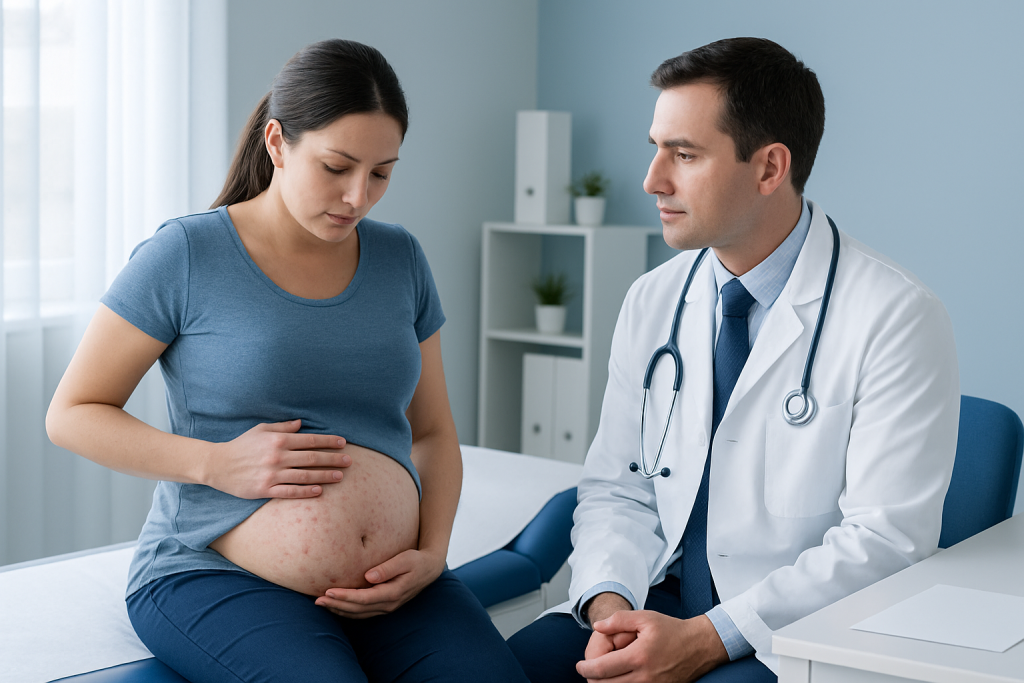
The exact cause of PUPPP rash is not fully understood. Researchers believe several pregnancy-related factors may contribute, including skin stretching, changes in the immune system, and reactions involving connective tissue in the abdominal skin. It is not caused by poor hygiene, and it is not known to be contagious.
PUPPP rash appears more often in first pregnancies, and it is also seen more frequently when the abdomen stretches rapidly. Multiple pregnancies, such as twins or triplets, may increase the likelihood because the skin is placed under greater stretch. Some studies also suggest a link with significant weight gain during pregnancy, although not every person with these factors will develop the rash.
Risk factors may include:
- First pregnancy
- Multiple gestation
- Rapid or significant abdominal stretching
- Large stretch marks
- Family or personal tendency toward pregnancy skin sensitivity, though this is less clearly defined
It helps to remember that a risk factor is not a cause in itself. Many people with the same pregnancy features never develop PUPPP, while others with no obvious risk factors do.
Diagnosis
Diagnosis is usually clinical, meaning a doctor identifies PUPPP rash by looking at the skin and asking targeted questions about timing, location, pregnancy stage, and associated symptoms. The pattern of itching in stretch marks, especially when the belly button is spared, can be a useful clue.
Because other pregnancy-related conditions can resemble PUPPP, clinicians may ask about itching on the palms and soles, dark urine, pale stools, blisters, fever, new medications, or liver-related symptoms. If the presentation is not classic, additional tests may be used to rule out conditions such as cholestasis of pregnancy, pemphigoid gestationis, eczema, or allergic contact dermatitis.
Depending on the findings, a doctor may recommend:
- Skin examination and pregnancy history review
- Blood tests if another condition is suspected
- Occasionally a skin biopsy if the diagnosis is uncertain
For patients who are traveling for care, clear documentation, photographs of the rash, and a timeline of symptom onset can be especially helpful. These details can make a second opinion or specialist review more efficient.
Treatment Options
Treatment for PUPPP rash aims to calm itching, reduce inflammation, and help the person sleep and function more comfortably until the rash fades on its own. In many cases, the symptoms can be managed with conservative measures and short-term prescription treatment if needed.
Common approaches include soothing skin care, cool compresses, mild topical corticosteroids prescribed by a doctor, and oral antihistamines that are considered appropriate during pregnancy when recommended by a clinician. More persistent or severe cases may require stronger prescription anti-inflammatory treatment under medical supervision. The right option depends on pregnancy stage, symptom severity, and the overall health picture.
Supportive measures often help alongside medication:
- Using fragrance-free moisturizers
- Taking lukewarm rather than hot showers
- Wearing loose, breathable clothing
- Avoiding harsh soaps or exfoliants
- Keeping nails short to reduce skin damage from scratching
PUPPP rash generally resolves after delivery, though symptoms may linger briefly in the postpartum period. Because treatment choices in pregnancy should be individualized, people should not start over-the-counter or prescription products without checking with a qualified clinician.
Prevention & Self-care
There is no guaranteed way to prevent PUPPP rash. Still, gentle skin care may make the skin less reactive and can lower day-to-day discomfort if the rash does appear. Prevention is especially important for international patients who may be balancing a pregnancy journey across different time zones, climates, and care settings.
Self-care focuses on comfort and avoiding triggers that worsen itching. Keeping the skin cool and hydrated often helps more than trying to “treat” the rash aggressively at home. Since pregnancy skin can be unusually sensitive, simplicity is usually better than layering multiple products.
Practical self-care steps include:
- Applying bland, fragrance-free moisturizers regularly
- Using cool compresses during itch flares
- Choosing loose cotton clothing
- Staying well hydrated
- Avoiding long, hot baths or showers
- Using a doctor-approved anti-itch treatment if advised
If a pregnant person is planning to travel for medical evaluation or to give birth abroad, bringing a list of current skin products and medications can help the care team advise on pregnancy-safe options more quickly. At Acibadem Health Point, multidisciplinary specialists and JCI-accredited hospitals diagnose and treat pregnancy-related skin conditions for international patients in a coordinated way.
When to See a Doctor
Medical evaluation is important whenever a pregnancy rash is new, spreading, or causing significant discomfort. Even when PUPPP rash is suspected, a clinician should confirm the diagnosis because some other causes of itching in pregnancy need different follow-up and treatment.
Prompt review is especially important if itching is intense, the rash has blisters, symptoms involve the palms or soles, or there are signs such as yellowing of the skin or eyes, dark urine, pale stools, fever, or generally feeling unwell. These symptoms do not automatically mean something serious, but they do justify timely assessment.
It is also sensible to seek care if home measures are not helping, sleep is being repeatedly disrupted, or the rash seems to change quickly. For patients already under obstetric care, a quick message to the maternity team can be the fastest way to decide whether an in-person visit is needed.
Frequently asked questions
01What is PUPPP rash in pregnancy?
PUPPP rash is an itchy skin eruption that usually appears in late pregnancy, often starting in abdominal stretch marks. It is uncomfortable, but it is generally not harmful to the baby.
02Where does PUPPP rash usually start?
It most often begins on the abdomen, especially within stretch marks. The belly button is often spared, and the rash may later spread to the thighs, buttocks, or arms.
03How is PUPPP rash different from cholestasis of pregnancy?
PUPPP rash causes a visible skin eruption, while cholestasis of pregnancy often causes itching without a primary rash and may involve the palms and soles. A doctor may order tests if the symptoms are not clearly typical for PUPPP.
04Does PUPPP rash affect the baby?
PUPPP rash is usually considered a maternal skin condition and does not typically affect the baby. The main concern is the pregnant person's comfort and making sure the diagnosis is correct.
05How long does PUPPP rash last?
It commonly improves after delivery and resolves over time. Some people notice improvement before birth, while others need symptom relief until the rash naturally settles.
06Can PUPPP rash come back in later pregnancies?
It can recur, but recurrence is not guaranteed. A doctor can discuss the person's history and help plan symptom management if another pregnancy is planned.
This article is for general information only and is not a substitute for professional medical advice. Please consult a qualified doctor about your individual situation.
Explore treatments in Turkey — costs, top hospitals & a free quote
JCI-accredited · board-certified surgeons · reply within 24h
Add us as a Preferred Source to see more of our trusted health content across Google Search, AI Overviews and Discover.