What Is Pumping in Stomach? A Complete Medical Guide

Key Takeaways
- A pumping sensation in the stomach is often caused by normal muscle movement, gas, or digestive activity.
- Stress, caffeine, exercise, and some digestive conditions can make the sensation more noticeable.
- A strong, persistent, or painful abdominal pulsation should be checked by a doctor, especially if it is new.
- Doctors may use a physical exam and imaging tests if a vascular or other abdominal cause is suspected.
- Simple self-care steps may help when the cause is mild, but ongoing symptoms should not be ignored.
“Pumping in stomach” usually describes a fluttering, throbbing, or pulsating sensation in the abdomen. It can be harmless and temporary, but it can also reflect digestive issues, muscle movement, or, less commonly, a circulation-related concern that deserves medical attention.
Overview
“Pumping in stomach” is a common way people describe a moving, fluttering, throbbing, or pulsing feeling somewhere in the abdomen. In many cases, it is related to the natural motion of the digestive tract, abdominal muscles, or even awareness of the pulse in the body’s largest artery. The sensation can feel strange, but it is not always a sign of illness.
Because the abdomen contains the stomach, intestines, major blood vessels, and muscle layers, several different processes can be felt there. Some people notice the sensation after eating, during stress, or while lying down quietly. Others notice it during exercise or after drinking coffee. The key question is whether the feeling is short-lived and mild, or persistent, painful, or accompanied by other symptoms.
For international patients trying to decide whether to travel for care, it is helpful to think of this symptom as a clue rather than a diagnosis. A careful history, an exam, and sometimes imaging can separate a routine digestive issue from something that needs prompt treatment.
Symptoms
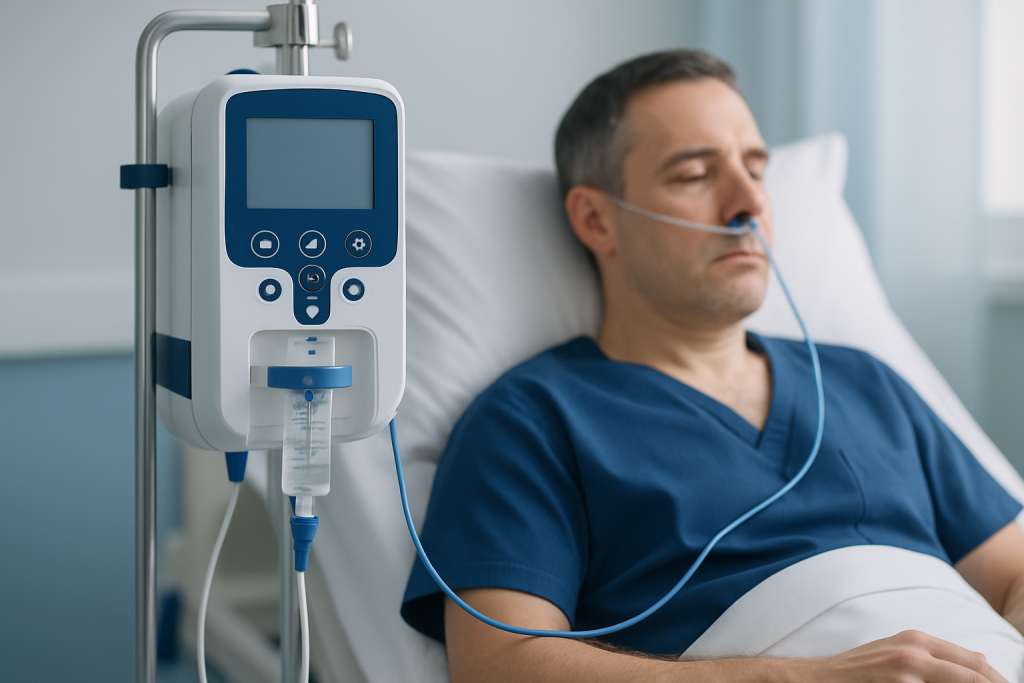
People use different words for the same sensation. One person may say the stomach is “pumping,” another may describe “fluttering,” “bubbling,” “thumping,” or “pulsing.” The feeling may come and go, or it may be present for minutes to hours. It may seem stronger when the person is resting, anxious, hungry, or lying on the back.
When the cause is digestive, the pumping sensation may be paired with bloating, gas, mild cramping, belching, or a feeling of movement after meals. If the abdominal wall muscles are twitching, the sensation may appear as brief rhythmic jolts under the skin. When the abdominal pulse is being felt, the rhythm may seem synchronized with the heartbeat.
Some associated symptoms deserve closer attention because they can point to a more significant issue. These include ongoing abdominal pain, a visibly pulsating mass, dizziness, fainting, vomiting, black stools, unintentional weight loss, fever, or a rapid change in bowel habits. The combination of symptoms matters more than the sensation alone.
Causes and Risk Factors

Most causes of pumping in the stomach are benign. Common explanations include intestinal gas, normal bowel movement, muscle twitching, or increased awareness of the abdominal aorta when a person is thin or lying flat. Stress and anxiety can also make the body’s normal rhythms feel more pronounced, especially in quiet settings.
Digestive conditions may contribute as well. Indigestion, constipation, irritable bowel syndrome, and food intolerances can all create a sense of movement or pressure in the abdomen. Caffeine, nicotine, and some energy drinks may intensify gut activity or muscle tension in sensitive individuals.
Less commonly, a pulsating sensation may be linked to an enlarged abdominal aorta or another vascular issue. Risk is higher in older adults, people who smoke, those with high blood pressure, and people with a family history of aneurysm. Recent abdominal trauma, pregnancy, and certain medications can also change how abdominal sensations are perceived.
Diagnosis
Diagnosis begins with a detailed conversation about what the sensation feels like, where it is located, when it started, and what makes it better or worse. A doctor will also ask about bowel habits, diet, stress, medications, and any recent illness or injury. This history often provides the first strong clue.
A physical examination may include checking the abdomen for tenderness, masses, distension, bowel sounds, and visible or palpable pulsation. If the symptom seems clearly related to digestion or muscle activity and there are no warning signs, further testing may not be necessary right away. If the cause is unclear, doctors may order blood tests or imaging.
Ultrasound, CT scan, or other imaging may be used if a vascular cause is being considered or if the doctor needs a closer look at the abdominal organs. The choice of test depends on the person’s age, symptoms, exam findings, and medical history. For patients traveling from abroad, bringing prior imaging reports, medication lists, and symptom notes can make the evaluation more efficient.
Treatment Options
Treatment depends entirely on the cause. If the sensation is due to gas, constipation, or a functional digestive issue, care may focus on diet changes, hydration, regular physical activity, and managing triggers. If stress is contributing, calming the nervous system may reduce the intensity of the symptom over time.
When a specific digestive condition is identified, treatment targets that condition. For example, constipation may improve with bowel-regulating measures, while indigestion may respond to meal-pattern changes and other doctor-guided therapies. A clinician may also review medications and supplements, since some can affect the stomach and intestines.
If the problem is related to a vascular condition or another structural abdominal issue, management may require more urgent, specialized treatment. That is why persistent or clearly pulsing sensations should not be self-diagnosed. The goal is to identify the source early, then choose the least invasive and most appropriate care.
Prevention and Self-care
Not every episode can be prevented, but many mild cases improve with practical habits. Eating smaller meals, avoiding excessive caffeine, staying hydrated, and keeping bowel movements regular can reduce the kind of abdominal movement that people interpret as pumping. Gentle walking after meals may also help some people feel less bloated.
It can be useful to notice patterns. A symptom diary that tracks food, stress, sleep, exercise, and bowel habits may reveal a trigger. People who notice the sensation mostly when anxious may benefit from slow breathing, relaxation routines, or stress-management support. Those who smoke should know that quitting can lower several long-term abdominal and vascular risks.
- Eat slowly and avoid very large meals.
- Limit known gas-producing triggers if they clearly worsen symptoms.
- Stay active with routine movement, as tolerated.
- Monitor blood pressure if recommended by a doctor.
- Seek follow-up if the sensation becomes frequent or changes character.
When to See a Doctor
Medical review is sensible when the symptom is new, persistent, or difficult to explain. A doctor should also evaluate the problem if it is associated with pain, a hard or visibly pulsating abdomen, vomiting, blood in the stool, black stools, fever, fainting, or unexplained weight loss. Even if the sensation seems mild, a change from the person’s usual pattern deserves attention.
Urgent care is especially important if the pumping feeling comes with sudden severe abdominal or back pain, lightheadedness, or signs of shock. These are not common, but they need immediate assessment. In less urgent situations, an outpatient appointment is usually enough to sort out the cause and plan the next step.
For patients who are considering travel for treatment, it is reasonable to seek a center that can coordinate digestive and vascular evaluation in one place. Acibadem Health Point’s multidisciplinary specialists and JCI-accredited hospitals diagnose and treat abdominal concerns for international patients with coordinated, evidence-based care. The aim is careful evaluation, clear communication, and a treatment plan that fits the person’s diagnosis and overall health.
Living with the Symptom While Awaiting Evaluation
Until the cause is known, the safest approach is to observe the symptom without over-interpreting it. Keeping track of timing, location, and associated signs can help the doctor distinguish between harmless digestive activity and a problem that needs treatment. If the sensation happens only after a specific food or during stress, that detail is worth recording.
People often feel more unsettled when the symptom is hard to describe. It can help to think in practical terms: Is it rhythmic like a pulse, irregular like bubbling, or brief like a muscle twitch? This description is more useful to a clinician than a general sense that “something is moving” in the stomach. Clear notes can make a follow-up visit much more productive, especially for patients coming from another country with limited time.
Most importantly, self-care should not replace medical assessment when warning signs are present. A measured, informed approach is usually enough to turn an unsettling sensation into a manageable diagnosis.
Frequently asked questions
01What does pumping in the stomach usually mean?
It usually describes a fluttering, throbbing, or pulsing feeling in the abdomen. In many cases, it comes from normal digestive movement, gas, muscle twitching, or awareness of the abdominal pulse. The meaning depends on the pattern, location, and any other symptoms present.
02Is a pumping feeling in the stomach always serious?
No, it is often harmless and temporary. However, if the sensation is persistent, painful, or linked with a visible pulsation, dizziness, or sudden abdominal pain, it should be evaluated by a doctor. New or changing symptoms deserve special attention.
03Can stress cause pumping in the stomach?
Yes, stress can make normal body sensations feel stronger and may increase gut activity or abdominal muscle tension. Some people notice the symptom more during anxiety, after poor sleep, or when they are resting quietly. Stress reduction may help when no other medical cause is found.
04Could pumping in the stomach be related to gas or bloating?
Yes, gas and bloating are common reasons people feel movement or pressure in the abdomen. The intestines are active all the time, and trapped gas can make that activity more noticeable. If symptoms are frequent, a doctor can help identify food triggers or digestive conditions.
05How do doctors check for the cause?
They usually start with a history and physical examination, then decide whether tests are needed. If a vascular or structural cause is suspected, imaging such as ultrasound or CT may be recommended. The exact approach depends on the person’s symptoms and overall risk factors.
06When should someone seek urgent care?
Urgent care is important if the symptom is accompanied by sudden severe abdominal or back pain, fainting, vomiting, black stools, or a rapidly enlarging/pulsating abdomen. These signs can indicate a serious problem that should not wait. If in doubt, it is safer to seek prompt medical assessment.
This article is for general information only and is not a substitute for professional medical advice. Please consult a qualified doctor about your individual situation.
Persistent digestive symptoms? Get evaluated in Turkey
JCI-accredited · board-certified surgeons · reply within 24h
Add us as a Preferred Source to see more of our trusted health content across Google Search, AI Overviews and Discover.