

What Is Physiatry? Conditions Treated and What to Expect
- 9 min read
- Published November 29, 2026
Key Takeaways
- Physiatry centers on function, mobility, pain control, and independence rather than only treating a disease or injury.
- A physiatrist evaluates how an injury or medical condition affects daily activities and builds a rehabilitation plan around those needs.
- Care may include exercise therapy, physical therapy, occupational therapy, injections, braces, assistive devices, and education.
- Physiatry is often helpful after stroke, spinal cord injury, joint problems, nerve conditions, sports injuries, and orthopedic surgery.
- Recovery is usually most effective when the person follows a consistent home program and attends regular follow-up visits.
Physiatry, also called Physical Therapy" class="ahp-ilk">physical medicine and rehabilitation, focuses on helping people regain function, reduce pain, and improve independence after illness, injury, or surgery. It is a practical, goal-based field that often coordinates therapy, exercise, assistive devices, and long-term recovery planning.
Overview
Physiatry is a branch of medicine that looks at a simple but important question: how can a person move, work, and live as fully as possible after illness or injury? Rather than focusing only on one scan result, one joint, or one muscle, a physiatrist studies how the whole body is functioning in daily life.
This specialty is also known as physical medicine and rehabilitation. It is often involved when recovery is not just about healing tissue, but about rebuilding strength, coordination, balance, endurance, and confidence. That can matter after a stroke, a sports injury, a spinal problem, amputation, nerve injury, joint replacement, or a long medical stay.
For international patients, physiatry can be especially useful because rehabilitation plans can be organized around travel schedules, home exercises, and remote follow-up. The goal is not only medical improvement in the hospital, but a smoother return to everyday life in another country, workplace, or family setting.
Symptoms and Everyday Problems It Helps
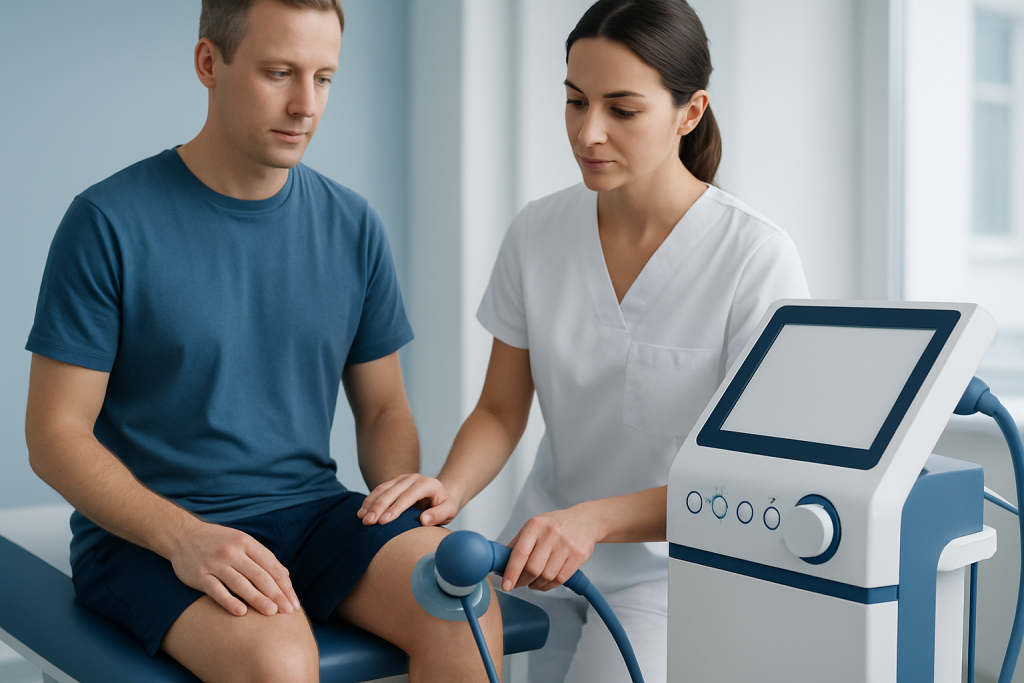
People usually do not seek physiatry for a single symptom alone. They come because an injury or condition is interfering with ordinary tasks such as walking, climbing stairs, dressing, writing, lifting, driving, or sleeping comfortably. Pain is common, but so are stiffness, weakness, poor balance, fatigue, and loss of coordination.
Some people notice that they can no longer use a limb the way they once did. Others feel that their body is not “working together” after a neurologic illness such as stroke or multiple sclerosis. In many cases, the difficulty is less about finding a diagnosis and more about understanding how the diagnosis has changed function.
- Reduced mobility or walking tolerance
- Muscle weakness or tightness
- Joint pain or reduced range of motion
- Numbness, tingling, or nerve-related discomfort
- Difficulty with balance or coordination
- Problems with self-care, work, or sport performance
Physiatry does not replace other medical care. Instead, it fills the gap between treatment and real-life function, helping patients return to activities that matter to them.
Causes and Risk Factors

Physiatry may be recommended after many different conditions. Some are sudden, such as fractures, tendon injuries, stroke, or spinal cord trauma. Others develop more gradually, including arthritis, back pain, repetitive strain injuries, and certain nerve disorders. Recovery can also be needed after cancer treatment, major surgery, burns, or prolonged hospitalization.
Age, activity level, previous injuries, and general health all influence rehabilitation needs. A person with diabetes, obesity, heart disease, or poor bone health may need a more carefully paced plan. People who spend a long time in bed or in the hospital may also lose muscle strength and stamina, which can slow recovery unless rehabilitation begins early.
Risk factors for needing physiatry are not the same as risk factors for the original disease. Instead, they are factors that can make functional recovery harder. These may include delayed treatment, fear of movement, poor sleep, limited access to therapy, and trying to return to demanding activity before the body is ready.
How Diagnosis and Assessment Work
A physiatrist starts by learning what the patient wants to do again. That may be walking without help, returning to a job, playing a sport, or being able to lift a child. The examination then connects those goals to the body’s current abilities, including strength, flexibility, coordination, sensation, posture, and pain patterns.
The evaluation may include a review of medical history, prior imaging, surgery reports, medication use, and previous therapy notes. Depending on the problem, the doctor may order tests such as X-rays, MRI, nerve studies, or lab work, but the visit is often centered on function rather than on a single test result.
Assessment may also include gait analysis, balance testing, range-of-motion measurements, and simple activity-based tasks. For patients traveling from abroad, a clear written plan can be especially valuable, because it helps local therapists and physicians continue care safely after the patient returns home.
Treatment Options
Physiatry treatment is usually individualized. Two people with the same diagnosis may need very different plans depending on pain levels, fitness, age, and daily responsibilities. Rehabilitation may involve several therapies at once, all directed toward practical goals.
Physical therapy often plays a major role. It can focus on movement training, strengthening, stretching, posture, gait, and balance. Occupational therapy may help with dressing, hand use, household tasks, and work-related activities. Speech and swallowing therapy may be needed after neurologic conditions. Many patients also benefit from home exercise instructions that continue the gains made during supervised sessions.
Depending on the condition, a physiatrist may recommend braces, splints, walkers, canes, wheelchairs, or other assistive devices. Some patients are treated with injections for pain or spasticity, or with procedures that target specific musculoskeletal problems. Medication may be used as part of the plan, but it is usually only one piece of a broader rehabilitation strategy.
For complex cases, physiatry may coordinate with orthopedic surgeons, neurologists, pain specialists, therapists, and occupational health teams. This team approach is especially helpful when a patient is recovering across borders and needs a plan that can continue after discharge.
Recovery Timelines and Realistic Expectations
Rehabilitation is usually measured in steps rather than a single finish line. Some people improve quickly once pain is controlled and movement begins. Others need months of therapy to retrain the body after surgery, nerve injury, or neurologic disease. The pace depends on the condition, the person’s baseline health, and how consistently the rehabilitation plan is followed.
A useful recovery plan is specific. Instead of aiming only to “feel better,” it may target walking a certain distance, reaching overhead, tolerating stairs, or returning to work duties. Small, steady gains often matter more than dramatic short-term changes.
Setbacks can happen. Swelling, muscle soreness, fatigue, and temporary stiffness may appear when activity increases. These are not always signs that something is wrong, but they do deserve review if they are severe, persistent, or worsening. A physiatrist can help adjust the plan so recovery remains safe and realistic.
Prevention and Self-care
Not every condition can be prevented, but function can often be protected. Good self-care in physiatry usually means keeping the body active in a safe way, protecting joints, respecting pain signals, and building routines that can be maintained at home. After treatment, a home program is often as important as the clinic visit itself.
Patients are usually encouraged to follow guidance on posture, stretching, strengthening, pacing, and use of braces or mobility aids. Sleep, nutrition, hydration, and stopping smoking can also support healing. For people with chronic conditions, avoiding long periods of inactivity helps preserve strength and balance.
- Do prescribed exercises regularly, not only when pain is severe
- Use assistive devices exactly as instructed
- Return to sport or heavy activity only when cleared
- Protect the skin if using braces, casts, or wheelchairs
- Keep follow-up visits so the plan can be adjusted early
When patients are traveling home after care, it helps to leave with written instructions, therapy goals, and warning signs that should prompt medical review locally.
When to See a Doctor
A physiatry evaluation is worth considering when pain, weakness, stiffness, or loss of function is slowing recovery or limiting daily life. It is especially helpful when the problem has not improved as expected with rest alone, or when a person is unsure how to restart activity safely after an injury or operation.
People should seek prompt medical attention if they develop sudden weakness, new trouble speaking, loss of bladder or bowel control, severe back pain with fever, major swelling after injury, or numbness that is rapidly worsening. These symptoms can signal urgent problems that need immediate assessment.
For patients planning treatment abroad, it can be reassuring to choose a center that can coordinate diagnosis, therapy, and follow-up in one setting. At Acibadem Health Point, multidisciplinary specialists and JCI-accredited hospitals diagnose and treat rehabilitation-related conditions for international patients with coordinated care and clear recovery planning.
Frequently asked questions
01What does a physiatrist do?
A physiatrist is a doctor who specializes in physical medicine and rehabilitation. Their focus is helping people regain function, manage pain, and improve independence after illness, injury, or surgery. They often work with therapists and other specialists to build a practical recovery plan.
02Is physiatry the same as physical therapy?
No. Physical therapy is one part of rehabilitation, while physiatry is a medical specialty led by a physician. A physiatrist diagnoses the problem, coordinates treatment, and may prescribe therapy, devices, medication, or procedures as needed.
03Which conditions are commonly treated with physiatry?
Physiatry is often used for stroke recovery, back and neck pain, sports injuries, arthritis, nerve injuries, spinal cord injury, and rehabilitation after orthopedic surgery. It can also help after prolonged hospitalization or other illnesses that reduce strength and mobility.
04How long does rehabilitation usually take?
The timeline varies widely. Some people improve over a few weeks, while others need months of structured therapy and follow-up. Progress is usually judged by function, such as walking, reaching, or returning to work, rather than by time alone.
05Can physiatry help with chronic pain?
Yes, when pain is linked to movement, posture, muscle imbalance, nerve irritation, or reduced function. The approach is usually broader than pain relief alone and may include exercise, education, pacing, and sometimes procedures or medications.
06What should a patient bring to the first physiatry visit?
It helps to bring prior imaging, operation reports, medication lists, and any therapy records. Patients should also be ready to explain what daily activities are difficult and what goals matter most, because those details guide the rehabilitation plan.
This article is for general information only and is not a substitute for professional medical advice. Please consult a qualified doctor about your individual situation.
Joint and spine care in Turkey — expert assessment & treatment
JCI-accredited · board-certified surgeons · reply within 24h
Add us as a Preferred Source to see more of our trusted health content across Google Search, AI Overviews and Discover.


How can we help you today?
Meet an Acibadem specialist by secure video, before you travel.
Book a video visit