

What Is PANDAS? Signs, Causes and Diagnosis in Children
- 9 min read
- Published November 29, 2026
Key Takeaways
- PANDAS refers to sudden neuropsychiatric symptoms that appear in some children after a strep infection.
- Common features can include abrupt obsessive-compulsive behaviors, tics, anxiety, sleep changes, and behavioral regression.
- Diagnosis is based on the child’s history, symptoms, and medical evaluation; there is no single definitive test.
- Treatment focuses on addressing the triggering infection when present, managing symptoms, and supporting the child and family.
- Early medical review can help distinguish PANDAS from other causes of sudden behavior or movement changes.
PANDAS is a condition in which some children develop sudden obsessive-compulsive or tic symptoms after a streptococcal infection. Because its symptoms can look like other pediatric conditions, careful evaluation is important to guide safe, timely care.
Overview
PANDAS stands for pediatric autoimmune neuropsychiatric disorders associated with streptococcal infections. It describes a pattern seen in some children in which symptoms such as obsessive-compulsive behaviors or tics appear suddenly, often after a group A strep infection such as strep throat.
The condition has drawn attention because the changes can seem abrupt and very unlike the child’s usual behavior. Families may notice that a child who was doing well begins washing hands repeatedly, developing new rituals, blinking or throat-clearing often, or becoming unusually anxious and reactive. These changes can be distressing, but they also give clinicians an important clue that the child needs a careful medical assessment.
PANDAS is not diagnosed by one blood test or scan. Instead, clinicians look at the pattern of symptoms, timing, infection history, and whether other explanations fit better. This makes a thoughtful, step-by-step evaluation especially important for families who may be arranging care from another country and want a clear plan before traveling or during follow-up.
Symptoms
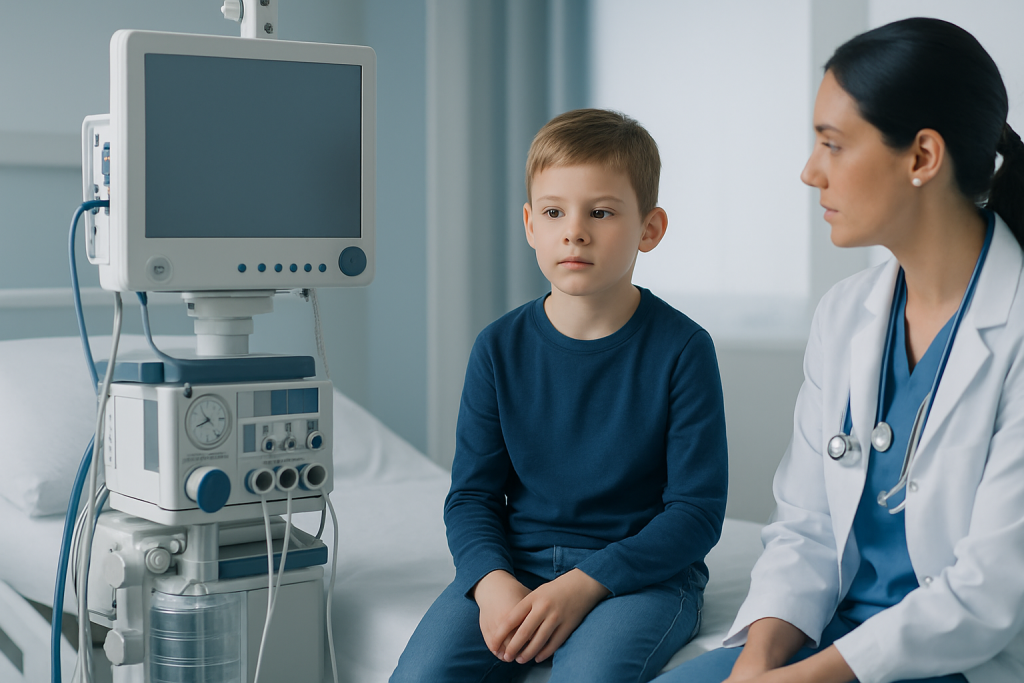
The hallmark of PANDAS is the abrupt onset of symptoms. A child may seem to change over days, sometimes even overnight, rather than gradually over months. The two most recognized symptom groups are obsessive-compulsive symptoms and motor or vocal tics.
Obsessive-compulsive symptoms may include intrusive worries, repeated checking, arranging objects in a particular way, or rituals around food, clothing, or bedtime. Tics may appear as eye blinking, facial movements, shoulder jerks, sniffing, grunting, or throat clearing. Some children also develop a sudden fear of separation, trouble sleeping, irritability, handwriting changes, regression in school performance, or sensitivity to sounds and light.
Symptoms can fluctuate. A child may have a few intense days followed by partial improvement, then worsen again. Because this pattern can overlap with anxiety disorders, tic disorders, OCD, or other neurologic and psychiatric conditions, families should avoid self-diagnosis and instead seek a pediatric evaluation when the change is sudden or marked.
- Sudden obsessive thoughts or compulsive routines
- New tics or repetitive movements
- Increased anxiety, emotional lability, or irritability
- Sleep disturbance or reduced school functioning
- Possible urinary frequency, separation fears, or regression
Causes & Risk Factors

The exact cause of PANDAS is still being studied. The leading explanation is that, in a susceptible child, the immune response to a streptococcal infection may mistakenly affect parts of the brain involved in movement and behavior. This is why the condition is considered a neuropsychiatric syndrome with an immune-triggered component.
Not every child with strep throat develops PANDAS, and not every sudden tic or obsessive-compulsive symptom is caused by strep. Children may have symptoms for many different reasons, including primary OCD, Tourette syndrome, anxiety, or another medical problem. A diagnosis becomes more plausible when the change is sudden, the child is within the typical age range, and symptoms closely follow a documented or strongly suspected strep infection.
Risk factors are not fully defined, but clinicians often consider a child’s age, prior infection history, and the timing of symptom onset. Families caring for children who travel internationally for treatment may find it helpful to gather prior throat culture results, clinic notes, vaccination records, and a timeline of symptoms before the appointment, since these details can make the evaluation more efficient and accurate.
Diagnosis
Diagnosis begins with a detailed history. Clinicians ask when symptoms started, how quickly they developed, whether the child recently had strep throat or scarlet fever, and whether there were other infections or stressors around the same time. They also ask about school performance, sleep, appetite, mood, and any prior history of tics, OCD, or developmental concerns.
There is no single laboratory test that confirms PANDAS. Doctors may order a throat swab, strep testing, or bloodwork if a recent streptococcal infection is suspected. In some cases, they evaluate for other conditions that can mimic the presentation, such as Sydenham chorea, autoimmune encephalitis, thyroid problems, or neurologic disorders. The goal is not to label the child quickly, but to understand the pattern safely and thoroughly.
For international patients, diagnosis may involve coordination between pediatrics, neurology, infectious disease, psychiatry, and psychology. That team-based approach can be useful when symptoms are complex or when prior care records are spread across different countries. A clear written summary of the child’s timeline often helps the specialist team compare the current picture with the earlier illness history.
Treatment Options
Treatment is individualized, because the child’s symptoms, age, and infection status all matter. If a recent streptococcal infection is present, clinicians may treat it according to standard medical practice. This is one part of care, but it is not the whole picture. Symptom management and supportive therapies are often just as important in helping the child function at home and at school.
For OCD-like symptoms, a clinician may recommend cognitive behavioral therapy, particularly exposure and response prevention when appropriate. For tics, anxiety, or sleep difficulties, treatment may involve behavioral strategies, school accommodations, and in some cases medication chosen by a qualified specialist. The plan should be tailored to the child rather than based on a one-size-fits-all approach.
Some families ask about immune-based treatments. These are not appropriate for every child and should be considered only after a careful specialist evaluation. When a child is being assessed abroad, it is reasonable to ask the team to explain which treatments are evidence-based for the individual case, what the expected follow-up looks like, and how care will be coordinated once the family returns home.
- Address any confirmed infection promptly and appropriately
- Use behavioral therapy for OCD-related symptoms when indicated
- Support sleep, school participation, and daily routines
- Consider specialist-led medication or immune evaluation when clinically appropriate
Prevention & Self-care
There is no guaranteed way to prevent PANDAS, but routine infection care matters. Families can help children by seeking prompt medical attention for sore throat, fever, or known strep exposure, and by following recommended treatment plans when a bacterial infection is diagnosed. Good hand hygiene and sensible infection control can also reduce the spread of throat infections in households and schools.
At home, the child’s environment should be kept as predictable as possible during symptom flares. Clear routines, calm instructions, adequate sleep, and reduced pressure around schoolwork can make daily life easier. It can also help to document symptom changes in a simple diary, noting timing, sleep, illnesses, stressors, and what seems to improve or worsen symptoms.
Families often feel caught between wanting to “wait and see” and wanting immediate answers. A balanced approach is best: observe carefully, seek medical review for sudden changes, and avoid starting or stopping treatments without clinician guidance. If travel for care is being considered, bringing throat test results, medication lists, and a short symptom timeline can make the consultation more productive and reduce delays in decision-making.
When to See a Doctor
A child should be evaluated promptly if obsessive-compulsive symptoms or tics appear suddenly, especially after a recent strep infection or if the child is also unusually anxious, agitated, or unable to function at school. A medical visit is also important when symptoms are severe, rapidly changing, or affecting eating, sleeping, or daily safety.
Urgent assessment is needed if the child has confusion, weakness, trouble walking, seizures, severe headache, high fever, or other signs that suggest a more serious neurologic or infectious illness. These symptoms do not automatically mean a severe diagnosis, but they do deserve prompt in-person care.
Families seeking a second opinion or coordinating care across borders may benefit from a center that can combine pediatric, neurologic, and mental health expertise. Acibadem Health Point’s multidisciplinary specialists and JCI-accredited hospitals diagnose and treat this condition for international patients, with the goal of creating a clear and coordinated care plan.
Living With the Condition
When symptoms are active, families often need practical strategies more than long explanations. It can help to reduce avoidable stress, communicate with the child’s school, and keep expectations realistic while symptoms are being evaluated and treated. Children usually do better when adults respond calmly and consistently rather than repeatedly correcting behaviors they cannot easily control.
Follow-up is an important part of care. Because symptoms may change over time, doctors may revisit the diagnosis, adjust the plan, or recommend additional specialist input. For families returning to another country after treatment, a concise discharge summary, medication list, and follow-up recommendations can make continuity of care much smoother.
PANDAS can be unsettling, but the condition is approached best as a medical problem that deserves careful, individualized assessment. With the right support, many children can regain steadier routines and families can feel more confident navigating the next steps.
Frequently asked questions
01What does PANDAS mean?
PANDAS stands for pediatric autoimmune neuropsychiatric disorders associated with streptococcal infections. It refers to a pattern in which some children develop sudden OCD-like symptoms or tics after a strep infection.
02How is PANDAS different from typical OCD or tics?
The main difference is the sudden timing and the possible link to a recent streptococcal infection. Typical OCD or tic disorders often develop more gradually and may not have an infectious trigger.
03Can PANDAS be diagnosed with a blood test?
No single blood test confirms PANDAS. Doctors use the child’s history, symptom pattern, exam, and tests for possible recent infection or other conditions.
04Does every child with strep throat get PANDAS?
No. Most children with strep throat do not develop PANDAS. The condition appears to affect only a small subset of children who may be more susceptible.
05What treatments are commonly used?
Treatment depends on the child’s symptoms and whether a strep infection is present. Care may include infection treatment, behavioral therapy, school support, and specialist-guided medication when needed.
06When should families seek urgent medical help?
Urgent care is important if the child has confusion, seizures, trouble walking, weakness, severe headache, or high fever. Sudden severe behavioral changes should also be discussed with a doctor promptly.
This article is for general information only and is not a substitute for professional medical advice. Please consult a qualified doctor about your individual situation.
Joint and spine care in Turkey — expert assessment & treatment
JCI-accredited · board-certified surgeons · reply within 24h
Add us as a Preferred Source to see more of our trusted health content across Google Search, AI Overviews and Discover.



How can we help you today?
Meet an Acibadem specialist by secure video, before you travel.
Book a video visit